Turkey Calling & Tactics for Texas Rios
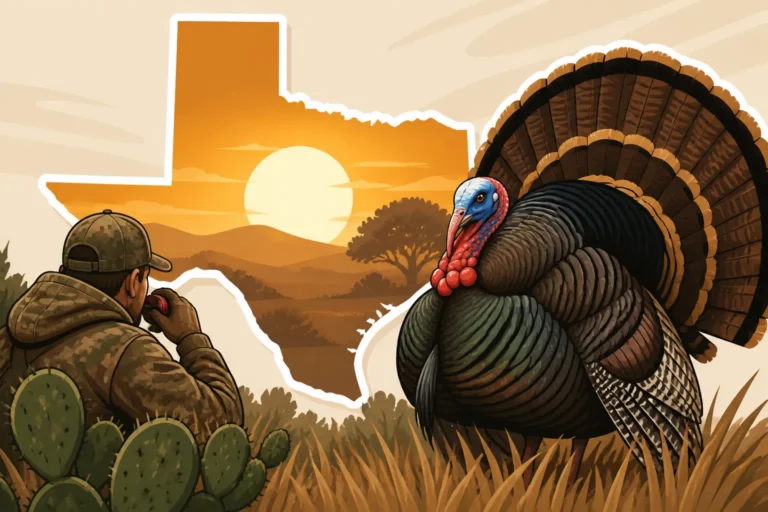
There's nothing quite like the sound of a gobble echoing across the Texas landscape, whether it's the brush country of South Texas or the rolling hills of the Edwards Plateau. Yet, consistently bringing a wary Rio Grande gobbler into range is a challenge that frustrates even seasoned hunters. This comprehensive guide will dive deep into the world of Rio Grande turkeys, equipping you with the calling prowess and tactical knowledge you need to turn those frustrating near misses into triumphant harvests.
Understanding Rio Grande Turkeys
Hunting Rio Grande turkeys in Texas is a unique and thrilling experience, distinct from chasing their Eastern or Osceola cousins. These birds have adapted to the diverse Texas terrain, from dense river bottoms to arid scrublands, developing behaviors that hunters must understand to succeed.
Rio Grande Range and Habitat in Texas
Rio Grande turkeys are truly a cornerstone of Texas wildlife, making up the vast majority of the state's wild turkey population. While you might find Eastern turkeys in East Texas and a few Merriam's further west, the Rio Grande reigns supreme across a massive swath of the state. They thrive in the brush country of South Texas, the Edwards Plateau, and the Cross Timbers regions, preferring open country interspersed with dense shinnery, mesquite, live oak, and juniper for roosting and cover. Think of creek bottoms lined with mature trees for roosting and expansive, often cultivated, fields for feeding. They're masters of blending into the landscape, using natural cover to their advantage, which makes scouting and understanding their preferred haunts absolutely crucial. You'll often find them along riparian corridors, where water sources provide lush vegetation and insects, combined with tall trees perfect for escaping predators at night. Their adaptability allows them to flourish in areas ranging from agricultural fields to rugged ranch lands, always seeking that balance of food, water, and secure roosting sites.
Behavioral Patterns: Roosting, Feeding, Strutting
Rio Grande turkeys are creatures of habit, and understanding their daily routines is your first step to success. They typically roost in large, mature trees like pecans, cottonwoods, or oaks, often near water sources, seeking safety from predators at night. As dawn breaks, they'll often gobble from the roost, signaling their presence before flying down to feed. Their feeding patterns often involve open fields, pastures, or food plots where they forage for insects, seeds, and acorns. The gobblers, especially during the spring breeding season, will spend a significant amount of time strutting – displaying their plumage and making those captivating drumming sounds – to attract hens. This strutting behavior is most pronounced in open areas where they can be seen from a distance. As the day progresses, their activity might wane during the midday heat, only to pick up again in the late afternoon as they head back towards their roosting areas. Weather plays a huge role here; a cloudy, cool day might see them active longer, while a blazing Texas afternoon will often send them seeking shade.
Differences from Eastern and Osceola Turkeys
While all wild turkeys share some fundamental characteristics, Rio Grandes have distinct differences from their Eastern and Osceola counterparts, particularly in their vocalizations and habitat preferences. Eastern turkeys, found in denser forests of the eastern U.S., tend to be more vocal and rely on thicker cover. Osceolas, confined to Florida, are smaller and darker. Rio Grandes, on the other hand, are adapted to more open, arid, and semi-arid environments. They often range in larger groups and can be a bit more nomadic, covering significant ground throughout the day. Their gobble, while powerful, can sometimes be less frequent than an Eastern, particularly if they've been pressured. They also tend to be less shy of open spaces, which influences how you set up your blinds and decoys. For instance, an Eastern might hug the timberline, while a Rio Grande might strut right in the middle of a large field, completely exposed. This difference in temperament and habitat means your calling tactics and approach need to be tailored specifically for the Rio Grande.
Essential Gear for Rio Grande Turkey Hunting
Just like with any specialized hunting, having the right gear can make all the difference when you're out chasing Texas Rios. It's not about having the most expensive stuff, but about having reliable, well-suited tools for the job.
Firearms and Ammunition Considerations
When it comes to putting a Rio Grande gobbler on the ground, shotguns remain the most popular and effective choice. A 12-gauge is standard, but 20-gauge shotguns are also highly effective, especially with modern ammunition. The key is finding a shotgun and choke combination that throws a dense, consistent pattern out to your comfortable maximum range, usually 30-40 yards. Full or extra-full chokes are typical. As for ammunition, specialized turkey loads with heavy shot sizes like #4, #5, or #6, often made of heavier-than-lead materials like tungsten super shot (TSS), provide superior density and knockdown power. It's absolutely critical to pattern your shotgun with your chosen ammunition before the season. Head to the range, set up some turkey targets at 20, 30, and 40 yards, and see where your gun shoots. You want a consistent spread of pellets in the head and neck region. Missing a gobbler because you didn't pattern your gun is a mistake you only make once! For those who prefer a different challenge, some hunters opt for archery equipment. Bowhunting in Texas: Archery Season Guide can provide more specific details on that.
Camouflage and Blinds
Rio Grande turkeys have exceptional eyesight, and they will pick you out if you're not perfectly concealed. Full camouflage is non-negotiable, from head to toe, including gloves and a face mask. The pattern you choose should match the prevailing Texas terrain. For the brush country or oak motts, patterns with browns, tans, and greens will work well. If you're hunting in areas with more open fields or lighter vegetation, lighter camo patterns might be more effective. The goal is to break up your outline completely. Many hunters find a good ground blind indispensable for turkey hunting. A quality pop-up ground blind not only offers excellent concealment but also helps contain movement, which is critical when a gobbler is approaching. It provides shade on hot Texas days and can protect you from sudden rain showers. When setting up, remember to brush it in naturally, using local vegetation to help it disappear even more. Consider the sunlight direction so you're not silhouetted against the morning or evening sun.
Decoys and Other Tools
Turkey decoys can be powerful tools, drawing in wary gobblers and giving them something to focus on other than your position. For Rio Grandes, a common and effective setup is a jake or submissive tom decoy paired with one or two hen decoys. The sight of a rival male with hens often infuriates a dominant gobbler, bringing him charging in for a fight. Sometimes, just a single hen decoy can be enough to pique a gobbler's interest. Placing your decoys realistically, perhaps 15-20 yards from your position, gives you an ideal shot opportunity when the gobbler comes into range. Be mindful of how the decoys are facing; you want the gobbler to come in offering a broadside or head-on shot, not directly behind them. Beyond decoys, consider a comfortable seat or cushion for those long waits, binoculars for spotting distant birds, and a good game bag for packing out your harvest. A rangefinder is also invaluable for confirming distances, especially when those birds seem to stretch out across an entire pasture.
Mastering Turkey Calls for Rios
Calling is arguably the most crucial skill in turkey hunting, and it's where many hunters either succeed or struggle. Learning to speak the language of the Rio Grande turkey is an art form that takes practice and nuance.
Types of Calls and Their Uses
There's a dizzying array of turkey calls out there, but a few stand out as classics for Rio Grandes.
- Pot Calls (Slate or Glass): These are perhaps the most versatile calls. A pot call, whether slate, glass, or aluminum, produces a wide range of realistic hen vocalizations – yelps, clucks, purrs, and cutts. They're excellent for beginners due to their relative ease of use and consistent sound. Different strikers (wood, carbon, plastic) will produce varying tones.
- Box Calls: Classic and loud, box calls are fantastic for reaching out to distant birds or for windy days. They excel at producing loud yelps and cutts that can grab a gobbler's attention from a long way off. They're also quite durable and easy to operate with one hand.
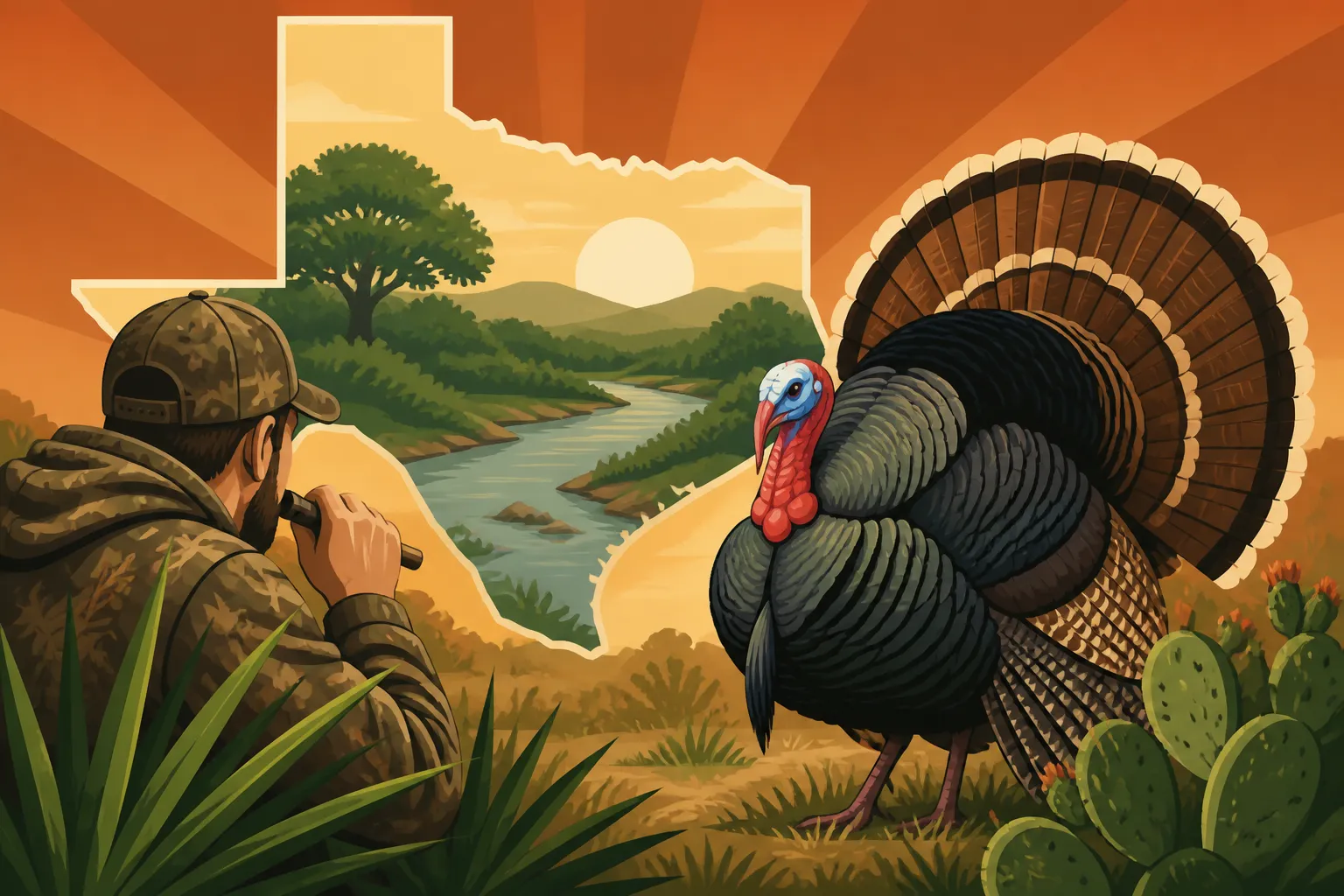
- Diaphragm (Mouth) Calls: These are the most hands-free calls, allowing you to keep your shotgun mounted and ready. They require more practice to master but offer an incredibly realistic range of sounds, from soft purrs to aggressive cutts and gobblers. Learning to use a diaphragm call effectively can be a game-changer, especially when a bird is close and you can't risk moving your hands.
- Locator Calls: While not true turkey calls, locator calls like owl hoots, crow calls, or coyote howlers are invaluable for getting a shock gobble out of a tom, especially when he's on the roost or trying to locate him in a large area. They exploit a gobbler's natural tendency to gobble back at loud, sudden noises.
Each call has its time and place. Often, a combination is best – perhaps a loud box call to get his attention, then a softer pot or diaphragm call to work him in closer.
Here's a quick look at common calls and their uses:
| Call Type | Primary Sound | Best Use for Rio Grandes | Pros | Cons |
|---|---|---|---|---|
| Pot Call (Slate/Glass) | Yelps, Clucks, Purrs, Cutts | Versatile, close-range to mid-range calling, soft purrs, aggressive cutts | Easy to learn, realistic sounds, wide range of tones | Requires two hands, can be noisy if dropped, sensitive to moisture |
| Box Call | Loud Yelps, Cutts | Long-range calling, windy conditions, aggressive calls | Very loud, easy to use, durable, consistent sound | Can be somewhat less subtle for close-range work, requires two hands |
| Diaphragm (Mouth) Call | Wide range of vocalizations, including gobbling | Hands-free, close-range to mid-range, realistic, versatile | Hands-free operation, highly versatile, compact, can gobble | Difficult to master, takes considerable practice, can cause gag reflex |
| Locator Calls (Owl/Crow) | Owl hoots, Crow caws, Coyote howls | Getting shock gobblers, locating distant birds, especially on roost | Effective for eliciting a gobble without sounding like a turkey | Not for enticing birds to come in, just for locating them |
Basic Calling Sequences for Rios
When starting your calling sequence, it's often best to mimic a hen trying to locate a gobbler. Begin with a series of soft tree yelps as if the hen is still on the roost. Once the gobbler answers, you can increase the intensity slightly with a few plain yelps and clucks. A typical sequence might be:
- Tree Yelps: Soft, sleepy yelps, 3-5 notes, used just before fly down.
- Fly Down Cackle: A short, sharp burst of clucks and yelps mimicking a hen flying off the roost.
- Plain Yelps: 5-7 clear, crisp yelps, often in a questioning tone. This is your bread and butter.
- Clucks and Purrs: Soft, contented sounds. Use these when a gobbler is close, acting as if you're feeding or content.
The key is listening. Pay attention to how the gobbler responds. If he's gobbling aggressively, you might increase your calling intensity. If he's hesitant, tone it down and play hard to get. The art of turkey calling is like a conversation; you don't just keep talking over the other person. You listen, respond, and adapt. For more specific instructions on calling, check out our guide on How to Call Rio Grande Turkeys in Texas.
Advanced Calling Strategies
Once you've mastered the basics, you can experiment with more advanced strategies. One effective technique for Rios is "cutting." These are sharp, abrupt yelps that sound like an excited or aggressive hen. Often, this can really fire up a gobbler who might be henned-up or lagging. Another strategy is to call sparingly and then go silent. This "cat and mouse" game can make a gobbler curious and force him to come looking for the "hen" that suddenly went quiet. Sometimes, a few soft clucks and purrs, mimicking a contented hen, is all it takes to seal the deal when a gobbler is hanging up just out of range. Don't forget the power of the "gobble" call itself. While controversial, using a gobble tube or shaker can challenge a dominant gobbler, making him think another tom has invaded his territory. This is a high-risk, high-reward move that should only be used carefully, ensuring you're safe and know your target. Remember, the goal isn't always to call the loudest; it's to call the most convincingly.
Effective Hunting Tactics for Rio Grande Turkeys
Texas turkey hunting requires a blend of meticulous planning, stealth, and adaptability. What works in one part of the state or at one time of year might not work in another.
Scouting and Pre-Season Preparation
Successful turkey hunting begins long before opening day. Scouting is paramount, especially for Rio Grandes who can roam widely. Start by identifying potential roosting areas – large, mature trees along creek beds, river bottoms, or even prominent stands of oaks. Look for droppings, feathers, and tracks around these areas. Then, scout likely feeding areas such as agricultural fields, clearings, and areas with abundant mast crops like acorns. Use locator calls during dawn and dusk to pinpoint gobbler locations. Drive back roads, listen for distant gobbles, and use your binoculars to spot birds in open fields. Pay close attention to travel corridors – fence lines, brushy draws, and old ranch roads that turkeys use to move between roosting and feeding sites. Setting up trail cameras in key areas can also provide invaluable insights into their patterns and movement, showing you exactly where and when the birds are most active. This information helps you decide on the best setup locations. Our article on How to Scout for Deer Before Season in Texas shares some universally applicable scouting principles.
Setting Up for the Shot
Once you've located turkeys, your setup is crucial. If hunting from a blind, ensure it's brushed in well and positioned with a clear shooting lane, especially where you expect the gobbler to approach. Always consider the sun's position – you want the sun at your back, not in your face, to avoid being silhouetted and to ensure the best visibility. If you're not using a blind, find natural cover that breaks up your outline completely, such as the base of a large tree or a thick mesquite bush. Make sure you can sit still for extended periods and have a stable shooting rest. Your gun should be up and pointed in the general direction you expect the turkey to appear before you start calling. Remember, turkeys have incredible vision, so any sudden movement will send them scurrying. Placing decoys properly, as discussed earlier, can help draw the bird's attention away from your position, giving you a precious few seconds to make adjustments.
Run-and-Gun vs. Sit-and-Wait
There are two main tactical approaches to Rio Grande turkey hunting, and both have their merits depending on the situation.
- Run-and-Gun (Aggressive Scouting): This tactic involves actively moving and calling to locate turkeys. You might drive or walk along ranch roads, stopping periodically to call, listen for a response, and then quickly move in on a gobbler once he's located. This method is particularly effective in areas with a high density of turkeys or when birds are not particularly responsive to static calling. It requires stealth, good physical condition, and the ability to move quietly through the terrain. Once a gobbler responds, you quickly close the distance, set up, and try to seal the deal. This is especially good for covering large leases or public lands.
- Sit-and-Wait (Passive Ambush): This involves setting up in a prime location – perhaps near a known roost, feeding area, or travel corridor – and waiting for turkeys to appear, using calling to entice them in. This is a great strategy for pressured birds, early mornings near roosts, or when you have a general idea of where turkeys are moving but haven't pinpointed a specific gobbler. This approach requires patience and can be very effective, especially if you have a well-brushed blind and a good decoy spread. It's also safer in areas with more hunters, as it minimizes movement. Often, a combination of both is ideal: run-and-gun to locate a bird, then transition to a sit-and-wait once you've made contact. For understanding the specific dates and zones for your hunt, you should definitely check out the Texas Turkey Season 2026: Spring & Fall Zones guide.
Reading Turkey Sign and Behavior
Understanding the subtle cues turkeys leave behind and interpreting their actions can give you a significant advantage in the field. It's like learning to read their secret language.
Interpreting Tracks, Droppings, and Feathers
Before you even hear a gobble, turkeys leave behind a wealth of information. Their tracks are distinct, with three prominent toes and a longer middle toe. Gobbler tracks tend to be larger and show more splay than hen tracks. Look for these in sandy creek beds, dirt roads, and field edges. Droppings are another key indicator. Gobbler droppings are typically J-shaped or elongated, while hen droppings are more coiled or round. Fresh, soft droppings mean birds are in the immediate area. Finding an abundance of droppings under mature trees indicates a roosting site. Feathers can also tell a story. Body feathers are usually found where birds have been feeding or loafing. Tail feathers, especially large, dark ones with distinct bands, can indicate a strutting area or a kill site. Look for wing feathers at roost sites, where they might be shed during flight. Learning to differentiate these signs is crucial for knowing if you're in an active turkey area.
Recognizing Gobblers vs. Hens
Distinguishing between gobblers and hens is vital for legal harvest and strategic calling. While a strutting tom with a fully fanned tail is unmistakable, it's not always so obvious.
- Head Color: Gobblers typically have brilliant red, white, and blue heads, which can change intensity with excitement or mood. Hens' heads are usually duller, often bluish-gray.
- Beard: Most mature gobblers have a beard – a tuft of coarse, bristle-like feathers protruding from their chest. Hens rarely have beards, though "bearded hens" do occur, typically with much shorter and thinner beards. Always confirm your target's sex before shooting, as regulations often specify "gobbler or bearded hen."
- Spurs: Gobblers have spurs, sharp bony protrusions on the back of their legs, which they use for fighting. Hens do not have spurs. While you can't see spurs until the bird is down, they are a definitive identifier.
- Size and Gait: Gobblers are generally larger and more robust, with a more upright, proud gait. Hens are smaller and often appear more compact. When they run, a gobbler's head will often pump up and down more noticeably.
Understanding the Rut (Spring)
Just like deer, turkeys have a breeding season, often referred to as the "rut" in hunting circles, though it's technically called the breeding season or gobbling season. For Rio Grandes in Texas, this typically begins in late March and runs through April and into May, though it can vary slightly by region and weather. During this time, gobblers are driven by the urge to breed, making them more responsive to calling and more aggressive in their territorial displays. This is when you'll hear the most gobbling, see the most strutting, and have your best chances of success. However, understanding the stages within the rut is also important. Early in the season, gobblers might be "henned up," meaning they are with a flock of receptive hens and less likely to break away for your calls. As the season progresses and hens begin to nest, gobblers become more solitary and eager to find any remaining receptive hens, making them more susceptible to calling. Knowing when to rattle for bucks in South Texas is similar to knowing when to hit the peak of the turkey gobbling season; timing is everything.
Common Mistakes and How to Avoid Them
Even experienced turkey hunters make mistakes, but recognizing the common pitfalls can drastically improve your chances of success.
Over-Calling and Under-Calling
This is a classic turkey hunting dilemma.
- Over-Calling: Many new hunters, in their excitement, tend to over-call. They'll blast out loud yelps and cutts constantly, sounding unnatural and desperate. A smart gobbler, especially one that's been pressured, will become suspicious and hang up out of range. If a gobbler is responding consistently, you often need to back off your calling intensity and frequency. Let him do most of the work, making him think the hen is coming to him, or playing hard to get. Sometimes, just a few soft clucks or purrs are enough once he's close.
- Under-Calling: On the flip side, some hunters are too timid. They might make a few soft calls and then go silent, assuming the turkey heard them. In vast Texas landscapes, especially with wind, your calls might not carry far enough to grab a distant gobbler's attention. If you're not getting a response after a few minutes, don't be afraid to increase the volume or try a different type of call to see if you can elicit a shock gobble. The key is balance and adaptation – listen to the turkey, and let him dictate the conversation.
Improper Setup and Movement
Poor setup and uncontrolled movement are two of the quickest ways to blow a turkey hunt.
- Improper Setup: Setting up in an exposed location, with a tree too small to break your outline, or facing the wrong direction can be disastrous. Always ensure you have a solid backdrop (a wide tree, a blind) that completely hides your silhouette. Position yourself so you have clear shooting lanes in the direction you expect the turkey to approach, without having to make large, noticeable movements. Don't set up on an open knoll where you're visible from all directions.
- Uncontrolled Movement: Turkeys see movement like a hawk spots a mouse. Even the slightest twitch of a hand, a head turn, or adjusting your position when a gobbler is close can send him scattering. This is where a ground blind really shines, as it allows for some minor adjustments. If you're out in the open, practice extreme stillness. Don't lift your head, adjust your camo, or reach for a call until the turkey's head is completely obscured, either behind an obstacle or if he's actively strutting and his head is tucked into his feathers. It's excruciatingly difficult to stay still, but it's absolutely critical.
Ignoring Weather and Terrain
Texas weather is notoriously fickle, and terrain is rarely uniform. Ignoring these factors is a recipe for frustration.
- Weather: Wind is a turkey hunter's nemesis. It carries scent, muffles calls, and makes it harder to hear distant gobblers. On windy days, try to hunt in more sheltered areas, increase your calling volume, and consider moving closer to known roosts. Rain can also suppress turkey activity, though light drizzles can sometimes bring them out into open fields. Hot, sunny days will often see turkeys less active during midday, seeking shade. Adjust your hunting times and locations accordingly.
- Terrain: The vastness and diversity of Texas terrain mean your tactics must change. In the thick brush country of South Texas, calling needs to be more aggressive to penetrate the dense cover, and decoys might be less visible but still useful to pull birds into small clearings. In the more open rolling plains, long-range scouting and calling become more important. Understanding how turkeys use draws, creeks, and ridges to travel and how they might approach your setup is crucial. A bird responding from across a deep canyon or a wide creek might take a circuitous route, so factor that into your expectations and setup. Knowing the specific conditions for turkey season can be found in resources like Texas Rio Grande Turkey Season Dates 2026.
Safety and Ethics in Texas Turkey Hunting
Hunting is a privilege, and with it comes the responsibility of adhering to safety guidelines and ethical practices, ensuring a positive experience for everyone and preserving the sport for future generations.
Hunter Orange and Safe Zones of Fire
While hunter orange is generally not required for turkey hunting (as it would compromise camouflage), safety remains paramount, especially when other hunters might be in the area. Always assume any movement or sound could be another hunter.
- Positive Identification: Never shoot at movement or sound alone. Always visually confirm your target is a legal gobbler or bearded hen and that there are no other hunters or non-target animals behind or near it.
- Safe Zones of Fire: Clearly establish your safe zone of fire, especially if hunting with partners. Know what's beyond your target. When a gobbler approaches, be aware of the background and ensure your shot will be safe.
- Don't Stalk Sounds: Stalking the source of a turkey call is incredibly dangerous, as it could be another hunter. If you hear another hunter calling, move to a different area or make your presence known verbally. Never try to sneak up on what you think is a turkey.
- Blinds for Safety: Hunting from a ground blind significantly enhances safety, as your position is clearly defined, and you're contained.
Always carry a fully charged phone for emergencies and let someone know where you are hunting and when you expect to return. Hunter education is also critical; if you're new to the sport or just need a refresher, make sure you meet the Texas Hunter Education Age Requirements.
Respecting Landowners and Wildlife
Ethical hunting extends beyond safety. It's about respecting the land, the wildlife, and your fellow hunters.
- Landowner Relations: If you're hunting on private land, whether a lease or a day hunt, always be respectful of the landowner's property. Close gates, don't litter, avoid damaging crops or fences, and follow any specific rules they have. A good relationship with a landowner can secure future hunting opportunities. Our guide on How to Get Permission to Hunt Private Land in Texas offers more tips.
- Fair Chase: Practice fair chase principles. This means not using unfair advantages like shooting turkeys on the roost before fly-down (which is illegal in Texas for turkeys), or pursuing birds that are clearly out of range. Give the bird a chance.
- Conservation: Wild turkeys are a valuable resource. Adhere to all bag limits and season dates. Your hunting license and stamp fees contribute directly to conservation efforts that benefit turkey populations and other wildlife. For a comprehensive overview of regulations, check out the Texas Hunting Seasons: Complete Calendar by Species.
Legal Regulations and Bag Limits
It's your responsibility to know and follow all Texas Parks and Wildlife Department (TPWD) regulations. This includes:
- Hunting License: Ensure you have a valid Texas hunting license with the appropriate endorsements. You can find out more about the Texas Hunting License: Cost, Types & How to Buy (2026).
- Season Dates and Zones: Texas is divided into different turkey zones, each with specific season dates for spring and fall. Know which zone you are in and when the season is open. For a detailed breakdown, consult the Texas Turkey Season 2026: Spring & Fall Zones.
- Bag Limits: Understand the bag limits for gobblers and bearded hens. Typically, for Rio Grandes, the spring bag limit is four gobblers, and in the fall, it can vary by zone, often allowing for "any sex." Always verify current regulations in the Texas Outdoor Annual.
- Tagging and Reporting: After harvesting a turkey, you must immediately tag it with a valid tag from your license. Within 24 hours (or before leaving the county of harvest, whichever comes first), you must report your harvest to TPWD using the My Texas Hunt Harvest app or website. This is crucial for data collection and management. Detailed information on this can be found in Texas Hunting Tags & Harvest Reporting (My Texas Hunt Harvest).
Post-Hunt Considerations
Harvesting a Rio Grande gobbler is a moment of triumph, but the work isn't over. Proper care of your bird ensures the meat is delicious and you comply with all regulations.
Field Dressing in the Texas Heat
Texas can get hot, even in spring, and heat is the enemy of wild game meat. Proper field dressing is essential to preserve the quality of your turkey.
- Bleeding Out: Immediately after the shot, ensure the bird is expired. If you're keeping the head for mounting, be careful. Otherwise, cut the head off to help it bleed out quickly.
- Gutting: The quickest way to cool the bird down is to remove the entrails. Make an incision from the breast bone to the vent. Reach in and remove all organs. Be careful not to puncture the crop or intestines.
- Cooling: Once gutted, wipe out the cavity if possible. Get the bird into a cooler with ice as soon as you can. Don't just throw it in the back of the truck, especially if it's warm outside. Laying it on a bed of ice (not submerged) will rapidly cool the carcass.
- Plucking or Skinning: Decide if you want to pluck or skin the bird. Plucking offers the best eating experience, as the skin adds flavor and moisture, but it's a messy, time-consuming job. Skinning is much faster. For detailed instructions on how to handle game in warm weather, refer to Field Dressing & Processing Game in Texas Heat.
Harvest Reporting and Tagging
This is a critical legal requirement for Texas hunters. Once you've harvested your Rio Grande turkey:
- Tagging: Immediately complete and attach the appropriate turkey tag from your hunting license to the leg of the bird. Ensure all information is accurately filled out.
- Reporting: Within 24 hours of harvest (or before leaving the county of harvest, whichever comes first), you must report your harvest to TPWD. The easiest way is through the My Texas Hunt Harvest app on your smartphone, but you can also do it online. This system helps TPWD biologists collect vital data on harvest numbers and population trends. Failing to tag or report your harvest can result in fines and penalties. It's a small step that makes a big difference for conservation.
Meat Care and Storage
After field dressing and cooling, you have a few options for processing your turkey.
- Whole Bird: If you plan to roast it whole, after plucking (or skinning), give it a good rinse, pat it dry, and either cook it within a few days or freeze it.
- Breaking Down: Many hunters prefer to break the turkey down into individual cuts – breast meat, thighs, drumsticks. This is often easier for cooking and storage. Remove the breast meat by running a knife along the keel bone, then slicing it away from the rib cage. The leg and thigh meat can be separated from the carcass.
- Freezing: Vacuum sealing is the best method for freezing wild game, preventing freezer burn and preserving quality for up to a year or more. If you don't have a vacuum sealer, wrap the meat tightly in plastic wrap, then butcher paper or freezer bags, removing as much air as possible. Label and date everything clearly. Remember, proper care from the moment of harvest ensures that delicious wild turkey dinner you've been dreaming about all season long.
Disclaimer
Please note that hunting regulations, season dates, and bag limits are subject to change by the Texas Parks and Wildlife Department. Always consult the most current Texas Outdoor Annual or TPWD website before heading afield to ensure you are fully compliant with all applicable laws and regulations. This guide is for informational purposes only and does not supersede official TPWD guidelines.