Best Hunting Method for Nilgai in Texas
Anyone who has spent a morning glassing the shimmering heat waves of a South Texas coastal prairie knows the specific frustration of spotting a "blue ghost" only to have it vanish into the mesquite before you can even shoulder your rifle. Nilgai antelope are notoriously wary, physically massive, and incredibly difficult to bring down. This guide breaks down the most effective hunting methods to ensure you don't go home empty-handed from the brush country.
The King of the Coastal Prairie: Understanding Nilgai Behavior
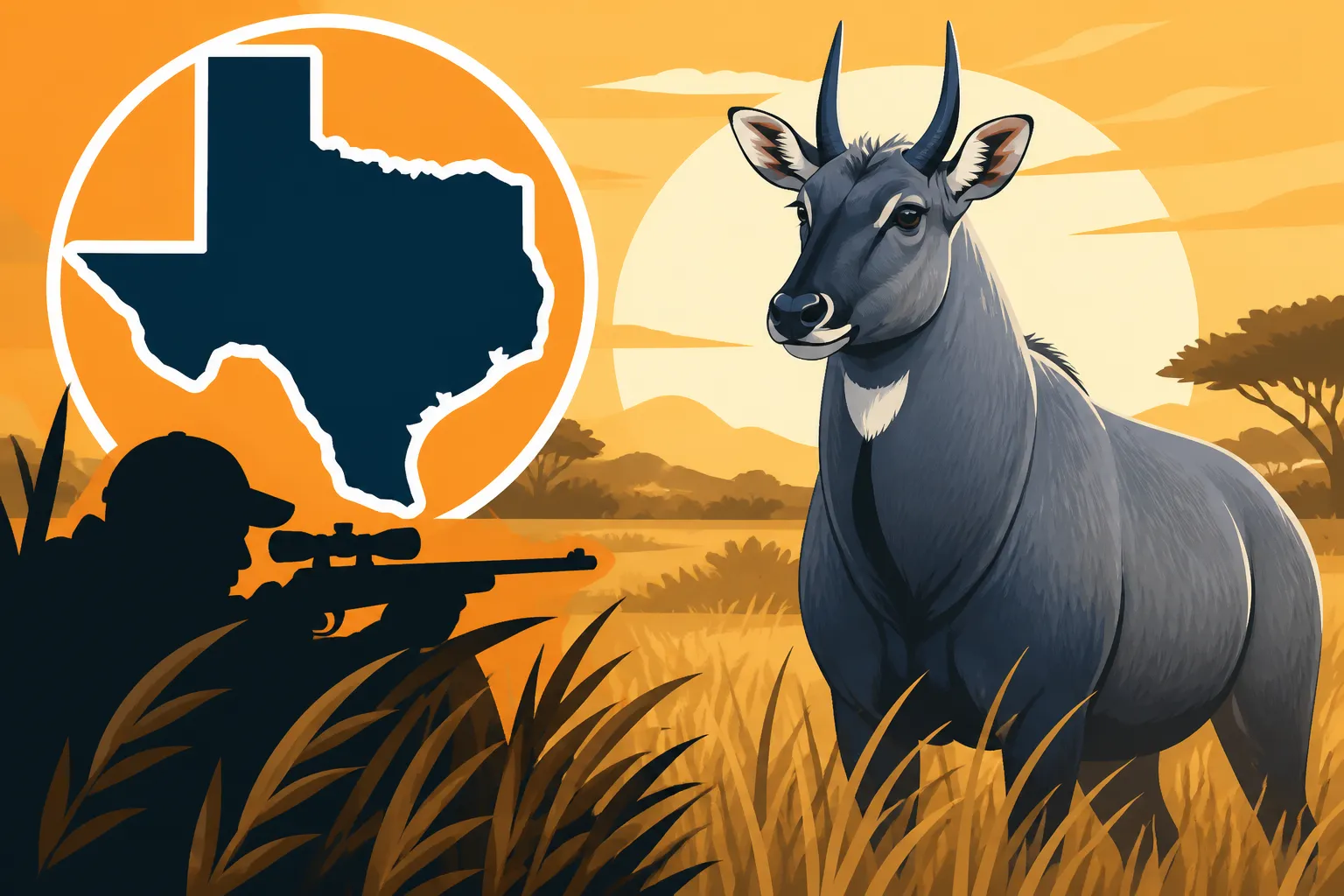
To choose the best hunting method, you first have to understand what you are up against. Nilgai were brought to Texas from India in the 1920s and 1930s, specifically to the King Ranch, and they have since flourished across the deep sand sheets of South Texas. These animals are built like a cross between a horse and a bull, with a sloping back and a thick, muscular neck. The bulls, often called "Blue Bulls" due to their charcoal-gray or bluish coat, can weigh upwards of 700 pounds.
Unlike whitetail deer, Nilgai do not have a strong sense of curiosity. If they smell you or see movement, they aren't going to blow and wait around to see what you are. They are gone, often running for miles before stopping. They also possess a hide that is nearly an inch thick in places, particularly around the neck and chest, acting as a natural suit of armor. This is why How to Hunt Nilgai on the Texas Coast requires a mindset shift from traditional deer hunting. You aren't hunting a delicate forest animal; you are hunting a tank that lives in the thorns.
One of the most predictable aspects of their behavior is their use of "latrines" or dung piles. Nilgai are creatures of habit and will repeatedly use the same spots to defecate. If you find a large mound of dung in an opening, you are in a high-traffic area. However, sitting over these spots isn't always the most productive method because Nilgai movements are largely dictated by the wind and the intense South Texas sun.
The Premier Method: Spot-and-Stalk
The absolute best hunting method for Nilgai in Texas is the spot-and-stalk approach. Because these animals roam across massive acreages, sitting in a fixed location like a box blind often results in a lot of "dead air" time. To be successful, you need to cover ground, find the animals, and then execute a tactical approach using the terrain to your advantage.
The process usually begins in a high-profile vehicle or by glassing from a tripod or a small ridge. You are looking for that dark blue shape against the pale yellow salt grass or the vibrant green of a prickly pear flat. Once a bull is spotted, the real work begins. You must stay downwind at all costs. A Nilgai’s nose is its primary defense, and if the wind shifts even slightly, the hunt is over.
When executing a stalk, you will often find yourself crawling through sand burrs, cactus, and mesquite. This is where Spot-and-Stalk Hunting in Texas (Exotics & Mule Deer) techniques really come into play. You have to move when the animal's head is down or when it moves behind a motte of trees. Because the terrain is often very flat, even a slight depression in the ground or a lone bush becomes critical cover.
It is highly recommended to use high-quality glass for this method. You can find a wide variety of tripods and stabilization gear on Amazon that makes glassing for hours much more tolerable. Without a steady rest for your binoculars, you will miss the flick of an ear or the shine of a horn in the thick brush. Once you get within 200 yards, the pressure is on. Nilgai have excellent eyesight, and they are always on high alert for anything that looks out of place in the horizontal landscape.
Caliber and Shot Placement: The "No-Fail" Requirement
You could execute the perfect stalk, get within 100 yards of a trophy bull, and still lose the animal if you aren't prepared for the shot. In the world of Texas hunting, Nilgai are famous for their "dead-on-their-feet" reputation. They can take a well-placed shot from a standard deer rifle and still run for half a mile into the thickest brush imaginable, where recovery becomes a nightmare.
For this reason, the hunting method must include the use of "heavy timber" calibers. Most professional guides in South Texas will not even allow a hunter to step out of the truck with anything smaller than a .300 Win Mag. Many prefer the .338 Lapua or even .375 H&H. The goal isn't just to hit the animal; it's to break the skeletal structure and anchor it where it stands.
| Method | Best For | Gear Needed | Difficulty |
|---|---|---|---|
| Spot-and-Stalk | Trophy Bulls | High-end Binos, Flat-shooting Magnum | High |
| Safari Style (High Rack) | Covering Large Acreage | High-clearance vehicle, Rangefinder | Medium |
| Ground Blind / Water | Hot Summer Months | Scent control, Patience | Medium |
| Corridor Interception | Known travel routes | Topographic maps, Wind indicator | High |
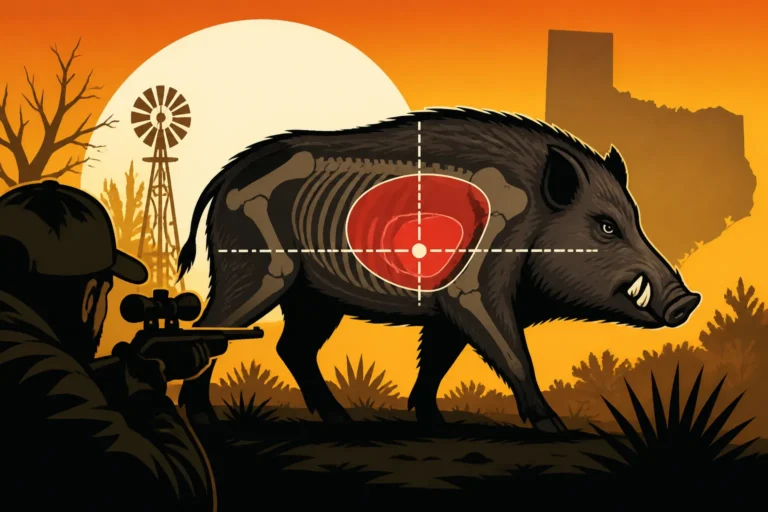
When considering your setup, don't overlook your optics. You can find various rail mounts and scope accessories on Amazon to ensure your rifle is zeroed and ready for a long-range encounter. Shot placement is critical: you want to aim for the "crease" but slightly higher than you would on a deer, or better yet, aim to break the shoulder. A heart-shot Nilgai can still run a long way, but a Nilgai with a broken front end isn't going anywhere. This is a recurring theme in the South Texas Deer Hunting: Brush Country Guide, where the toughness of the local game is always a factor.
Always remember that after the shot, the work has just begun. These animals are huge and the Texas sun is unforgiving. If you are successful, you are looking at several hundred pounds of the Best Wild Game Meat in Texas (Ranked), but you have to get it on ice quickly.
Alternative Tactic: Safari Style and High-Rack Hunting
While spot-and-stalk is the most sporting and often the most rewarding, many hunters on large South Texas ranches utilize "Safari Style" hunting. This involves riding in a high-seat or high-rack vehicle to gain a vantage point over the brush. Because the mesquite and ebony trees in places like Kenedy or Willacy County can be six to ten feet tall, a hunter on the ground is often blind to anything more than fifty yards away.
From a high rack, you can see over the brush line and into the small openings where Nilgai like to loiter. This method allows you to cover twenty or thirty miles of ranch road in a single morning. When an animal is spotted, you can either shoot from the vehicle (if legal and safe on that specific private ranch) or, more commonly, use the vehicle's position to plan a quick ground stalk.
This method is particularly effective for those learning How to Hunt Nilgai on a Texas Lease for the first time, as it helps you understand the layout of the land and where the animals tend to congregate during different times of the day. You’ll notice they move toward the coast for the breeze in the afternoon and head into the thickets during the heat of midday.
If you choose this method, make sure you have a quality rangefinder. Distances on the flat coastal plains are incredibly deceiving. There are many reliable laser rangefinders available on Amazon that can give you an instant reading on a bull standing 400 yards out in a sea of waist-high grass. Judging distance by eye in this environment is a recipe for a clean miss or, worse, a wounded animal.
Timing and Environmental Factors
The "when" is just as important as the "how." While Nilgai can be hunted year-round in Texas because they are an exotic species, the best hunting method often changes with the season. In the winter, the bulls are more active during the day as they seek out the sun's warmth. Their dark coats soak up the heat, making them easier to spot against the dormant, brown vegetation.
In the summer, the heat is your biggest enemy. Nilgai will stay in the deepest shade of the live oaks or mesquite motts from 10:00 AM until 5:00 PM. During these months, a successful method might involve sitting near a water hole or a known travel corridor leading to a water source. However, be prepared for the insects. The South Texas coast is home to mosquitoes and ticks that can turn a hunt into a miserable experience. You should look for high-quality Permethrin-treated clothing or portable mosquito repellers, which are easily sourced on Amazon, to keep yourself focused on the hunt rather than the bugs.
Furthermore, you must have a plan for Field Dressing & Processing Game in Texas Heat. A Nilgai is a massive animal with a lot of thermal mass. If you don't get the hide off and the meat cooled down quickly, the meat will spoil from the inside out, a phenomenon known as "bone sour." Most successful Nilgai hunters have a winch system and a large cooler full of ice waiting back at the truck or camp.
To round out your preparation, ensuring you have the Best Hunting Optics for Texas: Scopes, Binos & Rangefinders will give you the edge needed to spot these wary animals before they spot you. Whether you are trekking through the sand or glassing from a high rack, your gear must be as tough as the animal you are pursuing. Make sure to check out the Best Gear for Nilgai Hunting in Texas to ensure your kit is up to the task of the rugged brush country.
Disclaimer
Hunting in Texas involves specific legal requirements, including a valid Texas hunting license and permission from landowners for private property. Nilgai are considered exotic "non-game" animals, but all state regulations regarding firearm safety and waste of game still apply. Always verify local county rules and ranch-specific protocols before your hunt. This guide is for informational purposes only.