Hunting Near San Antonio, Texas
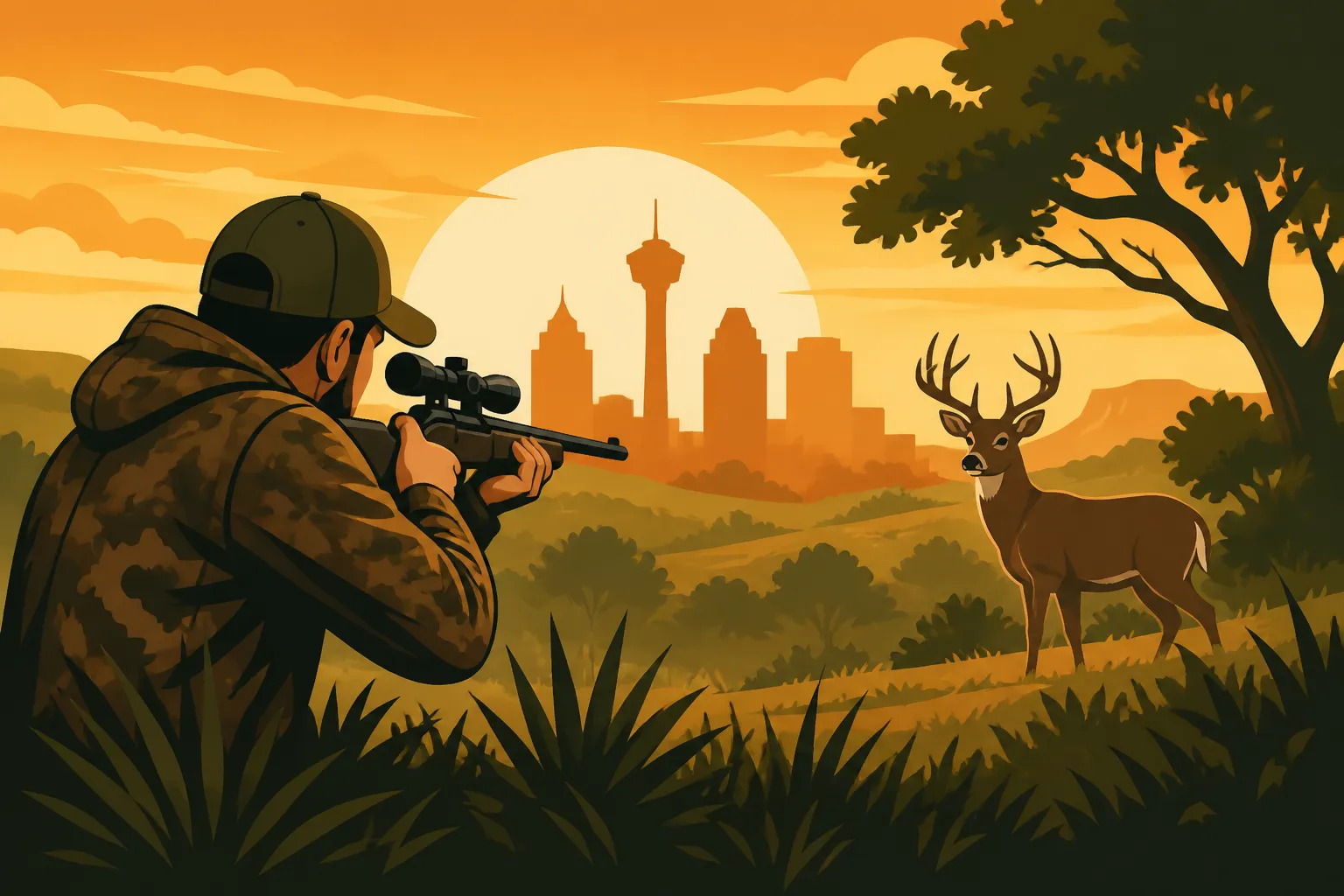
Hunting near a major metropolitan area like San Antonio can feel like trying to find a needle in a haystack, right? You're surrounded by urban sprawl, but the call of the wild is still strong. Many hunters get discouraged, thinking they have to drive for hours to find decent hunting land. But here's the good news: San Antonio is uniquely positioned at the crossroads of some of Texas's most diverse hunting landscapes, offering surprisingly rich opportunities if you know where to look. This comprehensive guide will walk you through everything you need to know about pursuing your passion for hunting within a reasonable distance of the Alamo City.
Understanding the Hunting Landscape Around San Antonio
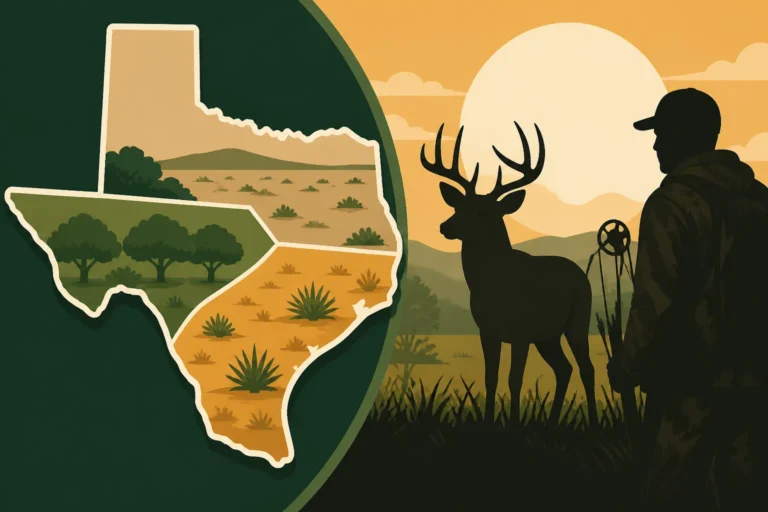
San Antonio sits right at the confluence of several distinct ecological regions, making it a fantastic base for hunters looking for variety. To the north, you have the rugged terrain of the Texas Hill Country, known for its dense population of white-tailed deer and stunning vistas. Head south, and you quickly enter the legendary South Texas Brush Country, often considered the holy grail for trophy whitetail bucks. East offers a transition into the Post Oak Savannah, and west leads towards the vast open spaces that eventually become the Trans-Pecos. This unique positioning means that depending on which direction you drive, you can find vastly different hunting experiences and target a wide array of game species.
Major Game Animals in the Region
When you talk about hunting near San Antonio, white-tailed deer are almost always at the top of the list. The Hill Country, while having smaller-bodied deer, boasts some of the highest deer densities in the state, offering plenty of opportunities. South Texas, on the other hand, is renowned for its larger-bodied, trophy-class bucks, thanks to the rich browse and superior genetics of the region.
Beyond deer, feral hogs are an omnipresent species across all directions, providing year-round hunting opportunities with no closed season or bag limits on private land. These destructive animals are a nuisance to landowners, making hog hunting a popular and often accessible option. Axis deer, a beautiful exotic species, have also established free-ranging populations, particularly in the Hill Country, offering an exciting challenge and delicious venison. You'll also find a healthy population of Rio Grande turkeys, especially in the Hill Country and parts of South Texas, making for thrilling spring and fall hunts. For bird hunters, mourning and white-winged doves migrate through in staggering numbers, especially during the early season opener, offering fast-paced action just outside city limits.
General Seasons and Regulations
Texas hunting seasons can seem complex, but understanding the basics for the San Antonio area is key. White-tailed deer season typically runs from early November through late December or early January, with an earlier archery season starting in October. Specific counties might also have special late seasons or antlerless days. It's absolutely crucial to consult the annual Texas Outdoor Annual for the most current dates, bag limits, and specific regulations for the county you plan to hunt in. Pay close attention to Texas Antler Restrictions: 13-Inch Rule & Counties if you're targeting bucks, as these rules vary significantly by county and are designed to promote a healthier deer herd.
Feral hogs, as mentioned, can be hunted year-round. This makes them a perfect target for off-season adventures or when other seasons are closed. Turkey seasons are split between fall and spring, with the Hill Country and South Texas offering prime opportunities for Rio Grande turkeys. Dove season usually kicks off around September 1st, drawing massive crowds to sunflower fields and water tanks. For comprehensive information, definitely check out the official Texas Hunting Seasons: Complete Calendar by Species guide.
Public Land Opportunities Near San Antonio
Let's be real: finding public land to hunt in Texas, especially near a major city, can feel like an uphill battle. Most of Texas is privately owned, making public hunting access a precious commodity. However, with a little planning and the right permits, there are certainly options available within a reasonable drive of San Antonio. You won't find vast national forests stretching for miles like in some other states, but the Texas Parks and Wildlife Department (TPWD) offers several Wildlife Management Areas (WMAs) and drawn hunts that can provide excellent experiences.
Navigating the Annual Public Hunting Permit
The cornerstone of public hunting in Texas is the Annual Public Hunting (APH) Permit, part of the Public Hunting in Texas: WMAs & Annual Public Hunting Permit program. This permit, which you add to your general hunting license, grants you access to nearly 1 million acres of public land across the state, including several WMAs that are accessible from San Antonio. It's a relatively inexpensive investment that opens up a world of possibilities, from deer and hog hunting to dove and waterfowl.
However, hunting on APH lands isn't like walking into a private lease. These areas often experience more pressure, and success usually comes down to thorough scouting, patience, and adapting your tactics. You'll need to check the specific regulations for each WMA you plan to visit, as dates, allowable species, and methods can vary. Some areas might require check-in/check-out, specific vehicle restrictions, or even lottery drawings for certain hunt periods. Using a mapping app like onX Hunt can be incredibly helpful for identifying boundaries, access points, and scouting terrain on public lands.
Wildlife Management Areas (WMAs) Within Reach
Several WMAs offer public hunting opportunities within a manageable drive from San Antonio, predominantly focusing on the South Texas and Hill Country regions.
- Chaparral WMA (Artesia Wells): Located southwest of San Antonio, the Chaparral WMA is a prime example of South Texas Brush Country hunting. It's known for its white-tailed deer, feral hogs, and javelina. Access to "the Chap" is primarily through the drawn hunt system for deer, but the APH permit often allows for hog and dove hunting during specific periods. This area truly gives you a taste of classic South Texas hunting, with dense brush, senderos, and a rugged feel. It's definitely an area where you need your snake boots!
- Kerr WMA (Hunt): Northwest of San Antonio, deep in the Hill Country, the Kerr WMA is a research and demonstration area primarily managed for white-tailed deer. Like the Chaparral, most deer hunting opportunities here are via the highly competitive drawn hunt system. However, for those interested in a quality experience, it's worth applying. The terrain is classic Hill Country: rocky, cedar-choked hills and canyons.
- James E. Daughtrey WMA (Calliham): Southeast of San Antonio, near Three Rivers, this WMA offers varied habitats and hunting opportunities. It's another area where drawn hunts are common for deer, but depending on the year and specific unit, APH access might be available for hogs, dove, and other small game. It’s part of the larger Choke Canyon State Park complex, offering a mix of brushland and riparian areas.
Here's a quick comparison of general features for public hunting spots:
| WMA Name | Primary Location from San Antonio | Key Species | Main Access Method | Terrain Features |
|---|---|---|---|---|
| Chaparral WMA | Southwest (Artesia Wells) | Whitetail, Hogs, Javelina | Drawn Hunts (some APH for hogs/dove) | Dense South Texas Brush, senderos, flat to rolling |
| Kerr WMA | Northwest (Hunt) | Whitetail, Turkey, Hogs | Drawn Hunts Only | Rocky Hill Country, cedar breaks, canyons |
| James E. Daughtrey WMA | Southeast (Calliham/Three Rivers) | Whitetail, Hogs, Dove, Waterfowl, Turkey | Drawn Hunts (some APH for hogs/dove/waterfowl) | Brushland, riparian areas, lakefront, rolling |
Remember, competition for these spots can be fierce, especially for deer. Many successful public land hunters apply for multiple drawn hunts each year.
Exploring Private Land Options (Leases & Day Hunts)
For many Texas hunters, private land is the name of the game. With over 95% of the state in private hands, accessing a hunting lease or booking a day hunt often provides more consistent opportunities and better quality experiences than public land. The San Antonio area is no exception, with countless ranches within a short drive offering a range of hunting experiences.
The Reality of Hunting Leases in the Region
Hunting leases are a long-standing tradition in Texas, especially in prime areas like South Texas and the Hill Country. A lease essentially means you pay a landowner for exclusive hunting rights on their property for a specified period, usually a year. While it's a significant financial commitment, it offers unparalleled access, the ability to implement long-term game management strategies, and a consistent place to hunt with family and friends.
Leases near San Antonio can range dramatically in price and quality. A prime South Texas Deer Hunting: Brush Country Guide lease in counties like Webb, La Salle, or Maverick, known for their trophy whitetails, can be very expensive, often thousands of dollars per gun. In the Hill Country, a good Hill Country Hunting in Texas lease might be slightly more affordable, but still a substantial investment. Finding a lease often involves networking, checking online hunting lease websites, and sometimes even driving around rural areas looking for "Hunting Lease Available" signs. Be prepared for a robust vetting process from landowners, as they want responsible hunters who will respect their land. For a deep dive into the process, check out our guide on Hunting Leases in Texas: Complete Guide (Cost & How to Find).
Finding Day Hunt Opportunities
If a full-year hunting lease isn't in your budget or doesn't fit your schedule, day hunts are an excellent alternative. Many ranches around San Antonio, especially those focusing on exotic species or abundant hogs, offer guided or semi-guided day hunts. These hunts allow you to pay a flat fee per day or per animal to hunt on private land. It’s a fantastic way to experience different types of hunting without the long-term commitment.
For feral hogs, day hunts are abundant. Many landowners are eager to have hunters help control hog populations, so you can often find affordable options. Look for ranches offering hog hunts, sometimes even with thermal optics, which is a thrilling experience. For exotics like axis deer or blackbuck, day hunts are the primary way many hunters pursue these species. These typically involve a "kill fee" on top of a day rate, depending on the size and quality of the animal. Websites specializing in Texas hunting trips or local hunting forums can be great resources for finding reputable day hunt operators near San Antonio. Many smaller operations might not have huge online presences, so asking around at local feed stores or sporting goods shops can also yield good leads.
The Role of Outfitters and Guides
Outfitters and guides play a crucial role in the Texas hunting scene, particularly for those looking for a specific species, a trophy animal, or simply a high-quality, hassle-free experience. Near San Antonio, you'll find numerous outfitters specializing in everything from guided whitetail hunts in South Texas to exotic hunts in the Hill Country, and even hog hunts with thermal equipment.
While generally more expensive than a self-managed lease or a casual day hunt, an outfitter provides expertise, pre-scouted land, accommodations, and often meals and game retrieval. This can be invaluable for hunters new to the area, those with limited time, or those wanting to maximize their chances of success on a specific animal. When choosing an outfitter, always ask for references, clarify what's included in the price, and ensure they have a solid track record. Companies like GoHunt can sometimes list Texas outfitters, or you can find them through online searches and hunting publications.
Essential Tips for Hunting Success Near San Antonio
Hunting successfully anywhere, especially near a populated area like San Antonio, requires more than just showing up with a rifle. It demands preparation, an understanding of the local environment, and smart application of tactics.
Scouting with Modern Tools
Effective scouting is paramount, whether you're on public land or a new private lease. Before you even set foot in the woods, leverage modern technology. Mapping applications like onX Hunt are indispensable. They allow you to view property lines, topographical maps, aerial imagery, and even public land boundaries, all from your phone. You can mark potential stand locations, food sources, water, and travel corridors digitally, saving you countless hours of guesswork in the field. This is especially useful for How to Scout for Deer Before Season in Texas.
Even with digital tools, nothing beats boots on the ground. Visit your hunting area before the season opens to look for tracks, scat, rub lines, and deer trails. Pay attention to natural pinch points, funnels, and areas with dense cover. For public lands, this pre-season scouting is even more critical, as hunting pressure can quickly change animal movement patterns once the season begins. Identifying less accessible areas that other hunters might overlook can be a game-changer.
Understanding Local Regulations and Zones
Texas hunting regulations are complex, and they can vary significantly from one county to the next, especially concerning deer. As San Antonio sits on the edge of the North and South Deer Zones, and straddles both antler-restricted and non-restricted counties, it's vital to know the specific rules for your hunting spot. The 13-inch antler restriction, for instance, is in effect in many counties. If you're not careful, you could mistakenly harvest an illegal buck. Always review the current Texas Deer Season 2026-2027: Dates by Zone and local county regulations in the Outdoor Annual.
Chronic Wasting Disease (CWD) is another critical concern. Texas has designated CWD zones in various parts of the state. If you're hunting in or near a CWD zone, there might be specific rules regarding carcass transport and mandatory harvest testing. Staying informed about these regulations is not just about avoiding fines; it's about being a responsible hunter and contributing to wildlife conservation.
Gear Considerations for Texas Weather
Texas weather, particularly around San Antonio, is notorious for its unpredictability. You can experience all four seasons in a single week, or even a single day! Early deer season and dove season, for example, often mean sweltering temperatures. Packing Best Early-Season Camo for Texas Heat is a must, along with plenty of water and electrolytes. Even during cooler months, sudden cold fronts can drop temperatures dramatically. Layering is key, allowing you to adapt to changing conditions.
For footwear, sturdy, comfortable boots are essential, especially in the rocky terrain of the Hill Country or the thick brush of South Texas. Given the prevalence of rattlesnakes, especially in the warmer months, investing in a good pair of Best Snake Boots for Texas Hunting is a wise decision. Don't forget a reliable cooler for keeping your harvested game cool, especially if you're hunting in warm weather. A good quality cooler like a Yeti or an RTIC can make all the difference in preserving your meat until you can get it to a processor.
Hunting near San Antonio offers a fantastic array of experiences, from the challenge of public land to the managed opportunities on private ranches. With careful planning, understanding local nuances, and the right tools, your next hunting adventure is closer than you think.
Disclaimer
Please note that hunting regulations, seasons, and access information can change. Always consult the most current official Texas Parks and Wildlife Department (TPWD) Outdoor Annual and local regulations before planning any hunting trip. This guide is for informational purposes only and does not supersede state or federal hunting laws.