How to Get Permission to Hunt Private Land in Texas
It's no secret that finding a great place to hunt in Texas can feel like trying to find a needle in a haystack, especially if you don't have a family ranch or a long-standing lease. With over 95% of Texas land being privately owned, the struggle to secure access to good hunting ground is a very real frustration for many. This guide is all about demystifying the process of asking for, and hopefully getting, permission to hunt private land, giving you actionable steps and a respectful approach that just might open some doors.
Understanding the Landscape: Why Private Land is Key in Texas
Let's face it, Texas is enormous, but when it comes to hunting, the vast majority of it isn't readily accessible to the average person. We hear stories of legendary bucks and abundant game, and most of those stories take place on private property. Navigating this reality is the first step in successfully finding your spot.
The Reality of Public vs. Private Hunting
The sheer scale of private land ownership in Texas means that public hunting opportunities, while they exist, are often limited and highly competitive. Places like Wildlife Management Areas (WMAs) or federal lands can be great, but they often require special drawn hunts or come with a lot more hunting pressure. If you've ever shown up to a public hunting area on opening day only to find truck after truck lined up, you know the feeling. It can be incredibly disheartening to put in the effort to scout and prepare, only to be constantly bumping into other hunters or finding all the prime spots already taken. It's not that public land isn't worth it – many hunters find success there – but it often means dealing with crowds and less predictable game movement.
Compare that to the promise of private land, where you might be one of only a few, or even the only, hunter. This often translates into a much higher quality experience, more consistent encounters with game, and the ability to truly implement your hunting strategies without constant interference. This desire for a more secluded and managed hunting experience is precisely why so many of us dream of private land access.
The Benefits of Private Land Access
Hunting on private land offers a host of benefits that can significantly elevate your experience. First and foremost, you'll typically encounter far less hunting pressure. This means game animals are more likely to follow their natural patterns, rather than being pushed around by human activity. You can implement longer-term management strategies, like selective harvesting or supplemental feeding, if the landowner is open to it. Imagine being able to place a deer feeder exactly where you want it or setting up a blind knowing no one else will be walking through your area.
Beyond the tactical advantages, private land often means better quality animals due to habitat management and reduced stress. You'll likely have consistent access, allowing you to scout thoroughly before the season, learn the land intimately, and truly understand the local game populations. This consistency is a game-changer for serious hunters who want to deepen their connection with the land and the animals they pursue. Plus, it’s a wonderful opportunity to build a personal relationship with a landowner, which can lead to friendships and shared experiences that go far beyond just pulling a trigger.
The Art of the Ask: Approaching Landowners Effectively
Okay, so we all agree private land is the holy grail. But how do you actually get on it? It's not as simple as just knocking on a door and asking. It's an art, a negotiation, and most importantly, a relationship-building exercise. The key is to approach with respect, a clear purpose, and an understanding of what the landowner might need.
Researching Potential Properties and Landowners
Before you even think about knocking on a door, do your homework. Driving around and looking for promising habitat is a great start. Pay attention to properties that look like they might have good cover, water sources, or food plots. Look for signs of deer, hogs, or other game, but also note the overall condition of the property. Is it well-maintained, or does it look like the owner could use a hand? Once you've identified a few potential spots, the real detective work begins.
Tools like onX Hunt or GoHunt are incredibly valuable here. These apps allow you to see property lines, landowner names, and often even contact information, all from your phone. You can study satellite imagery to identify bedding areas, travel corridors, and potential stand locations. Knowing who owns the land and a little bit about their property can help you tailor your approach. For example, if you know they have a cattle operation, you might offer to help keep fences clear or check on livestock. Don't underestimate the power of local connections either; sometimes, a casual conversation at a feed store or a local diner can lead to a lead on a property owner who might be open to the idea.
Crafting Your Introduction and Pitch
This is where many hunters stumble. It’s not just about asking for a place to hunt; it’s about presenting yourself as a responsible, trustworthy individual who can offer value. When you approach a landowner, whether in person or by phone, start with a polite introduction and state your purpose clearly. Explain that you're a hunter looking for opportunities and that you respect private property. Emphasize that you're not just looking to take, but to potentially give back.
What kind of value can you offer? Many landowners, especially those with larger tracts, deal with nuisance animals like feral hogs. Offering to help manage the hog population can be a huge selling point. You could also offer to help with general property maintenance, checking fences, clearing brush, or even just keeping an eye on things when the owner isn't around. Be specific about your intentions: what species you're interested in, what times of year, and what methods you'd use. Always mention that you are a legal hunter with a valid Texas Hunting License: Cost, Types & How to Buy (2026). The more professional and prepared you appear, the more likely a landowner is to take you seriously. Avoid being vague or overly demanding; remember, this is their property, and you are asking for a privilege.
Building Trust and Rapport
Getting permission isn't a one-time transaction; it's the beginning of a relationship. Building trust and rapport is paramount if you want to enjoy long-term access. Always follow through on your promises. If you say you'll check fences, check them. If you offer to help with hogs, dedicate time to it. Leave the property cleaner than you found it, pick up spent shell casings, and don't leave any trash behind. Respect all boundaries, both physical and unspoken. If they ask you not to drive through a certain pasture, don't do it, even if it seems like a shortcut.
Show genuine appreciation for their generosity. A thank-you card, a small gift like a gift certificate to a local restaurant, or even a share of your harvest can go a long way. Regularly check in with the landowner, even when you're not hunting, just to see how they're doing or if they need anything. This shows you care about them and their property, not just the hunting opportunity. Remember, a good reputation among landowners can spread, potentially opening more doors down the line. A strong relationship can endure for years, providing you with incredible hunting memories, perhaps for White-Tailed Deer Hunting in Texas: Complete Guide or even Feral Hog Hunting in Texas: Year-Round Guide.
Formalizing the Agreement: What to Discuss and Document
Once a landowner seems open to the idea, it’s crucial to move beyond casual conversations and get specific. This prevents misunderstandings and protects both parties. Don’t be shy about clarifying details; it shows you're serious and responsible.
Key Discussion Points Before Hunting
Before you ever step foot on the property with your hunting gear, have a thorough conversation with the landowner about all the specifics. This includes:
- Target Species: Clearly define what animals you are allowed to hunt. Is it just deer? Can you take hogs, varmints, or even dove?
- Hunting Dates and Times: Agree on specific seasons and days you can be on the property. Will you have access during all Texas Hunting Seasons: Complete Calendar by Species? Can you hunt weekdays, weekends, or both? Are there any times you need to avoid, like during cattle working or family gatherings?
- Specific Areas: Define the exact boundaries of where you can hunt. Will you have access to the entire property, or only certain pastures? Use a map, like those found on Best Hunting Apps for Texas (onX, HuntStand & More), to mark out the agreed-upon zones.
- Allowed Weapons and Methods: Are rifles, shotguns, bows, or muzzleloaders permitted? What about specific methods like hunting over feeders or using thermal imaging for hogs? If it’s archery season, confirm that bowhunting is acceptable.
- Vehicle Access and Parking: Where can you drive and park? Are there specific gates to use or areas to avoid driving through?
- Guests: Can you bring a hunting partner, family member, or friend? If so, are there limits, and do they also need to be introduced to the landowner?
- Harvest Reporting and Management: Discuss how and if the landowner wants to be informed of your harvests. Are there any specific antler restrictions or doe limits they want to impose beyond state regulations? Will you participate in game camera monitoring or How to Scout for Deer Before Season in Texas activities? Also, what are the landowner's expectations regarding CWD in Texas: Zones, Rules & Carcass Transport and any specific testing requirements?
- Other Activities: Are there other activities allowed, such as camping, fishing, or target shooting?
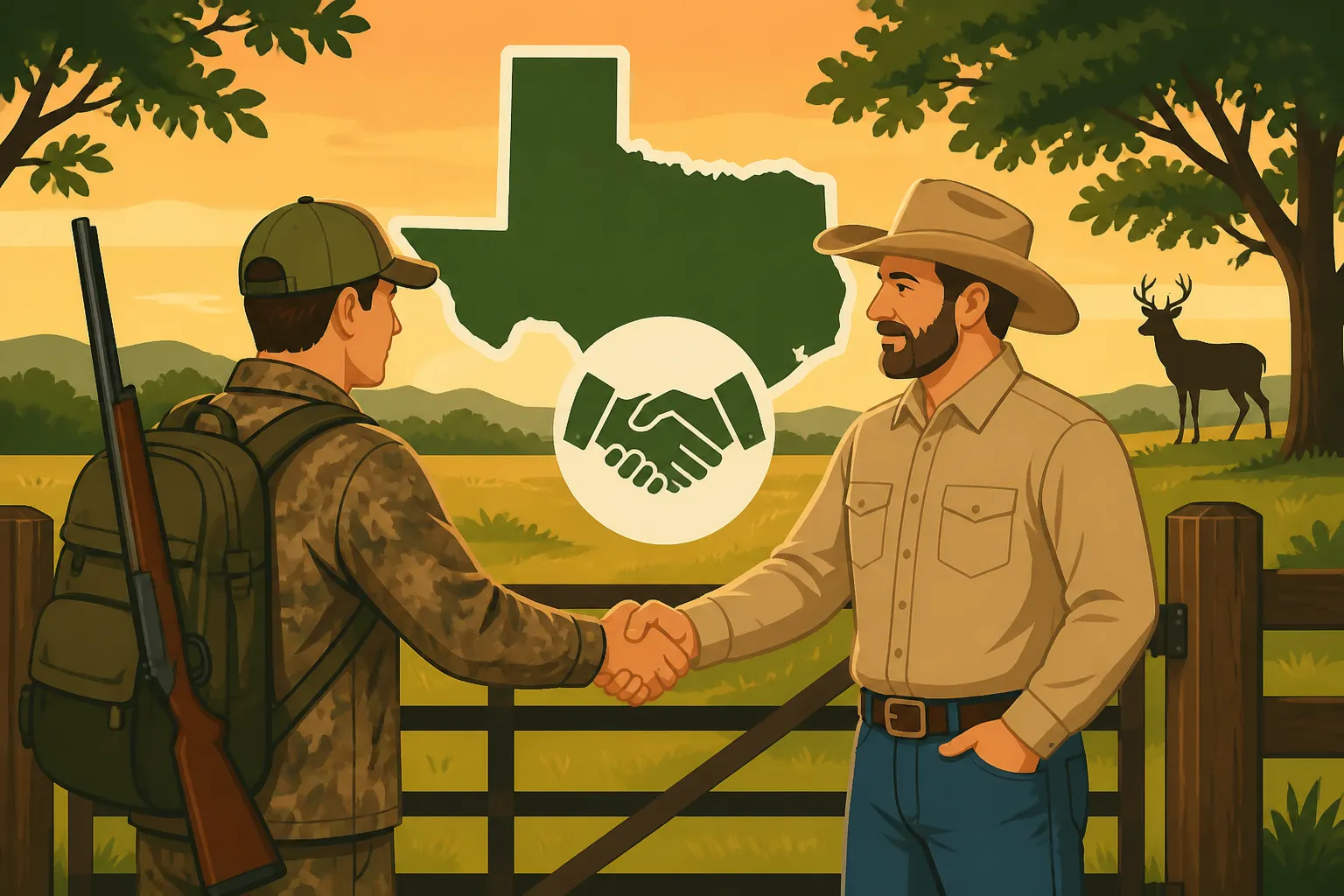
- Compensation: This is a delicate subject, but sometimes landowners expect a nominal fee or a service in exchange for access. Be prepared to discuss this respectfully. It could be a simple handshake agreement for free access, or it could involve a payment, either monetary or in the form of services rendered.
The Importance of a Written Agreement
While a handshake agreement might feel sufficient, especially if you've built a strong rapport, a written agreement is always a smart move for both parties. It formalizes all the discussion points mentioned above, leaving no room for ambiguity down the road. This isn't about distrust; it's about clarity and protection. A written agreement clarifies expectations, defines responsibilities, and provides a clear reference point if any questions or disputes arise.
Moreover, a written agreement can offer legal protection for the landowner. In Texas, landowners are generally protected by recreational use statutes, but a formal permission document further solidifies that the hunter is on the property with explicit consent and under specific conditions. It ensures everyone is on the same page regarding liability, especially concerning hunting accidents or property damage.
Here's a basic table outlining key elements to include in a hunting permission agreement:
| Agreement Element | Description | Why It's Important |
|---|---|---|
| Parties Involved | Full names and contact information of landowner and hunter(s). | Clearly identifies who is bound by the agreement. |
| Property Description | Legal description or clear identification of the property, including acreage. | Defines the exact area where hunting is permitted. |
| Term of Agreement | Start and end dates for hunting access. | Sets clear boundaries for when access is valid. |
| Permitted Species | List of specific animals allowed to be hunted. | Prevents hunting of non-agreed species. |
| Hunting Methods/Weapons | Approved weapons (rifle, bow, shotgun) and hunting techniques. | Ensures safety and adherence to landowner preferences. |
| Access & Vehicle Use | Designated entry points, roads, and parking areas. | Protects roads, gates, and prevents disturbance to livestock/residents. |
| Harvest Limits/Reporting | Any specific bag limits or reporting requirements beyond state regulations. | Aids landowner in game management and ensures communication. |
| Guest Policy | Rules regarding bringing additional hunters or non-hunters. | Manages who is on the property and landowner's liability. |
| Liability Waiver | Statement releasing landowner from liability for accidents or injuries. | Crucial legal protection for the landowner. |
| Rules & Conduct | Expectations for behavior, trash removal, gate closure, fire prevention. | Ensures respectful use of the property and minimal impact. |
| Termination Clause | Conditions under which either party can terminate the agreement. | Provides an exit strategy for both parties if the arrangement isn't working. |
Maintaining the Relationship Post-Hunt
The hunt might be over, but your relationship with the landowner shouldn't be. True sportsmen and sportswomen understand that maintaining this connection is just as important as the hunt itself. Always leave the property in pristine condition, or even better than you found it. Pick up trash that isn't yours, close all gates you open, and report any issues you notice, like downed fences or unusual activity. This attentiveness shows you are a reliable steward of their land.
Consider sending a follow-up thank-you note or making a personal visit a few weeks after the season closes. Offer to help with off-season tasks, perhaps clearing brush around a Best Deer Feeder Setup for Texas or assisting with repairs. This goes a long way in solidifying your position as a trusted partner. A gesture like sharing some processed venison or even a picture of a successful hunt (if they're interested) can reinforce the positive experience. Remember, securing private land access is a long-term investment in a relationship, and consistent effort pays dividends year after year. Whether you're hunting in the Hill Country Deer Hunting in Texas or chasing trophy bucks in the South Texas Deer Hunting: Brush Country Guide, these relationships are priceless.
Alternative Avenues for Private Land Access
If securing a long-term, exclusive permission agreement proves difficult, don't despair! There are other excellent ways to access private hunting land in Texas, offering different levels of commitment and cost.
Day Hunts and Guided Trips
For many hunters, especially those new to Texas or without extensive connections, day hunts or guided trips offer a fantastic way to experience private land hunting without the long-term commitment. Many ranches and outfitters across the state specialize in offering these types of hunts for a variety of species. You can find options for everything from Feral Hog Hunting in Texas: Year-Round Guide to exotic species like Axis deer or Aoudad sheep. These hunts typically include a guide, access to prime hunting areas, and often amenities like lodging or meals.
While more expensive than a free permission agreement, day hunts provide a structured, often highly successful experience. They're a great way to "test the waters" of a particular region or species before making a larger investment. Many hunters use day hunts to fill their freezer or target a specific trophy animal. The upside is that all the hard work of scouting, land management, and landowner relations is handled for you, allowing you to focus purely on the hunt.
Hunting Leases
If you're looking for something more consistent than a day hunt but still within the realm of private land, joining a hunting lease is a very popular option in Texas. A hunting lease involves paying a fee, usually annually, for hunting rights on a private property for an extended period. This can range from a single "gun" spot on a larger lease with multiple hunters to an entire ranch leased by a group of friends.
Leases offer a significant step up in commitment and responsibility compared to day hunts, but they provide much greater autonomy and consistent access. You and your fellow lessees will often manage feeders, blinds, and sometimes even habitat improvements. While finding a good lease can be competitive, it's an excellent way to gain reliable access to quality hunting ground. You'll want to read up on Hunting Leases in Texas: Complete Guide (Cost & How to Find) to understand the ins and outs, including typical costs, responsibilities, and how to navigate the market. It's a fantastic way to build a hunting community and enjoy private land year after year.
Disclaimer
The information provided in this guide is for general informational purposes only and does not constitute legal advice. Hunting regulations and landowner agreements can be complex and vary by specific location and circumstances. Always consult the official Texas Parks and Wildlife Department regulations and seek legal counsel for any specific concerns regarding hunting laws or contractual agreements. Ensure all hunting activities comply with local, state, and federal laws.