Best Snake Boots for South Texas Brush Country
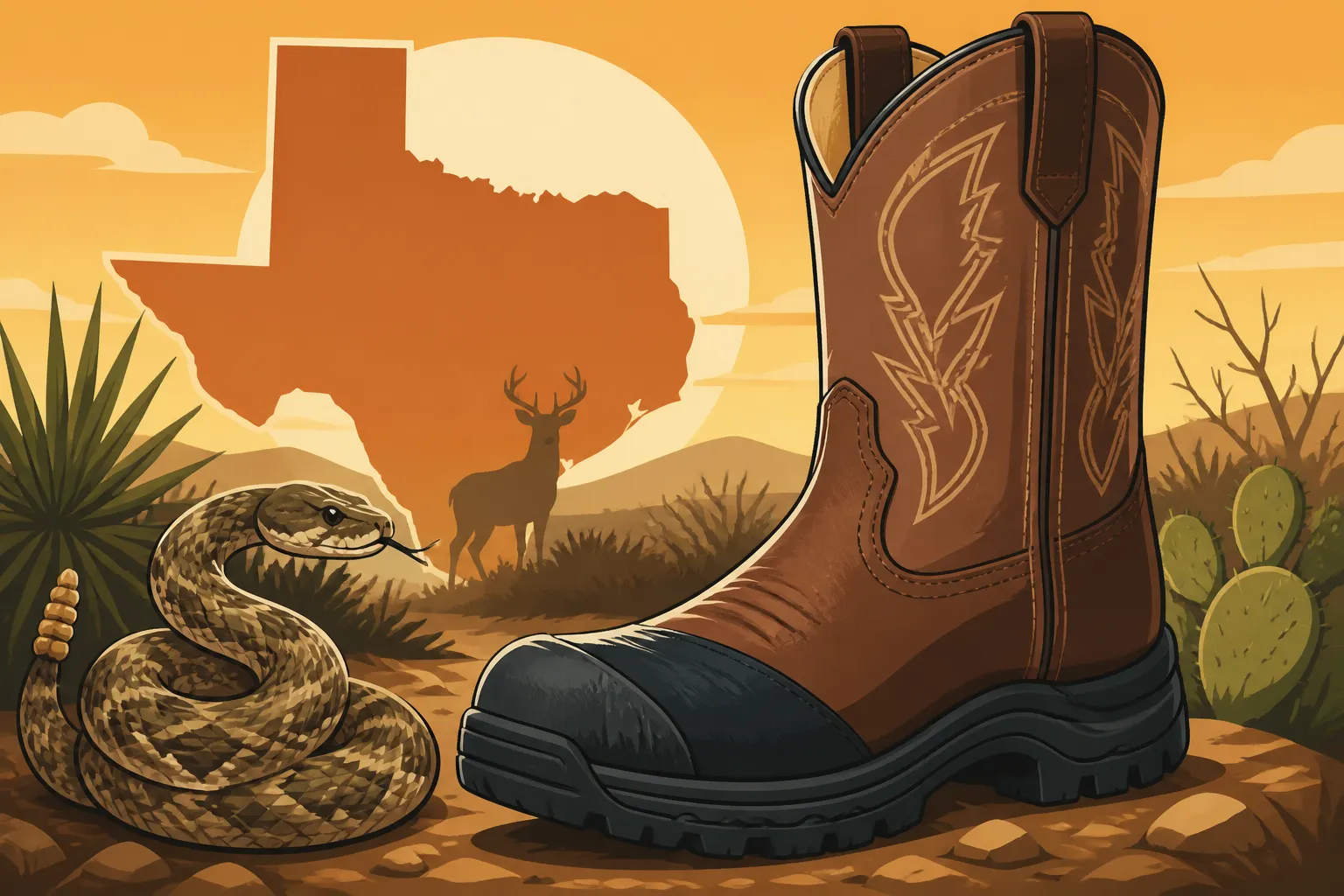
Stepping foot into the vast, unforgiving South Texas brush country for a hunt is an experience unlike any other, but it comes with a unique set of challenges and dangers. One fear that lurks in the back of every hunter's mind, particularly when crashing through dense mesquite and prickly pear, is the sudden, terrifying encounter with a venomous snake. This guide is all about helping you conquer that anxiety by choosing the absolute best snake boots, providing peace of mind and crucial protection for your lower legs as you navigate the rugged terrain.
Why South Texas Brush Country Demands Superior Snake Protection
The South Texas brush country is a wild, beautiful, and often perilous landscape. It's a place where thorns grab, cactus spines pierce, and the ground itself seems intent on making your hunt an exercise in endurance. But perhaps the most insidious threat slithering through this environment is its dense population of venomous snakes. Ignoring this danger is simply not an option, especially if you plan on diving deep into the habitat where trophy bucks and elusive hogs thrive.
Unique Habitat and Its Hidden Dangers
The sheer density of the vegetation in South Texas is what makes it such a hotspot for snakes. Imagine pushing through thick stands of huisache, blackbrush, and guajillo, where visibility is often limited to just a few feet. Every step you take could disturb a rattler coiled under a prickly pear or stretched out across a game trail, soaking up the warmth. The terrain is often uneven, riddled with holes, fallen logs, and rocky outcrops – perfect hiding spots for pit vipers that blend in seamlessly with their surroundings. Unlike more open country, you're rarely afforded a wide view of the ground ahead, making a surprise encounter more likely. This challenging landscape also means that if you do get bitten, getting out quickly and seeking medical attention can be significantly delayed, increasing the stakes.
The sheer unpredictability of where a snake might be lurking, combined with the often-solitary nature of hunting, means that preparedness is your best defense. It's not just about avoiding them; it's about being protected when you inevitably get too close. Whether you're tracking a deer or pursuing Feral Hog Hunting Tactics for Texas, you're constantly encroaching on their territory. The sheer variety of cover, from thorny thickets to sparse grass, means snakes are comfortable just about anywhere, making diligent foot placement and proper gear absolutely critical.
Common Venomous Species in South Texas
Texas is home to an impressive array of wildlife, and unfortunately, that includes four major groups of venomous snakes: rattlesnakes, copperheads, cottonmouths (water moccasins), and coral snakes. In the South Texas brush, rattlesnakes are by far the most prevalent and pose the greatest threat to hunters. The Western Diamondback Rattlesnake is practically synonymous with the region; these formidable snakes can grow quite large and deliver a potent venomous bite. They are often well-camouflaged, and their warning rattle, while distinctive, isn't always given before a strike, especially if they feel cornered or threatened.
Beyond the diamondbacks, you might encounter Mojave Rattlesnakes in some western parts of South Texas, known for particularly potent neurotoxic venom, though they are less common than their diamondback cousins. While copperheads and cottonmouths prefer more timbered or aquatic environments, respectively, you might still cross paths with them in transitional areas or near water sources. Coral snakes, with their distinctive red, yellow, and black bands, are smaller but possess neurotoxic venom that can be extremely dangerous. The key takeaway is that you're not just dealing with one type of snake; you need protection capable of stopping the fangs of any of these species, which can vary in length and biting power.
Knowing your enemy is part of the battle, but even the most knowledgeable hunter can be surprised. A snake boot is not just a piece of gear; it’s a vital layer of defense against a very real, very present danger. Many hunters, myself included, have had those heart-stopping moments when a rattlesnake buzzes just feet away, reminding you exactly why you invested in that protection. When you're spending hours in the field, sometimes far from any vehicle or aid, that peace of mind is invaluable.
Essential Features to Look for in Snake Boots
Choosing the right snake boots isn't just about picking the first pair you see; it's about understanding the specific features that will keep you safe and comfortable in the challenging South Texas environment. Durability, protection, and functionality are paramount.
Height and Coverage for Maximum Safety
One of the most critical aspects of a snake boot is its height. For the South Texas brush country, you need boots that come up high on your calf, ideally reaching just below the knee. Most snake bites occur on the lower leg and ankle, so ample coverage is non-negotiable. Look for boots that are at least 16-18 inches tall. While lower boots might feel less cumbersome, they simply don't offer the necessary protection when you're pushing through tall grass, thorny bushes, or climbing over obstacles where a snake might be coiled at an unexpected height.
Consider that a striking snake can often reach a distance equivalent to about half its body length. A five-foot Western Diamondback can strike two to three feet. If you're wearing boots that only come up to mid-calf, your upper calf and knee are still vulnerable. The extra height also provides better protection against thorns, cactus, and other sharp vegetation that's abundant in the brush. It's a trade-off in terms of flexibility and weight, but the added safety is well worth it. Think of it as an insurance policy for your legs; you hope you never need it, but you'll be profoundly grateful if you do.
Puncture Resistance and Material Integrity
The core purpose of a snake boot is to prevent snake fangs from penetrating your skin. This means the materials and construction must be incredibly puncture-resistant. Modern snake boots typically achieve this through several layers of tightly woven fabric, often synthetic, or by using durable, thick leather. Some boots incorporate ballistic nylon, Cordura, or proprietary materials specifically designed to withstand a snake bite. It's not just about one layer; it's the combination of materials and how they're layered and stitched that creates an impenetrable barrier.
When evaluating puncture resistance, don't just consider the main shaft of the boot. Pay attention to the footbed, the tongue, and any zippered or laced areas. These can sometimes be weaker points if not properly reinforced. A good snake boot will have consistent protection throughout the entire protected area. You want to feel confident that if a snake strikes, its fangs will slide off or be stopped dead in their tracks, not find a weak spot. It’s a very real concern for hunters in South Texas where rattlesnakes are plentiful and often large.
Sole Grip and Stability for Uneven Terrain
Beyond snake protection, the sole of your boot plays a crucial role in your overall hunting experience, especially in the varied terrain of the brush country. You’ll be walking on loose soil, rocks, thorny patches, and potentially slippery wet areas after a rain. A robust outsole with aggressive tread patterns is essential for maintaining traction and stability. Look for deep lugs that can dig into soft ground and provide grip on inclines or declines.
A stable sole also helps prevent ankle twists and falls, which can be just as debilitating as a snake bite in remote areas. A well-designed sole will also offer good arch support and shock absorption, reducing fatigue during long days of walking. Brands like Lacrosse and Rocky often incorporate advanced sole technologies into their snake boot lines, offering options that balance protection with reliable footing. While a great sole won't protect you from fangs, it will make your journey through the brush safer and more comfortable, allowing you to focus on the hunt.
Understanding Snake Boot Materials and Construction
The effectiveness and comfort of snake boots heavily depend on the materials used and how they are put together. Manufacturers employ various strategies to create a product that is both impenetrable to fangs and tolerable for long treks in warm climates.
Leather and Synthetic Blends
Historically, thick leather was the primary material for protective boots, and it still holds a place in many designs. Full-grain leather is incredibly durable and, when thick enough, offers a good degree of protection. However, leather can be heavy, less breathable, and requires more break-in time. Modern snake boots often utilize a combination of leather and advanced synthetic materials. These synthetic blends, such as tightly woven nylons, Cordura fabrics, and various proprietary weaves, are designed to be extremely tough and puncture-resistant, often surpassing traditional leather in their protective capabilities while reducing weight.
Many boots will feature leather on the lower foot portion for its durability and water resistance, transitioning to synthetic panels on the upper shaft for flexibility and breathability. This hybrid approach aims to give you the best of both worlds: the ruggedness of leather where it counts for abuse and the lighter, more flexible protection of synthetics for the tall upper. For hunters spending hours stalking through the South Texas mesquite, this balance is crucial. You want something that can take a beating from the thorns and brush, but won't feel like you're lugging cinder blocks on your feet by the end of the day.
Specialized Snake-Proof Fabrics
The real innovation in snake protection comes from specialized fabrics. Companies like Turtleskin have developed advanced weaves of high-strength fibers that are incredibly light yet offer exceptional puncture resistance. These materials are often integrated as a protective liner or external layer within the boot shaft. The key to these fabrics is their tight weave, which prevents a snake's fangs from finding a path through the material. Imagine trying to push a needle through a tightly woven steel mesh – that's the principle at play.
These cutting-edge materials are what allow modern snake boots to be lighter and more flexible than their bulky predecessors. They reduce the overall weight, making for a more comfortable experience, particularly when you're covering many miles. While these specialized fabrics can sometimes increase the cost of the boots, the enhanced protection and reduced fatigue they offer are often considered a worthwhile investment by serious hunters. When you're deep in the brush and hear that tell-tale rattle, you'll be glad for every ounce of engineered protection your boots provide.
Comfort and Fit: More Than Just Protection
While protection is the primary goal of snake boots, don't underestimate the importance of comfort and fit. An uncomfortable boot can ruin a hunt just as quickly as a fear of snakes, leading to blisters, fatigue, and distractions that take your focus away from the game.
Weight and Breathability for Texas Summers
Texas hunting seasons, especially early in the year or during Dove Hunting Tactics: Field Setup & Shooting in September, often mean dealing with scorching temperatures. Heavy, unventilated boots can quickly lead to overheated, sweaty feet, which is a recipe for discomfort and blisters. Look for boots that are designed with weight reduction and breathability in mind. Many manufacturers incorporate mesh panels or moisture-wicking liners to help air circulate and pull sweat away from your skin.
While snake-proof materials by nature tend to be less breathable than standard hiking boot fabrics, reputable brands strive to find a balance. Some boots feature side zippers, which can offer a bit more ventilation when unzipped during breaks, though you'll want them fully secured when actively moving through snake habitat. The overall weight is also a significant factor; lighter boots reduce leg fatigue, allowing you to hunt longer and more effectively. Nobody wants to hobble back to camp with aching feet, so scrutinize reviews for comments on weight and breathability, especially from those hunting in similar hot climates.
Proper Sizing and Break-In Period
Getting the right size is absolutely crucial for comfort and preventing issues like rubbing and blisters. Don't assume your snake boot size will be exactly the same as your regular shoe size; always try them on with the type of socks you'll wear while hunting. Pay attention to the fit around your ankle and calf; you want them snug enough to prevent excessive movement, but not so tight that they restrict circulation. Remember that thick hunting socks will take up space.
Some snake boots, especially those with significant leather components, will require a break-in period. Don't wait until the day before your hunt to wear them for the first time. Wear them around the house, on short walks, and gradually increase the duration to allow the materials to soften and conform to your feet. This prevents hot spots and ensures comfort when you're putting in those long miles on your South Texas Deer Hunting: Brush Country Guide excursion. Investing time in breaking in your boots is just as important as the investment you make in purchasing them.
Top Snake Boot Options for the Texas Hunter
When it comes to outfitting yourself with snake protection suitable for the formidable South Texas brush, a few brands consistently rise to the top, offering a balance of protection, comfort, and durability. While many options exist, these tend to be hunter favorites.
Leading Brands and Specific Models
Lacrosse is a name many Texas hunters trust, particularly their rubber snake boots. Models like the Venom Scent APG HD or Alpha Snakeboot are incredibly popular. These boots are often lauded for their 100% waterproof protection, which is a huge plus when crossing wet areas or hunting after a rain. Their rubber construction provides excellent snake protection and generally requires minimal break-in time. However, rubber can be less breathable, making them potentially warmer in the peak of summer, but fantastic for cooler months or situations where waterproofing is critical. They tend to be durable and offer good traction.
Another strong contender is Rocky Boots, with their ProLight Snake Boots or the Lynx Snake Boot. Rocky often combines full-grain leather with Cordura nylon, striking a balance between traditional durability and modern lightness. Many hunters appreciate the comfort and fit of Rocky boots, finding them more akin to a hiking boot than some bulkier rubber options. They usually come with features like EVA midsoles for cushioning and aggressive outsoles for grip. When discussing gear in hunting communities, especially platforms like the GoHunt forums, Rocky boots frequently come up in conversations for their reliability in varied terrain.
Then there are brands like Dryshod, gaining popularity for their incredibly comfortable and often more affordable rubber snake boots, like the Reaper Snakeboot. Dryshod focuses heavily on comfort and temperature regulation within their rubber designs, which can be a game-changer for long days afield. For those who prefer a more traditional look and feel, Chippewa offers incredibly well-made leather snake boots, often with a taller shaft and robust construction, although they might come with a higher price tag and a longer break-in period.
Comparing Features and Best Use Cases
Let’s break down some of the key differences to help you decide:
| Feature/Brand | Lacrosse (Rubber) | Rocky (Leather/Synthetic) | Dryshod (Rubber) | Chippewa (Leather) |
|---|---|---|---|---|
| Material | Rubber/Neoprene | Leather/Cordura Nylon | Rubber/Neoprene | Full-Grain Leather |
| Waterproof | Excellent | Good (depending on model) | Excellent | Good |
| Breathability | Lower | Moderate | Moderate-Good | Lower |
| Weight | Moderate-Heavy | Moderate | Moderate | Heavy |
| Break-in | Minimal | Moderate | Minimal | Extensive |
| Protection | Very High | Very High | Very High | Very High |
| Best For | Wet conditions, cooler weather, quick on/off | All-around hunting, comfort on long walks | All-around, comfort, good for colder temps | Traditionalists, maximum durability |
For someone specifically hunting White-Tailed Deer Hunting in Texas: Complete Guide in the South Texas brush, often involving long walks and sitting in a blind, a boot that balances protection with comfort is key. The Rocky ProLight or a similar leather/synthetic blend might be ideal for its reduced weight and flexibility compared to a full rubber boot, especially if you're not anticipating extensive wading. However, if your lease has significant marshy areas or you hunt immediately after heavy rains, a fully waterproof rubber option like the Lacrosse Venom could be a lifesaver.
When considering options, don't forget to factor in how they pair with other gear. If you're going Bowhunting in Texas: Archery Season Guide, you might prioritize a lighter boot for silent movement. For beginners seeking Best Hunting Gear for Beginners in Texas, a versatile, mid-range option from Rocky or Lacrosse offers a solid entry point without breaking the bank. Always read recent reviews and, if possible, try on different models to see how they feel on your feet.
Maintaining Your Snake Boots for Longevity
Investing in a good pair of snake boots is just the first step. To ensure they continue to protect you season after season, proper maintenance and care are essential. Neglecting your boots can lead to material degradation, reduced protection, and premature wear, leaving you vulnerable in the field.
Cleaning and Storage Best Practices
After a long day in the South Texas brush, your boots will inevitably be covered in mud, dust, and maybe even some cactus spines. Don't just toss them in the corner of your garage. Take the time to clean them properly. For rubber boots, a simple rinse with water and a mild soap is usually sufficient. Use a soft brush to remove any stubborn dirt from the tread and upper. For leather and synthetic boots, wipe them down with a damp cloth to remove surface grime. For deeply embedded dirt, a specialized boot cleaner might be necessary. Always allow your boots to air dry completely at room temperature, away from direct sunlight or heat sources, as extreme heat can cause materials to crack or warp.
Proper storage is also crucial. Keep your boots in a cool, dry place where they won't be exposed to extreme temperatures or humidity. Avoid storing them in direct sunlight for extended periods, as UV rays can degrade synthetic materials and rubber over time. If you won't be using them for several months, consider using boot trees or stuffing them with newspaper to help them retain their shape and prevent creasing, which can lead to material fatigue. A little effort after each hunt goes a long way in extending the life of your valuable protective gear.
Regular Inspection for Wear and Tear
Before and after each hunting season, or even more frequently if you're a regular in the brush, take the time to thoroughly inspect your snake boots for any signs of wear and tear. Pay close attention to the most vulnerable areas: the seams, zippers, and the junction where the upper meets the sole. Look for any punctures, tears, or excessive abrasion that could compromise the snake-proof integrity. Even small nicks or cuts could potentially weaken the material enough for a snake fang to penetrate.
Check the soles for excessive wear, especially around the heel and ball of the foot. Worn-down tread not only reduces traction but can also indicate areas where the protective layers might be thinning. Inspect zippers to ensure they operate smoothly and don't show signs of splitting or damage. For lace-up boots, check the laces and eyelets for fraying or damage. If you notice any significant damage, it's wise to consider repair or replacement. A compromised snake boot is no longer a reliable piece of protective equipment. Sometimes, a minor tear can be patched, but if the structural integrity of the snake-proof material is compromised, it’s not worth the risk. Your safety is paramount, and a diligent inspection routine helps ensure your boots are always ready for the field.
Disclaimer
Hunting is an inherently dangerous activity. While snake boots significantly reduce the risk of snake bite, no boot can guarantee 100% protection from all types of venomous snakes or all possible strike scenarios. Always remain vigilant, be aware of your surroundings, and seek immediate medical attention if a snake bite occurs, regardless of whether you believe the boot was penetrated. This guide is for informational purposes only and should not replace professional medical advice or official hunting regulations from the Texas Parks and Wildlife Department.