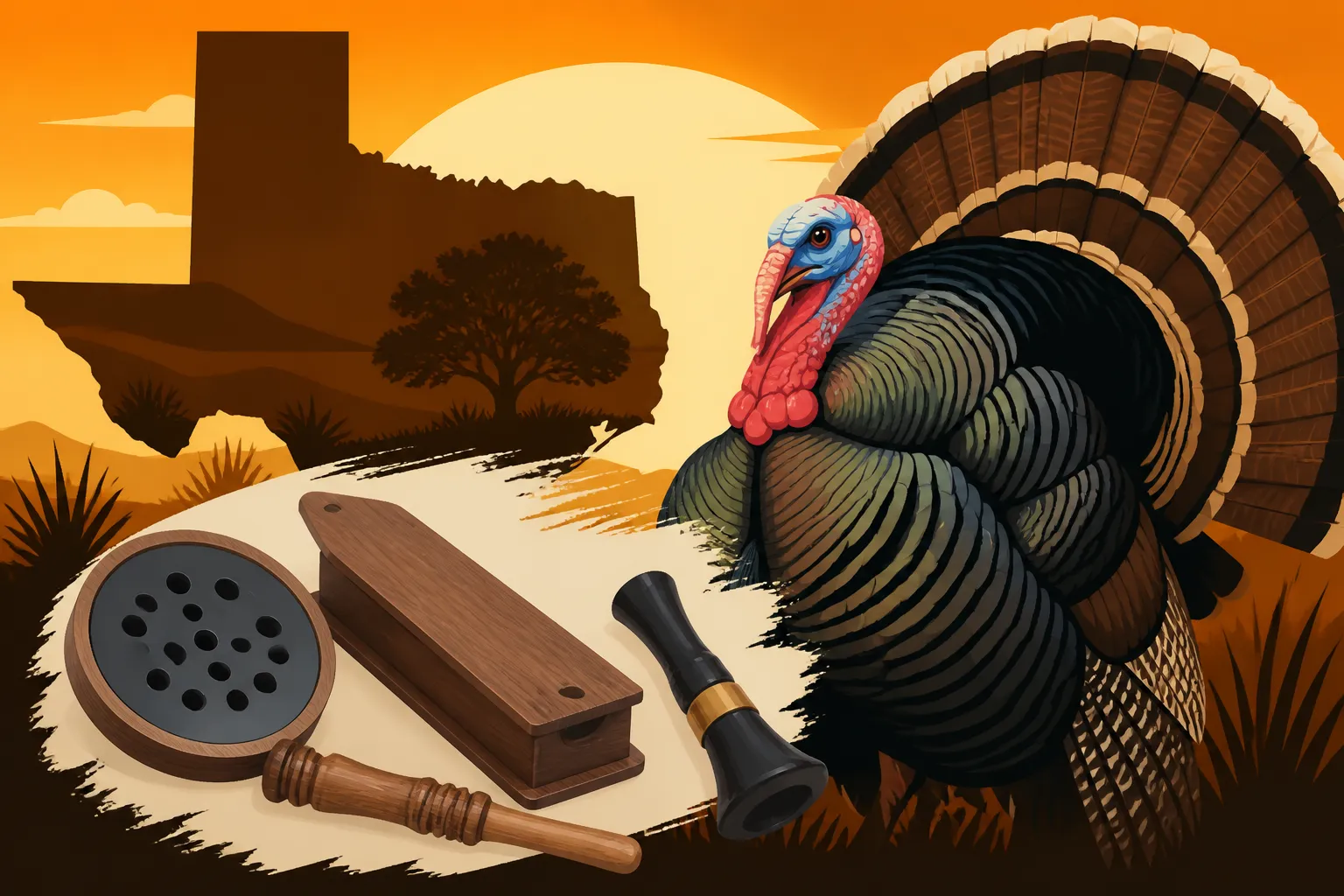
Best Turkey Calls for Rio Grande Turkeys
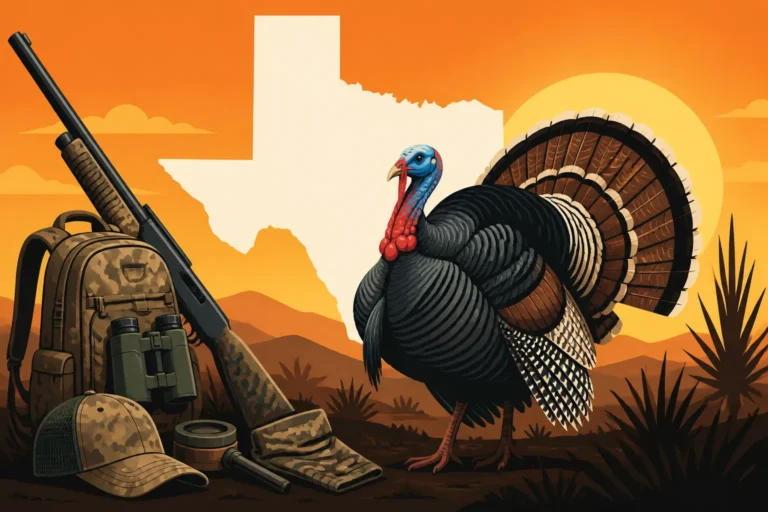
It's incredibly frustrating, isn't it? You spend hours scouting, set up perfectly, and those wily Rio Grande gobblers just seem to ignore your best efforts or hang up infuriatingly out of range. Texas Rio Grande turkeys have a knack for being responsive one minute and completely silent the next, often leaving hunters scratching their heads. This comprehensive guide is dedicated to dissecting the world of turkey calls specifically tailored for these smart birds, helping you choose the right tools and master the techniques to consistently bring those longbeards strutting into your spread.
The Unique Challenge of Rio Grande Turkeys in Texas
Hunting Rio Grande turkeys in Texas presents a unique set of challenges that can make traditional turkey calling strategies feel a bit off. Unlike their Eastern cousins in denser woodlands, Rios often inhabit more open, expansive terrain, from the sprawling ranches of South Texas to the rugged landscapes of the Hill Country and the Cross Timbers. This open country means they can see you from a mile away, and they have more space to roam, making them less predictable.
Adapting to Open Terrain and Group Dynamics
One of the biggest hurdles with Rio Grandes is their tendency to be less isolated. You'll often find them in large groups, especially during the spring mating season, and they love to hang out with their hens. When a gobbler is surrounded by his ladies, coaxing him away with a call is a completely different ballgame than calling a lonesome tom. He's got all the "company" he needs right there, and he's not usually keen on leaving it. This often means you're not just calling to a gobbler, but trying to convince an entire flock of hens that your setup is the best place to be. The sheer visibility in regions like the Texas Panhandle also means your calling needs to be realistic and your setup impeccable, because they'll likely see the "hen" they're responding to.
The Impact of Hunting Pressure
Texas is a popular hunting destination, and Rio Grande turkeys, especially on public lands or heavily leased private properties, experience significant hunting pressure. This pressure makes them extremely wary. They've heard every cutting, yelping, and gobbling sound imaginable, and they've likely learned to associate certain sounds with danger. A call that might work wonders in a remote, unpressured area could get you completely ignored, or worse, send a seasoned tom running for the hills in a more heavily hunted zone. This means your calling needs to be nuanced, varied, and, at times, incredibly subtle. Understanding the local birds and their habits becomes paramount, and a resource like GoHunt can be invaluable for understanding regional patterns and scouting effectively.
Essential Turkey Calls for Rio Grandes
When it comes to calling Rio Grande turkeys, having a diverse arsenal of calls is crucial. No single call is a magic bullet for every situation. You'll want to be prepared to make various sounds, from soft tree yelps to aggressive gobblers, to effectively communicate with these birds.
Diaphragm Calls: Versatility in a Small Package
Diaphragm calls, also known as mouth calls, are arguably the most versatile calls you can carry. They allow you to produce a wide range of turkey vocalizations—yelps, clucks, purrs, cuts, cackles, and even gobblers—all hands-free. This hands-free operation is a massive advantage when a bird is coming in, allowing you to remain still, gun shouldered, and ready for the shot.
Learning to use a diaphragm call takes practice, but the investment is well worth it. You place the call on the roof of your mouth and push air across it with your tongue. Different reeds and cuts produce different tones. For Rio Grandes, you'll want to focus on clear, crisp yelps and soft purrs. Often, a lighter, less aggressive call is more effective with pressured Rios. Start with a single or double-reed call if you're a beginner, then explore triple-reeds or batwing cuts for more raspy tones and volume once you get the hang of it. Many seasoned hunters swear by models from Zink Calls or Primos for their reliable performance and durability in the field.
Pot Calls: Consistent and Realistic Sounds
Pot calls, often called slate calls (though they can be made of slate, glass, aluminum, or copper), are fantastic for producing realistic, consistent turkey sounds. They consist of a pot with a striking surface and a striker (usually made of wood or carbon). By drawing the striker across the surface in various patterns, you can mimic yelps, purrs, and clucks with relative ease.
Pot calls are excellent for beginners because they are forgiving and produce great sound with minimal practice. For Rio Grandes, a good slate or glass surface often provides the clear, sharp yelps that can really grab a gobbler's attention. I often use a slate call for my initial "greeting" yelps, especially when trying to locate a bird early in the morning. A great feature of pot calls is the ability to vary the pitch and tone by using different strikers or changing pressure. This allows for fine-tuning your calls, which is essential for wary birds. Consider carrying a couple of different strikers to get varied sounds from the same pot.
Box Calls: Loud, Clear, and Easy to Use
Box calls are probably the easiest turkey calls to learn and operate, making them a perennial favorite for many hunters, especially those new to the game. They produce loud, clear yelps that carry well over long distances, which is incredibly useful for locating birds in those open Texas environments. A box call typically consists of a hollow wooden box with a lid that pivots. When you drag the lid across the lip of the box, it creates a friction sound.
The best box calls for Rio Grandes will often have a higher pitch and a crisp sound. They're excellent for loud "fly-down" cackles or aggressive cutting sequences to try and elicit a shock gobble. While they're easy to use, you can also develop a lot of nuance with a box call by varying the pressure, speed, and angle of your stroke. The main drawback is that they require two hands, which can be tricky when a gobbler is closing the distance. However, for getting a distant tom's attention, especially early in the morning or mid-day, they are unbeatable. Brands like Lynch and Quaker Boy have been making reliable box calls for decades, and their craftsmanship is evident in the quality of sound.
Locator Calls: The Secret Weapon for Finding Birds
Locator calls aren't meant to sound like a turkey. Instead, they mimic other animals that might cause a gobbler to "shock gobble" – essentially, making him gobble in response to an unexpected loud noise. This helps you pinpoint his location without sounding like a threat or over-calling with turkey sounds.
Common locator calls include owl hoots, crow calls, and coyote howls. For Texas Rios, especially in areas with a healthy predator population, a coyote howler can be incredibly effective. Early morning, just before fly-down, is prime time for an owl hoot. Later in the morning, a crow call can work wonders. I’ve even had success with a hawk scream or a peacock call on some leases where those birds are present. The key is to make a realistic, loud sound that will annoy or startle a gobbler into revealing his position. Use these calls sparingly, though; you don't want to alert other hunters or nearby animals to your presence unnecessarily. You can also explore options like a "Best Coyote Calling at Night in Texas" strategy to combine your hunting methods, but for turkey, the locator call is purely about pinpointing.
Mastering the Art of Calling Rio Grande Turkeys
Having the best calls in your vest is only half the battle. Knowing when and how to use them effectively is what truly makes the difference between going home empty-handed and tagging a big gobbler. Rio Grandes respond differently than other subspecies, and adjusting your tactics is key.
Reading the Bird: Soft vs. Aggressive Calling
One of the biggest mistakes hunters make with Rio Grandes is over-calling, or calling too aggressively, especially on pressured birds. Sometimes, less is more. If a gobbler is responding but hanging up, try backing off your calls entirely for a few minutes. Let him wonder where you went. Often, a softer, more subtle approach will draw him in. A series of soft clucks and purrs on a slate call, or even just a few quiet yelps on a diaphragm, can often be more convincing than loud, excited cuts.
Conversely, if you're dealing with a dominant gobbler who's surrounded by hens and strutting his stuff, you might need to get aggressive. Mimic a "boss hen" with loud, sharp cuts and insistent yelps to try and challenge the real hens, hoping they'll drag the gobbler closer to investigate. It's a delicate balance, and often, the local birds will tell you what they prefer. Pay close attention to their responses (or lack thereof) and adjust accordingly. This kind of nuanced understanding comes with experience, but platforms like GoHunt can provide regional insights to help you prepare.
| Call Type | Best For | Pros | Cons |
|---|---|---|---|
| Diaphragm | Versatile, close-in, soft calls | Hands-free, wide range of sounds, portable | Hard to learn, can cause gag reflex |
| Pot/Slate | Realistic yelps, purrs, clucks | Easy to learn, consistent sounds, good volume | Two hands needed (mostly), can get wet/ruined |
| Box Call | Loud locator, aggressive yelps | Very easy to use, excellent volume, durable | Two hands needed, less subtle, can alert |
| Locator | Pinpointing distant gobblers | Non-turkey sounds, effective for shock-gobble | Not for enticing birds, can spook other game |
Setting Up for Success: Location, Location, Location
Your calling technique won't matter if your setup isn't right. Rio Grandes, given their open habitat, are masters of "hanging up" – stopping just out of range because something doesn't look or feel right. Always try to set up with natural cover behind you to break up your silhouette, and make sure you have a clear shooting lane in front. Positioning yourself where a gobbler has to cross a fence, a dip in the terrain, or even a small creek can often force him into a more exposed position.
Consider using decoys. A jake and hen decoy setup can be incredibly effective at drawing in dominant gobblers, especially if they can see the decoys from a distance. Just make sure the decoys are visible but not too far away from your calling position. Sometimes, just a single hen decoy is all it takes to convince a wary gobbler to commit the last few yards. Remember that "Deer Hunting in Texas: Feeders, Blinds & Tactics" often emphasizes the importance of good placement, and the same principle applies here. Your blind or cover choice, whether it's a natural brush blind or a portable pop-up, is critical for concealment.
Timing Your Calls Throughout the Day
The time of day significantly influences how you should call. Early morning, just as the sky begins to lighten, is prime time for locator calls and fly-down cackles. A loud owl hoot or crow call can get a roosted gobbler to announce his position. Once he's on the ground, switch to soft tree yelps and then a fly-down cackle to simulate a hen flying off the roost.
Mid-morning to early afternoon, when gobblers might be with hens or moving between strutting zones, is a good time for more general yelps and clucks. Don't be afraid to take a walk and try to strike a bird in a new area. As the afternoon progresses, aggressive calling might stir up a gobbler that's lost his hens or is looking for a last chance before heading back to roost. Understanding the local patterns for "Best Time of Day to Hunt Whitetail in Texas" also has parallels with turkey hunting – consistent observation helps you predict movement.
Practice Makes Perfect: Fine-Tuning Your Turkey Calling Skills
Like any skill, turkey calling requires practice. You wouldn't expect to hit a bullseye on your first shot, and you shouldn't expect to perfectly mimic a hen on your first attempt at a diaphragm call either. Consistent practice, even when it's not hunting season, will dramatically improve your success rate.
Drills and Exercises for Each Call Type
For diaphragm calls, start by just trying to make a sound, any sound. Then, work on a clear cluck. Once you have that, try to string a few clucks together to make a yelp. Practice varying the length and tone of your yelps. The goal is to make it sound natural, not mechanical. Many instructional videos online can provide visual cues and sound examples to guide your progress.
With pot calls, focus on smooth, consistent strokes. Practice purrs by barely touching the striker to the surface and making small circles. For yelps, vary the pressure and speed. Try mimicking actual turkey sounds you hear on recordings. For box calls, experiment with different pressures and speeds to get varying tones and pitches. Practice the loud, attention-grabbing yelps, as well as softer, more subtle ones. Remember, it's not just about making noise; it's about making realistic noise.
Listening to Real Turkeys and Recordings
One of the best ways to improve your calling is to listen to actual Rio Grande turkeys. If you have the opportunity, spend time in the field just observing and listening to their vocalizations. Pay attention to the cadence, pitch, and emotion in their calls. How do the hens yelp when they're excited? What does a contented purr sound like? How about an alarm putt?
There are also countless recordings of real turkeys available online. Listen to these frequently. Try to mimic what you hear exactly. Record yourself calling and compare it to the real thing. This self-correction loop is incredibly powerful for refining your technique. The more you immerse yourself in the authentic sounds of the wild, the more convincing your own calls will become. This also helps you understand the nuances of things like Turkey Calling & Tactics for Texas Rios.
Seeking Feedback and Mentorship
Don't be afraid to ask for feedback from experienced turkey hunters. Many seasoned veterans are happy to share their knowledge and offer constructive criticism. Join local hunting clubs or online forums where you can interact with other turkey enthusiasts. Sometimes, just hearing someone else's calls or getting a tip on how they hold their diaphragm call can unlock a breakthrough in your own technique.
Consider attending a turkey hunting seminar or clinic. Many outdoor stores or conservation organizations host these events, providing hands-on instruction. The Texas Parks and Wildlife Department often has resources or events that can connect you with experienced hunters. Learning from others and actively seeking to improve will not only make you a better caller but also a more confident and successful hunter. When you're ready to put those skills to the test, remember guides like How to Hunt Rio Grande Turkey in Texas Step by Step will cover your whole hunt.
Gear Up: Essential Calling Accessories
Beyond the calls themselves, there are a few other accessories that can significantly enhance your turkey calling game, especially when chasing those clever Rio Grandes in Texas. Having the right support gear can make your hunting experience much smoother and more effective.
Call Maintenance and Care
Your calls are tools, and like any tool, they need proper maintenance to perform their best. For diaphragm calls, rinsing them with water after each use and allowing them to air dry will keep them sanitary and extend their lifespan. Store them in a protective case to prevent damage to the reeds.
Pot calls require the most attention. The surfaces need to be conditioned regularly to maintain friction. For a slate call, use sandpaper or a conditioning stone to scuff the surface. Glass and aluminum calls also have specific conditioning requirements, often involving fine grit sandpaper or a specialized pad. Always keep your strikers clean and dry. Many hunters carry a small piece of sandpaper or a conditioning pad in their vest specifically for this purpose. A dedicated call caddy or box will protect your pot calls and strikers from moisture and damage.
The Turkey Vest: Your Mobile Command Center
A well-organized turkey vest is absolutely critical. It's not just about carrying your calls; it's about quick access and comfortable storage of all your essentials. Look for a vest with multiple pockets, ideally some with silent closures like magnets instead of noisy Velcro. You'll want dedicated pockets for your box call, slate calls (with dividers to keep them from clanking), and small pockets for diaphragm calls and strikers.
Beyond calls, your vest should hold your shotgun shells, water, snacks, a headlamp, a small first-aid kit, and perhaps even a seat cushion. Some vests, like those from ALPS OutdoorZ or Primos, come with integrated kickstands or comfortable back pads, which are a lifesaver during those long waits. A good vest allows you to move silently and efficiently, keeping everything you need at your fingertips without fumbling around. For those planning a season in Texas, considering the "Best Gear for Rio Grande Turkey Hunting in Texas" will often start with a quality vest.
Decoys and Camouflage: Completing the Deception
While not strictly "calling" accessories, decoys and proper camouflage are integral to a successful calling strategy, especially with the sharp eyes of Rio Grandes. A good set of realistic hen and jake decoys can dramatically increase your chances of pulling in a gobbler that's hanging up. Make sure your decoys are lightweight and easy to deploy and retrieve. Brands like Avian-X and Primos make excellent, realistic decoys that pack down small.
As for camouflage, blending into the varied Texas landscape is key. From the thick brush of South Texas to the Post Oak Savannah, you need patterns that break up your outline effectively. Early season in Texas can be warm, so lightweight, breathable camo is a must. Remember, turkeys have excellent eyesight, so movement is your biggest enemy. Even slight movements while working a call can spook a wary gobbler. Full-face masks and gloves are non-negotiable for maximum concealment.
Ultimately, hunting Rio Grande turkeys in Texas is a fantastic challenge that combines skill, patience, and a deep understanding of these magnificent birds. By investing in a diverse set of quality calls, consistently practicing your techniques, and rounding out your gear with essential accessories, you'll be well on your way to enjoying more successful hunts and hearing those exhilarating gobbles ring through the Texas air. Don't forget to check out Texas Turkey Season 2026: Spring & Fall Zones to plan your next adventure.
Disclaimer
Hunting regulations and seasons can change. Always consult the latest Texas Parks and Wildlife Department Outdoor Annual or website for current rules, regulations, and season dates before heading out into the field. This guide is for informational purposes only and does not supersede official regulations.