How to Hunt Rio Grande Turkey in Texas (Step by Step)
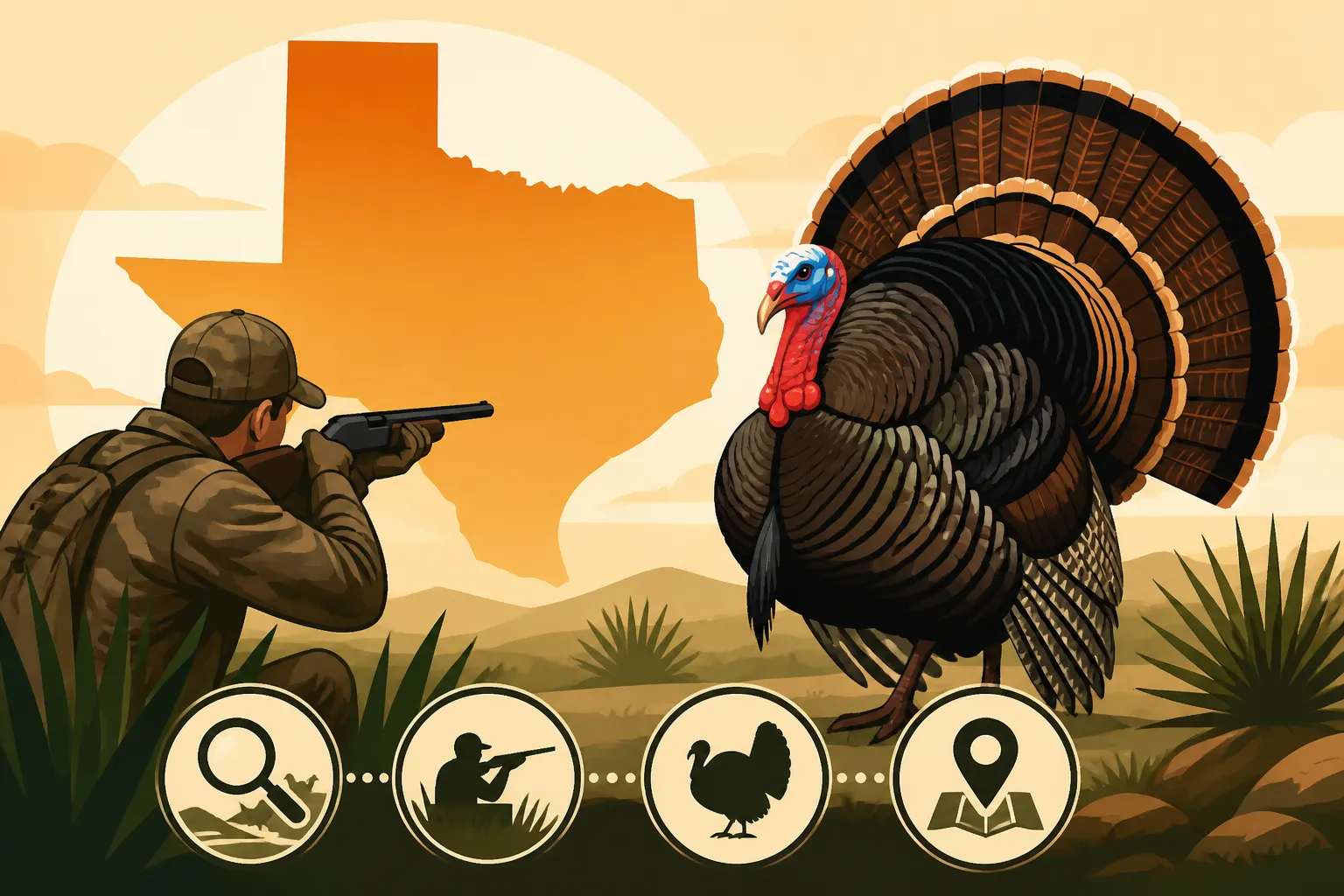
Hunting Rio Grande turkeys in Texas is a dream for many, but for those new to the game, or even seasoned hunters trying to figure out these wily birds, it can feel like you're trying to solve a complex puzzle. Their keen eyesight, sharp hearing, and tendency to gobble like crazy one minute and go silent the next can leave you scratching your head. This comprehensive guide is designed to break down the art and science of pursuing Rio Grande turkeys across the vast landscapes of Texas, offering a step-by-step approach to increase your odds of success.
Understanding the Rio Grande Turkey in Texas
Before you even think about setting up a blind or letting out a call, it's crucial to understand the magnificent creature you're pursuing. Rio Grande turkeys are a distinct subspecies, thriving in the diverse habitats across Texas, and they have their own unique quirks that differ from their Eastern or Merriam's cousins.
Their Habits and Behaviors
Rio Grande turkeys are creatures of routine, yet masters of unpredictability. They spend their nights roosting in tall trees, often near water sources or in dense stands that offer protection from predators. As the sun begins to lighten the eastern sky, they'll pitch down, ready to begin their daily foraging. Their day typically revolves around finding food – insects, seeds, berries, and grasses – and, during the spring breeding season, the Toms (gobblers) are singularly focused on attracting hens. This is where their famous gobbling comes into play. They'll strut, fan their tails, and gobble to announce their presence and dominance, but don't be fooled; they can go from vocal to silent in a heartbeat, especially if they feel pressure or sense danger. Understanding this cycle of roosting, foraging, and breeding is your first step in predicting their movements. Often, they travel in groups, particularly during the fall and winter, but in the spring, the toms become more solitary as they seek to establish their breeding territories.
Prime Texas Habitats
Texas is a massive state, and Rio Grande turkeys have made themselves at home in a variety of regions. You'll primarily find them thriving in the Edwards Plateau, the Rolling Plains, and parts of South Texas. The Edwards Plateau, often referred to as the Hill Country, is arguably the most famous for Rio Grande turkeys, boasting robust populations. Here, they favor open woodlands of Ashe juniper, live oak, and mesquite, interspersed with pastures and agricultural fields. The Rolling Plains, characterized by mesquite, hackberry, and native grasses, also holds significant numbers of birds. Even in the slightly more arid South Texas brush country, turkeys adapt to the dense cover and scattered water sources. Knowing the specific habitat types they prefer – areas with good roost trees, abundant food sources, and readily available water – will help you narrow down your scouting efforts, whether you're hunting on a private lease or exploring the possibilities of public lands. For those looking at public options, understanding how to apply for Texas Drawn Hunts: Public Hunt Draw System can open up access to some prime turkey country.
Key Seasons and Regulations
Before you even step foot in the field, you absolutely must familiarize yourself with the current regulations. Texas Parks and Wildlife Department (TPWD) sets the seasons, bag limits, and legal methods for hunting. Generally, Texas offers both a spring and a fall turkey season for Rio Grandes. The spring season is when most hunters target gobblers, focusing on their breeding behaviors. Fall seasons often allow for hunting either sex, which can be a different type of hunt, more focused on locating flocks. The specific dates can vary by county and zone, so always check the latest Texas Turkey Season 2026: Spring & Fall Zones information. You'll also need a valid Texas hunting license, and a migratory game bird endorsement if you're hunting other species in addition to turkey. It’s also important to be aware of any specific county regulations, especially concerning legal shooting hours or private property access.
Essential Gear and Preparations
Successful turkey hunting isn't just about showing up with a shotgun; it's about being prepared with the right tools and knowing how to use them effectively. From what you wear to what you carry, every item plays a role in your overall strategy.
What to Wear: Camouflage and Comfort
Turkeys, particularly mature gobblers, possess some of the sharpest eyesight in the animal kingdom. They can spot unnatural movement or colors from an incredible distance, making proper camouflage non-negotiable. You'll want head-to-toe camo, including a face mask and gloves, to break up your human outline. Patterns that mimic the specific vegetation of your hunting area—whether it's the brush of South Texas or the oaks of the Hill Country—will be most effective. Think leafy patterns or darker greens and browns for spring, blending with the emerging foliage. Beyond concealment, comfort is key. Texas weather can be unpredictable, even in spring. Dress in layers to adapt to cool mornings and warm afternoons. Lightweight, breathable fabrics are your friend, especially when you're moving through dense brush or sitting for extended periods. Durable boots are also critical for navigating varied terrain.
Your Turkey Hunting Arsenal: Shotguns, Bows, and Ammo
Most Rio Grande turkey hunters opt for a shotgun, typically a 12-gauge or 20-gauge, capable of firing heavy turkey loads. The goal is to deliver a dense pattern of pellets to the head and neck region for a clean, ethical kill. Many hunters choose specialized turkey chokes (like extra-full or super-full) to achieve tighter patterns at longer ranges. Patterning your shotgun before the season with the exact load you plan to use is absolutely critical—don't skip this step!
For the more adventurous, Bowhunting in Texas: Archery Season Guide for turkeys is incredibly challenging but rewarding. If you choose this route, you'll need specialized broadheads designed for turkeys, such as guillotine-style heads that create a wide cutting diameter for quick incapacitation, or even small game heads designed to stun them. Archery hunting often requires getting much closer to the bird, making blind setups even more important.
No matter your weapon of choice, always carry enough ammunition or arrows for multiple shots, and practice regularly to ensure proficiency under pressure.
Calls, Decoys, and Other Must-Haves
This is where the real fun begins! Calling is arguably the most critical skill in turkey hunting. There's a wide world of turkey calls out there, each designed to mimic different vocalizations.
| Call Type | Description | Common Uses |
|---|---|---|
| Friction Calls | Box calls, slate calls, pot calls. Operated by rubbing a striker across a surface. Produce realistic yelps, clucks, purrs. | Versatile for general hen vocalizations, especially yelps to attract toms. Slate calls are great for soft purrs and clucks to calm a bird. Box calls offer loud, far-reaching calls. |
| Diaphragm Calls | Mouth calls. Held in the roof of the mouth and operated by breath. Hands-free operation. | Excellent for varied vocalizations, from soft purrs to aggressive cutting. Allows hunter to keep hands on their weapon, crucial when a gobbler comes in close. Requires practice to master. |
| Locator Calls | Owl hoots, coyote howls, crow calls. Used to make a tom gobble to reveal his position without alarming him. | Primarily used to "shock gobble" a tom on the roost or mid-day to locate him. Not typically used to attract the bird directly, but rather to pinpoint his location for a strategic setup. |
Decoys can also be incredibly effective, especially for drawing in a wary gobbler the final few yards. A single hen decoy, or a combination of a hen and a jake (sub-adult male), can be enough to pique a tom's interest. Position them where they are visible but far enough from your blind to draw the gobbler into your shooting lane, not right on top of you. Remember to check out resources like Best Game Calls for Texas Hunting for more in-depth reviews and options.
Other essentials include a good set of binoculars for scouting, a comfortable hunting vest with plenty of pockets for calls and gear, a small seat cushion, and a durable backpack for carrying water, snacks, and any harvested birds.
Step-by-Step Rio Grande Turkey Hunting Tactics
Now that you're geared up and understand the bird, let's talk about the actual hunt. Success with Rio Grande turkeys often boils down to a blend of patience, persistence, and strategic execution.
Scouting and Locating Birds
You can't hunt a turkey you can't find, right? Scouting is paramount. Long before opening day, spend time in your chosen hunting area. Listen for gobbling at dawn from a distance. Look for signs: tracks in dusty roads, scratch marks where they've foraged, droppings, and shed feathers. Identify potential roosting areas – large, mature trees near water. Glassing open fields in the mornings and evenings can reveal where flocks feed and travel. Use locator calls at various times of the day to try and illicit a "shock gobble" from a tom, giving away his position. This initial groundwork is invaluable.
If you're hunting a new lease, ask the landowner about historical turkey activity. They often have invaluable insights into where the birds typically roost, feed, and water. This hyper-local knowledge can save you days of fruitless searching.
Setting Up Your Position
Once you've located birds, your setup is everything.
- Roost Hunting (Morning): If you've located a roosting gobbler the night before, your goal is to get into position silently and well before dawn. Set up within 100-150 yards of his roost, preferably with a good barrier (like a fence line or a creek) between you and the bird, to give him a reason to pitch down in your direction. Choose a spot with natural cover that breaks up your outline, or use a pop-up blind. Once the bird gobbles on the roost, start with soft tree yelps, gradually increasing volume as the sky brightens. The goal is to make him believe a hen is waiting for him below.
- Mid-Day Hunting: Turkeys often become quieter mid-day, but they're still out there. This is a great time for "run-and-gun" tactics. Walk quietly, stopping frequently to call, listening for a response. Focus on areas near water sources, shaded creek bottoms, or field edges where birds might be loafing or dusting. If you get a response, quickly evaluate the terrain and set up an ambush.
- Decoy Placement: When using decoys, place them in an open area visible to an approaching gobbler, but not directly where you expect him to stand for the shot. Aim to have him come to the decoy, then turn to face your calling location, presenting a broadside or slightly quartering-away shot. For shotgun hunters, a distance of 20-30 yards from your position is ideal.
Calling Strategies and Patience
Turkey calling is an art, not a science, and every bird is different. Start with soft, realistic hen sounds – clucks, purrs, and soft yelps. The goal is to pique a tom's interest without overdoing it. If he gobbles, respond with a similar call, letting him know where you are. Then, be patient. Don't call constantly. Let him think the "hen" is playing hard to get.
If a gobbler hangs up out of range, try changing your calling sequence or volume. Sometimes a more aggressive "cutting" (sharp, fast yelps) or an excited "fly-down cackle" can trigger him to commit. If he goes silent, wait a good 15-20 minutes before calling again. He might be coming in quietly. For those wanting to dive deeper into vocalizations, learning How to Grunt and Rattle Whitetail in the Hill Country (while not turkey specific) provides a good framework for understanding how different calls trigger different animal responses.
Calling Chart Example:
| Turkey Vocalization | Description | Hunter's Use |
|---|---|---|
| Tree Yelp | Soft, sleepy yelps made by hens on the roost before flying down. | Used at dawn from your setup position to imitate a hen waking up. Helps pull a gobbler off the roost in your direction. |
| Cluck | A short, sharp note, often indicating contentment or an inquiry. | Soft clucks can calm an approaching tom, letting him know a hen is nearby. Can also be used with purrs. |
| Purr | Soft, rolling sound, indicating contentment. | Best for very close-range interaction. Used when a tom is almost in range to reassure him or to mimic a feeding hen. |
| Yelp | A series of 3-7 notes, varying in pitch and volume. The most common turkey sound. | The bread and butter of turkey calling. Used to attract toms from a distance or bring them closer. Volume and cadence can vary from soft and inquiring to loud and aggressive. |
| Cut | A series of sharp, erratic, high-pitched yelps, often indicating excitement or impatience from a hen. | Used to provoke a hung-up tom into gobbling or committing. Can signal a "challenge" to another hen or an excited hen waiting for him. |
| Cackle | A rapid, excited series of cuts and yelps, often made by a hen flying down from the roost. | Mimics a hen pitching down from the roost. Can be a very effective call to make a gobbler pitch down in your direction, especially if he's close to roost. |
| Gobble | The signature call of a tom, announcing his presence and attracting hens. | Hunters sometimes use a gobble tube or call to challenge other toms, but be cautious as it can also attract other hunters. Best used as a locator, not typically for direct attraction. |
Post-Harvest Considerations
Congratulations, you've successfully harvested a Rio Grande gobbler! The work isn't quite over, though. Proper handling of your bird ensures the meat is delicious and that you comply with all regulations.
Tagging and Reporting Your Harvest
Immediately after harvesting your turkey, you must complete the tagging process as required by TPWD. This typically involves filling out the appropriate tag from your hunting license and attaching it to the bird's leg or breast. It's also crucial to report your harvest. Texas uses the My Texas Hunt Harvest app or website for harvest reporting. This process is mandatory and helps wildlife biologists manage turkey populations. Failure to tag and report can result in citations, so make sure you understand the specific requirements detailed in the Texas Hunting Tags & Harvest Reporting (My Texas Hunt Harvest) guide.
Field Dressing and Cooling Your Turkey
Texas heat, even in spring, can quickly spoil game meat. How to Cool a Deer Fast in Texas Heat principles apply to turkeys as well. The sooner you can field dress your turkey, the better. This involves removing the entrails to allow the carcass to cool down rapidly. You can do this right where the bird falls, or if you're close to your vehicle, move it there. Once field dressed, get the bird on ice or in a cooler as quickly as possible. If you plan to mount the bird, be extra careful not to damage the feathers, especially around the head and neck. For mounting, many hunters will not gut the bird immediately, but rather place the whole bird in a cooler on ice and take it straight to a taxidermist. However, for meat birds, cooling quickly is paramount.
Processing and Preparing Your Wild Turkey
Wild turkey meat is lean and flavorful, a true culinary delight. You can breast out the bird, removing just the breast meat, or pluck it entirely for a whole roasted turkey. The legs and thighs also offer excellent meat, though they can be tougher and benefit from slow cooking methods like braising or stewing. Be sure to remove all shot pellets and any bruised meat before cooking. There are numerous recipes available, from wild turkey tacos to roasted turkey breast, allowing you to enjoy the fruits of your labor long after the hunt is over.
Disclaimer
Hunting involves inherent risks. Always prioritize safety, understand and follow all local, state, and federal hunting regulations, and respect private property. This guide is for informational purposes only and does not replace official hunting regulations or hunter education. Always refer to the current Texas Parks and Wildlife Department Outdoor Annual for the most up-to-date rules.