Best Gear for Feral Hog on a Texas Lease
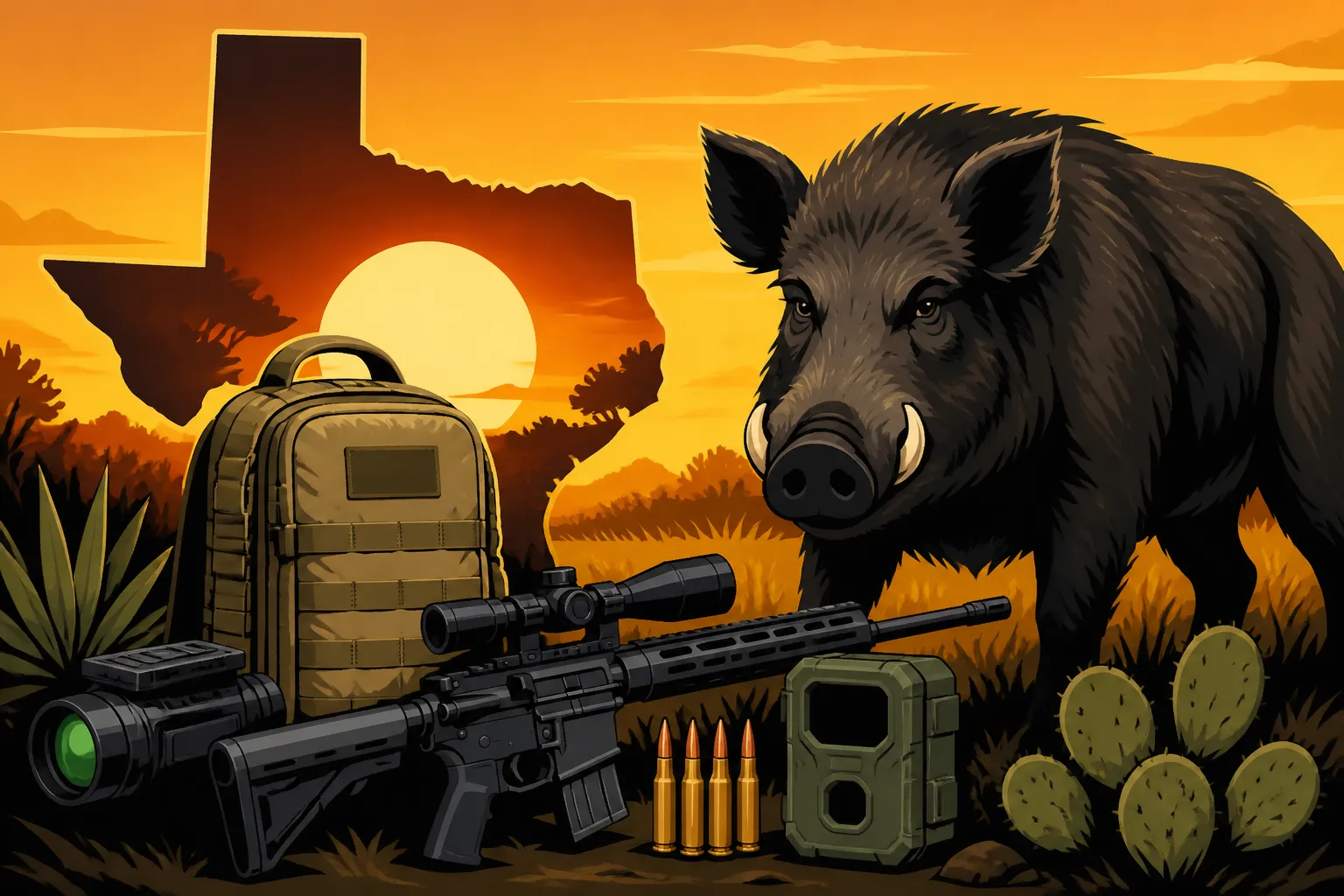
Hunting feral hogs on a Texas lease can be an incredibly rewarding, albeit often frustrating, endeavor. These intelligent, destructive animals pose a constant challenge, capable of trashing food plots, destroying expensive feeders, and generally making a mess of your carefully managed property. To effectively manage and hunt these prolific invaders on your lease, you need more than just a rifle; you need a strategic array of gear designed to give you an edge. This guide will walk you through the essential equipment, from tracking and observation tools to specialized night hunting setups, ensuring you're well-prepared for success on your Texas lease.
Essential Gear for Daytime Hog Hunting on a Texas Lease
Even though feral hogs are predominantly nocturnal, there are still prime opportunities to hunt them during daylight hours, especially in cooler weather or when they feel less pressured. Having the right daytime gear is crucial for scouting, tracking, and making the most of those sporadic daytime encounters.
Reliable Firearms and Ammunition
When it comes to putting down a tough Texas hog, you need a firearm that delivers reliable stopping power. While many calibers can do the job, you want something that can handle a thick-skinned, often aggressive animal. The .308 Winchester, 6.5 Creedmoor, and .223/5.56 NATO are all popular choices, with the .308 being a perennial favorite for its versatility and knockdown power. If you're looking for an even heavier punch, cartridges like the .30-06 or .45-70 Government are excellent options.
Beyond the caliber, the type of ammunition is equally important. Look for bullets designed for deep penetration and reliable expansion, such as bonded bullets or those with heavy jackets. Soft points or ballistic tips specifically engineered for larger game will perform much better than standard varmint rounds. On a lease, you might be taking shots at varying distances, so practice with your chosen ammunition to understand its trajectory. A common frustration is wounding a hog only for it to disappear into thick brush, so maximizing your chances of a quick, clean kill with appropriate ammunition is paramount. Remember, on many Texas leases, you're not just hunting for sport but for population control, making ethical, efficient kills a priority.
Optics for Observation and Precision Shooting
Good optics are non-negotiable for daytime hog hunting. A quality rifle scope with clear glass and reliable adjustments will greatly improve your accuracy, especially when targeting vitals on a wary hog. Magnification in the 3-9x or 4-12x range is usually sufficient for most lease hunting scenarios, offering a good balance between field of view for quick shots and enough zoom for longer distances. Look for scopes that hold zero well, as they’ll take a beating in the truck or bouncing around on a UTV.
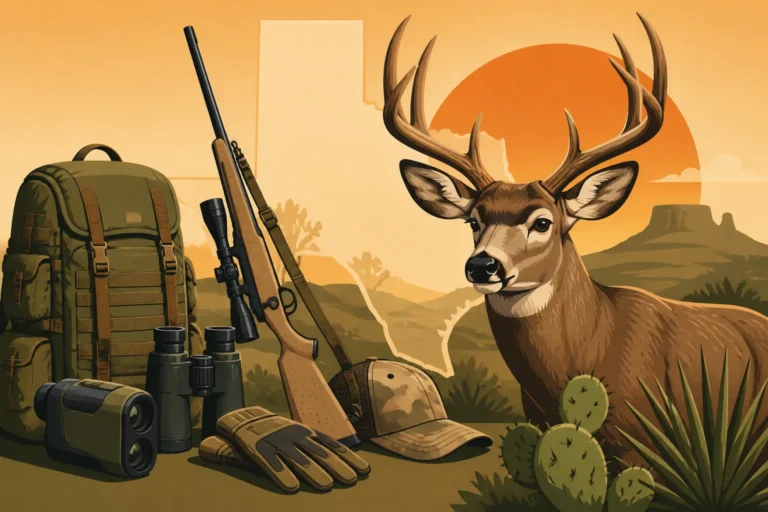
Beyond your rifle scope, a good pair of binoculars is indispensable for scouting and spotting hogs from a distance without disturbing them. Compact 8×42 or 10×42 binoculars offer a bright, wide field of view and are easy to carry. They let you scan feeders, food plots, and dense cover for movement, helping you identify travel patterns and potential ambush points. Additionally, a laser rangefinder is a fantastic tool for confirming distances, ensuring you make an accurate shot, especially if you're set up in a blind overlooking a field or feeder. Precision is key, and knowing the exact yardage to your target eliminates much of the guesswork.
Night Hunting Gear Lights Thermal and Night Vision
The reality of hog hunting in Texas is that a significant portion of the activity, especially for larger groups, happens under the cover of darkness. Investing in specialized night hunting gear is arguably the most effective way to manage hog populations on your lease and maximize your success. This is where you truly gain an advantage over these nocturnal animals.
Illuminating the Darkness with Spotlights and Weapon Lights
For those just getting into night hunting, or if your budget is a bit tighter, a powerful spotlight or weapon-mounted light is a great starting point. Red or green lights are often preferred as they are less likely to spook hogs compared to white light, although some hogs become accustomed to white light over time. A good handheld spotlight can be used for scanning fields and locating hogs, while a weapon-mounted light provides hands-free illumination for targeting.
When choosing a weapon light, ensure it’s durable, waterproof, and has a strong mounting system to withstand recoil. Brands like Wicked Lights or Kill Light offer popular options specifically designed for hog hunting, providing adjustable beams and varying light colors. The frustration of trying to hold a spotlight and aim a rifle simultaneously is real, so a reliable weapon light streamlines the process. Keep in mind that while lights are effective, they still require the hogs to be somewhat visible for a clean shot, which can be challenging in extremely dense brush.
The Thermal Advantage: Scopes and Monoculars
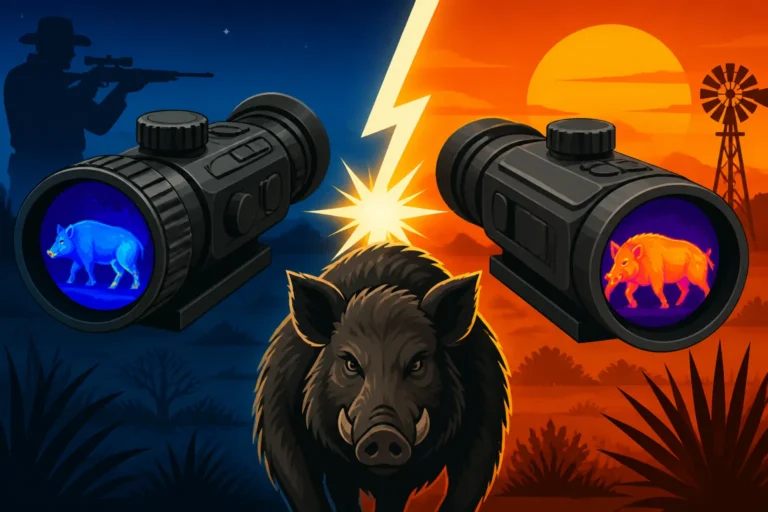
If you're serious about taking your hog hunting to the next level on your Texas lease, thermal imaging technology is a game-changer. Thermal scopes and monoculars detect heat signatures, allowing you to see hogs clearly, even in complete darkness, thick fog, or dense brush where they would be invisible to the naked eye or even traditional night vision. This negates the hog's primary advantage: their ability to move unseen at night.
Thermal monoculars, like those from Pulsar or AGM, are fantastic for scanning large areas, identifying heat signatures, and then using a thermal scope mounted on your rifle for precise aiming. This two-device approach maximizes efficiency and safety. The ability to distinguish between hogs, deer, and other wildlife is critical, especially when hunting on a lease where you might be managing multiple species. Many hunters attest that thermal technology drastically increases their success rates, allowing them to pinpoint hogs in situations that would otherwise be impossible. The initial investment is higher, but the return in terms of successful hunts and reduced frustration is immense. For instance, using a thermal device allows you to accurately assess the size of a sounder, making informed decisions about shot placement and herd management.
| Feature | Thermal Imaging | Night Vision |
|---|---|---|
| Detection | Detects heat signatures | Amplifies ambient light |
| Visibility | Excellent in total darkness, fog, light brush | Requires some ambient light (moon, stars) |
| Target ID | Recognizes heat shapes (animal vs. human) | Recognizes visual details |
| Range | Can detect heat at long distances | Limited by available light and device quality |
| Cost | Generally higher | Generally lower to mid-range |
| Pros | Sees through smoke/fog, effective in total dark | Clear image, good for identification |
| Cons | Lower image resolution, can't see colors | Washes out in bright light, struggles in no light |
| Best Use Case | Locating animals in challenging conditions | Surveillance, clearer identification |
Night Vision Gear for Clear Identification
While thermal excels at detection, night vision offers a different advantage: clarity of identification. Night vision devices (NVDs) amplify available ambient light (starlight, moonlight) to create a visible image. While they don't see heat, the image quality can often be much sharper than thermal, allowing for better identification of specific features or confirming an animal's exact position.
Modern digital night vision scopes, like those offered by ATN, can also often record video, which is a great feature for reviewing your hunt or sharing the excitement with others. Some even have built-in rangefinders and ballistic calculators, enhancing your shooting precision in the dark. The downside is that in absolute pitch-black conditions or dense foliage, night vision can struggle without an infrared (IR) illuminator. However, an IR illuminator can turn even the darkest night into a clear viewing experience through an NVD. Many hunters on Texas leases find a combination of thermal for scanning and night vision for clear targeting to be the ultimate setup. It minimizes the risk of mistakenly shooting a non-target animal and maximizes ethical shot opportunities.
Trapping and Management Gear for Feral Hogs
Hunting alone, while exciting, often isn't enough to control the rampant hog populations on a Texas lease. Effective management often requires a multi-pronged approach, and trapping is a cornerstone of that strategy. Integrating trapping into your lease management plan can significantly reduce hog numbers and protect your property. To effectively manage these destructive animals, understanding Feral Hog Hunting Tactics for Texas is crucial, especially on a lease where consistent effort pays off.
Robust Hog Traps and Accessories
There's a reason trapping is so popular for hog management: it works. Modern hog traps are designed to be durable, effective, and capable of catching multiple animals at once, known as a sounder. You'll typically find two main types: rigid panel traps and live catch corral traps. Panel traps are often easier to set up and move, while larger corral traps can catch an entire sounder. Look for traps made from heavy-gauge steel that can withstand the incredible strength of a trapped hog.
Essential trap accessories include reliable triggering mechanisms (rooter panels, motion sensors), remote trap activators (like those from Jager Pro or BoarBuster), and sturdy anchors to prevent hogs from flipping the trap. Many seasoned leaseholders also use specialized hog attractants, often a fermenting mix of corn and other ingredients, to lure hogs consistently into the trap. The goal is to condition them to feed inside the trap for several nights before setting it to trip, which is often referred to as "pre-baiting." This method dramatically increases your chances of catching a whole sounder. You might even find it useful to learn about Hog Trapping in Texas: Methods That Work to refine your strategy.
Feeder Protection and Remote Monitoring
Hogs are notorious for raiding deer feeders, not only consuming expensive feed but also damaging the feeders themselves. Protecting your investment is vital for maintaining your deer herd and other wildlife on the lease. Heavy-duty hog panels or T-posts around your feeders can create a barrier that keeps hogs out while allowing deer to access the feed. The key is to make the barrier tall enough and sturdy enough to prevent hogs from breaching it.
Remote monitoring gear, particularly cellular trail cameras, are absolute game-changers for any Texas lease. Cameras like the Tactacam Reveal or Moultrie Edge allow you to monitor your feeders and trap sites 24/7 from your phone, giving you real-time updates on hog activity. This eliminates countless unnecessary trips to the lease, saving time, fuel, and minimizing disturbance. You can see when hogs are hitting your feeders, when they're entering your traps, and even pattern their movements before you ever step foot on the property. This information is invaluable for deciding When Is the Best Time to Hunt Feral Hog in Texas and where to set up. Some advanced cameras even integrate with mapping apps, providing detailed insights into animal movement patterns over time. The GoHunt app, for example, offers robust mapping features that, combined with trail camera data, can help you strategically place feeders and traps for maximum effectiveness on your lease. This kind of diligent monitoring is key to understanding how to handle How to Keep Hogs Out of Your Deer Feeder.
Personal Comfort and Safety Gear for Texas Hog Hunters
Hunting feral hogs in Texas, especially on a lease, often involves navigating rugged terrain, battling unpredictable weather, and dealing with potentially dangerous animals. Beyond your weapons and advanced optics, having the right personal gear for comfort, safety, and field processing is paramount.
Appropriate Clothing and Footwear
Texas weather can be extreme and change quickly, from scorching heat to sudden cold fronts. For early season or daytime hunts, lightweight, breathable clothing in natural camouflage patterns is essential. Moisture-wicking fabrics help keep you cool and dry, preventing discomfort and potential heat-related issues. When the weather turns chilly, layering is key. Start with a base layer that wicks sweat, add an insulating mid-layer, and finish with a waterproof and windproof outer shell.
Footwear is arguably the most critical component for comfort and safety. You'll be walking through varied terrain, often dense brush, and there's always the risk of snake encounters. A good pair of snake boots or snake gaiters combined with sturdy, waterproof hunting boots are highly recommended. Look for boots with good ankle support and aggressive tread for traction on uneven ground. Brands like Lacrosse or Irish Setter are popular among Texas hunters for their durability and protection. Nothing ruins a hunt faster than wet, blistered feet or a close call with a rattlesnake, so invest wisely here.
Field Dressing and Hauling Essentials
Once you've successfully harvested a hog, the work isn't over. Hogs, especially larger ones, can be incredibly heavy and cumbersome to move. Having the right tools for field dressing and hauling is crucial. A sharp, reliable hunting knife is non-negotiable for field dressing. Consider a fixed-blade knife with a comfortable grip that’s easy to clean. Many hunters also carry a bone saw or a small hatchet for processing larger animals. Don't forget nitrile gloves to maintain hygiene and prevent the spread of diseases, as hogs can carry various pathogens. For heavier hogs, a good quality game cart or a sturdy drag rope can save your back. Look for carts with large, all-terrain wheels that can handle rough tracks and sandy soil often found on Texas leases. The ability to efficiently field dress and move your harvest means less spoilage and more time for hunting. Understanding How to Field Dress a Deer in Hot Weather offers similar principles that can be applied to hogs, especially given Texas's warm climate. If you're planning for multiple hogs, knowing Best Way to Hunt Hogs in Summer will also help in preserving your meat.
Navigation and Communication Tools
Even on a familiar lease, it's easy to get disoriented, especially when tracking game or moving in the dark. A reliable GPS device or a hunting app on your smartphone is indispensable. Apps like onX Hunt or HuntStand provide detailed property maps, satellite imagery, and the ability to mark waypoints, track your movements, and identify property lines. The GoHunt app also provides excellent mapping and scouting tools that can be incredibly useful for planning your routes, marking hog sightings, and navigating your lease safely and efficiently. These apps are also great for marking where you last saw a hog, where you parked your vehicle, or where your traps are located.
Beyond navigation, reliable communication is vital for safety, particularly if you're hunting alone or in a remote area with spotty cell service. A two-way radio or a satellite communication device (like a Garmin inReach) can be a literal lifesaver if you get lost, injured, or need to call for assistance. Always let someone know your hunting plans, including your general location and expected return time. Safety should always be your top priority on the lease, and these tools provide critical peace of mind.
Disclaimer
Hunting involves inherent risks, including but not limited to injury or death. Always prioritize safety, follow all local, state, and federal hunting regulations, and ensure you have the necessary licenses and permits. The information provided in this guide is for informational purposes only and should not be considered a substitute for professional instruction or official hunting regulations. Always confirm current regulations with the Texas Parks and Wildlife Department.