Best Stealth Cam Settings for Texas Hunting
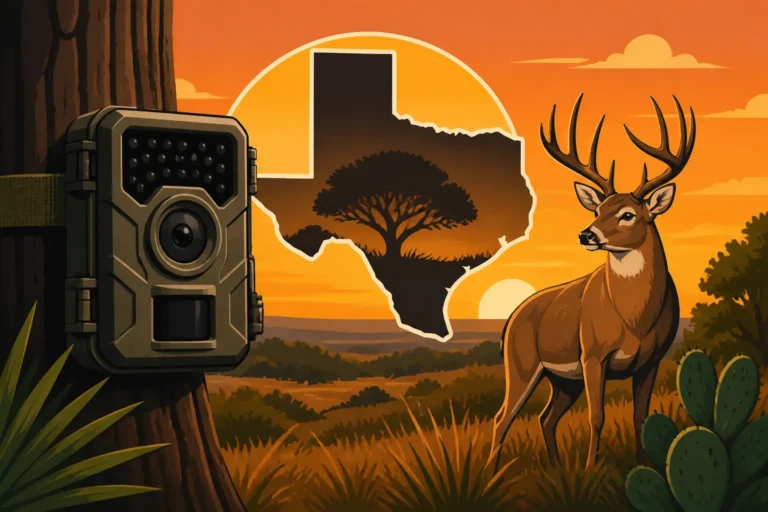
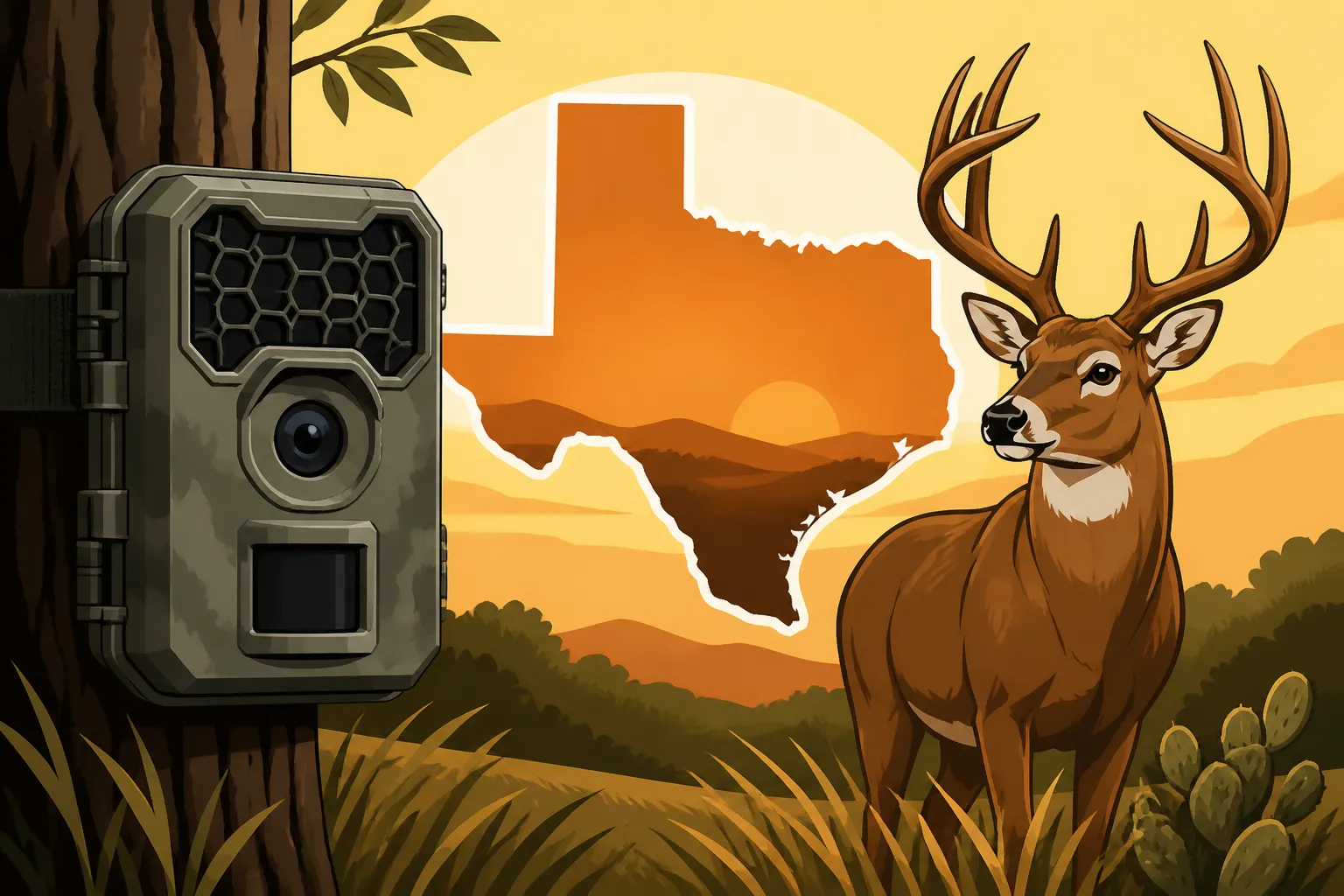
Oh, the trusty Stealth Cam! There's nothing quite like pulling an SD card, or refreshing your app, and seeing those crisp images or videos of what's been moving through your hunting grounds. But let's be real, getting a trail camera to perform perfectly in Texas, with its wild temperature swings, diverse terrain, and an endless parade of critters from tiny coons to giant bucks, can feel like a full-time job. False triggers, blurry night shots, missed deer, or dead batteries just when you needed it most – we've all been there. This guide is all about helping you dial in those Stealth Cam settings specifically for our unique Texas hunting environment, so you can gather the intel you need without the headaches.
Understanding Your Stealth Cam's Core Features for Texas Terrain
Before we even touch on specific settings, it's crucial to understand the foundational elements of your Stealth Cam and how they interact with the challenges of Texas hunting. Our environment is demanding, from the scorching South Texas brush to the humid East Texas pines, and these basics are your first line of defense against frustrating camera performance.
Power Management in Texas Heat and Cold
Texas weather is legendary for its extremes. A battery that lasts weeks in a milder climate might give up the ghost in a few days during our brutal summers or unexpected winter freezes. This isn't just an inconvenience; it can mean missing crucial deer movement during the rut or failing to pattern a nocturnal hog sounder.
For most Stealth Cam models, you've got a few power options. Standard alkaline batteries are common and affordable, but they perform poorly in cold weather and drain quickly in extreme heat. Trust me, I've seen them swell and leak on a feeder pole in August. Lithium batteries, while pricier upfront, are a game-changer. They offer more consistent power output, last significantly longer, and handle temperature extremes much better, making them ideal for year-round scouting in Texas. If you're running a cellular model, like a Stealth Cam Fusion X, lithiums are practically a necessity.
Beyond internal batteries, consider external 6V or 12V battery packs, especially if you're deploying cameras in high-traffic areas or for long-term monitoring. These provide a much larger power reservoir. Combine that with a small solar panel, and you can achieve truly hands-off operation for months, even in sunny Texas. Just make sure the solar panel is positioned to get plenty of direct sunlight, ideally facing south, and check it periodically for dust or debris buildup that can reduce efficiency. This approach is particularly effective when you're looking to monitor a feeder site year-round, feeding Protein Feeding Deer for Bigger Antlers without constant battery swaps.
Memory Card Selection and Reliability
Your camera is only as good as the information it can store, and that's where your SD card comes in. In Texas, where a single camera can capture hundreds, if not thousands, of images and videos of deer, hogs, turkeys, and everything in between, you need reliable storage. Opt for reputable brands like SanDisk, Lexar, or Samsung. Cheap, off-brand cards might seem like a bargain, but they are notorious for corrupting data or failing entirely when you need them most. Imagine finally getting that picture of a massive Hill Country buck, only for the card to be unreadable!
Speed matters too. Look for cards rated Class 10 or higher (U1 or U3 for even better video performance). This ensures the camera can write data quickly, especially important for capturing rapid-fire burst photos or longer video clips without delays that can cause missed shots. A general rule of thumb for capacity: 16GB or 32GB is usually sufficient for standard photo modes, but if you're shooting a lot of video or running a cellular camera with high-resolution uploads, 64GB or even 128GB might be a better choice. Always format your SD card in the camera before each deployment. This ensures optimal compatibility and helps prevent data corruption down the line. It's a small step that saves a huge amount of heartache.
Optimal Camera Placement and Security
Where you put your camera is just as critical as its settings. In Texas, this means contending with harsh sunlight, dense vegetation, and even the occasional curious (or destructive) animal. For deer, position your camera about chest to head height, typically 3-4 feet off the ground, aiming slightly downward. This angle provides a good view of the animal's body and helps avoid false triggers from swaying grass or branches. When hunting White-Tailed Deer Hunting in Texas: Complete Guide, ideal placement is often along game trails, near water sources, or overlooking food plots.
Consider the sun's position. Avoid aiming your camera directly east or west, as direct sunlight can wash out images, trigger false events, or create lens flare during sunrise and sunset. If you must face those directions, try to use natural cover to shade the lens. For night shots, be aware of reflective surfaces like shiny feeder legs or metal signs, which can cause infrared flash blowouts.
Security is also a real concern, whether from theft or from animals. A simple Python lock cable can deter opportunistic thieves, while a metal security box can protect your camera from everything from curious hogs to even bears in East Texas. Even if your camera isn't stolen, a security box protects it from damage by curious coons or squirrels that might chew on straps or antenna. When placing a camera to monitor a Best Deer Feeder Setup for Texas, ensure it's out of reach of deer rubbing their antlers or hogs trying to nudge it.
Dialing In Stealth Cam Settings for Texas Game Animals
Now that we've covered the basics, let's dive into the nitty-gritty: the specific settings that will help you capture the best intel for different game species across Texas. This isn't a one-size-fits-all approach; what works for a slow-moving whitetail during the day won't be ideal for a quick-moving feral hog at night.
Whitetail Deer and Exotic Species
For many Texas hunters, whitetail deer are the primary focus. Their movement patterns, particularly during the rut, can be fast-paced, but often they linger, feeding or browsing. Exotic species like axis deer or blackbuck can be even more skittish and faster-moving.
- Mode: For whitetail and exotics, a photo burst is often your best bet. Set it to take 3-5 photos per trigger. This gives you multiple angles and a better chance of catching antler detail, especially if a buck is walking past quickly. If you're trying to gauge body condition or specific habits, a short video clip (10-20 seconds) can be incredibly insightful. Some Stealth Cams offer a "Photo + Video" mode, which can be fantastic if your battery and SD card can handle the extra data.
- Photo Resolution: Always go for the highest resolution your camera offers. More megapixels mean clearer images, which is vital for counting antler points, estimating spread, and judging body size. This is especially important when dealing with Texas Antler Restrictions: 13-Inch Rule & Counties. A blurry photo makes field judging impossible.
- Video Length: If using video, keep it manageable, around 10-20 seconds. Longer videos fill up your SD card faster and consume more battery. For cellular cameras, shorter videos also mean faster upload times and less data usage.
- Trigger Speed: This is crucial. Whitetails, especially mature bucks, can be surprisingly quick. Set your trigger speed to "Fast" or "High" (often 0.5 seconds or less). A slow trigger means the animal might be halfway out of the frame before the camera even snaps a picture.
- Recovery Delay: This setting dictates how long the camera waits after an event before it can trigger again. For deer, a delay of 30 seconds to 1 minute is usually sufficient. You want to capture multiple animals if they come in, but not hundreds of redundant photos of a single deer browsing for an hour. If you're trying to pattern a specific buck and want to see every second of his visit, you might even drop this to 15 seconds.
- PIR Sensitivity: The Passive Infrared (PIR) sensor detects heat and motion. In Texas, you'll need to adjust this frequently. During hot summer months, especially in direct sunlight, set the sensitivity to "Medium" or "Low" to prevent false triggers from heat waves or swaying vegetation. In cooler weather, or when monitoring a remote food plot where you want to catch even distant movement, "High" might be appropriate. False triggers from heat can quickly fill up your card and drain your battery.
- Flash Mode: Most Stealth Cams use infrared (IR) flash for night photos. "No-Glow" IR is generally preferred as it's invisible to animals and humans, making it less likely to spook game or alert trespassers. "Low-Glow" or "Red Glow" IR is more powerful and can produce brighter images, but the faint red light is visible. For wary deer and exotics, "No-Glow" is the way to go.
Feral Hogs and Predator Species
Feral hogs are a year-round challenge and opportunity in Texas. They're often nocturnal, move in groups, and are less sensitive to camera flash than deer. Predators like coyotes and bobcats also typically operate under the cover of darkness. When setting up for Feral Hog Hunting Tactics for Texas, your camera settings need to reflect these behaviors.
- Mode: Video mode truly shines for hogs and predators. Hogs move quickly and often in large sounders. A 30-60 second video clip gives you so much more information than a still photo, showing numbers, size, and specific travel paths. A "Photo Burst" (3-7 shots) is a good secondary option if you want to conserve battery or data, but video is king for detailed hog intel.
- Photo/Video Resolution: High resolution for both. For video, especially, higher resolution allows for better viewing of detail when reviewing footage on a larger screen.
- Video Length: For hogs, 30-60 seconds is ideal. Longer videos capture more of the sounder's movement and feeding behavior. Since you're likely running these cameras in high-activity areas (like over a feeder where you are trying How to Keep Hogs Out of Your Deer Feeder), be prepared for a lot of data.
- Trigger Speed: Still crucial. Hogs can appear and disappear quickly, so "Fast" or "High" trigger speeds are essential to catch them in the frame.
- Recovery Delay: Hogs often come in groups and stick around. A short recovery delay of 5-15 seconds is highly recommended. You want to capture as many individual hogs as possible and document their entire visit. This is one instance where a constant stream of captures is beneficial.
- PIR Sensitivity: Set this to "High". Hogs are typically larger and have a stronger heat signature, but you want to capture even the first one to arrive. In hot weather, you might need to drop it to medium to avoid heat-triggered false alarms.
- Flash Mode: "No-Glow" IR is still generally preferred, but because hogs are less easily spooked by light than deer, "Low-Glow" can be used if you need brighter night images. The key is to choose the mode that gives you the clearest picture of the action.
Upland Birds (Turkey, Quail, Dove)
While not typical trail camera targets, cameras can certainly help you scout for ground-dwelling birds like Rio Grande turkeys or even dove fields. The challenge here is their smaller size and often quicker, more erratic movements. When planning Rio Grande Turkey Hunting Tactics for Texas, a well-placed camera can reveal travel corridors or roosting areas.
- Mode: Photo Burst (3-5 shots) is best. Birds are fast and small, and a burst gives you a better chance of catching them clearly.
- Photo Resolution: High, to capture detail on plumage or distinctive features.
- Video Length: Short (5-10 seconds) if you opt for video, primarily to confirm species or direction of travel.
- Trigger Speed: Very Fast/High. This is paramount for birds. They can walk into and out of the detection zone in a blink.
- Recovery Delay: 5-15 seconds. You want to capture multiple birds in a flock or track a turkey's progress.
- PIR Sensitivity: Medium to High. Lower the camera closer to the ground, around 1-2 feet, and increase sensitivity to detect smaller heat signatures. This might increase false triggers from tall grass swaying, so careful placement is key.
- Flash Mode: N/A for daytime dove and quail. For turkeys at dusk/dawn, "No-Glow" IR is fine.
General Texas Trail Cam Setting Table
Here's a quick reference table to help visualize these settings:
| Setting Category | Whitetail/Exotics (Day) | Hogs/Predators (Night) | Upland Birds (Day) |
|---|---|---|---|
| Mode | Photo Burst (3-5) / Short Video (10-20s) | Video (30-60s) / Photo Burst (3-7) | Photo Burst (3-5) |
| Photo Resolution | High | High | High |
| Video Length | 10-20 seconds | 30-60 seconds | 5-10 seconds |
| Trigger Speed | Fast (0.5s or less) | Fast (0.5s or less) | Very Fast (0.3s or less) |
| Recovery Delay | 30 sec – 1 minute | 5 sec – 15 sec | 5 sec – 15 sec |
| PIR Sensitivity | Medium to High | High | Medium to High |
| Flash Mode | No-Glow IR | No-Glow IR (or Low-Glow if needed) | N/A (Daytime) |
| Camera Height | 3-4 feet | 2-3 feet | 1-2 feet |
Advanced Strategies and Troubleshooting for Texas Hunters
Even with the best settings, trail cameras can present challenges. Knowing how to troubleshoot common issues and integrate your camera data into a broader scouting strategy will significantly enhance your success.
Tackling False Triggers and Missed Shots
False triggers are the bane of every trail camera user, especially in Texas. Heat waves, swaying branches, tall grass, and even passing vehicles can set off your camera, quickly filling your SD card with useless photos and draining your battery.
- Adjust PIR Sensitivity: As mentioned, this is your primary tool. In hot weather, reduce sensitivity. In open areas with less vegetation, you can increase it.
- Clear the View: Before you leave your camera, literally get down on your hands and knees and clear any grass, weeds, or small branches from the camera's immediate detection zone (usually about 20-30 feet in front). Even a tiny twig can cause a false trigger if it sways in the wind.
- Angle Downward: Pointing the camera slightly downward, rather than straight out, reduces the chance of triggering on distant heat waves or sunlight reflecting off the horizon.
- Check for Reflective Surfaces: Any metal, water, or even shiny leaves can cause problems, especially with IR flash at night. Reposition or obscure these if possible.
Missed shots are equally frustrating. You know the deer was there, but your camera has nothing to show for it.
- Increase Trigger Speed: If your camera allows, set it to the fastest possible speed.
- Optimize Placement: Place cameras perpendicular to trails or feeding areas rather than directly facing them. This gives the animal more time in the detection zone as it crosses the path, rather than walking straight towards or away from the camera.
- Experiment with Detection Zone: Some advanced Stealth Cams allow you to adjust the detection angle. If you're getting triggers but missing animals, expand the detection zone.
Regularly check your camera's placement and clear any new growth. This is part of the ongoing How to Scout for Deer Before Season in Texas process.
Maximizing Cellular Connectivity and Data Transfer
Cellular trail cameras have revolutionized scouting, giving us real-time updates on game activity. Brands like Stealth Cam, with models like the Fusion or DS4K, offer this capability. However, signal strength in remote Texas hunting areas can be notoriously spotty.
- Check Signal Strength: Before deploying a cellular camera, use your phone (if it's on the same carrier) or a signal strength app to check the area. Most cellular cameras also have a signal strength indicator on their internal menu or display. Don't deploy where the signal is consistently poor.
- External Antenna: If your Stealth Cam supports it, consider adding an external cellular antenna. These can significantly boost reception, especially in areas with marginal signal. Position the antenna vertically and as high as possible.
- Data Plans: Understand your data plan. High-resolution photos and videos consume a lot of data. You might need to adjust your camera's resolution settings (e.g., lower video resolution or stick to photos only) if you have a limited data plan or are in an area with weak signal, which makes larger files harder to transmit.
- Photo vs. Video Upload: Many cellular cameras allow you to choose whether to upload full-resolution photos/videos or lower-resolution thumbnails. Uploading thumbnails for initial review, then requesting full-res files for specific captures, can save data and battery.
Integrating this data can be a game-changer. Platforms like GoHunt allow you to mark your camera locations on detailed maps, track your sightings, and overlay weather data, helping you to truly understand How to Pattern Bucks With Trail Cameras over time. The ability to pull up aerial imagery and mark precisely where a big buck was spotted, right after it happens, is incredibly powerful.
Seasonal Adjustments for Year-Round Scouting
Texas has distinct seasons, and your camera settings should adapt to each.
- Summer (June-August): The heat is oppressive, and vegetation is typically dense. You'll battle heat-induced false triggers. Lower PIR sensitivity, clear vegetation aggressively, and prioritize lithium batteries or solar setups. Focus on water sources and shaded bedding areas.
- Early Fall (September-October): Dove and teal season might be in full swing. Deer activity is picking up. As temperatures cool slightly, you can often increase PIR sensitivity. This is a great time to pattern early-season deer movement near food plots or corn feeders. Don't forget to check your Texas Hunting Seasons: Complete Calendar by Species for specific opener dates.
- Rut Season (November-December): This is prime time for deer. Bucks are moving more erratically and aggressively. Increase trigger speed and consider a photo burst with short delay to capture all the action. You'll want to know When Is the Best Time to Rattle in Texas? and how bucks are responding.
- Late Season/Winter (January-February): Post-rut, deer are focused on recovery and food sources. Cold weather can drain batteries faster. Maximize battery life with lithiums or external power. Look for patterns around consistent food sources.
- Spring (March-May): Turkey season and shed hunting. Cameras can reveal turkey strut zones or areas where you might find dropped antlers. With new foliage budding, keep an eye on branches growing into your detection zone. For How to Call Rio Grande Turkeys in Texas, knowing their travel routes from camera intel can be a huge advantage.
By regularly adjusting your Stealth Cam settings and placement, you'll ensure your cameras are always working efficiently, providing you with the invaluable intel you need to be a more successful hunter in the diverse and challenging landscape of Texas.
Disclaimer
Hunting regulations and conditions can change rapidly. Always consult the most current Texas Parks and Wildlife Department (TPWD) Outdoor Annual before engaging in any hunting activities. This guide is for informational purposes only and does not supersede official regulations.