How to Hunt the Rut in South Texas
Man, oh man, there’s nothing quite like the feeling of anticipation when you know the whitetail rut is about to kick off, especially down here in South Texas. You’ve probably spent countless hours glassing, setting feeders, and checking trail cameras, only to feel like you’re missing the secret sauce when the big boys just aren't showing up. It's frustrating when the deer seem to have their own agenda, utterly ignoring your carefully laid plans. This guide is all about cutting through that frustration, giving you the insider tips and tactics to effectively hunt the rut in South Texas, helping you understand deer behavior, and putting you in the right place at the right time for that trophy buck.
Understanding the South Texas Rut Calendar
Hunting the rut successfully in South Texas means first and foremost understanding when it actually happens. Unlike some regions where the rut is a relatively predictable, narrow window, the vastness of South Texas and its diverse habitats can lead to some interesting variations. It's not a single, unified event across the entire region; rather, it’s a dynamic period influenced by genetics, nutrition, and local conditions.
The "When" and "Why" of the Rut
Generally speaking, the peak of the whitetail rut in South Texas typically falls from mid-December through January, with some areas seeing activity starting as early as late November and extending into February. This later timing, compared to say, the Hill Country, is often attributed to the genetics of the South Texas deer herd and the specific environmental factors of the region. Bucks are driven by rising testosterone levels, prompting them to seek out does for breeding. This translates into increased movement during daylight hours, a reduction in feeding activity, and a heightened state of aggression. The "why" is simple biology: ensuring the next generation thrives. The does, coming into estrus, are the ultimate magnet for these bucks.
You might notice an initial "pre-rut" phase where bucks are scraping, rubbing, and sizing each other up, but still largely sticking to their nocturnal routines. Then comes the "chase phase" where bucks are actively pursuing does, often ignoring food sources entirely. This is where you see those fleeting glimpses of a big buck dogging a doe, sometimes right across an open sendero in broad daylight. Finally, after the peak, you'll enter the "post-rut," where bucks are exhausted, often losing significant body weight, and starting to focus heavily on recovery and finding good nutrition. Knowing these phases is critical to adjusting your approach. For a deeper dive into deer movement throughout the year, check out our guide on Best Time of Day to Hunt Whitetail in Texas.
Regional Variations Across South Texas
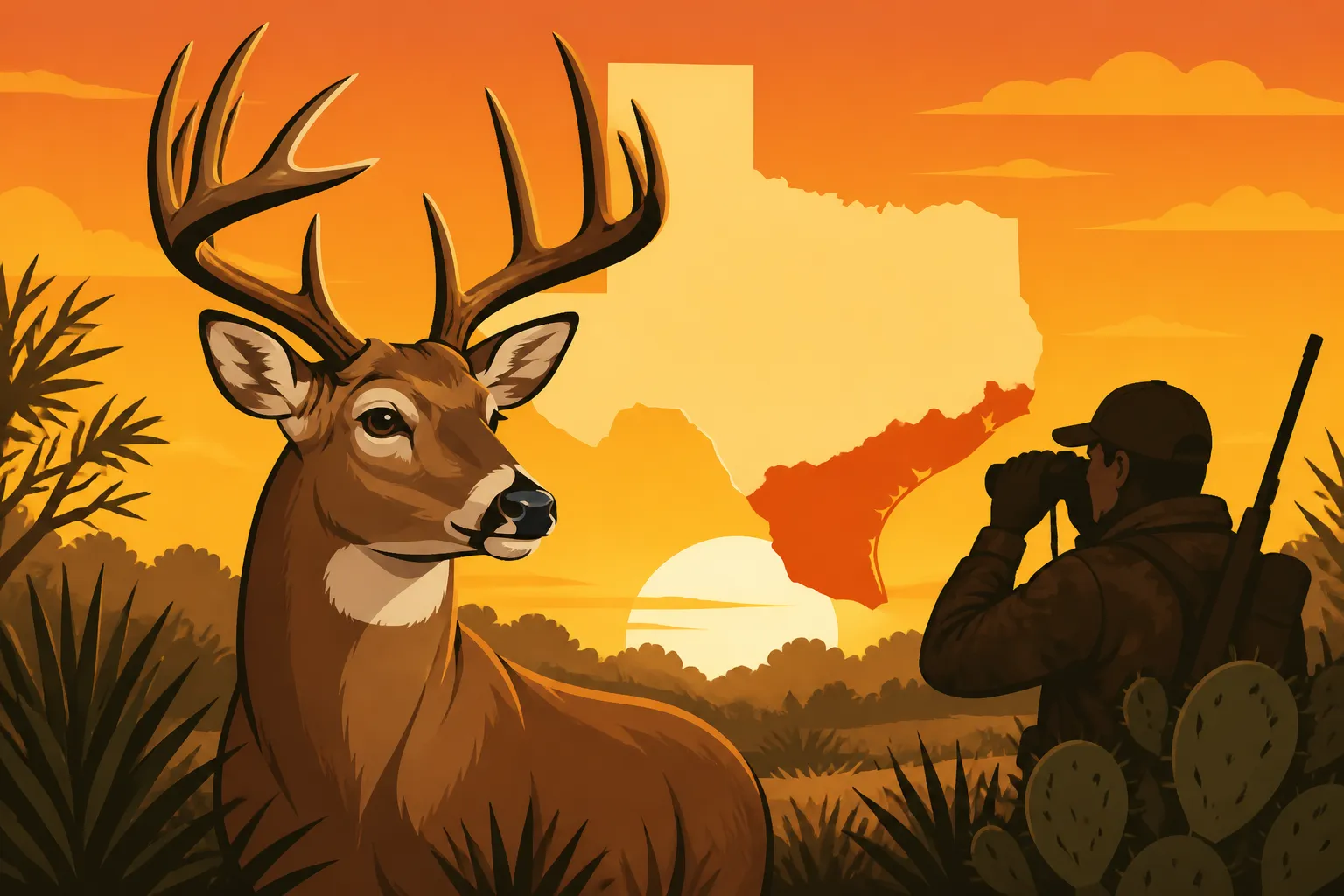
South Texas is a huge area, encompassing counties like Webb, Maverick, Dimmit, La Salle, and many others, each with its own microclimates and deer densities. While the general mid-December to January window holds true, there can be noticeable differences. For instance, deer in the brush country of Webb County might hit their peak a week or two later than those further north or east in the region. These variations are often linked to localized weather patterns, particularly rainfall, which can influence forage quality and the timing of a doe’s estrus cycle.
It's absolutely vital to talk to local ranchers, lease managers, and fellow hunters in your specific area. Trail camera data from previous years is your best friend here, as it provides a personalized timeline for your hunting spot. Look for patterns in buck activity, especially when they start showing up on scrapes or actively chasing. Some areas might see a strong, defined peak, while others might have a more drawn-out rut, with waves of activity as different does come into estrus. This local intelligence can make all the difference between a frustrating trip and a successful one.
Here’s a general overview of estimated rut timing in key South Texas regions:
| South Texas Region | General Rut Start | Peak Rut Dates | General Rut End |
|---|---|---|---|
| Northern South Texas | Early December | Mid-December to Early January | Mid-January |
| Central South Texas | Mid-December | Late December to Mid-January | Late January |
| Deep South Texas | Late December | Early January to Late January | Early February |
| Brush Country (e.g., Webb, La Salle) | Mid-December | Mid-January to Early February | Mid-February |
Note: These are general guidelines. Always consult local resources and monitor trail cameras for precise timing on your specific property.
Essential Rut Hunting Tactics for South Texas
Now that we’ve got a handle on when the rut is happening, let’s dive into the fun part: the tactics! Rut hunting in South Texas demands a mix of patience, aggression, and a keen understanding of buck behavior. Forget sitting over a feeder all day; this is about intercepting a buck on the move, driven by instinct.
Aggressive Calling and Decoying Strategies
This is where things get exciting. During the rut, bucks are actively seeking out does, and they are notoriously territorial and competitive. This makes them highly susceptible to calling and decoying, especially when you're targeting those mature, dominant bucks.
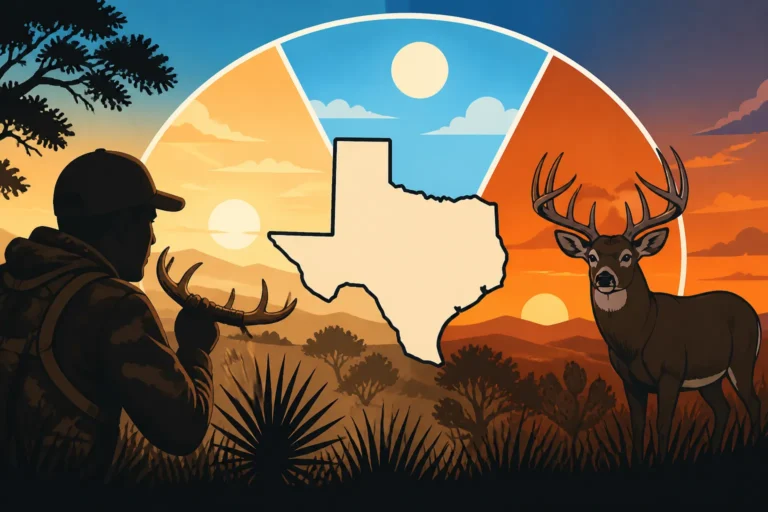
- Rattling: This is arguably the most effective calling method in South Texas during the peak rut. When you crash those rattling antlers together, you’re mimicking two bucks fighting over a receptive doe, or perhaps a challenging rival. The key is to make it sound realistic. Don't just tickle them together; create a genuine fight scene with clashing, grinding, and pushing, followed by a period of silence to listen and watch. Typically, a 30-60 second rattling sequence followed by 10-15 minutes of silence, scanning the brush, works well. Repeat this every 30-45 minutes. I’ve seen some incredible responses – bucks literally charging in to investigate. For more on this, check out our guide on When to Rattle for Bucks in South Texas.
- Grinding & Snort-Wheezes: Don't forget the more subtle calls. Grunts can attract bucks that are just cruising, curious about another deer. A snort-wheeze is a more aggressive call, indicating a buck is about to challenge another. Use this sparingly, perhaps after an initial rattling sequence if you don't get a visual response but suspect deer are nearby. You can learn more about these techniques in How to Grunt and Rattle Whitetail in the Hill Country, many of which apply to the brush country too.
- Decoying: A doe decoy, especially in conjunction with rattling, can be deadly. Place your doe decoy where it’s visible, preferably downwind of your position, so any buck approaching the decoy will pass by you, offering a shot. If you add a small buck decoy, position it as if it's cautiously approaching the doe, or even challenging her. Ensure your decoy looks natural and is free of unnatural scents. Keep the wind in mind, as a buck will almost always circle downwind to scent-check the "deer" before committing.
Hunting Scrapes and Rub Lines
Scrapes and rub lines are the buck’s personal billboards, advertising his presence and dominance. During the pre-rut and early rut, bucks will create these as a way to communicate with other deer.
- Scrapes: These are pawed-out areas on the ground, usually under a low-hanging branch, where bucks urinate and deposit scent from their interdigital glands. The overhanging branch (the "licking branch") is crucial, as bucks will rub their preorbital glands on it. Find active scrapes – fresh dirt, clear prints, and a worked licking branch – and set up nearby. Bucks will return to refresh these, especially during the early stages of the rut. A good strategy is to set a trail camera on a cluster of active scrapes to understand the buck's travel patterns.
- Rub Lines: These are a series of trees that bucks have rubbed with their antlers, typically along travel corridors or property lines. Rubs serve to mark territory and allow bucks to deposit scent from their forehead glands. Following a rub line can lead you to bedding areas, feeding zones, or even active scrape lines. Look for fresh rubs with sap still oozing. These tell you a buck is actively working that area. Hunting near these signposts, particularly where rub lines converge or lead to thicker cover, can be very productive.
Cruising and Still Hunting Key Areas
The rut is all about movement, and sometimes, the best strategy is to become part of that movement, or at least anticipate it.
- Cruising: This involves slowly and quietly moving through known travel corridors, edges of thick brush, senderos, and creek bottoms where bucks are likely to be searching for does. This isn't still hunting in the traditional sense; it’s a more active approach, covering ground while maintaining extreme awareness. You're looking for movement, for a flash of an antler, or a doe being pushed. This works particularly well in areas with good visibility between patches of cover. Be ready to shoot quickly, as encounters can be fleeting.
- Still Hunting: A more methodical approach, still hunting involves moving very slowly, taking a few steps, then stopping to scan and listen intently for 5-10 minutes before moving again. This is ideal for denser brush or when you want to thoroughly pick apart a particular piece of cover. Focus on areas where you expect does to be bedding or feeding, as bucks will inevitably patrol these areas. Key terrain features like creek beds, fence lines, and breaks in dense vegetation are natural funnels where deer movement is concentrated.
Gear and Preparations for Rut Hunting Success
Success during the South Texas rut isn’t just about knowing where and when; it’s also about being properly equipped and prepared for the unique challenges this environment throws at you.
Optics and Scent Control for Close Encounters
South Texas hunting, especially in the thick brush, can mean close encounters, but also long glassing opportunities down senderos.
- Optics: A good pair of binoculars is non-negotiable. Whether you’re glassing a distant brush line for movement or trying to pick apart a thicket, clear, bright optics like those discussed in Best Binoculars for South Texas Brush are essential. A rangefinder is also crucial for quickly and accurately gauging distances, especially when a buck might only offer a fleeting shot opportunity. Many hunters also swear by a good rifle scope for Texas deer hunting that performs well in low light, as deer activity often peaks at dawn and dusk.
- Scent Control: Bucks during the rut are primarily focused on finding does, but their noses are still their best defense. Neglecting scent control can easily bust your hunt. Shower with scent-eliminating soap, wash your hunting clothes in scent-free detergent, and store them in airtight bags or containers. Use scent-eliminating sprays before heading into the field, paying special attention to your boots. Consider using natural cover scents, like dominant buck urine or doe estrus, to either mask your scent or attract a curious buck, but always be mindful of introducing foreign odors that could alarm deer.
Staying Stealthy and Comfortable in the Brush
The South Texas brush is unforgiving, and comfort and stealth are paramount for staying focused and effective.
- Clothing: Even in December and January, South Texas days can be surprisingly warm, especially mid-day. Layers are your friend. Start with moisture-wicking base layers, and add or remove outer layers as temperatures dictate. Camouflage that blends with the browns and greens of the brush is ideal. Don't underestimate the need for durable, quiet outer fabrics that won't snag or rustle excessively as you move through thick cover.
- Footwear: Snake boots are practically a uniform in South Texas. The area is home to venomous snakes like rattlesnakes, and while they may be less active in cooler rut temperatures, they can still be out, especially on warmer days. Investing in quality snake boots for South Texas brush country will give you peace of mind and protect you from thorns and rough terrain.
- Patience and Persistence: This might sound obvious, but it’s easy to get discouraged during the rut. Bucks can be here one minute, gone the next. They might respond to rattling today and ignore it tomorrow. The key is to stay patient, stick with your plan, and put in the time. The more hours you spend in the stand or slowly still hunting, the better your chances of intercepting that dream buck. Remember, the rut is about intense, often unpredictable activity.
Post-Rut Strategies and Adjustments
Just because the peak rut has passed doesn't mean your hunting season is over. In South Texas, the post-rut can still offer excellent opportunities, albeit with a different set of challenges and required tactics. Bucks are shifting their priorities from breeding to recovery, and understanding this shift is crucial.
Hunting the Late Season Bucks
After weeks of relentless chasing, fighting, and neglecting food, bucks are often worn out. They’ve likely lost significant body weight, and their primary focus shifts to survival and regaining strength. This changes their movement patterns and makes them predictable in a new way.
- Food, Food, Food: This becomes the number one draw. Bucks will be looking for the highest quality, most accessible food sources to replenish their energy. This could mean cultivated food plots, protein feeders, or natural browse that's still green and palatable. Find these prime feeding areas, and you'll find the bucks. Hunting over feeders and corn in Texas is a popular and legal tactic, and it becomes particularly effective in the post-rut.
- Cover and Security: While they're hitting food hard, bucks are also vulnerable. They’ll gravitate towards thick cover close to these food sources, allowing them to eat and then quickly retreat to safety. Look for dense cedar breaks, heavy mesquite thickets, or creek bottoms with good vegetation near agricultural fields or managed protein stations. These become crucial bedding areas where they can rest and digest.
- Morning and Evening Movement: Bucks will still move during daylight, particularly in the mornings and late evenings, to hit those food sources. However, they may be less inclined to move across large open areas. Focus your efforts on the fringes of thick cover, where deer transition between bedding and feeding. You might also find them moving more cautiously, often in smaller groups or solo, rather than the frantic, doe-chasing patterns of the peak rut.
Focusing on Food and Recovery Areas
Identifying and effectively hunting specific food and recovery zones can lead to late-season success. It’s about being smart and observing the current conditions.
- Protein Stations: Many South Texas ranches utilize protein feeding, which becomes incredibly important for deer recovery post-rut. If you have access to protein feeders, these will be hotspots. Bucks, especially mature ones, will frequent these to rebuild their bodies and get a jump on antler growth for the next season. Remember, protein feeding deer for bigger antlers is a year-round strategy, but its impact is very visible in the post-rut.
- Natural Browse: Don’t just rely on feeders. Deer are still natural browsers. Look for areas with healthy native forbs, young woody browse, and any remaining mast crops like acorns, if they are still available. These natural food sources, often found in creek bottoms or low-lying areas that retain moisture, can be magnets for hungry bucks.
- Water Sources: While deer primarily get water from their food, consistent, accessible water sources are always important, especially if the weather remains dry. Bucks will often hit water after a heavy feeding session, so hunting near tanks, troughs, or natural springs can be productive.
- Patience with Observation: Post-rut bucks are often very skittish and cautious. Long periods of observation from a quality blind, like a box blind for hot Texas weather, overlooking a known food source can be more effective than trying to move and jump deer. Let them come to you, and be prepared to wait for the right shot opportunity as they slowly feed.
The South Texas rut is an incredible time to be in the field. It’s a period of intense activity, where the biggest bucks often let their guard down in pursuit of does. By understanding the timing, employing aggressive and smart tactics, and preparing with the right gear, you can significantly increase your chances of harvesting a memorable deer.
Disclaimer
Please be aware that hunting regulations, seasons, and licensing requirements can change. Always consult the most current Texas Parks and Wildlife Department (TPWD) Outdoor Annual or their official website before heading into the field. This guide is for informational purposes only and should not be considered a substitute for official regulations or professional guidance.