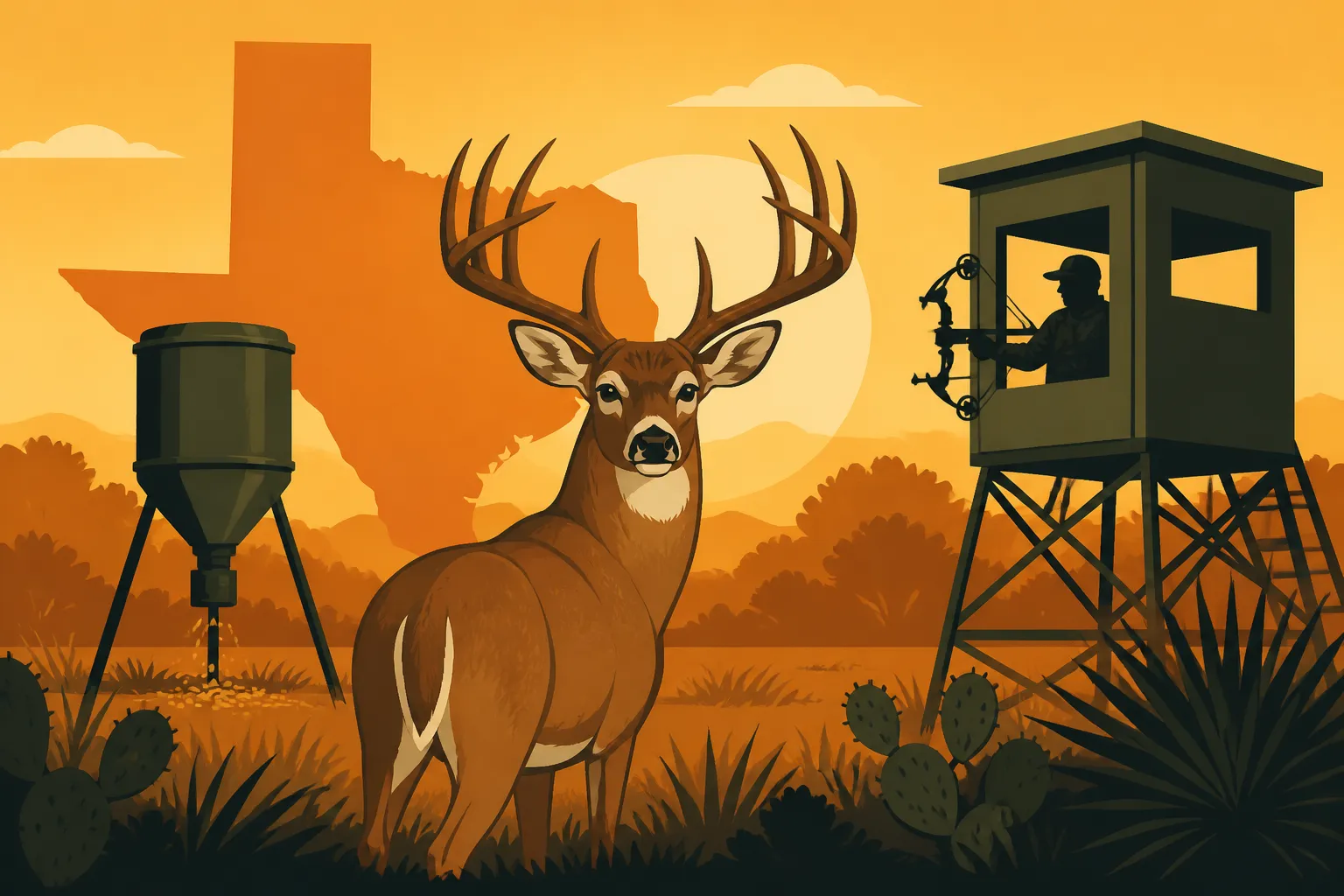
Deer Hunting in Texas: Feeders, Blinds & Tactics
The anticipation, the stillness of the Texas landscape, the crisp morning air—there's nothing quite like deer hunting in our great state. But let's be honest, successfully putting venison in the freezer or a trophy on the wall isn't always as simple as it sounds. Texas deer hunting presents unique challenges, from dense brush to scorching temperatures, and understanding how to effectively use feeders, strategically place blinds, and employ proven tactics can make all the difference between a memorable hunt and a frustrating one. This comprehensive guide is here to walk you through the ins and outs, giving you the real-world insights you need to become a more successful deer hunter in Texas.
Understanding Texas Deer Behavior and Habitat
To truly become a savvy Texas deer hunter, you've got to think like a deer. Understanding their ingrained behaviors and how they interact with their environment is the bedrock of any successful hunting strategy. It's not just about knowing where to put your blind; it's about knowing why that spot matters to them.
Whitetail Subspecies and Regional Differences
Texas is a massive state, and it’s no surprise that our whitetail deer populations vary quite a bit from one region to another. While they’re all technically white-tailed deer (Odocoileus virginianus), factors like genetics, nutrition, and habitat density have created distinct regional characteristics. In South Texas, particularly in the famed Brush Country, you'll find the largest-bodied and antlered deer, often with dense, thick antlers adapted to navigating thorny brush. These deer thrive on high-protein browse and supplemental feeding, contributing to their impressive size. Heading into the Edwards Plateau, or the Hill Country, deer populations are abundant, but often smaller in body and antler size due to rocky terrain and less lush browse. The East Texas Pineywoods, with its timberlands and swamps, has deer that might resemble those in the southeastern U.S., often with smaller bodies and more open racks, adapted to a forest environment.
Each of these regions presents different challenges and opportunities for hunters. In the thick South Texas brush, shot distances are often close, requiring quick target acquisition, while in the more open Hill Country, longer shots might be common. The sheer density of deer in some parts of the Hill Country can mean more activity, but also more competition for food. Understanding these regional nuances helps you tailor your approach, from what caliber rifle you might favor to how aggressively you rattle. It’s about adapting your strategy to the deer you're pursuing and the landscape they call home.
Deer Movement Patterns and Habitat Preferences
Deer are creatures of habit, driven by their basic needs: food, water, and cover. Their daily and seasonal movements revolve around these critical resources. Early mornings and late evenings typically see deer moving from bedding areas to feeding grounds, and then back again. During the midday, especially in hot Texas weather, they'll often bed down in dense cover to escape the sun and predators, becoming largely inactive. Understanding these patterns is crucial for blind placement and determining the best time of day to hunt whitetail in Texas.
Habitat preferences also play a huge role. Whitetails prefer areas with a mosaic of thick cover for bedding and security, open areas for feeding, and readily available water sources. In South Texas, this means dense stands of mesquite, prickly pear, and guajillo brush. In the Hill Country, it's cedar breaks and oak Mottes. Along creek bottoms and riparian zones, you'll often find natural travel corridors and preferred bedding sites. Scouting these areas, looking for trails, rubs, and scrapes, gives you invaluable insight into where deer are moving and why. The more you can identify these natural pathways and resource points, the better you can position yourself for success.
The Impact of Weather and Environmental Factors
Texas weather is notoriously unpredictable and can dramatically influence deer behavior. Extreme heat, particularly during the early season, pushes deer into largely nocturnal patterns and thick cover, making daytime sightings scarce. Conversely, a strong cold front can trigger increased daytime activity, especially around feeding areas, as deer try to pack on calories. Rain can also impact movement; light rain might have deer out and about, but heavy downpours or high winds usually send them to bed.
Drought conditions, unfortunately a common occurrence in Texas, also have a significant impact. They reduce natural forage, making supplemental feeders even more critical for deer health and concentration. During droughts, deer will often travel further for water, creating new travel patterns you might observe. Understanding these environmental influences allows you to adjust your hunting times and locations. For instance, after a significant rain, fresh green-up might draw deer to areas that were barren just a week prior. Always keep an eye on the forecast and observe how it's affecting the local deer herd.
The Role of Feeders in Texas Deer Hunting
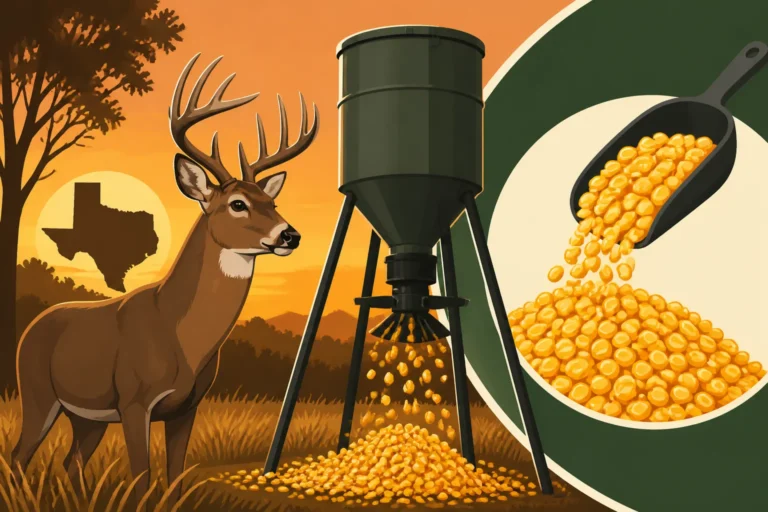
Feeders have become an iconic part of the Texas hunting landscape, and for good reason. They are incredibly effective tools for attracting and holding deer, especially in areas where natural forage might be scarce or inconsistent. However, simply throwing out some corn isn't the whole story; there are legalities, different types, and strategic considerations that truly optimize their use.
Legal Considerations for Hunting Over Feeders
First things first: Is it legal to hunt over corn in Texas? Yes, it is! Texas is one of the states that permits hunting over bait, including corn and other feed. This is a crucial distinction, as many other states have strict regulations against baiting. However, while legal for deer, you must always be aware of specific regulations that might apply to other species or in particular areas. For example, federal regulations often prohibit baiting for migratory birds like ducks and geese. Always consult the latest Texas Parks and Wildlife Department (TPWD) Outdoor Annual to ensure you are compliant with all current laws, as these can change.
It's also important to note that if you're hunting in a Chronic Wasting Disease (CWD) zone, there might be additional restrictions on feed or carcass movement. For instance, in some CWD zones, certain types of feeders or feeding practices may be restricted. Always double-check if your hunting area falls within one of these zones and adhere to any specific guidelines to prevent the spread of the disease. Transparency and compliance ensure responsible hunting practices for everyone.
Types of Feeders: Spin, Gravity, and Protein
Texas hunters have a variety of feeder types at their disposal, each with its own advantages.
- Spin Feeders: These are by far the most popular and versatile. They operate on a timer, dispensing feed (typically corn) at set intervals. This consistency helps pattern deer, bringing them to a specific location at predictable times. You can adjust the throw distance and duration, allowing you to control how much feed is distributed. They require a battery and often a solar panel for continuous operation, which is a great upgrade in sunny Texas. The ability to program multiple feed times is excellent for catching those dawn and dusk movements.
- Gravity Feeders: These feeders use gravity to drop feed into a trough as deer consume it. They're simpler, with fewer moving parts, making them very reliable. However, they don't ration feed on a timer, so deer can eat as much as they want, whenever they want. This can be great for providing a consistent food source but can also lead to feed being consumed rapidly by non-target animals like raccoons or feral hogs. They are excellent for offering protein pellets, as deer can consume them on demand.
- Protein Feeders: These are specialized gravity feeders designed specifically for high-protein pellets, rather than corn. While deer love corn, it's primarily a carbohydrate. Protein pellets provide essential nutrients for antler growth and overall herd health, especially important during late winter, spring, and summer months. Protein feeding deer for bigger antlers is a common practice on many managed ranches. These feeders are crucial for year-round deer management, not just hunting season attraction.
Choosing the right feeder often depends on your budget, your goals (attraction vs. nutrition), and how often you can service the feeder. Many hunters use a combination, perhaps a spin feeder for corn during hunting season and a larger protein feeder year-round.
Optimal Feeder Placement and Management
Placing your feeder isn't just about putting it in an open spot. Strategic placement can greatly enhance its effectiveness. First, consider the wind. You want to place your feeder so that the prevailing wind during hunting hours carries your scent away from the approach trails deer use to get to the feeder. Second, think about cover. Deer are naturally wary. While they'll come to a feeder, they prefer to approach and depart from areas with good cover, feeling secure. Placing your feeder near a brush line, a stand of trees, or a creek bed provides this sense of security. Avoid wide-open fields where deer feel too exposed.
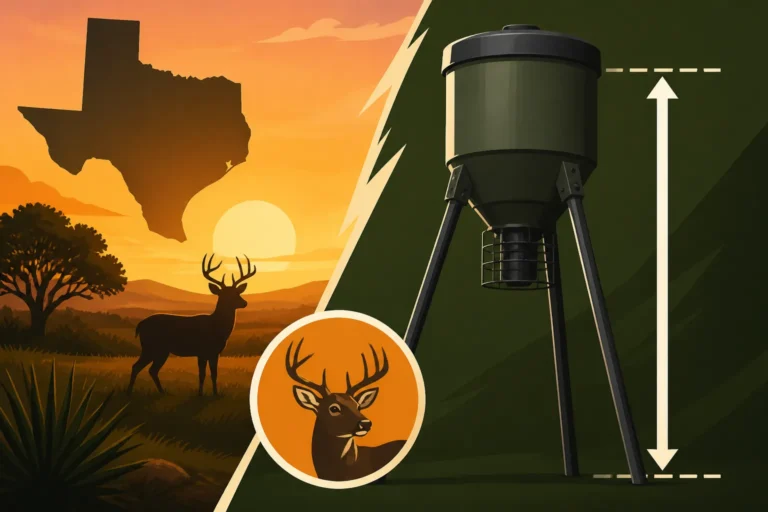
The distance from your blind to the feeder is also critical. Too close, and deer might bust you getting in or out. Too far, and shot opportunities diminish, especially in low light. Generally, 75 to 150 yards is a good range for rifle hunting, allowing for clear shots while maintaining a safe distance. For bowhunting, you'll need to be much closer, typically 20-30 yards.
Consistent management is key. Keep your feeders filled, especially during the hunting season. An empty feeder quickly loses its drawing power. Also, consider predator control. Feral hogs are notorious for monopolizing feeders, eating vast amounts of corn. Many hunters install hog panels or hog-specific traps around their feeders to minimize this issue. You can even experiment with Best Feeder Timer Settings for Daylight Deer to try and shift feeding patterns away from nocturnal hog visits. Regular maintenance, checking batteries, and clearing any jams ensure your feeders are always doing their job.
Choosing and Setting Up Your Hunting Blind
Your hunting blind is your fortress, your sanctuary, and your vantage point. The right blind provides concealment, protection from the elements, and allows you to remain undetected. But with so many options available, picking the perfect one for your Texas hunt can feel overwhelming.
Box Blinds: Comfort, Concealment, and Durability
Box blinds, often referred to as "deer stands" in Texas, are the workhorses of many hunting leases. They offer unparalleled comfort and weather protection, making them ideal for long sits, especially during unpredictable Texas weather swings. These blinds are typically elevated on steel towers, providing an excellent vantage point over feeders and shooting lanes. The enclosed design helps contain scent, offers excellent concealment, and makes them suitable for hunting with kids or during inclement weather. Brands like Atascosa Wildlife Supply and T-Box Blinds are popular choices for their durability and thoughtful design.
When setting up a box blind, elevation is crucial. Aim for at least 8 to 12 feet, allowing you to shoot over brush and get a better view of the surrounding terrain. Orientation matters too; position your blind so the primary shooting lanes are not directly into the rising or setting sun, which can hinder your vision. Also, consider prevailing winds. Even though a box blind offers scent protection, it's not foolproof. Try to orient your blind so that common wind directions push your scent away from primary deer trails and feeder approaches. You'll want to brush in the base of your blind to further break up its silhouette and provide additional concealment. For a deeper dive into setup, check out our guide on How to Set Up a Box Blind Over a Feeder.
Tripod and Ladder Stands: Elevated Perspectives
For hunters who need a more portable or less permanent elevated position, tripod and ladder stands are excellent alternatives to fixed box blinds.
- Ladder Stands: These stands are secured against a tree, offering a stable, elevated platform with a built-in ladder for easy access. They provide a comfortable seat and often a shooting rail, making them great for rifle hunters or those who prefer a less enclosed feel. They’re relatively easy to set up and can be moved seasonally if needed. They excel in areas with mature trees providing natural cover.
- Tripod Stands: These free-standing stands offer an elevated perspective without the need for a suitable tree. They are highly versatile and can be placed in open fields, at brush lines, or on senderos. Their three-leg design provides stability, and many models offer swivel seats for 360-degree shooting opportunities. They are particularly popular in the expansive South Texas brush country where mature trees might be scarce.
Both ladder and tripod stands provide a good compromise between portability and stability. When selecting one, prioritize safety features like secure attachment mechanisms and sturdy construction. Always use a safety harness when hunting from any elevated stand, without exception. Just like with box blinds, consider your shooting lanes, sun position, and wind direction when choosing your exact setup location. Many hunters prefer a tripod blind for deer hunting because of its versatility across different terrains.
Ground Blinds: Flexibility and Close Encounters
Ground blinds offer an incredibly versatile and intimate hunting experience. They are portable, relatively inexpensive, and allow for quick setup and relocation, making them perfect for scouting new areas or adapting to changing deer patterns. Brands like Primos, Ameristep, and Barronett Blinds are popular choices among Texas hunters. The key to successful ground blind hunting is concealment. Brush in your blind extensively, breaking up its outline with natural vegetation found in the area. The goal is to make it look like just another clump of brush.
Ground blinds are excellent for bowhunting due to the closer shot distances they allow. They can be placed in unexpected locations, like along a well-used trail, in a creek bed, or at the edge of a food plot. However, scent control is paramount when hunting from a ground blind, as you are at deer level. Pay meticulous attention to wind direction and use scent-eliminating sprays or ozone generators. Also, plan your entry and exit routes carefully to avoid spooking deer. The natural cover that makes them effective also means you need to be extra vigilant about what's around you, as deer can seemingly appear out of nowhere.
| Blind Type | Key Advantages | Ideal Use Case |
|---|---|---|
| Box Blind | Comfort, weather protection, scent containment | Permanent feeder setups, long sits, hunting with kids |
| Tripod Stand | Elevated view, no tree needed, 360-degree shoot | Open country, brush lines, senderos, versatile placement |
| Ladder Stand | Elevated view, stable, easy access, good for rifle | Areas with mature trees, less permanent than box blinds |
| Ground Blind | Portable, flexible, intimate experience, bowhunting | Scouting, quick setups, thick cover, close range |
Effective Hunting Tactics for Texas Whitetail
Beyond simply sitting in a blind, there are numerous tactics that can increase your chances of success. Texas whitetail are often wary and intelligent, requiring a thoughtful approach.
Still Hunting and Stalking in the Brush
Still hunting and stalking are art forms, especially in the dense South Texas brush. Still hunting involves moving very slowly, taking a few steps, then pausing for several minutes to scan for movement, listen for sounds, and look for tell-tale signs like flicking ears or horizontal lines in the vertical brush. It requires immense patience and sharp observational skills. Every shadow could be a deer, every rustle a sign. This method is particularly effective when you know deer are in an area but aren't actively coming to a feeder, or if you're exploring new ground.
Stalking takes it a step further, actively pursuing a sighted animal while remaining undetected. This is incredibly challenging in Texas due to the crunchy, dry underbrush and abundant thorns. Success hinges on reading the terrain, anticipating deer movement, and using every bit of available cover. You'll need soft-soled boots and the ability to place your feet silently. Always keep the wind in your favor. These methods are demanding but can be incredibly rewarding, offering a truly immersive hunting experience in the wild parts of Texas. Knowing how to hunt whitetail deer in Texas effectively often involves mastering these skills.
Calling and Decoying Strategies
Deer calling and decoying can add an exciting dimension to your hunt, especially during the rut.
- Rattling: Mimicking the sound of two bucks fighting by clashing antlers can draw in curious bucks looking for a fight or an easy doe. This is most effective during the pre-rut and peak rut phases. In South Texas, the rut often peaks around December, but can vary. Knowing when to rattle for bucks in South Texas is key to its effectiveness. Short, aggressive sequences followed by silence and intense scanning are typical.
- Grunting: Grunt calls imitate a buck's grunt, often used to express dominance or locate other deer. A simple "contact grunt" can sometimes get a response from a passing buck, or a more aggressive "growl" might challenge a dominant buck. Combine grunts with rattling for an even more realistic scenario. Learning how to grunt and rattle whitetail in the Hill Country requires practice and observation of local deer.
- Doe Bleats: These calls imitate the sound of a receptive doe and can be effective for drawing in bucks, particularly during the rut.
- Decoys: A deer decoy, especially a buck decoy, can provide a visual stimulant that complements your calling. Position it so that an approaching buck sees it as a challenge. A doe decoy can also draw in rutting bucks. Always set up your decoy downwind of your position and far enough away that a buck focuses on the decoy, not on your blind.
Success with calling and decoying requires practice and understanding deer vocalizations. Watch videos, listen to real deer, and experiment with different calls to see what works in your area.
Understanding Wind and Scent Control
This cannot be stressed enough: wind is your enemy, and scent control is your first line of defense. A deer's nose is its primary defense mechanism. If a deer catches your scent, your hunt is over, plain and simple. Always, always, always hunt with the wind in your favor. This means positioning yourself so the wind carries your scent away from where you expect deer to approach or pass. A simple wind checker bottle is an invaluable tool to confirm wind direction before and during your hunt.
Beyond wind direction, meticulous scent control is essential. This includes:
- Washing hunting clothes in scent-free detergent.
- Storing hunting clothes in airtight bags or containers with natural elements like cedar.
- Showering with scent-free soap and shampoo before a hunt.
- Using scent-eliminating sprays on your body and gear, though these are often temporary fixes.
- Minimizing human odor sources like gasoline, coffee, or cigarette smoke.
- Utilizing ozone generators in your blind or gear storage, which can be highly effective at neutralizing odors.
Even with the best scent control, wind direction remains paramount. A slight shift in wind can expose you, so always be aware and ready to adjust your strategy.
Seasonal Strategies for Deer Hunting in Texas
Texas deer season runs for several months, and deer behavior shifts dramatically throughout these periods. Adapting your tactics to the specific time of year is crucial for consistent success.
Early Season: Adapting to Warm Weather
The early season in Texas, typically starting around September 30 for archery and early November for general season, often brings warm to hot temperatures. Deer are still in their summer patterns, focusing on food and water, and are largely nocturnal to avoid the heat. This means they'll likely be moving more in the cooler hours of dawn and dusk. Your strategy should lean heavily on ambush points near water sources, shaded travel corridors, and feeders. Consider hunting stands and blinds that offer more shade during the day.
Hydration is just as important for you as it is for the deer! Pack plenty of water. Scent control is also critical, as sweat can magnify your odor. Focus on light, breathable clothing, and be prepared for potential encounters with snakes, which are still active in the warm weather. Early season bucks might still be in bachelor groups, and their antlers will be hard. This is a great time to pattern deer using trail cameras. Learning how to scout for deer before season in Texas is invaluable, especially during these initial hot weeks.
The Rut: Capitalizing on Peak Activity
The rut is arguably the most exciting time to hunt whitetail deer in Texas. Bucks, driven by the urge to breed, abandon their cautious nature and become much more active during daylight hours. The timing of the rut varies by region, but generally peaks in late October through December. For example, in parts of South Texas, the rut is often in mid-December, while in the Hill Country, it might be late October to mid-November. Understanding The Texas Rut: When Do Bucks Rut by Region? is essential for capitalizing on this window.
During the rut, traditional feeder hunting can still be effective, but new tactics come into play. Bucks will be actively seeking does, making calling (rattling, grunting, bleating) and decoying highly effective. Focus on travel corridors between known bedding and feeding areas, especially those with scrapes and rubs, which are signs of buck activity. Bucks will be moving constantly, so covering ground with still hunting or setting up in areas with good visibility can pay off. Be patient, as a dominant buck might cruise through at any time, scent-checking for does.
Late Season: Post-Rut Challenges and Opportunities
After the rut, typically from late December through January, deer enter the late season. Bucks are often exhausted and have lost significant body weight, making them less interested in fighting and more focused on recovery. Does that weren't bred during the primary rut might experience a "second rut," which can bring some renewed buck activity. However, for the most part, deer return to patterns focused on high-calorie food sources to replenish their energy.
This is when feeders, especially those offering corn, become absolutely critical again. Deer need to build back their fat reserves for the winter, so they will be hitting reliable food sources hard. Focus on cold-weather tactics: layering clothing, ensuring your blind offers good thermal protection, and hunting during the coldest parts of the day when deer need to feed. Look for deer in sunny, sheltered areas where they can warm up. While the excitement of the rut might be over, late season offers a unique opportunity to harvest deer focused purely on survival.
Essential Gear for Texas Deer Hunters
Having the right gear won't guarantee a successful hunt, but having the wrong gear can certainly guarantee a miserable one. Texas hunting often means battling heat, thorns, and sometimes sudden cold fronts, so choosing appropriate equipment is paramount.
Optics: Binoculars, Scopes, and Rangefinders
Clear, quality optics are non-negotiable for serious Texas deer hunting.
- Binoculars: A good pair of binoculars (10×42 is a popular choice) is your most important scouting tool in the field. They allow you to glass distant brush lines, identify deer movement, and even field judge antlers without spooking game. Look for binoculars with good light-gathering capabilities for those crucial low-light hours. Brands like Vortex, Leupold, and Maven offer excellent options for various budgets. For the dense South Texas brush, a wider field of view can be beneficial.
- Rifle Scopes: Your rifle scope needs to be rugged, reliable, and clear. Variable power scopes (e.g., 3-9×40 or 4-12×40) are versatile for the varying shot distances you might encounter in Texas, from close-range brush country shots to longer shots across senderos. Ensure your scope is zeroed properly for your preferred hunting distance. Look for good light transmission and a clear reticle. Best Rifle Scope for Texas Deer Hunting can help you make a great choice.
- Rangefinders: In Texas, judging distance, especially in varying terrain or dense brush, can be tricky. A laser rangefinder takes the guesswork out of it, providing precise distances to your target, which is essential for accurate shot placement. Many rangefinders also offer angle compensation, a useful feature when shooting from elevated blinds or across uneven ground.
Investing in quality optics is an investment in your success and ethical hunting.
Weaponry: Rifles, Bows, and Muzzleloaders
Texas offers diverse hunting opportunities, and your choice of weapon should match your hunting style and the game you pursue.
- Rifles: For most Texas deer hunting, centerfire rifles are the weapon of choice. Calibers like .270, .30-06, .308, and 6.5 Creedmoor are all popular and highly effective for whitetail deer. The key is shot placement and using an appropriate bullet for clean, ethical kills. Understand your rifle's capabilities and practice regularly.
- Bowhunting: Archery season kicks off earlier in Texas, offering an extended opportunity. Bowhunting in Texas: Archery Season Guide covers everything you need to know. Whether you use a compound bow, traditional bow, or crossbow, the challenge and reward of bowhunting are immense. Shot distances are typically much closer, demanding greater patience and stealth.
- Muzzleloaders: Muzzleloader season typically falls between archery and general firearms season in specific counties, offering another hunting opportunity. Muzzleloaders are front-loading firearms that use black powder or a substitute. They offer a unique, traditional hunting experience and can be very effective within their range limitations. Muzzleloader Hunting Tactics in Texas can provide further insights.
Regardless of your chosen weapon, familiarize yourself with Texas hunting regulations regarding minimum caliber or projectile energy, especially for specific game animals. Always prioritize ethical shot placement and know your effective range.
Clothing, Boots, and Field Processing Tools
Don't underestimate the importance of appropriate clothing and gear for the Texas environment.
- Clothing: Texas weather can go from 80 degrees to 30 degrees in a single day. Layering is crucial. Lightweight, moisture-wicking camo for early season, and warm, insulated layers for colder late-season hunts are essential. Blaze orange is often required on public lands and during specific seasons, so always check the regulations.
- Boots: Arguably one of the most important pieces of gear in Texas are your boots. The terrain can be rocky, thorny, and uneven, and you'll inevitably encounter snakes. Investing in high-quality snake boots for Texas hunting is a wise decision. Brands like Lacrosse and Rocky offer excellent snake-proof options that provide protection and comfort. Alternatively, snake gaiters worn over regular hiking boots can also offer protection.
- Field Processing Tools: Once you've harvested a deer, the work begins. A sharp hunting knife is essential for field dressing. Consider a gut hook knife for ease of opening the cavity. Game bags are critical for protecting the meat from insects and dirt, especially if you have a trek back to the vehicle. In hot Texas conditions, knowing how to cool a deer fast in Texas heat is vital to preserving your harvest. A good cooler, like a Yeti or a quality alternative, is also necessary for transporting your game.
Having these essentials means you're prepared not just for the hunt, but for the crucial steps after the harvest to ensure your venison is properly cared for.
Ethical Hunting and Game Management in Texas
Hunting in Texas is more than just pursuing game; it's a privilege that comes with significant responsibilities. Ethical practices and participation in game management ensure healthy wildlife populations and preserve our hunting heritage for future generations.
Harvest Reporting and Tagging Requirements
Once you've harvested a deer, proper tagging and reporting are legal obligations in Texas. Immediately after harvest, you must complete the appropriate section of your hunting license tags. The tag must be securely attached to the deer. In many counties, especially those participating in the Managed Lands Deer Program (MLDP) or those with specific harvest data needs, you are also required to report your harvest to the TPWD via the My Texas Hunt Harvest app or website.
This data is crucial for wildlife biologists to monitor deer populations, track harvest trends, and make informed management decisions. Failure to properly tag or report a harvest can result in fines and loss of hunting privileges. Familiarize yourself with how to report your harvest in Texas well before you head out, and always carry a pen or pencil to fill out your tag accurately in the field.
CWD Zones and Carcass Movement Restrictions
Chronic Wasting Disease (CWD) is a neurological disease affecting deer and elk, and Texas Parks and Wildlife Department (TPWD) is actively monitoring and managing its spread. When hunting in a CWD zone, there are specific, critical regulations you must follow, including mandatory CWD testing for harvested deer in some areas and strict rules regarding carcass movement. These regulations are designed to prevent the further spread of the disease.
For example, in CWD zones, you might not be able to transport certain parts of a deer carcass outside of the zone unless it's been quartered, boned out, or processed in an approved facility. Always check the current CWD zones in Texas: Map & Restrictions before your hunt. It's not just about compliance; it's about protecting our state's deer herds from this devastating disease. Your cooperation is vital.
MLDP and QDM Practices
The Managed Lands Deer Program (MLDP) is a voluntary program offered by TPWD that allows landowners to intensively manage their deer populations to achieve specific harvest and habitat goals. Properties enrolled in MLDP receive special MLDP tags, which often replace the general county tags and allow for extended season dates and flexible harvest limits, all based on a comprehensive deer management plan.
MLDP is a cornerstone of Quality Deer Management (QDM) in Texas. QDM focuses on balancing the deer herd with the habitat, producing healthier, larger deer, and improving the overall hunting experience. It involves selective harvesting – removing fewer young bucks and more does – to allow bucks to reach older age classes and express their full antler potential. If you hunt on a lease or ranch participating in MLDP, understanding MLDP tags in Texas: How They Work and adhering to the specific harvest recommendations is crucial. Even on properties not in MLDP, understanding QDM principles can help you make more informed harvest decisions that contribute to a healthier deer population in your area.
Disclaimer
Hunting is an inherently dangerous activity. This guide provides general information for educational purposes only and is not a substitute for professional instruction, adherence to all applicable laws and regulations, or sound judgment in the field. Always prioritize safety, respect wildlife, and obtain all necessary licenses and permits before engaging in any hunting activities. Regulations, seasons, and zones can change, so always consult the most current Texas Parks and Wildlife Department Outdoor Annual and local ordinances.