Best Way to Hunt Hogs in Summer
Hunting hogs in the scorching Texas summer can feel like an exercise in futility. The relentless heat and the hogs' nocturnal habits make traditional daytime hunting a real challenge, leaving many hunters frustrated and coming up empty-handed. But don't despair! With the right understanding of their summer behavior and some strategic adjustments to your approach, you can still have a successful and exciting hog hunt even when the temperatures soar. This guide is all about giving you those actionable steps to make your summer hog hunts productive and enjoyable.
Understanding Summer Hog Behavior in Texas
You know that feeling when you step outside in July in Texas and the air just hits you like a brick wall? Imagine being covered in coarse hair with no sweat glands. That's a hog's reality, and it dictates almost everything they do during our brutal summers. Understanding these adaptations is your first step to finding them.
The Impact of Heat on Hog Activity
When the mercury climbs, feral hogs in Texas drastically shift their routines. They become almost exclusively nocturnal, moving and feeding primarily under the cover of darkness when temperatures are much more forgiving. During the day, they seek out the densest, shadiest cover imaginable—think thickets of huisache, mesquite, or deep creek bottoms with heavy canopy. You're not going to find them casually rooting around in an open field at high noon; that's just asking for heatstroke for them, and honestly, for you too. This switch to nighttime activity means your hunting schedule needs to shift dramatically if you want to be where they are when they're active.
Water Sources and Wallowing Spots
Water is life for everything in Texas, especially for hogs trying to beat the heat. Since they can't sweat, wallowing in mud is their primary way to cool down. It's not just about comfort; it's a survival mechanism. This means that during the summer, any natural or man-made water source becomes a major hog magnet. Stock tanks, puddles in creek beds, slow-moving rivers, and even leaky water troughs are prime real estate. Look for heavily disturbed mud around these areas – deep tracks, rub marks on nearby trees, and that distinct musky hog smell will tell you they've been using it as a spa. These wallows also serve as bug repellant, caking their skin with mud to deter biting insects. If you find a well-used wallow near good cover, you've found a hog hotspot.
Food Sources During Summer Months
While hogs are notoriously opportunistic eaters, their summer diet in Texas also changes with what's available. In late summer, agricultural fields become massive draws. They'll hit corn, milo, and peanut fields hard once the crops start to mature. Beyond agriculture, natural food sources like prickly pear fruit, acorns (if available early), and various tubers are on their menu. They'll spend hours rooting through the soil for grubs and roots, often leaving behind a tell-tale "plowed" appearance. Locating these feeding areas, especially those adjacent to dense bedding cover and a water source, creates a perfect trifecta for setting up a summer hunt. Keep an eye on the edges of fields and any creek drainages that run through or alongside them, as these are natural travel lanes.
Prime Times and Locations for Summer Hog Hunting
Given their nocturnal shift, your approach to hunting hogs in the summer needs to be equally adaptive. It’s not just about what you do, but when and where you do it.
Hunting During Cooler Hours Night Hunting
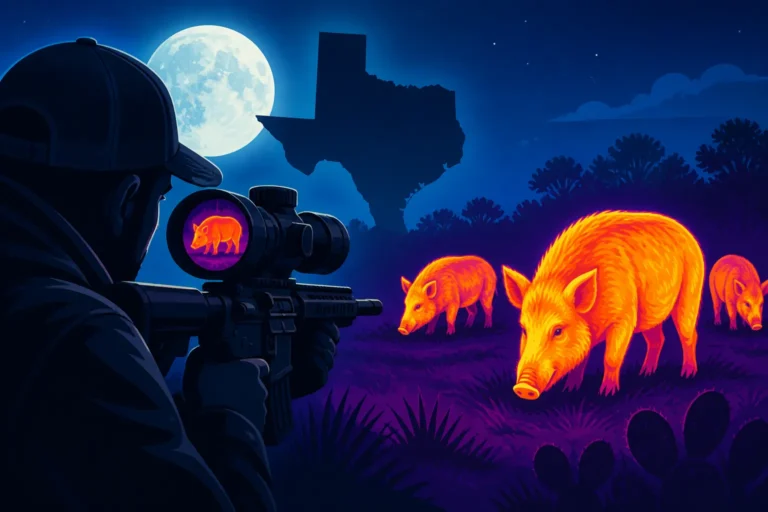
The absolute best time to hunt hogs in the Texas summer is when the sun isn't in the sky. As soon as that golden hour hits and the sun starts dipping below the horizon, hogs begin to stir. Their activity will peak in the dead of night and continue until the first rays of dawn. This makes How to Hunt Hogs at Night With Thermal an incredibly effective strategy. You'll need to invest in the right gear, but the results can be game-changing. Without the sun beating down, hogs are more relaxed and move with purpose, making them easier to pattern and intercept. Setting up near known feeding areas, water sources, or travel corridors under the cloak of darkness gives you a massive advantage. Remember, patience is key during these nocturnal vigils.
Targeting Water and Mud Holes
As we discussed, water is a precious commodity, and hogs exploit every drop. This makes targeting water sources a highly effective summer tactic. Rather than just scouting for them, consider setting up a stand or blind overlooking a well-used stock tank, pond, or even a man-made water trough. Hogs will visit these spots frequently, often multiple times throughout the night. It's not just for drinking; they're there to wallow and cool off. Look for fresh tracks, disturbed mud, and indications of recent activity. A good strategy might involve placing a game camera at these spots to confirm their nocturnal patterns before committing to a hunt. You might be surprised how many hogs show up once the sun goes down.
Locating Hog Travel Corridors
Hogs, like most game animals, are creatures of habit. They establish well-worn trails, or "hog highways," that connect their bedding areas to food and water sources. These corridors are especially pronounced in areas with dense brush, along creek beds, or through fence lines. During the summer, these trails will often be deeply cut, with fresh tracks, and sometimes even rub marks on trees or brush where larger hogs have scraped themselves. Finding these travel corridors and setting up an ambush point, especially where they funnel through a pinch point or cross an open area, can be incredibly effective. Consider using an app like onX Hunt to identify potential travel routes between known cover, food, and water on your property. This kind of careful scouting beforehand significantly increases your chances.
Effective Hunting Methods for Summer Hogs
Once you understand when and where hogs move in the summer, it's time to talk about the how. Certain methods simply shine brighter when the heat is on.
Stand Hunting Over Bait (Feeders)
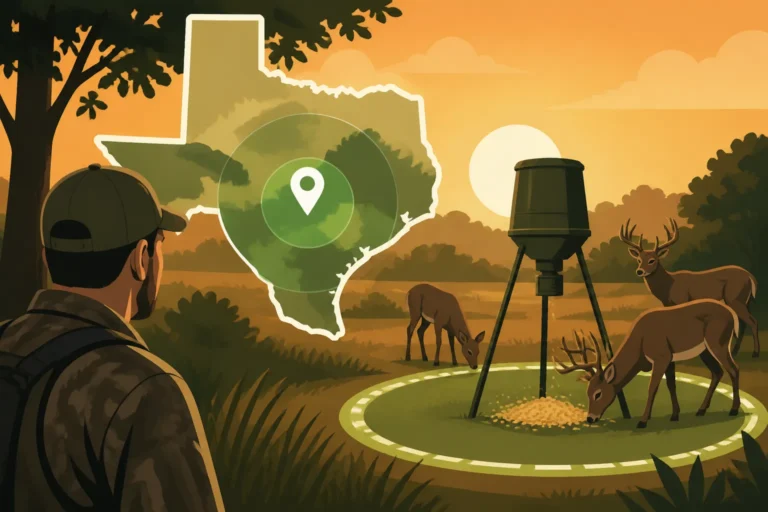
Using feeders is a time-tested method for drawing in hogs, and it's particularly effective in the summer when natural food sources might be less concentrated or harder to find. A strategically placed feeder, especially one dispensing corn, can create a reliable draw. The key here is consistency and placement. Set up your feeder near dense cover and, ideally, within reasonable distance of a water source. Hogs will learn the pattern and visit regularly, mostly at night. You can use a protein feeder designed for deer, or a simple spin feeder. Knowing Best Deer Feeder Setup for Texas can help you adapt your feeder placement for hogs. If you're concerned about deer consumption, there are specific feeder modifications and designs, like Boss Buck feeders, that can make it harder for deer to access the feed while still allowing hogs to get to it. Always check local regulations, but generally, hunting over bait for hogs is perfectly legal in Texas.
Thermal and Night Vision Hunting
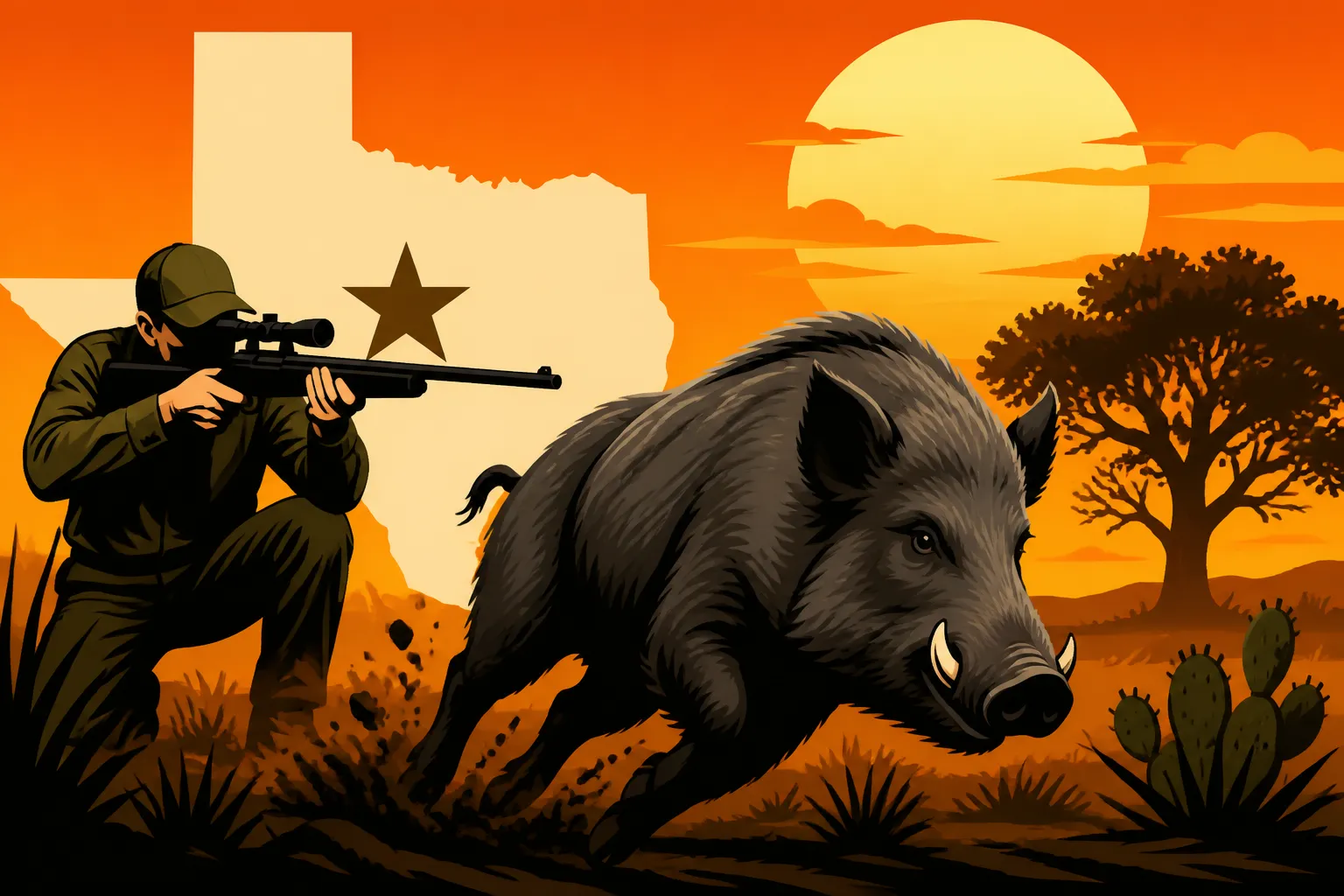
This is arguably the most effective way to hunt hogs in Texas during the summer. Since hogs are primarily nocturnal, thermal optics or night vision devices level the playing field. Thermal scopes allow you to detect the heat signatures of animals against a cool background, making hogs visible even in complete darkness or dense brush. This is invaluable for spotting hogs that would be completely unseen with traditional optics. Thermal Hog Hunting in Texas is not only legal but highly efficient. Pairing a thermal monocular for scanning with a thermal scope on your rifle allows you to quickly locate hogs, assess their movement, and make an ethical shot. Brands like Pulsar and AGM offer excellent thermal devices that can transform your summer hunting success, allowing you to hunt hogs at night without thermal if you prefer, but it significantly reduces your effectiveness.
Spot-and-Stalk in Dense Cover (with caution)
While less common and certainly more challenging in the summer heat, a spot-and-stalk approach can still yield results, particularly during the first and last hours of daylight or on cooler, overcast days. This method requires extreme stealth, patience, and a deep understanding of hog movement. Focus your efforts on the edges of dense bedding cover, along creek bottoms, or where thick brush meets agricultural fields. The goal is to move slowly, using the wind to your advantage, and to utilize every bit of cover to approach undetected. This is a high-reward, high-effort strategy, and it's essential to prioritize safety. Be acutely aware of your surroundings, as hogs can be aggressive, especially sows with piglets. Bowhunting hogs in Texas can be incredibly rewarding with this method, but again, caution is paramount.
Essential Gear and Preparation for Summer Hunts
Summer hog hunting in Texas isn't just about the hogs; it's about preparing yourself for the elements. Staying safe and comfortable is just as important as being effective.
Hydration and Heat Management
This cannot be stressed enough: Texas summers are dangerous. Dehydration and heatstroke are real risks. Always carry significantly more water than you think you'll need. Electrolyte drinks are also a wise addition. Wear a wide-brimmed hat to protect your face and neck, and consider a cooling towel or neck gaiter. Plan your hunts during the coolest parts of the day, as discussed. If you're hunting remotely, bring a cooler packed with ice and extra water to keep in your vehicle for when you return. Remember, your body loses fluids even when you don't feel like you're sweating profusely in the humidity.
Appropriate Clothing and Footwear
Lightweight, breathable clothing is non-negotiable. Look for moisture-wicking fabrics in light colors that reflect the sun. Long sleeves and pants are recommended, not just for sun protection but also to guard against thorns, brush, and insect bites. Snake boots or snake gaiters are an absolute must, especially when moving through dense cover or at night. Rattlesnakes and cottonmouths are very active in the summer, and a bite can ruin more than just your hunt. Invest in quality Best Snake Boots for Texas Hunting that offer good ankle support and breathability. Your comfort and safety depend on it.
Post-Harvest Care in High Temperatures
Once you've successfully harvested a hog, the clock starts ticking, especially in the heat. Rapid cooling of the carcass is critical to preserve the meat. Field dressing immediately is essential. Get the guts out quickly to allow the body cavity to cool down. If you're far from your vehicle, a game cart can be a lifesaver for hauling the animal out quickly. How to Field Dress a Deer in Hot Weather offers excellent advice that applies directly to hogs. Get the animal to ice as soon as possible. Quartering the animal and placing the meat in coolers filled with ice water is the best way to rapidly drop its core temperature. Don't just lay it on top of ice; submerse it.
Here’s a quick guide for post-harvest care:
| Step | Action | Why It's Important |
|---|---|---|
| Immediate Field Dressing | Remove all internal organs as soon as the animal is down. | Allows the carcass to cool rapidly from the inside out, prevents spoilage. |
| Elevate & Ventilate | If possible, hang the hog or prop it open to allow air circulation. | Further aids in cooling; reduces contact with hot ground. |
| Transport Swiftly | Get the hog to a cooler or processing facility as quickly as possible. | Minimizes exposure to ambient heat, slowing bacterial growth. |
| Ice Down Properly | Submerge quartered meat in a cooler filled with ice water. | Most effective way to drop core temperature; ice cubes alone aren't enough for full contact. |
| Monitor Temperature | Keep meat submerged in ice water, replenishing ice as needed. | Ensures meat stays at a safe temperature (below 40°F) until further processing. |
By taking these steps, you can ensure your hard-earned harvest doesn't go to waste, even on the hottest Texas day.
Disclaimer
Hunting is an inherently dangerous activity. Always prioritize safety, follow all local, state, and federal regulations, and obtain proper licensing. Be aware of your surroundings, wear appropriate safety gear, and hunt responsibly. The information provided here is for educational purposes only and should not replace professional advice or training.