How to Hunt Feral Hog on a Texas Lease
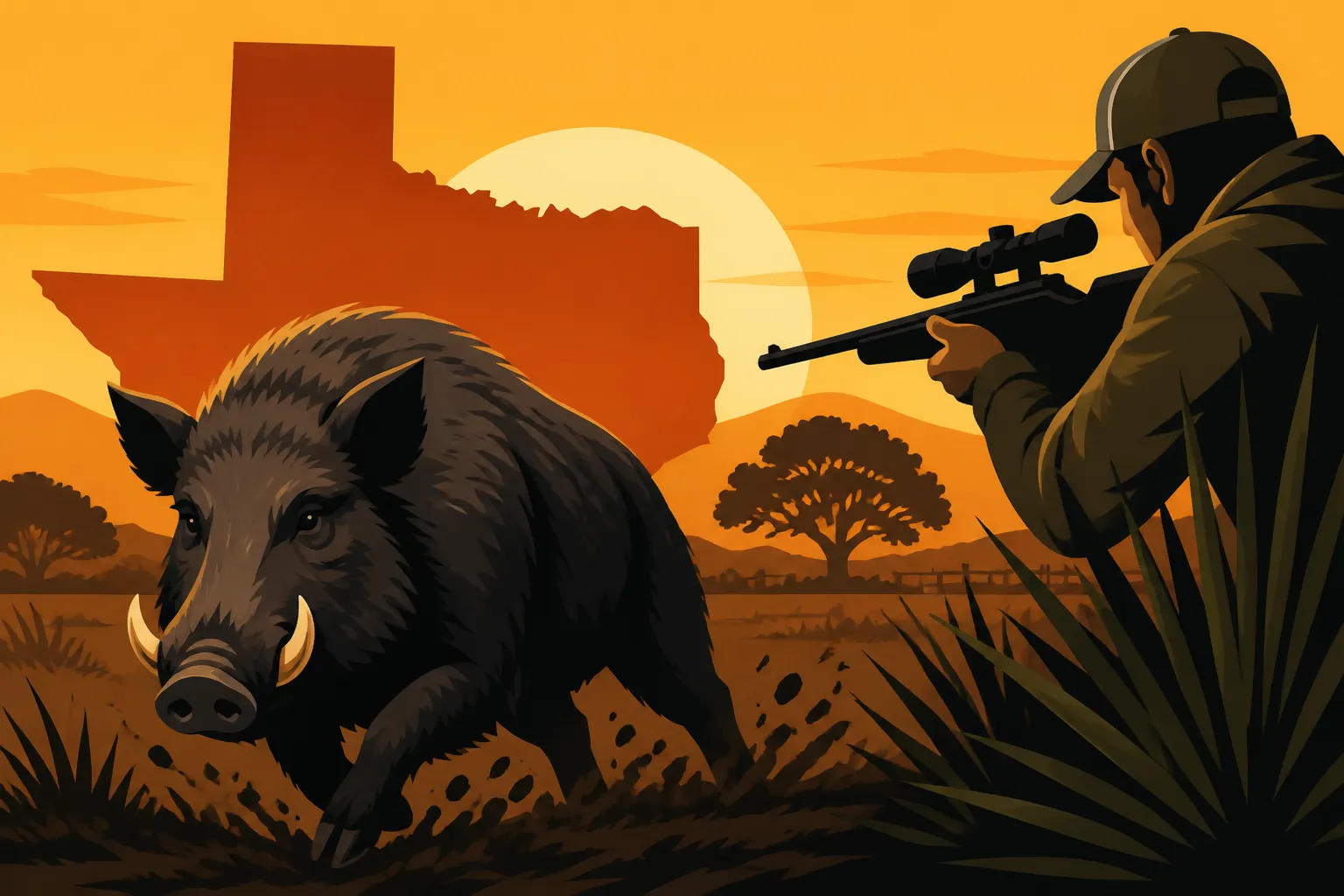
If you have finally secured a spot on a private property, you likely realized that feral hogs are both a blessing and a curse. While they provide year-round action, their ability to destroy feeders and displace deer is a constant headache for any serious outdoorsman. This guide breaks down the strategic nuances of managing and harvesting hogs specifically on a private lease environment.
Understanding the Patterns of Lease Hogs
One of the biggest misconceptions about feral hogs is that they are aimless wanderers. On a settled piece of private land, hogs are actually highly calculated and pattern-oriented. If you are hunting a property in the Post Oak Savannah or the brushy draws of the Rolling Plains, you have to realize that these animals know the "dinner bell" better than the local deer do. They are smart, social, and incredibly sensitive to human pressure. When you are on a lease, your primary advantage is the ability to control that pressure, but one wrong move can turn a resident sounder into a group of nocturnal ghosts.
Resident Sounders vs. Transitory Boars
On your lease, you are dealing with two distinct types of hogs. First, there are the resident sounders—groups of sows and juveniles that claim a specific territory, usually centered around a reliable water source or a thick cedar brake. These sounders are predictable. If you use a high-quality Best Trail Camera for Lease Monitoring, you will likely see them hitting the same corn feeder within a twenty-minute window every single day. They rely on safety in numbers and the lead sow’s memory of where the easiest meal is located.
Then there are the lone boars. These are the "trophy" hogs that many lease members prize for their tusks and size. Unlike sounders, large boars are often transitory. They might stay on your acreage for three days and then vanish for three weeks as they roam across property lines looking for receptive sows or acorns. To effectively hunt these, you have to look for "rub trees" near water. Look for mud caked on the bark of utility poles or mesquite trees about eighteen inches off the ground. This tells you a big boar is claiming that spot as his own.
The Impact of Seasonal Shifts
Texas weather is notoriously erratic, and hog behavior shifts violently with the thermometer. In the dead of summer, hogs are almost exclusively nocturnal. They will bed down in the thickest yaupon or prickly pear they can find to stay cool. During these months, your best bet is Hog Hunting at Night in Texas: Is It Legal? (Yes) because you simply won't see them during the sweltering daylight hours. They have to stay near water to regulate their body temperature, so focus your efforts on tanks and creek bottoms.
In the winter, however, their metabolism shifts. They need more calories to maintain body heat, which makes them much bolder. You might catch a sounder out in a wheat field at two o'clock in the afternoon on a crisp January day. This is the best time to utilize Spot-and-Stalk Hunting in Texas (Exotics & Mule Deer) techniques, as the lack of foliage makes them easier to spot from a distance. Understanding these seasonal shifts prevents you from wasting hours in a blind when the hogs are miles away hunkered down in a swampy bottom.
Strategic Setup for Success on a Private Lease
The beauty of a lease is the ability to influence the environment. Unlike public land where you are at the mercy of whoever walked through the woods an hour before you, a lease allows you to create a "kill zone." However, this requires more than just throwing corn on the ground. You need a structural approach to your feeding and scouting to ensure you aren't just feeding the hogs, but actually setting yourself up to harvest them.
Feeder Management and Placement
If you want to keep hogs coming back without them destroying your equipment, you have to be smart about your feeder setup. Hogs are destructive by nature. They will root under a feeder until the legs sink or they will use their snouts to bash the spinner plate. Many lease members have moved toward using a Best Protein Feeder for Texas Deer that is partitioned off, but hogs will still find a way to the "fines" or dropped pellets.
A common strategy is to place a "hog-specific" feeder away from your primary deer blinds. This keeps the hogs from "running off" the bucks you’ve been patterning. Set your hog feeder in a low-lying area near a travel corridor. Use a heavy-duty spin caster and consider a Best Solar Panel for Deer Feeders to ensure the battery never dies during a long absence. If you want to get fancy, "sour" your corn by soaking it in water and strawberry soda or diesel (though diesel is controversial, it keeps the raccoons away). The pungent smell acts as a long-range attractant that hogs can’t resist.
Trail Camera Strategy for Hog Patterning
Scouting is the backbone of successful hog hunting. You shouldn't just be looking for "if" hogs are there, but "when" they are there. Using a Tactacam Reveal Trail Camera Review style setup allows you to get real-time updates on your phone. This is a game-changer for lease hunters who live a few hours away. If you see a massive boar hitting a feeder three nights in a row at 9:00 PM, you know exactly when to make the drive out.
Place your cameras at 45-degree angles to the trails leading to the water or feed. Hogs have a surprisingly good sense of "something being out of place," so try to mount your cameras higher up—about six or seven feet—and angle them down. This keeps the camera out of their direct line of sight and prevents them from rubbing against the tree and knocking the lens out of alignment. Look for the "lead sow" in the photos; she is the one you need to watch. If she becomes skittish, the whole sounder will vanish.
| Tactic | Best Season | Pros | Cons |
|---|---|---|---|
| Feeder Stand | Winter / Fall | Predictable shots, comfortable | Hogs can become "feeder shy" |
| Night Thermal | Summer / Spring | High success rate, avoids heat | Requires expensive gear |
| Spot and Stalk | Winter | Exciting, covers more ground | Hard to get close in crunchy brush |
| Water Hole Sit | Late Summer | Only place hogs must go | Bugs and extreme heat |
Effective Hunting Methods for Feral Hogs
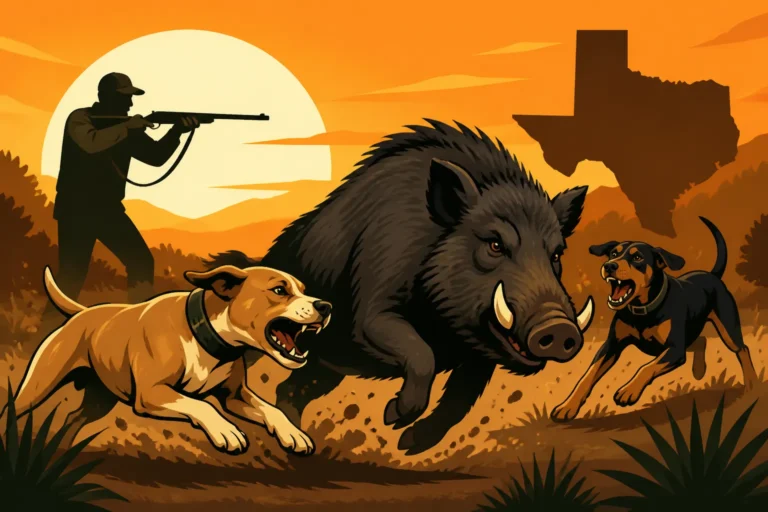
Once you have the patterns down and your gear is in place, the actual hunt begins. Feral hogs are tough. Their "shield"—a thick layer of cartilage and scar tissue over the ribs—can stop a poorly placed bullet or arrow in its tracks. On a lease, you often have the luxury of choosing your method based on the current weather and hog activity.
Blind Hunting and Night Tactics
Most lease hunters prefer the comfort of a box blind. It hides your movement and, more importantly, helps contain your scent. However, because hogs are primarily nocturnal on many Texas properties, you need to be prepared for the dark. If you don't want to spend thousands on thermal, you can use How to Hunt Hogs at Night Without Thermal by utilizing motion-activated feeder lights. These lights slowly fade on when they detect movement, allowing the hogs' eyes to adjust without spooking them.
When hunting from a blind, patience is your greatest virtue. A sounder will often send in "scouts"—usually smaller sub-adults—to test the area before the big sows and boars commit. If you shoot the first small hog that walks out, you might scare off the 250-pound boar lingering in the shadows. Wait for the group to settle in and start feeding. This is where Best Gear for Feral Hog on a Texas Lease comes into play; having a steady rest and a clear optic is essential for the low-light conditions common in hog hunting.
Spot-and-Stalk and Still Hunting
If you find that the hogs are avoiding your feeders, it is time to go to them. This is often necessary on larger leases in West Texas or the Hill Country. Still hunting involves moving incredibly slowly through high-traffic areas, like creek bottoms or oak motts. You move ten yards, then glass for five minutes. Look for the flicker of a tail or the sound of a hog "grunting" or cracking a nut.
The wind is your absolute make-or-break factor here. A hog’s eyesight is mediocre, but their nose is world-class. You must keep the wind in your face at all times. If the wind shifts to your back, the hunt is over before it begins. For the final approach, try to wait for the hogs to be busy rooting or fighting over food; the noise they make themselves will drown out the sound of your footsteps. If you are bowhunting, this is the ultimate challenge, and you should check out Bowhunting Hogs in Texas: Tips for specific advice on getting within twenty yards of a wary sounder.
Processing and Post-Hunt Considerations
The hunt doesn't end when the trigger is pulled. In fact, that is when the real work begins. Texas is a big state, and the heat is almost always a factor. If you are hunting on a lease in August, you have a very narrow window to get that animal broken down and on ice before the meat begins to spoil.
Field Dressing in the Texas Heat
As soon as the hog is down, you need to get the hide off. Hogs are built like thermoses; they hold heat incredibly well. Even on a cool night, the internal temperature of a large hog can stay high enough to sour the meat within hours. I always recommend having a dedicated cleaning station on your lease with a winch and a water source. Follow the steps in How to Cool a Deer Fast in Texas Heat but apply them even more aggressively to hogs.
Focus on the backstraps and the hind quarters. While some people eat the entire hog, the older boars can be quite "gamey" or tough. Many hunters prefer to harvest younger sows for the best table fare. Regardless of which hog you take, make sure you have a high-quality, sharp knife. Their skin is like sandpaper and will dull a standard blade in minutes. Always wear gloves while processing to protect yourself from potential diseases.
Safety and Disease Prevention
It is a gritty reality, but feral hogs in Texas can carry several diseases, the most notable being Swine Brucellosis and Pseudorabies. While these are not common in every sounder, the risk is high enough that you should never process a hog with bare hands, especially if you have any open cuts. Always use Best Knife for Skinning a Hog or Deer and ensure you are washing your tools thoroughly with bleach or heavy soap after use.
When it comes to cooking, the rule is simple: 160 degrees. Do not try to serve wild hog "medium-rare" like you would a store-bought pork chop or a venison backstrap. You need to cook it thoroughly to ensure any parasites or bacteria are destroyed. Many people find that marinating the meat in an acidic base (like vinegar or citrus) for 24 hours helps break down the tough muscle fibers and removes some of the stronger "wild" flavors. If you manage the process correctly, you'll find that many people actually prefer Is Axis Venison the Best Wild Game Meat? but a young wild hog is a very close second for many Texas families.
Texas Hunting Lease Disclaimer
This guide is intended for informational and educational purposes only. Hunting feral hogs in Texas is subject to state laws and regulations managed by the Texas Parks and Wildlife Department (TPWD). While hogs are considered an invasive species and can be hunted year-round with a valid hunting license, hunters must always verify local county ordinances and specific lease agreements. Always practice firearm safety, respect property boundaries, and ensure you are following the most current legal requirements for night hunting and carcass disposal in your specific region.