Texas Teal Season Dates 2026
There's something uniquely exhilarating about the Texas teal season. Just when you think the long, hot summer might never end, a whisper of fall breezes in, bringing with it the promise of fast-flying blue-wings. For many waterfowlers, that early taste of duck season is a deeply anticipated event, but keeping up with the exact dates can sometimes feel like trying to nail down a migrating bird itself. This comprehensive guide is here to clear up the confusion, lay out what we can expect for the 2026 Texas teal season dates, and equip you with the knowledge to make the most of this special early hunt.
Understanding Texas Teal Season: Why It's Unique
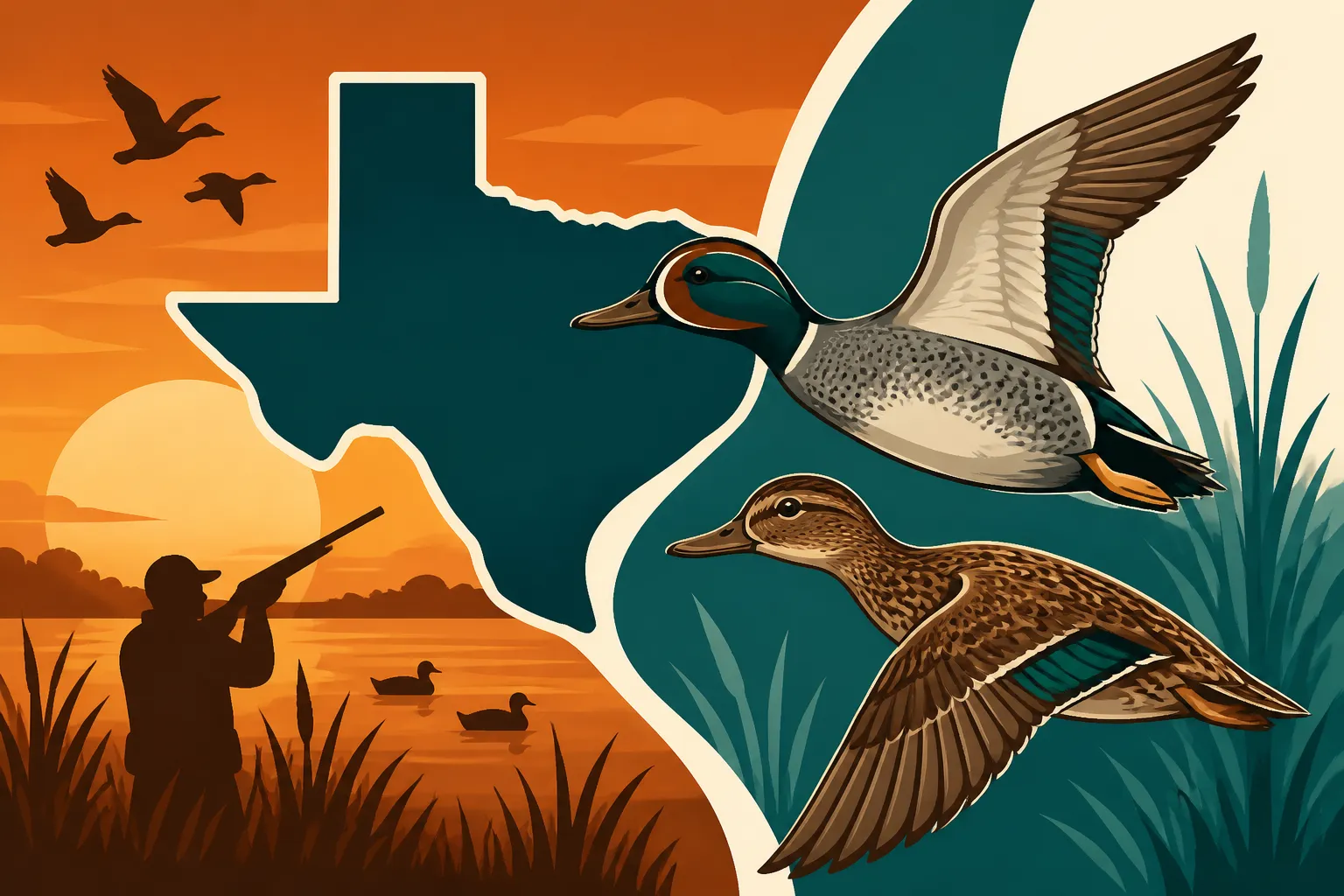
For folks who live and breathe waterfowl hunting, the early teal season isn't just a warm-up; it's a completely distinct challenge and a cherished tradition. Unlike the general duck season, which kicks off later in the fall, teal season provides a brief, intense window of opportunity to target primarily blue-winged teal as they make their way south. This early migration makes them accessible when many other duck species haven't even thought about leaving their northern breeding grounds.
The Early Bird Gets the Teal
The reason we have a separate, early teal season boils down to the migratory patterns of specific teal species, primarily the blue-winged teal. These little rockets are some of the first ducks to head south, often spurred by the subtle shifts in weather and photoperiod that signal the end of summer. They don't dilly-dally; they’re on a mission, often passing through Texas in a relatively narrow timeframe before the peak of the larger duck migration even begins. This early movement means that by setting aside a specific season, wildlife managers can allow hunters to pursue these birds without significantly impacting other waterfowl populations that arrive later.
It's a biological marvel, really, watching them zip across the sky with incredible speed. For hunters, it means adapting your tactics. You're not waiting for a big front to push birds down; you're often hunting in warm, sometimes even hot, weather, focusing on the first waves of migrants. This means scouting is paramount, as teal tend to stage in specific shallow-water habitats as they refuel on their epic journey.
The Thrill of a Short Window
The Texas teal season is famously short, usually lasting only about 9 to 16 days, depending on the year's federal frameworks. This brevity is a huge part of its allure, but also its frustration. You have to be ready, willing, and able to drop everything and go when the season opens. There's no time for procrastination; if you miss a weekend or two, you might miss the majority of the migration through your hunting area. This tight timeline means every hunt counts, and being prepared with your gear, your scouting, and your shooting skills is critical.
The short window also means that the birds you encounter can be incredibly fresh to hunting pressure, especially on the opening days. They haven't been shot at across multiple states yet, making them (sometimes) a little more forgiving. However, their natural speed and erratic flight patterns still present a significant challenge. It’s a sprint, not a marathon, and the intensity of those few weeks makes for some of the most memorable hunts of the year.
Projecting Texas Teal Season Dates for 2026
When it comes to exact hunting dates, especially for migratory birds, things aren't set in stone until closer to the actual season. However, Texas Parks and Wildlife Department (TPWD) follows a pretty consistent pattern based on federal guidelines, allowing us to make a very educated projection for the 2026 early teal season. It's always a good idea to double-check the official Texas Outdoor Annual once it's released for the specific year, but here’s what we expect.
How Dates Are Determined
The process for setting migratory bird seasons is a complex dance between federal agencies and state wildlife departments. The U.S. Fish and Wildlife Service (USFWS) establishes broad frameworks, dictating the maximum number of hunting days and earliest/latest possible dates for each flyway. Texas falls within the Central Flyway, which has its own specific guidelines. From there, the TPWD, often in consultation with local biologists and public feedback, sets the precise dates within those federal frameworks.
For early teal season, the dates consistently fall within September. This timing is crucial to target the peak of the blue-winged teal migration. Historically, it's often the last two to three weeks of September. While the exact start and end days might shift slightly year to year to accommodate full weekends or other factors, the general period remains predictable. This allows hunters to start planning well in advance, even if the absolute final dates aren't confirmed until mid-summer.
Anticipated 2026 Dates by Zone
Unlike the general duck season, which has distinct North, Central, and South zones with varying dates, the Texas early teal season is typically uniform statewide. This simplifies planning for many hunters, as you don't have to worry about crossing zone lines to catch the opener. Based on historical trends and the consistent placement in the latter half of September, we can project the Texas Teal Season dates to look something like this:
| Zone | Anticipated 2026 Start Date | Anticipated 2026 End Date | Total Days |
|---|---|---|---|
| Statewide | Saturday, September 7, 2026 | Sunday, September 22, 2026 | 16 |
Please remember, these are projected dates based on historical patterns. The official 2026 Texas Teal Season dates will be finalized and published by the Texas Parks and Wildlife Department later in 2025 or early 2026. Always consult the official Texas Outdoor Annual for the most accurate and up-to-date information before heading into the field.
Historically, the season has often started on the second Saturday of September and run for 16 consecutive days. For instance, the dates for the early teal season in previous years often begin around the second weekend of September and extend for about two weeks. This pattern gives hunters a good two full weekends, plus the weekdays in between, to pursue these swift migrants. You can often look at the pattern for the current year's September Teal Season Dates in Texas to get a feel for how TPWD typically schedules it.
Essential Gear and Tactics for Early Teal Season
Teal hunting isn't exactly like hunting big Canada geese or even mallards later in the year. These birds are smaller, faster, and often found in different habitats. This means your gear and tactics need to be specifically tailored to these early migrants and the warm weather conditions you'll likely encounter. Being prepared can make all the difference between a successful hunt and a frustrating morning.
Decoys and Setup
When it comes to decoys for teal, less is often more, and realism matters. You're generally not trying to pull in massive flocks over a huge spread. Instead, focus on a smaller, more realistic setup that mimics a few teal feeding or loafing in shallow water. A dozen or two teal decoys, predominantly blue-winged, are usually sufficient. Look for decoys that float well in shallow water and have natural-looking paint schemes. Brands like Higdon and Avian-X offer excellent teal decoys that really stand out.
Adding some motion to your spread can be incredibly effective. Jerk strings or spinning-wing decoys, like the Mojo Teal or similar models, can be absolute game-changers, especially on calm mornings. Teal are highly visual birds, and that flash of spinning wings or subtle ripple of a jerk string can catch their eye from a long distance. Position your spread in shallow water, often just a few inches deep, in areas where you've observed teal feeding or where there's abundant emergent vegetation. Think open pockets within cattails or smartweed, or flooded areas with sparse cover. For more general advice on setting up your spread, check out a guide on Best Duck Decoy Spread for Texas Coast, though you'll be scaling down for teal.
Camouflage and Concealment
Forget your heavy, insulated winter camo for early teal season. Texas in September is usually still quite warm, sometimes downright hot. You'll want lightweight, breathable camouflage that helps you blend into the early fall foliage or marsh grass without causing you to overheat. Patterns that mimic reeds, cattails, or muddy shorelines are ideal. A good head net or face paint is also crucial, as teal have excellent eyesight, and a shining face will stick out like a sore thumb.
Concealment is paramount. Teal often buzz low over the water, providing little time for an undetected movement. A well-constructed natural blind made from marsh grass or willow branches can be very effective. If you're hunting flooded timber or brush, simply standing still and blending in with the background can work. Many hunters utilize portable ground blinds or even just kneel down in thick cover. The key is to break up your outline and remain absolutely motionless until it's time to shoulder your shotgun. For staying comfortable and concealed in the Texas heat, consider tips from guides like Best Early-Season Camo for Texas Heat.
Shotgun and Shell Selection
Teal are small, fast, and surprisingly tough birds. While they might seem fragile, their dense feathering requires good shot placement and adequate energy. A 12-gauge or 20-gauge shotgun is typically preferred, offering a good balance of pellet count and maneuverability. You'll want to choose a load that delivers a dense pattern and enough knockdown power without excessive recoil, especially since you might be taking multiple quick shots.
For shot selection, steel shot is mandatory for waterfowl hunting. Common choices for teal are #6 or #4 steel shot. Some hunters prefer #7 steel for closer shots or smaller spreads. The smaller shot size increases the pellet count in your pattern, which is beneficial for these erratic, fast-flying targets. Choke selection also plays a role; improved cylinder or modified chokes are popular, as they offer a good balance of spread and density for the typical close-to-medium range shots on teal. Remember, these birds can come in quick and be gone just as fast, so practice your swing and follow-through to account for their speed.
Key Regulations and Preparations for Teal Hunting
Going into any hunting season unprepared with the regulations can quickly turn a fun outing into a nightmare. Texas teal season, while exciting, has specific requirements you absolutely need to nail down before you even think about setting foot in the marsh or field. Getting your ducks in a row (pun intended) ahead of time is critical for a legal and enjoyable hunt.
Licensing and Endorsements
First and foremost, you'll need a valid Texas hunting license. For migratory birds like teal, it's not just the base license. You'll also need a couple of specific endorsements. A federal duck stamp is required for anyone 16 years of age or older. This stamp must be signed in ink across the face and carried with you while hunting. Think of it as your federal permit to hunt waterfowl. On the state side, you'll need a Texas Migratory Game Bird Stamp (often called a state duck stamp) and be HIP (Harvest Information Program) certified. HIP certification is free and simply involves answering a few questions about your migratory bird hunting success from the previous year. It's how wildlife agencies gather important harvest data.
It's a common mistake for new waterfowlers to overlook these endorsements, so make sure they're all in order. Your Super Combo license usually includes the state migratory bird endorsement, but the federal stamp is always a separate purchase. For a comprehensive overview of what you need, make sure to read up on Texas Hunting License: Cost, Types & How to Buy (2026) and specifically, Texas Migratory Bird Endorsement & HIP Certification. Don't forget, hunter education is also required for certain age groups in Texas, so ensure you meet those requirements too.
Bag Limits and Possession
Texas adheres to specific bag limits for teal, which are generally quite generous given the abundance of blue-winged teal moving through the state. For the early teal season, the daily bag limit is typically six teal. This means you can harvest six teal per day. The possession limit, which is the maximum number of birds you can have in your possession at home or while traveling, is usually three times the daily bag limit. So, if the daily bag is six, the possession limit would be eighteen.
It's crucial to correctly identify your birds. While blue-winged teal are the primary target, other teal species like green-winged teal and cinnamon teal also migrate through Texas. All teal species typically fall under the combined teal bag limit during the early season. Make sure you know the difference to avoid any unintentional violations. Always keep track of your harvest, especially if you're hunting multiple days, to ensure you stay within the possession limits. These regulations are designed to ensure sustainable hunting and healthy bird populations for future seasons.
Scouting and Location
Successful teal hunting often boils down to diligent scouting. These birds are looking for very specific habitats: shallow water, often less than 18 inches deep, with abundant emergent vegetation or flooded agricultural fields. Think mudflats, shallow edges of lakes and ponds, slow-moving creeks, flooded pastures, and even rice fields along the Texas coast. They feed on small invertebrates and seeds found in these areas.
Before the season, spend time driving around or hiking likely areas, especially during the early morning or late evening hours. Look for flights of teal zipping overhead or birds actively feeding. Pay attention to water levels; teal will often move to newly flooded areas after a rain. Tidal movements can also play a significant role in coastal areas, as rising tides can push birds into new feeding grounds. Public hunting areas managed by TPWD can be excellent spots, as can private lands with suitable water features. If you're new to the specific area you're hunting, scouting can give you invaluable insights into where the birds are staging and traveling. For more general insights into duck hunting locations, explore resources like Best Duck Hunting on the Texas Coast or even broader guides like How to Hunt Ducks in Texas (Step by Step) to understand habitat preferences.
Disclaimer
Please be aware that hunting regulations, including season dates, bag limits, and licensing requirements, can change. The information provided in this guide is based on historical patterns and projections and is intended for informational purposes only. Always consult the official Texas Parks and Wildlife Department (TPWD) Outdoor Annual or their website for the most current and accurate regulations before participating in any hunting activity.