Texas Goose Season Dates 2026
Planning a goose hunt in Texas for the upcoming season can feel like trying to hit a fast-moving specklebelly with a single shot – there are so many variables and details to get right, especially when trying to nail down specific dates. Between understanding federal frameworks, state regulations, and regional zone differences, it’s enough to make even a seasoned waterfowler scratch their head. This guide is here to untangle all that complexity, providing you with a clear, in-depth look at what to expect for Texas goose season dates in 2026, so you can plan your hunts with confidence.
Understanding Texas Goose Hunting Zones and Species
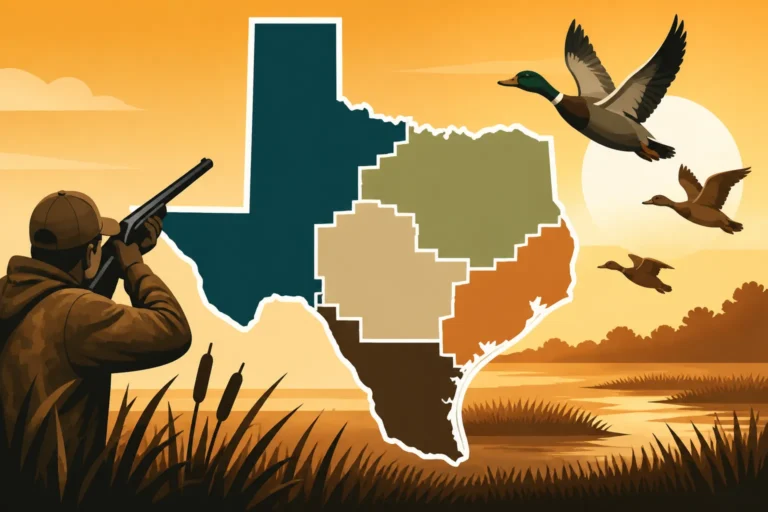
Texas, being the massive and diverse state that it is, doesn't operate under a single, statewide goose season. Just like with duck seasons, the state is divided into specific zones to accommodate the different migration patterns and populations of various waterfowl. Knowing which zone you'll be hunting in is the very first step to understanding when you can legally pursue geese.
The Different Goose Species You Can Hunt
Before we dive into dates, it’s important to remember the variety of geese that migrate through Texas. Each species has its own habits, migration timing, and, often, specific regulations regarding bag limits.
- Snow Geese and Ross's Geese (Light Geese): These are perhaps the most iconic geese to hunt in Texas, especially across the coastal plains and agricultural fields. They travel in massive flocks, offering exciting and often high-volume hunting opportunities. They are generally lumped together under "Light Goose" regulations.
- Greater White-fronted Geese (Specklebellies): Often referred to as "specks" or "specklebellies" due to their distinctive barred chests, these geese are highly prized for their challenging nature and excellent table fare. They tend to be warier than snow geese and respond well to specific calls and smaller decoy spreads.
- Canada Geese: While more prevalent in northern states, pockets of Canada geese, particularly cackling and lesser Canada geese, can be found in various parts of Texas, especially in the Panhandle and East Texas. Their numbers are generally lower than light geese, but they offer a classic waterfowl hunting experience.
The regulations often group these into "Light Geese" and "Dark Geese" (which includes Canada and White-fronted). Understanding these classifications is key to interpreting the season dates and bag limits correctly.
General Framework for Texas Goose Season Dates
Migratory bird seasons, including geese, are established through a collaborative process between the U.S. Fish and Wildlife Service (USFWS) and state wildlife agencies like the Texas Parks and Wildlife Department (TPWD). The USFWS sets a federal framework, including earliest and latest possible dates and maximum season lengths. TPWD then selects specific dates within these frameworks that best suit Texas's unique migration patterns and conservation goals.
Typically, Texas goose seasons run from late October or early November through late January or early February. However, there are also special "Conservation Order" seasons for light geese that extend beyond the regular season, often into March, to help manage their overpopulation. Additionally, youth-only waterfowl hunting days are usually scheduled, providing special opportunities for young hunters outside the main season. If you're looking for a comprehensive overview of all the hunting opportunities, you might want to check out the Texas Hunting Seasons: Complete Calendar by Species guide.
Projecting Texas Goose Season Dates for 2026
Since official 2026-2027 migratory bird season dates won't be finalized until early to mid-2026, we must rely on historical data and patterns to project what those dates will likely look like. The good news is that these seasons tend to follow a very consistent pattern year after year, with minor tweaks based on waterfowl population surveys and federal guidelines.
For planning purposes, we can anticipate the 2026 dates to closely mirror the 2024-2025 or 2025-2026 seasons. Always remember to consult the official Texas Parks and Wildlife Department Outdoor Annual when it's released for the most accurate and up-to-date information for your specific hunting year.
East Zone Projections
The East Zone generally covers the eastern half of the state, roughly east of a line from the Oklahoma border south through Fort Worth, Waco, and then curving southwest towards the coast near Matagorda Bay. This zone typically sees the heaviest concentrations of white-fronted and Canada geese, alongside abundant snow and Ross's geese.
For Dark Geese (Canada and White-fronted), the season usually opens in early November and runs through late January. We can expect a structure similar to this:
-
Dark Geese (Canada and White-fronted):
- Segment 1: Early to mid-November (e.g., November 2 – December 1, 2026)
- Segment 2: Mid-December to late January (e.g., December 14, 2026 – January 26, 2027)
-
For Light Geese (Snow and Ross's), the season generally runs concurrently with the dark geese but often has a later, longer "Conservation Order" season.
-
Light Geese (Snow and Ross's):
- Regular Season: Early November to late January (e.g., November 2, 2026 – January 26, 2027)
- Conservation Order Season: This special season typically begins immediately after the regular season closes and runs well into March. We might see dates like late January through mid-March (e.g., January 27, 2027 – March 15, 2027). During the Conservation Order, hunters can use unplugged shotguns and electronic calls, and there are typically no daily bag or possession limits, making for incredibly exciting hunting.
West Zone Projections
The West Zone encompasses the western half of Texas, including the Panhandle, Trans-Pecos, and much of West Central Texas. While still hosting significant numbers of geese, the species composition and timing can differ slightly from the East Zone.
-
For Dark Geese (Canada and White-fronted), the West Zone season typically opens a bit later than the East Zone and might have a slightly different structure or split.
-
Dark Geese (Canada and White-fronted):
- Segment 1: Mid-November to early December (e.g., November 9 – December 8, 2026)
- Segment 2: Mid-December to late January (e.g., December 21, 2026 – January 29, 2027)
-
Light Geese (Snow and Ross's) in the West Zone also follow a similar pattern to the dark geese for their regular season, with a Conservation Order season afterward.
-
Light Geese (Snow and Ross's):
- Regular Season: Mid-November to late January (e.g., November 9, 2026 – January 29, 2027)
- Conservation Order Season: Expect dates similar to the East Zone, extending from late January through mid-March (e.g., January 30, 2027 – March 15, 2027).
Special Youth-Only and Conservation Seasons
Texas typically offers specific youth-only waterfowl hunting days. These dates are generally chosen to coincide with school holidays or weekends when youth hunters can participate. For 2026, look for these days to fall in late October or early November and again in late January or early February. These special seasons are fantastic opportunities to introduce young hunters to the sport in a less crowded environment.
The Light Goose Conservation Order season, as mentioned, is a critical component of goose hunting in Texas. It's designed to reduce the population of overabundant snow and Ross's geese that are causing significant habitat destruction in their Arctic breeding grounds. This season offers unique hunting methods like extended shooting hours, unplugged shotguns, and electronic calls. It's a high-action time that many goose hunters eagerly anticipate.
Here's a projected overview of the 2026-2027 Texas Goose Season Dates:
| Species/Season | East Zone (Projected Dates) | West Zone (Projected Dates) | Notes |
|---|---|---|---|
| Dark Geese | (Canada, White-fronted) | ||
| Segment 1 | Nov 2, 2026 – Dec 1, 2026 | Nov 9, 2026 – Dec 8, 2026 | Subject to change |
| Segment 2 | Dec 14, 2026 – Jan 26, 2027 | Dec 21, 2026 – Jan 29, 2027 | Subject to change |
| Light Geese | (Snow, Ross's) | ||
| Regular Season | Nov 2, 2026 – Jan 26, 2027 | Nov 9, 2026 – Jan 29, 2027 | Often runs concurrent with Dark Goose season. |
| Conservation Order Season | Jan 27, 2027 – Mar 15, 2027 | Jan 30, 2027 – Mar 15, 2027 | Unplugged shotguns, electronic calls, no bag limit. |
| Youth-Only | Check TPWD for specific weekend dates, usually late Oct/early Nov & Jan/Feb. |
Disclaimer: All dates listed above for 2026-2027 are projections based on historical patterns and are subject to change by TPWD and federal frameworks. Always verify with the official Texas Outdoor Annual for the most current regulations.
Essential Regulations Beyond Just Dates
Knowing the dates is crucial, but it's only one piece of the puzzle. Texas goose hunting comes with a specific set of rules and requirements that every hunter must adhere to. Ignoring these can lead to fines, loss of hunting privileges, and a generally bad day in the field.
Licensing and Endorsements
Before you even step foot in a blind, you need to ensure your paperwork is in order. This isn't just a suggestion; it's a legal requirement that's strictly enforced.
- General Hunting License: Every hunter, unless specifically exempt (e.g., youth under 17 accompanied by a licensed adult), needs a valid Texas hunting license. For many resident hunters, the Texas Super Combo License is the most convenient option, as it bundles many necessary endorsements. If you’re a non-resident, be sure to look into the Texas Non-Resident Hunting License Cost and associated requirements.
- Migratory Game Bird Endorsement: This is absolutely non-negotiable for hunting geese (and ducks, doves, etc.). It’s an additional endorsement on your hunting license.
- Federal Duck Stamp: Despite the name, a Federal Duck Stamp is required for all migratory waterfowl hunting, including geese, for anyone 16 years of age or older. You can purchase these at post offices, sporting goods stores, or through TPWD online. This money directly supports wetland conservation.
- HIP Certification: The Harvest Information Program (HIP) certification is free but mandatory. It helps the USFWS collect data on migratory bird harvests. When you buy your hunting license and migratory game bird endorsement, you'll be prompted to complete this short survey. For more details, refer to the Texas Migratory Bird Endorsement & HIP Certification guide.
Bag and Possession Limits
These limits are set to ensure sustainable populations and fair distribution of the harvest. They can vary by species and by zone, though goose limits are often statewide.
- Dark Geese (Canada and White-fronted): The typical daily bag limit for dark geese is usually 5, with no more than 2 being white-fronted geese. The possession limit is usually three times the daily bag limit. This means if you have a daily bag of 5, your possession limit would be 15.
- Light Geese (Snow and Ross's): During the regular season, the daily bag limit for light geese is typically 20, with a possession limit of three times the daily bag (60). However, during the Conservation Order season, there are no daily bag or possession limits, a unique feature designed to encourage increased harvest of these overabundant birds.
It's critical to keep a tally of your harvest and know your limits, especially if you're hunting multiple days or with a group. Violating bag limits is a serious offense.
Important Legal Considerations for Goose Hunters
Beyond licenses and limits, there are several other rules to keep in mind when goose hunting in Texas.
- Unplugged Shotguns: During the regular goose season, your shotgun must be "plugged" to limit its capacity to no more than three shells (one in the chamber, two in the magazine). However, during the Light Goose Conservation Order season, this restriction is lifted, and you can use an unplugged shotgun, allowing for more shots when large flocks are working.
- Lead Shot Restrictions: For all migratory bird hunting, including geese, you must use non-toxic shot (steel, bismuth, tungsten, etc.). Lead shot is strictly prohibited. This is a crucial conservation measure to prevent lead poisoning in waterfowl.
- Electronic Calls: During the regular season, electronic calls are generally prohibited for geese. Again, the exception is the Light Goose Conservation Order season, where electronic calls are permitted and widely used to entice large flocks of snow and Ross's geese.
- Shooting Hours: Legal shooting hours for geese are typically from one-half hour before sunrise to sunset. Always confirm specific times as they can change based on sunrise/sunset schedules throughout the season.
Staying informed about these regulations is paramount. The official TPWD Outdoor Annual is your best friend for verifying all rules before you head out.
Planning Your Texas Goose Hunt
Now that you've got a handle on the projected dates and the regulations, let's talk about putting it all into action. Planning is key to a successful and enjoyable goose hunt.
Scouting and Decoy Spreads
Knowing the season dates allows you to plan your pre-season scouting trips effectively. Geese are creatures of habit, often feeding in the same fields day after day until disturbed.
- Pre-season Scouting: Before the season opens, drive the back roads, use apps like onX Hunt or HuntStand to identify potential feeding fields, and observe flight patterns. Look for areas where geese are actively feeding. This intelligence is invaluable.
- Decoy Spreads: Goose hunting often involves large decoy spreads to attract distant birds. For light geese, you might be deploying hundreds of decoys, including full bodies, silhouettes, and rags, often mixed with a few rotary-wing decoys to simulate movement. For white-fronted and Canada geese, smaller, more realistic spreads, often with full-body decoys, can be more effective. Consider looking into resources like Best Duck Decoy Spread for Texas Coast for related decoy strategy insights, even if specific to ducks, the principles often apply.
- Calling: Mastering goose calls is an art. For snow geese, the high-pitched "feeding chatter" is often the most effective. For specklebellies and Canadas, more realistic "cluck" and "moan" calls are essential. Practice makes perfect!
Gear and Logistics for Goose Season
Goose hunting requires specific gear to be effective and comfortable, especially in unpredictable Texas weather.
- Camo and Layers: Texas weather can swing wildly, even in fall and winter. Layering is crucial. Opt for camouflage that blends with agricultural fields (corn stubble, wheat fields) or coastal prairies.
- Shotguns and Ammunition: A 12-gauge shotgun is the standard, often with a 3-inch or 3.5-inch magnum load. Make sure your gun is capable of handling non-toxic shot. Ammunition selection is vital; choose heavy loads with larger shot sizes (like BB, BBB, or T shot) for geese to ensure clean kills at longer ranges.
- Blinds: Layout blinds are popular for field hunting, offering excellent concealment. Pit blinds are also common in established goose hunting areas. For a deeper dive into hunting blinds, you might find the Box Blind vs Tripod vs Ground Blind in Texas article helpful.
- Coolers and Processing: Geese are big birds! Be prepared with adequate cooler space to store your harvest, especially if you have a successful day. Knowing How to Field Dress a Deer in Hot Weather can give you ideas for quickly cooling down game, though geese are generally easier to handle than a whole deer.
Remember, responsible hunting also means proper game care. Promptly cool your birds to preserve the quality of the meat.
Disclaimer
Please remember that the information provided in this article regarding Texas goose season dates for 2026 is based on historical patterns and projections. Official dates and regulations are subject to change annually by the Texas Parks and Wildlife Department and the U.S. Fish and Wildlife Service. Always consult the most current official Texas Outdoor Annual before planning and embarking on any hunting trip to ensure you are fully compliant with all state and federal laws.