Texas Squirrel Hunting Regulations 2026
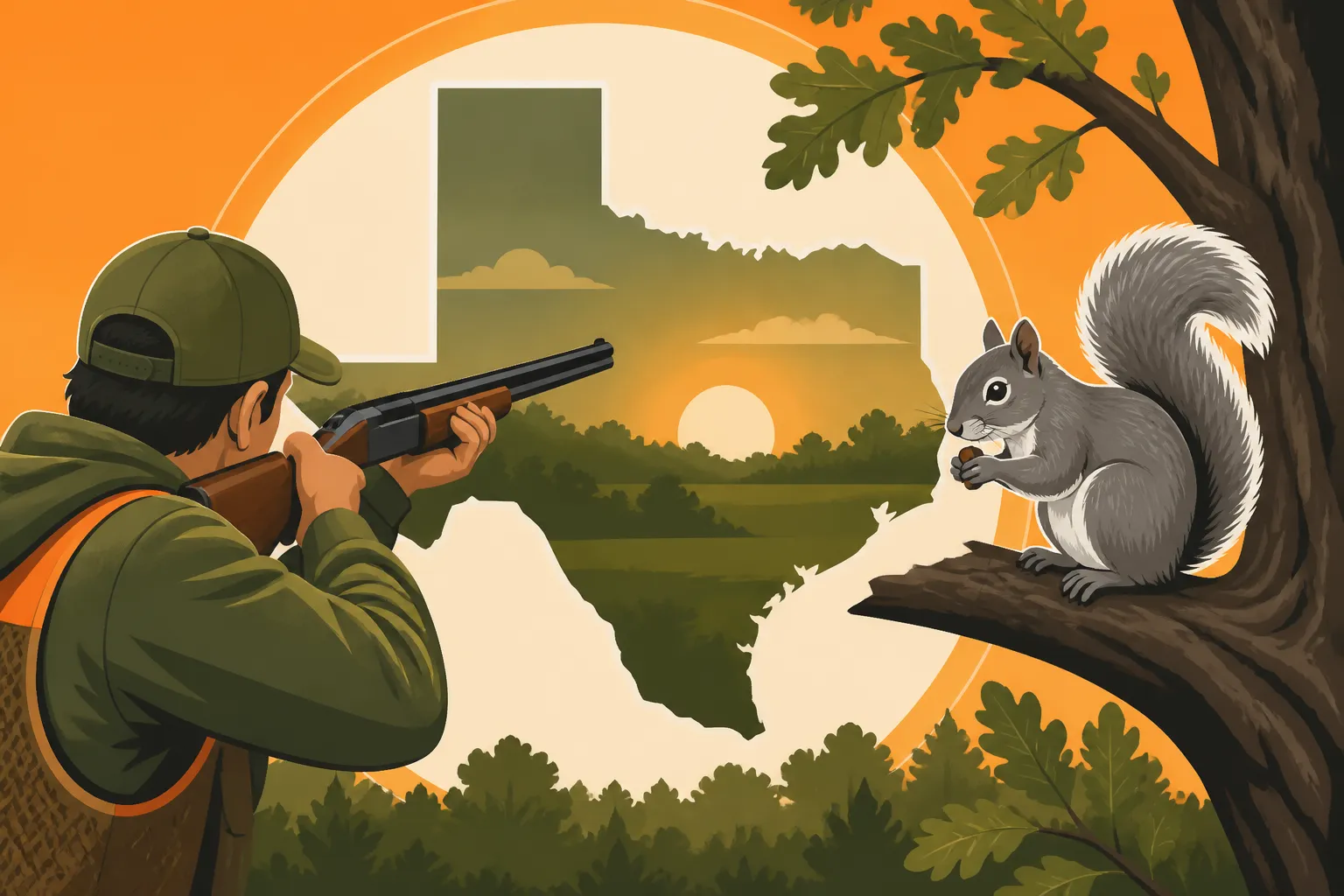
Many Texas hunters, new and seasoned alike, sometimes overlook the humble squirrel, assuming that hunting them is a simple, no-fuss affair without many rules. But even for this accessible and enjoyable small game, the Lone Star State has specific regulations that can sometimes catch folks off guard, leading to confusion about seasons, limits, and legal methods. This comprehensive guide is here to clear up all that uncertainty, walking you through the ins and outs of the Texas squirrel hunting regulations for the upcoming 2026 season, ensuring you're fully prepared and compliant before you head out into the woods.
The Enduring Allure of Squirrel Hunting in Texas
Squirrel hunting often gets relegated to a footnote in the grand tapestry of Texas hunting, overshadowed by the pursuit of white-tailed deer or feral hogs. However, for generations of Texans, it's been a cherished tradition, a perfect entry point for new hunters, and a fantastic way to enjoy the outdoors when other seasons are closed or less active. There's a certain satisfaction in the stalk, the quick shot, and the delicious reward of a well-prepared squirrel dinner.
Why Squirrels Are a Great Starting Point for Hunters
For anyone looking to introduce a youngster to hunting, or even for adults just getting into the sport, squirrel hunting is an absolute goldmine. It's less intimidating than big game hunting, often requires less specialized gear, and offers plenty of action, which is great for keeping attention spans engaged. You learn crucial skills like patience, stalking, target acquisition, and field dressing – all foundational elements that translate directly to pursuing larger game. Plus, with a generous season, it's something you can often enjoy almost year-round in many parts of the state. It's a fantastic way to build confidence and woodsmanship without the high pressure sometimes associated with trophy hunting.
Species of Squirrels You'll Encounter in Texas
When we talk about hunting squirrels in Texas, we're primarily focused on two main species: the Eastern Fox Squirrel and the Eastern Gray Squirrel. These are the most common and widely distributed huntable squirrels across the state.
- Eastern Fox Squirrel (Sciurus niger): These are the largest tree squirrels in Texas, often sporting a reddish-brown to grayish-brown coat with a lighter belly. They're typically found in more open woodlands, oak-hickory forests, and even urban areas where mature trees are present. They're known for their size and can provide a good amount of meat.
- Eastern Gray Squirrel (Sciurus carolinensis): Smaller and often a bit quicker than their fox squirrel cousins, gray squirrels are, as their name suggests, predominantly gray with white undersides. They prefer denser, more mature hardwood forests, often along river bottoms and in East Texas's pineywoods regions. They tend to be more communal and are incredibly agile through the tree canopy.
- Rock Squirrel (Otospermophilus variegatus): While not typically covered under the general "squirrel" hunting regulations in the same way fox and gray squirrels are, rock squirrels are a common sight in rocky, brushy areas, especially in the western and central parts of Texas. They are often considered unprotected species or even pests in some areas, meaning specific regulations may not apply, or they may have a year-round open season with no bag limit. Always double-check the local rules if you're targeting these, as their habitat and behavior differ significantly from tree squirrels.
Knowing your species is important, not just for regulations but also for understanding their behavior and habitat preferences, which will ultimately make you a more successful hunter.
The Tradition of Small Game Hunting in Texas
For many, small game hunting evokes a sense of nostalgia, harkening back to simpler times when families relied on the land for sustenance and recreation. Texas has a rich history of small game hunting, from rabbits to quail, and squirrels fit right into that cherished legacy. It’s an activity that can be enjoyed with minimal gear, often just a .22 rifle or a shotgun, some comfortable boots, and keen eyes. The slow pace of a squirrel hunt allows for connection with nature, observation of other wildlife, and peaceful reflection – qualities that are increasingly valuable in our fast-paced world. It’s also a fantastic way to introduce new hunters to the ethical harvest of game and the importance of conservation. If you're looking for more general information on small game, check out our guide on Predator & Small Game Hunting in Texas.
Decoding the 2026 Texas Squirrel Hunting Regulations
Understanding the specific rules governing squirrel hunting is crucial. While squirrel regulations are generally quite consistent year-to-year, and often more lenient than for big game, it's absolutely vital to confirm the exact dates and limits in the most recent Texas Parks & Wildlife Department (TPWD) Outdoor Annual, especially as we approach 2026. This guide will provide the typical framework, but always refer to the official source for definitive information.
Season Dates and Zones
For most huntable squirrel species in Texas (primarily fox and gray squirrels), the season is incredibly long, often extending almost year-round in many counties. Typically, the general open season for squirrels runs from September 1st through August 31st of the following year. This essentially means you can hunt squirrels for 12 months, with only a short break if any at all, depending on the specific county.
However, there's a crucial distinction:
- East Texas: Many counties in the eastern part of the state, particularly within the Pineywoods region, adhere to this long general season. This area is a traditional stronghold for both fox and gray squirrels due to its abundant hardwood forests.
- Specific Exceptions: While the general rule is "year-round" for most of Texas, there might be particular counties or public hunting lands (like some Wildlife Management Areas or National Forests) that have slightly different season dates or special restrictions. For instance, some areas might close briefly for deer season or have specific drawn hunt periods. It's always best to consult the county-specific listings in the TPWD Outdoor Annual.
The beauty of this extended season is that it allows hunters a wide window of opportunity to pursue squirrels, whether you prefer crisp fall mornings, mild winter days, or the vibrant growth of spring. For a broader look at all hunting periods, refer to the Texas Hunting Seasons: Complete Calendar by Species.
Bag Limits and Possession Limits
Texas sets clear limits on how many squirrels you can harvest per day and how many you can possess in total. These limits are designed to ensure sustainable populations and fair chase.
- Daily Bag Limit: For fox squirrels and gray squirrels combined, the typical daily bag limit is 10 squirrels. This means that in any single calendar day, you can harvest a maximum of 10 individual fox or gray squirrels, or a combination of both, as long as the total doesn't exceed 10.
- Possession Limit: The possession limit is usually 20 squirrels. This refers to the maximum number of squirrels you can have in your possession at any given time, regardless of when or where they were harvested. This includes squirrels in your cooler, freezer, or at your residence. So, if you hunt for two days and harvest 10 squirrels each day, you've reached your possession limit. Be mindful of this, especially if you're on a multi-day hunting trip.
These limits are quite generous, allowing ample opportunity to fill your freezer with tasty game meat. It's rare for a hunter to consistently hit the daily bag limit, making it a very accessible and low-pressure hunt.
Legal Hunting Methods and Equipment
Texas offers considerable flexibility in how you can hunt squirrels, making it adaptable to various preferences and skill levels.
- Firearms: The most common choice is a .22 caliber rimfire rifle (like a .22 LR or .22 WMR). These are ideal for squirrels due to their accuracy, low recoil, and minimal noise, which helps avoid disturbing other game or neighbors. Shotguns, particularly those chambered in .410, 20-gauge, or even 12-gauge with light birdshot (like shot size 6 or 7.5), are also popular, especially in dense brush where squirrels might be moving quickly. Air guns, specifically air rifles, are increasingly popular for squirrel hunting, offering quiet operation and precision, often in .177, .22, or .25 caliber.
- Archery Equipment: Bowhunting for squirrels is a challenging but rewarding pursuit. Any legal archery equipment, including traditional bows, compound bows, and crossbows, can be used. Small game points or blunts are typically used to minimize penetration and prevent arrows from getting stuck high in trees.
- Dogs: Hunting squirrels with dogs is a traditional and highly effective method, especially in areas with dense cover. Specially trained "squirrel dogs" can locate squirrels by scent and sight, then "tree" them, holding them in place by barking, allowing the hunter to approach for a shot. This method can significantly increase success rates and is a lot of fun.
- Trapping: Generally, trapping squirrels for recreational hunting is not legal under general game animal regulations. Trapping is typically reserved for nuisance animal control or commercial purposes, and it requires specific permits and adherence to different sets of rules. Recreational hunters should stick to firearms, archery, or dog hunting.
Always remember that safety is paramount, regardless of your chosen method. Ensure your firearm is sighted in, understand your effective range, and always be aware of your backdrop.
Shooting Hours
For most game animals in Texas, including squirrels, hunting is restricted to daylight hours. This typically means from one-half hour before sunrise to one-half hour after sunset. It's illegal to hunt squirrels outside of these times. This regulation ensures fair chase and promotes safety, as positive target identification is much harder in low light. Always check a reliable sunrise/sunset table for your specific location on the day you plan to hunt to ensure you are within legal shooting hours.
Here's a quick summary table of the typical squirrel hunting regulations in Texas:
| Squirrel Species | General Season Dates (2026) | Daily Bag Limit (Fox & Gray) | Possession Limit (Fox & Gray) | Legal Hours |
|---|---|---|---|---|
| Fox & Gray Squirrel | Sept. 1 – Aug. 31 (most counties) | 10 (combined) | 20 (combined) | 1/2 hour before sunrise to 1/2 hour after sunset |
| Rock Squirrel | Year-round (often unprotected in specific areas, verify local rules) | No Limit (in unprotected areas) | No Limit (in unprotected areas) | 1/2 hour before sunrise to 1/2 hour after sunset |
Note: Always consult the official TPWD Outdoor Annual for the most up-to-date and county-specific regulations for 2026, as rules can change.
Essential Licensing and Permits for Squirrel Hunters
Even for small game like squirrels, Texas requires hunters to hold valid licenses and, in some cases, specific certifications. Don't let the simplicity of the hunt fool you into thinking you can skip these crucial steps.
What License Do You Need?
To legally hunt squirrels in Texas, you will generally need a valid Texas hunting license. There are several options, and the best one for you depends on your age, residency, and what other species you might want to hunt.
- Resident Hunting License: For most Texas residents, a General Hunting License is sufficient. This covers all legal game animals, including squirrels.
- Super Combo License: If you plan on hunting various species, fishing, or participating in a wide range of outdoor activities, the Super Combo License is often the most cost-effective and convenient option. It bundles multiple licenses and endorsements into one package.
- Youth Hunting License: For hunters under 17 years of age, a Youth Hunting License is available at a reduced cost and covers all legal game. It's an excellent way to get kids involved without a significant financial outlay.
- Non-Resident Hunting License: If you're visiting from out of state, you'll need a Non-Resident General Hunting License. These are typically more expensive than resident licenses but grant you the same hunting privileges.
Remember, licenses are typically valid from September 1st of one year through August 31st of the next, aligning perfectly with the squirrel season. You can purchase your license online through the TPWD website, at most sporting goods stores like Academy Sports + Outdoors or Bass Pro Shops, or at local TPWD license retailers. For full details on costs and types, refer to our guide: Texas Hunting License: Cost, Types & How to Buy (2026).
Hunter Education Requirements
Texas takes hunter safety seriously, and proper education is a cornerstone of responsible hunting.
- Mandatory for Most: Anyone born on or after September 2, 1971, must successfully complete a hunter education course or deferral to legally hunt in Texas. This rule applies regardless of what species you're hunting, including squirrels.
- Deferral Option: If you haven't completed a hunter education course, you can purchase an "E-Postponement" or Hunter Education Deferral one time. This allows you to hunt legally for a single license year, but you must be accompanied by a licensed hunter (17 years of age or older) who has completed hunter education or is exempt. It's a great option for getting out in the field while you schedule your full course.
- Exemptions: Hunters who are 17 years of age or older and were born before September 2, 1971, are exempt from the hunter education requirement.
- Youth Hunter Education: While youth licenses are available, the hunter education requirement still applies based on the birthdate. Many organizations offer youth-specific hunter education courses that are designed to be engaging and informative for younger participants.
Completing hunter education isn't just about complying with the law; it's about becoming a safer, more ethical, and more knowledgeable hunter. You'll learn about firearm safety, wildlife identification, conservation principles, and landowner relations – all vital skills for any outdoors enthusiast. If you're wondering if this applies to you, check out Do You Need Hunter Education in Texas? for more in-depth information.
Where to Find Your Squirrel Hunting Paradise in Texas
Texas is a vast state, and while squirrels are widespread, knowing where to find concentrations of them and how to legally access those areas is key to a successful hunt. Whether you're eyeing public land or hoping to secure private access, options abound.
Public Lands and Wildlife Management Areas
Texas offers a surprising amount of public hunting opportunities, though they often require a bit more planning and knowledge of specific rules.
- National Forests: East Texas is home to several National Forests, including the Sam Houston National Forest, Angelina National Forest, Davy Crockett National Forest, and Sabine National Forest. These vast tracts of timberland, particularly the hardwood bottoms and mixed pine-hardwood areas, are prime squirrel habitat. They typically fall under the general statewide regulations for squirrels but may have specific access points, camping rules, or vehicle restrictions. You'll need an Annual Public Hunting Permit (APH) to hunt on most public lands, including National Forests. For more information, read our dedicated guide on National Forest Hunting in Texas and specifically, the Sam Houston National Forest Hunting Guide.
- Wildlife Management Areas (WMAs): TPWD manages numerous WMAs across the state, some of which offer excellent squirrel hunting. Each WMA has its own set of rules, including specific hunt dates, check-in/check-out procedures, and sometimes special permit requirements (e.g., drawn hunts for big game, but often open for small game with an APH permit). Always check the WMA's specific regulations in the Outdoor Annual or on the TPWD website before visiting. The Public Hunting in Texas: WMAs & Annual Public Hunting Permit guide can provide an excellent overview of how these areas work.
- State Parks: A very limited number of State Parks offer hunting opportunities through the Drawn Hunt system, but squirrel hunting is generally not a primary focus for these. Always check the Drawn Hunts program if interested, but for consistent squirrel hunting, WMAs and National Forests are usually better bets.
Hunting public land requires diligence. Scout beforehand if possible, be prepared for other users (hikers, mountain bikers, other hunters), and always pack out what you pack in.
Private Land Access
The vast majority of Texas land is privately owned, meaning that securing permission to hunt on private property is often the most productive avenue for squirrel hunting.
- Asking Permission: This is the most traditional way. Approach landowners respectfully, introduce yourself, and clearly explain what you'd like to do. Offer to share some of your harvest or help with chores around the property. Many landowners, especially those with mature timber, are often happy to have someone thin out squirrel populations, especially if they're causing damage to pecan trees or other crops. Being polite, respectful, and leaving the land better than you found it are key.
- Hunting Leases: While often associated with deer or hog hunting, some smaller leases or day-lease operations might allow squirrel hunting, especially in East Texas or the Hill Country. This often comes with a fee, but guarantees access. If you're on a multi-species lease, squirrel hunting can be a fantastic way to extend your time in the woods. Learn more about this option by reading How to Hunt Squirrel on a Texas Lease.
- Best Regions: The **Pineywoods & East Texas Hunting]() region is undoubtedly the premier area for squirrel hunting due to its extensive hardwood and mixed forests, abundant water, and generally higher squirrel densities. The Post Oak Savannah and parts of the Cross Timbers regions also offer excellent opportunities. Even parts of the Hill Country, with its live oak and pecan bottoms, can hold good numbers of squirrels.
When hunting on private land, always confirm the property boundaries with the landowner. Never assume you have permission to hunt beyond the agreed-upon areas. Building a good relationship with a landowner is invaluable.
Avoiding Common Pitfalls and Ensuring a Safe Hunt
Even though squirrel hunting is often seen as a low-risk activity, there are still important considerations to keep in mind to ensure a safe, ethical, and legal experience.
Distinguishing Between Species
It's absolutely vital to be able to tell the difference between legal game squirrels and protected species. As mentioned earlier, Eastern Fox and Gray Squirrels are the primary huntable species. However, Texas is also home to other squirrel species, such as the endangered Guadalupe bass (a type of fish, but serves as an example of a protected native species). While there aren't many protected squirrel species in Texas that look exactly like the huntable ones, some urban areas may have local ordinances protecting all wildlife.
More importantly, being able to distinguish between a fox squirrel and a gray squirrel, or even a rock squirrel, helps you understand their behavior and preferred habitats, making you a more effective hunter. If you're ever in doubt about the legality of harvesting a specific animal, it's always best to err on the side of caution and not shoot. Referencing a reliable field guide for Texas Game Animals: What You Can Hunt can be incredibly helpful.
Safety First in the Texas Woods
Safety should always be your number one priority when hunting.
- Firearm Safety: This cannot be stressed enough. Treat every firearm as if it's loaded. Keep the muzzle pointed in a safe direction. Keep your finger off the trigger until you are ready to shoot. Be sure of your target and what is beyond it. A .22 bullet can travel a long way and cause serious harm.
- Tree Stand Safety: If you're using a tree stand, even a small one for squirrels, always use a safety harness. Falls from tree stands are a leading cause of hunting injuries.
- Heat Safety: Texas can get incredibly hot, even during early squirrel season (September). Stay hydrated, wear appropriate clothing, and be aware of the signs of heat exhaustion or stroke.
- Wildlife Encounters: Be aware of other wildlife, especially snakes. Best Snake Boots for Texas Hunting are a wise investment, particularly in dense brush country. Additionally, be cautious of feral hogs, especially if hunting alone.
- Know Your Location: Always let someone know where you're going and when you expect to return. Carry a fully charged phone, a map, and a compass or GPS device. Apps like onX Hunt can be incredibly useful for navigating and knowing property lines.
Respecting Landowner Rights and Ethical Practices
When hunting on private land, you are a guest, and your behavior directly impacts future access for yourself and other hunters.
- Leave No Trace: Pack out all your trash, including spent shell casings. Leave gates as you found them (open or closed). Do not damage property, fences, or crops.
- Follow Rules: Adhere strictly to any rules or requests made by the landowner, even if they differ from general state regulations (e.g., specific shooting hours, areas off-limits).
- Ethical Harvest: Only take clean, ethical shots. If a squirrel is wounded, make every effort to recover it. Do not waste game meat.
By being a responsible and ethical hunter, you contribute positively to the image of hunting and help preserve access for future generations.
Squirrel hunting in Texas is more than just a pastime; it's a doorway to developing crucial outdoor skills, fostering a connection with nature, and enjoying a delicious, sustainable food source. By understanding and respecting the 2026 regulations, securing proper licensing, and always prioritizing safety and ethics, you're set for many rewarding days in the Texas woods. So grab your .22, scout out those oak trees, and get ready for some fantastic squirrel action!
Disclaimer
Please remember that hunting regulations are subject to change. While this guide provides the most accurate information available at the time of writing for the 2026 Texas squirrel hunting season, it is crucial to always consult the current official Texas Parks and Wildlife Department (TPWD) Outdoor Annual or their website for the definitive and most up-to-date regulations before heading afield. Your local TPWD office can also provide clarification on any specific questions.