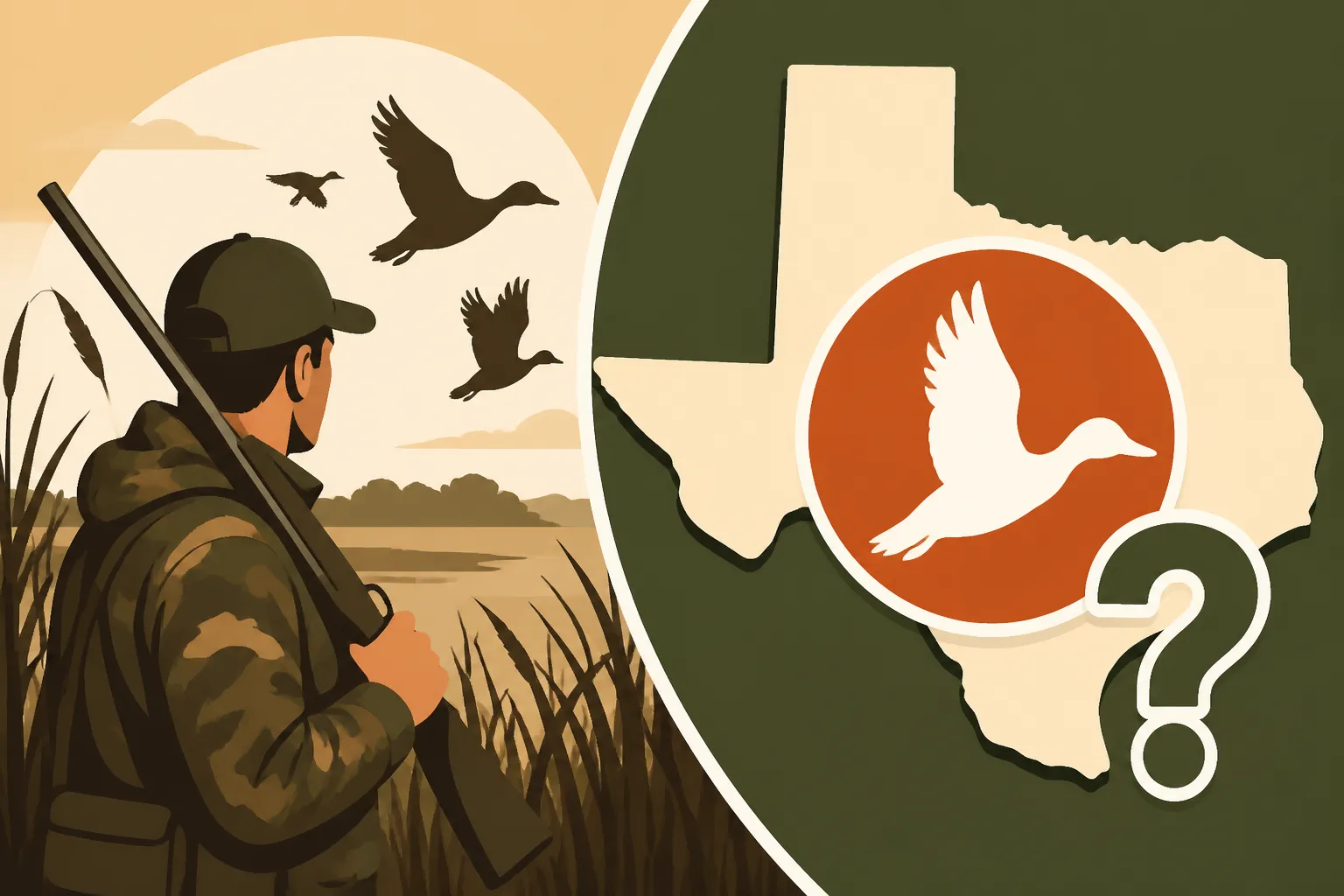
Do I Need a Federal Duck Stamp in Texas?
For many Texas waterfowlers, the excitement of duck season can quickly be dampened by the sheer volume of licenses, stamps, and endorsements required before you even step foot in a blind. One of the most persistent questions I hear is about the Federal Duck Stamp – do you really need it for your hunts here in Texas? The short answer is yes, almost always, but let's dive into the specifics so you can hit the water confident and compliant. This guide will clarify the ins and outs of the Federal Duck Stamp, its necessity for hunting migratory waterfowl in our great state, and how it plays a vital role in conservation.
The Essential Federal Duck Stamp Explained for Texas Waterfowlers
Stepping into the world of duck and goose hunting, whether you're chasing Pintails along the Texas coast or Mallards in the Panhandle, means understanding a few non-negotiables. Among these, the Federal Migratory Bird Hunting and Conservation Stamp, more commonly known as the Federal Duck Stamp, stands as a cornerstone. It's not just a piece of paper; it's a critical component of waterfowl hunting that supports conservation efforts nationwide.
What Exactly is a Federal Duck Stamp?
At its heart, the Federal Duck Stamp is an adhesive stamp, much like a postage stamp, that waterfowl hunters 16 years of age or older are required to purchase annually. It's a federal requirement, meaning it applies across all states, including Texas, if you're hunting migratory waterfowl. The stamp itself is a beautiful piece of art, often depicting various waterfowl species, and each year features a new design.
But its beauty is more than skin deep. Since its inception in 1934, prompted by widespread habitat loss during the Dust Bowl era, the program has been incredibly successful. The funds generated from the sale of these stamps are funneled directly into the Migratory Bird Conservation Fund. This fund is used to acquire and protect wetlands and waterfowl habitats within the National Wildlife Refuge System. To date, these funds have helped conserve over 6 million acres of wetlands across the U.S., including critical areas here in Texas that are vital stopovers for birds on their long migrations. So, when you buy that stamp, you're not just complying with the law; you're actively contributing to the very habitat that supports the birds we love to hunt.
When and Where is it Required in Texas?
The rule of thumb is quite simple: if you are 16 years of age or older and you plan to hunt ducks, geese, or any other migratory game birds like coots or sandhill cranes in Texas, you must possess a valid Federal Duck Stamp. This requirement applies whether you're hunting on private land, public land, or a managed waterfowl area. There's no exemption based on the type of land you're hunting on, as long as you're targeting those migratory species.
The only significant exemption is for youth hunters. If you are under 16 years old, you are not required to purchase a Federal Duck Stamp. However, once you turn 16, that stamp becomes a mandatory part of your hunting kit for waterfowl. It’s also important to remember that it's an annual stamp, valid from July 1st through June 30th of the following year, regardless of when you purchase it. So, if you bought a stamp for the 2023-2024 season in November 2023, it would expire on June 30, 2024, and you'd need a new one for the 2024-2025 season starting July 1, 2024. This continuity ensures a constant stream of funding for habitat conservation.
Understanding Texas-Specific Waterfowl Requirements Beyond the Federal Stamp
While the Federal Duck Stamp is absolutely crucial, it's just one piece of the puzzle for a legal waterfowl hunt in Texas. Our state has its own set of requirements, licenses, and endorsements that work in tandem with federal regulations. Overlooking these state-specific items is a common mistake that can lead to fines and a ruined hunt. Think of it this way: the federal stamp gets you into the migratory bird club, but the state licenses tell you where and how you can participate within Texas.
Texas Hunting License and Endorsements
To legally hunt any game animal in Texas, you first need a valid Texas hunting license. For most resident hunters, the "Super Combo" license is the go-to, as it includes all necessary state endorsements for various types of hunting, including migratory game birds. For non-residents, a general non-resident hunting license is required.
Beyond the basic hunting license, you'll need two specific state endorsements for waterfowl hunting:
- Migratory Game Bird Endorsement: This endorsement is required for anyone hunting migratory game birds in Texas, regardless of age (unless you're exempt from needing a hunting license entirely, like landowners hunting on their own property). This endorsement signals that you understand and agree to abide by the specific state regulations for migratory species, such as bag limits and shooting hours.
- Harvest Information Program (HIP) Certification: The HIP certification is free and is simply a way for the U.S. Fish and Wildlife Service (USFWS) to gather data on migratory bird hunters. When you get HIP certified, you'll answer a few questions about your hunting success from the previous year. This data is vital for wildlife biologists to make informed decisions about migratory bird populations and set future seasons and bag limits. You must be HIP certified annually, and it's typically done when you purchase your hunting license or migratory bird endorsement. Without HIP certification, even with a license and duck stamp, you are not legal to hunt migratory game birds. You can often obtain your Texas Migratory Bird Endorsement & HIP Certification at the same time you buy your license.
It’s easy to get these confused, so here’s a quick breakdown of what you need for migratory bird hunting in Texas:
| Requirement | For Whom | Purpose | Where to Get |
|---|---|---|---|
| Texas Hunting License | All hunters (17+ for general, or specific) | State authorization to hunt any legal game | TPWD website, licensed retailers |
| Migratory Game Bird Endorsement | All migratory game bird hunters (age applies) | State authorization for migratory birds | TPWD website, licensed retailers |
| HIP Certification | All migratory game bird hunters | Federal data collection for migratory bird management | TPWD website, licensed retailers (free) |
| Federal Duck Stamp | All migratory game bird hunters (16+) | Federal authorization for waterfowl; habitat conservation | Post office, Amplex, some retailers |
This table clearly illustrates the different layers of requirements. When considering Texas Hunting Seasons: Complete Calendar by Species, you’ll see waterfowl seasons often fall within the broader hunting periods, but these specific stamps and endorsements are paramount for this particular type of hunting.
Age Exemptions and Special Cases
As mentioned, hunters under 16 years of age are exempt from needing a Federal Duck Stamp. However, they are generally not exempt from the state's Migratory Game Bird Endorsement or HIP certification, unless they are also exempt from needing a general hunting license. For example, Texas residents born before September 2, 1971, are often exempt from taking a hunter education course, but they still need appropriate licenses and stamps. Always check the current Texas Parks and Wildlife Department (TPWD) Outdoor Annual for the most up-to-date information regarding exemptions, especially for specific age groups or unique situations like hunting on a landowner's own property.
While some licenses might be waived for youth, the Federal Duck Stamp is specifically for those 16 and older. If you're planning a trip to a prime duck hunting spot, maybe along the coast in one of the Texas Duck Zones Explained (High Plains, North, South), make sure everyone in your party has their ducks in a row – literally and figuratively!
How to Purchase Your Federal Duck Stamp and Support Conservation
Getting your hands on a Federal Duck Stamp is straightforward, and the process has become even easier in recent years with online options. No matter how you acquire it, remember that your purchase directly contributes to preserving vital wetlands and wildlife, making every hunting trip more meaningful.
Where to Buy the Federal Duck Stamp
You have a few convenient options when it comes to purchasing your Federal Duck Stamp:
- United States Post Office: This is the traditional method. Most larger post offices carry the physical stamp, allowing you to walk in and purchase it directly. It’s a tangible piece of history and a tradition for many hunters.
- Online Through Amplex: The U.S. Fish and Wildlife Service partners with Amplex to sell the E-Stamp (electronic stamp) online. When you purchase an E-Stamp, you'll receive a printable receipt that serves as a valid Federal Duck Stamp for up to 45 days. This allows you to hunt immediately. The physical stamp will then be mailed to you, and you're required to sign and carry it once it arrives. This is a fantastic option if you realize you forgot your stamp the night before an early morning hunt or if your Texas Duck & Waterfowl Season 2026: Zones opener is coming up fast.
- Sporting Goods Retailers: Many larger sporting goods stores that sell hunting licenses, like Academy Sports + Outdoors or Bass Pro Shops, also sell the Federal Duck Stamp over the counter. This can be a convenient one-stop shop for all your licensing needs.
Regardless of where you purchase it, make sure you properly sign your physical stamp across the face with indelible ink once it arrives. An unsigned stamp is not considered valid. And remember, you must carry it with you while hunting migratory waterfowl.
The Conservation Impact of Your Purchase
It's easy to view licenses and stamps as just another hurdle to jump through to go hunting. But with the Federal Duck Stamp, the connection between your purchase and direct conservation is undeniable. Over 98% of the funds generated from stamp sales go directly to habitat conservation. This money doesn't just sit in a general fund; it's specifically earmarked for protecting, restoring, and maintaining wetlands and grasslands across the country.
These protected areas aren't just for ducks and geese; they are critical ecosystems that support a vast array of wildlife, from shorebirds and wading birds to amphibians, reptiles, and numerous plant species. They also provide essential benefits to humans, such as flood control, water purification, and recreational opportunities like bird watching, hiking, and, of course, hunting. Every dollar spent on a Federal Duck Stamp is an investment in the future of these precious natural resources and, by extension, the future of hunting itself. It truly embodies the "hunter conservationist" ethic that is so important to our community. If you're interested in strategies for successful hunting, check out How to Hunt Ducks in Texas (Step by Step), and remember that the foundation of a good hunt is always sound conservation.
Common Misconceptions and Troubleshooting for Texas Duck Hunters
Despite the straightforward nature of the Federal Duck Stamp requirement, a few common misconceptions often float around. Let's clear these up to ensure you're fully prepared and informed for your next waterfowl adventure. It's better to ask and know than to face a game warden with an invalid setup.
Does It Cover All Waterfowl?
Yes, the Federal Duck Stamp covers the hunting of all migratory waterfowl. This includes all species of ducks (Mallards, Pintails, Teals, Wood Ducks, etc.) and all species of geese (Canada Geese, Snow Geese, Specklebelly Geese, etc.). It also extends to other migratory game birds such as coots, gallinules, and sandhill cranes, if those species are legal to hunt in Texas and you possess the appropriate state licenses and permits (like the Sandhill Crane permit).
However, it's critical to understand that the Federal Duck Stamp does not cover non-migratory game birds or other game animals. For instance, if you're hunting pheasants, quail, or turkeys, the Federal Duck Stamp is not required. It's solely for those species that migrate across state and international borders, making their management a federal responsibility. Similarly, if you are hunting exotic waterfowl species on private ranches in Texas, the Federal Duck Stamp is typically not required because these animals are not considered migratory game birds under federal regulations. Always clarify with your outfitter if you're hunting exotics like Muscovy ducks that might be free-ranging but not truly migratory in the regulatory sense.
What Happens If You Don't Have One?
The consequences of not possessing a valid Federal Duck Stamp while hunting migratory waterfowl can be quite serious. It's a federal offense, and game wardens, both federal (U.S. Fish and Wildlife Service) and state (Texas Parks and Wildlife Department), are authorized to enforce these regulations.
Typically, the penalties for hunting without a valid Federal Duck Stamp can include:
- Fines: These can range from a few hundred dollars for a first offense to much steeper penalties for repeat offenders.
- Confiscation of Game: Any migratory game birds you have harvested might be confiscated.
- Loss of Hunting Privileges: You could face suspension of your hunting license or privileges for a period, not just in Texas but potentially across other states as well, impacting your ability to enjoy Duck & Waterfowl Hunting in Texas for future seasons.
- Criminal Charges: In egregious cases, particularly for repeated violations or attempts to deceive authorities, federal criminal charges could be pursued.
It's simply not worth the risk. A Federal Duck Stamp is an inexpensive investment – usually around $25 – especially when compared to the potential fines and legal troubles of being caught without one. Always double-check your licensing and stamps before heading out for the season, perhaps when you're making sure your Best Duck Decoy Spread for Texas Coast is ready, or reviewing the Texas Duck Bag Limit & Species Rules. It’s an essential part of responsible waterfowl hunting, ensuring both legal compliance and a continued commitment to conservation.
Disclaimer
Please remember that hunting regulations, seasons, and licensing requirements can change. Always consult the official Texas Parks and Wildlife Department Outdoor Annual and federal regulations from the U.S. Fish and Wildlife Service for the most current and accurate information before planning your hunt. This guide is for informational purposes only and should not be considered legal advice.