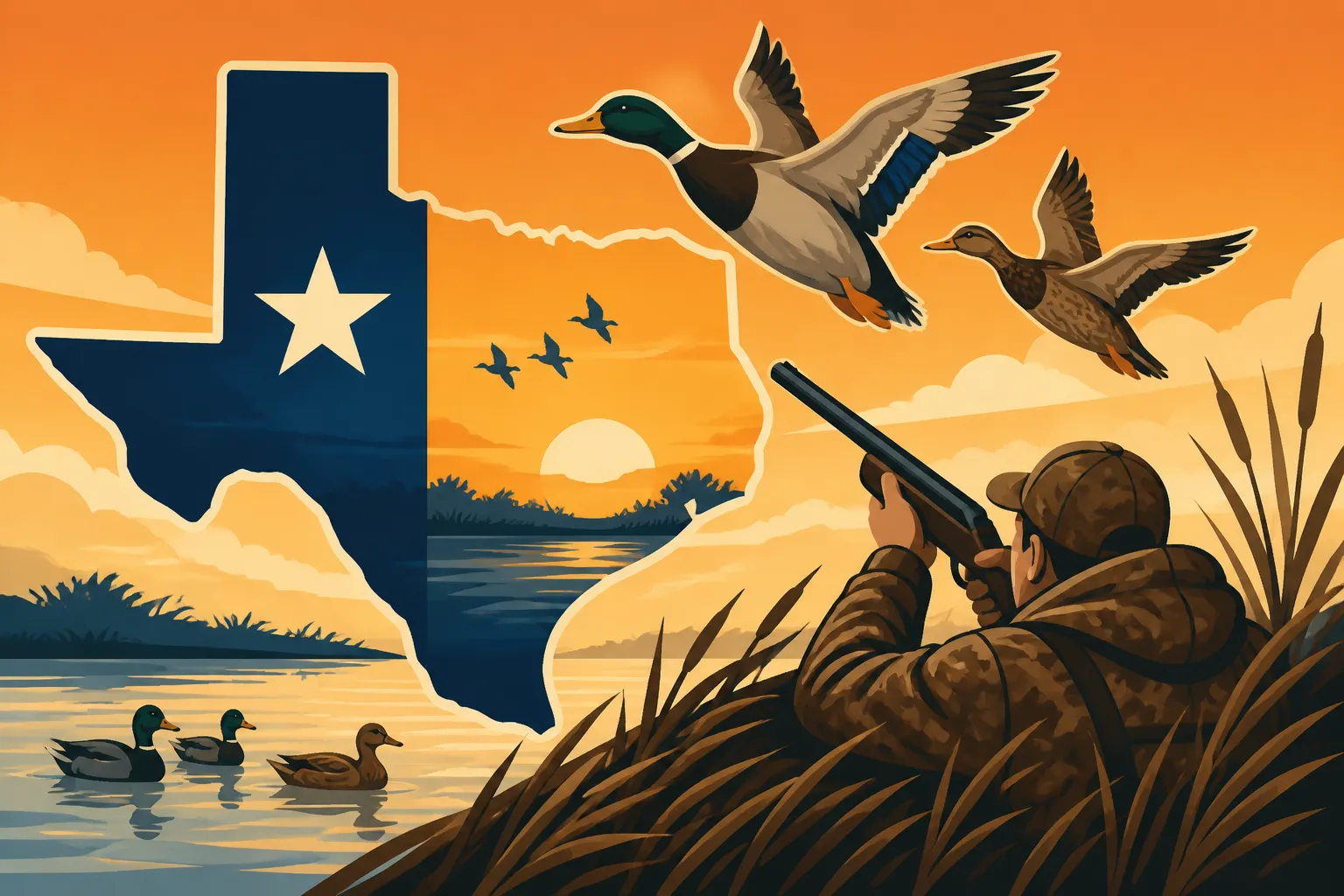
Duck & Waterfowl Hunting in Texas
There's nothing quite like watching a flock of ducks cup their wings and commit to your decoy spread, or hearing the distant chatter of a thousand snow geese making their way across a vast Texas sky. But let's be honest, getting to that moment can feel like navigating a maze, especially with all the regulations, diverse habitats, and different species. Many hunters struggle with understanding the various zones, bag limits for specific ducks, or even just knowing where to start looking for good waterfowl action in a state as immense as Texas. This guide is designed to cut through that confusion, giving you a deep dive into everything you need to know to pursue ducks, geese, and other migratory game birds successfully across the Lone Star State.
Understanding Texas Waterfowl Species
Texas is a critical wintering ground and migration corridor for a vast array of waterfowl, thanks to its position in the Central Flyway and its diverse habitats, from coastal marshes to inland lakes and agricultural fields. Knowing what you're looking at, both in the air and on the water, is your first step to a successful hunt.
Common Ducks of Texas
When you're out there, you'll encounter a mix of puddle ducks and diving ducks, each with their own habits and preferred environments.
Puddle ducks, also known as dabbling ducks, feed in shallow water by tipping forward, leaving their tail ends sticking out. They typically spring into the air vertically when startled.
- Mallards: The iconic green-headed drakes and mottled brown hens are a common sight. They're highly adaptable and can be found in almost any freshwater habitat, from flooded timber in East Texas to stock tanks in the Hill Country and agricultural fields. Their distinctive quack is often the first sound you'll hear in the pre-dawn darkness.
- Gadwalls: Often called the "gray duck," Gadwalls are sleek and subtle, but a closer look reveals intricate vermiculated plumage on the drakes. They're strong flyers and excellent table fare, frequenting marshes, ponds, and shallow lakes, often found alongside Mallards.
- Green-winged Teal: These are small, fast-flying ducks easily identified by the iridescent green speculum on their wings and, for drakes, a distinctive green crescent behind their eye. They prefer shallow, muddy margins of ponds and slow-moving streams. Their incredible speed makes them challenging targets.
- Blue-winged Teal: Slightly larger than their green-winged cousins, the drakes sport a bold white crescent on their face. They are usually early migrants, often showing up during the special September Teal Season Dates in Texas. They favor shallow, vegetated wetlands and estuaries.
- Northern Shovelers: With their disproportionately large, spoon-shaped bills, Shovelers are unmistakable. They use their specialized bills to filter small invertebrates from the water. While often overlooked by some hunters, they provide a unique challenge due to their erratic flight and tendency to decoy readily. You'll find them in nutrient-rich shallow waters.
- Pintails: The "sprig" or Northern Pintail is a truly elegant duck, with a long neck, slender body, and a distinctive pointed tail feather on the drake. They're strong, graceful flyers and prefer open, shallow wetlands and flooded agricultural fields, particularly rice fields along the coast.
- Wood Ducks: Simply stunning, the Wood Duck drake is arguably the most colorful duck in North America. They thrive in wooded swamps, flooded timber, and river bottoms, nesting in tree cavities. Their squealing call is unique, and they're often found in the eastern part of the state.
- Wigeon (American Wigeon): Known for their distinctive white belly in flight and the white patch on the drake's forehead (the "bald pates"), Wigeon are grazers, often found in open water or feeding in grassy fields near water. They have a characteristic three-note whistle call.
- Redheads: A key diving duck species, the Redhead drake boasts a round, reddish head and a blue bill. They are common along the Texas coast, particularly in the Laguna Madre and other bay systems, where they feed on submerged aquatic vegetation. They decoy exceptionally well.
- Mottled Ducks: These are resident ducks in Texas, meaning they don't migrate far. They look very similar to a female Mallard but lack the white on the trailing edge of the wing. They are found predominantly along the Gulf Coast and associated marshes, providing hunting opportunities even when other species are scarce.
Geese and Other Waterfowl
Beyond ducks, Texas offers fantastic opportunities for goose hunting, and even a unique chance to pursue Sandhill Cranes.
- Specklebellies (Greater White-fronted Geese): Affectionately known as "Specks" or "Smiling Geese" due to the white patch at the base of their pink bill, these geese are highly prized for their meat and challenging nature. They typically winter in large numbers in agricultural areas, especially rice and cornfields, primarily in Southeast and Central Texas. Their distinctive high-pitched call, often described as "ka-lunk, ka-lunk," is a hallmark of goose hunting.
- Snow Geese and Ross's Geese: These beautiful white geese with black wingtips (Snow Geese) or slightly smaller, rounder bills (Ross's Geese) often travel in massive flocks that can number in the thousands. They primarily feed in agricultural fields, stubble fields, and pastures. Decoying these birds often involves massive spreads of white decoys. They are a common sight in the coastal prairies and East Texas.
- Canada Geese: While not as numerous as Snows or Specks, Canada Geese are present, particularly the smaller subspecies like the Cackling Goose. They can be found in similar agricultural habitats but also frequently utilize larger lakes and reservoirs.
- Sandhill Cranes: Often called the "ribeye of the sky" for their delicious meat, Sandhill Cranes are large, striking birds with long legs and necks, and a distinctive red cap. Texas is a major wintering ground for several subspecies, primarily in the Panhandle and Trans-Pecos regions. Hunting them requires a special permit, but the experience is unique and rewarding. If you're looking for a special hunt, check out this guide on Sandhill Crane Hunting in Texas (Ribeye in the Sky).
Identifying Key Migration Patterns
Texas is centrally located in the Central Flyway, one of North America's four major migratory bird routes. This makes the state a crucial stopover and wintering ground. Understanding these patterns is key to successful hunting.
- The Central Flyway: Millions of ducks and geese pour into Texas each fall and winter from their breeding grounds in the prairie pothole region of the U.S. and Canada. This flyway funnels birds directly down through the state.
- Weather Fronts and Migratory Pushes: Cold fronts are a duck hunter's best friend. When strong cold fronts sweep down from the north, they often push new waves of migratory birds into Texas. Monitoring weather patterns and long-range forecasts is crucial. A significant drop in temperature and northerly winds often signals a fresh influx of birds. Conversely, prolonged warm spells can cause birds to "stage" further north or even return north briefly if conditions improve.
- Local Movements: Birds don't just migrate; they make daily local movements between roosting, feeding, and resting areas. Ducks might roost on large, undisturbed lakes or marshes, fly to agricultural fields to feed at dawn and dusk, and then loaf in smaller, protected ponds during the middle of the day. Geese follow similar patterns, often flying considerable distances between their feeding grounds and large, safe water bodies. Understanding these localized patterns through scouting is just as important as knowing the broader migration.
Texas Duck & Waterfowl Season Regulations
Navigating the rules and regulations for waterfowl hunting in Texas can feel a bit complex with zones, species-specific bag limits, and various endorsements. But it's absolutely crucial to understand them inside and out to ensure a legal and ethical hunt. The Texas Parks and Wildlife Department (TPWD) publishes an updated Outdoor Annual every year, which is your ultimate resource. You can find detailed breakdowns in resources like how to Read the Texas Outdoor Annual.
Key Season Dates and Zones
Texas is divided into distinct zones for duck and goose hunting, each with slightly different season dates. This reflects the varying migration patterns and species distribution across the state.
- Duck Zones:
- High Plains Mallard Management Unit: This zone covers a large portion of the Texas Panhandle and has its own distinct season structure, often with an earlier opening and closing. As the name suggests, it's a key area for Mallards, but also attracts other puddle ducks and geese.
- North Zone: Generally covers the northern half of the state, excluding the High Plains. This zone experiences earlier arrivals of many species than the South Zone.
- South Zone: Encompasses the southern half of Texas, including the crucial coastal regions. Birds tend to arrive later here as they continue their journey south.
- Early Teal Season: This is a special, earlier season (usually in September) specifically for Blue-winged, Green-winged, and Cinnamon Teal across most of the state (East and West Teal Zones). It's incredibly popular because these fast-flying birds are some of the earliest migrants. Understanding the specific dates for this can significantly extend your hunting opportunities. You can learn more about the September Teal Season Dates in Texas.
- Goose Seasons: Goose seasons are generally simpler, often divided into East and West Zones for the primary species (Specklebellies, Snows, Canadas). However, specific regulations for Snow and Ross's Geese, especially during conservation seasons, may differ.
- Special Late Season and Youth Hunts: Keep an eye out for special late seasons for specific species or youth-only hunting weekends. These can offer excellent opportunities.
Remember, these dates can change year to year, so always consult the most current Texas Hunting Seasons: Complete Calendar by Species and the TPWD Outdoor Annual.
Bag Limits and Possession Limits
Bag limits determine how many birds of each species you can harvest in a single day, while possession limits dictate the total number of birds you can have in your possession, including those already stored at home. These limits are designed to manage waterfowl populations sustainably.
- General Duck Bag Limit: There's an overall daily bag limit for ducks, but within that, there are species-specific restrictions. For example, while the general daily bag limit might be five or six ducks, it could include no more than one or two Mallard hens, one Pintail, two Redheads, two Canvasbacks, etc. These restrictions are critical and strictly enforced. Accidentally shooting an extra hen Mallard or exceeding your Pintail limit can result in hefty fines and license revocation.
- Goose Bag Limits: Goose limits vary by species and zone. Snow and Ross's Geese often have very generous limits, especially during the special conservation season, which aims to reduce their overpopulation. Specklebelly and Canada Goose limits are typically much more conservative.
- Possession Limits: The possession limit is usually two or three times the daily bag limit. This means if the daily limit for a certain duck is two, you might be allowed to possess four or six total birds over multiple days of hunting. Always ensure that any birds you transport have a wing or head naturally attached to allow for species identification.
- Sandhill Crane Limits: Sandhill Cranes have a specific daily bag limit and possession limit, and you need a special permit to hunt them.
It's essential to identify your birds quickly and accurately before pulling the trigger to ensure you stay within legal limits.
Licensing and Endorsements Required
Before you even step foot in the marsh or field, you need the proper paperwork. Hunting without the correct licenses and endorsements is a serious offense.
- Texas Hunting License: First and foremost, you'll need a valid Texas hunting license. Non-residents will need to purchase a non-resident hunting license. There are various options, including the Super Combo license which bundles several permits. Learn more about the Texas Hunting License: Cost, Types & How to Buy (2026).
- Migratory Game Bird Endorsement: This state endorsement is required for anyone hunting migratory game birds, including ducks, geese, doves, and Sandhill Cranes.
- Federal Duck Stamp: Every waterfowl hunter aged 16 and older is required to purchase and carry a current Federal Migratory Bird Hunting and Conservation Stamp, commonly known as the "Federal Duck Stamp." This stamp directly contributes to wetland conservation efforts.
- HIP Certification: The Harvest Information Program (HIP) certification is a requirement for all migratory game bird hunters. It's free and involves answering a few questions about your previous year's hunting success, which helps wildlife agencies gather data for population management. You'll need your Texas Migratory Bird Endorsement & HIP Certification.
- Sandhill Crane Permit: As mentioned, if you plan to hunt Sandhill Cranes, you'll need an additional free permit, which can be obtained online or wherever licenses are sold.
Always carry all required licenses, stamps, and permits with you while hunting.
Prime Waterfowl Hunting Areas in Texas
Texas is a truly massive state with incredibly diverse ecosystems, and its waterfowl hunting opportunities are just as varied. From the salty air of the Gulf Coast to the high plains playas, each region offers a unique experience and targets different species.
Coastal Marsh and Bays
The Texas Gulf Coast is world-renowned for its waterfowl hunting, acting as a major wintering ground for millions of birds. The extensive coastal marshes, bay systems, and estuaries provide abundant food and cover.
- Key Locations: Places like the Laguna Madre near Port Mansfield, the coastal marshes around Port O'Connor, Matagorda Bay, Galveston Bay, and the extensive marshlands near Sabine Pass are legendary. These areas are particularly vital for diving ducks.
- Species: You'll find a heavy concentration of Redheads, Pintails, Wigeon, Gadwall, Blue-winged Teal, Green-winged Teal, and Mottled Ducks in the marshes and shallow bays. Diving ducks like Scaup and Buffleheads are also common in deeper bay waters.
- Hunting Methods: Hunting here often involves boats to access remote marshes, bay blinds, or shallow-water wading. Tide charts are critical, as water levels can drastically affect access and bird activity. A good spread on the Texas Coast involves understanding the tidal flows and where ducks are likely to feed. You can explore more about the Best Duck Hunting on the Texas Coast and the Best Duck Decoy Spread for Texas Coast.
- Challenges: Saltwater corrosion on gear, changing tides, and navigating vast open water or dense marsh can be challenging.
Inland Lakes, Rivers, and Stock Tanks
Moving inland, Texas still holds tremendous waterfowl potential, particularly in the Central and North Texas regions, and even parts of the Hill Country.
- Key Locations: Major reservoirs like Lake Texoma, Richland-Chambers Lake, Cedar Creek Lake, and Lake Palestine attract significant numbers of ducks, especially Mallards and other puddle ducks. The winding rivers and creeks, particularly those with oxbows and sloughs, can hold hidden gems. Even small stock tanks on private ranches are magnets for ducks.
- Species: Mallards are king here, along with Gadwalls, Green-winged Teal, and especially Wood Ducks in timbered river bottoms or near wooded lakeshores. Wigeon and Pintails can also be found in open, shallow areas.
- Hunting Methods: Hunters often utilize boat blinds, shore blinds made from natural vegetation, or even layout blinds in flooded fields adjacent to water. For stock tanks, a simple ground blind or even just good concealment along the bank can be effective. Scouting these smaller bodies of water for consistent bird activity is crucial. Early morning flights off larger roosting lakes to smaller feeding tanks are a common pattern.
- Challenges: Public access can be limited on smaller waters, making private land access highly valuable. Pressure on public lakes can push birds to more secluded spots.
Agricultural Fields and Flooded Timber
Certain areas of Texas, especially the coastal prairies, East Texas, and parts of the Panhandle, offer specialized waterfowl hunting over agricultural lands or in unique timbered environments.
- Key Locations: The vast rice fields of Southeast Texas (around Eagle Lake, El Campo, Winnie) are prime for Snow Geese, Specklebellies, and Pintails. Flooded timber areas in East Texas, particularly along river systems like the Trinity or Neches, are ideal for Mallards and Wood Ducks. Corn and wheat fields in the Panhandle and Rolling Plains attract large numbers of geese and some ducks.
- Species:
- Agricultural Fields: Snow Geese, Ross's Geese, Specklebellies, Canada Geese, Pintails, Mallards, and Wigeon.
- Flooded Timber: Mallards, Wood Ducks, Gadwalls, Green-winged Teal.
- Hunting Methods:
- Fields: Layout blinds are common for goose hunting in cut agricultural fields, often complemented by large spreads of full-body or shell decoys. For ducks in flooded rice, hunters might use boat blinds or natural cover.
- Flooded Timber: This is an immersive experience, often involving waders, natural blinds, and floating duck decoys. Calling is particularly effective in the close quarters of the timber.
- Challenges: Gaining access to private agricultural fields can be costly, often requiring an outfitter or a lease. Flooded timber can be physically demanding, requiring navigating dense woods and varying water depths.
Essential Gear for Texas Waterfowl Hunters
Just like any specialized pursuit, waterfowl hunting requires specific gear to maximize success and safety. From decoys to shotguns, having the right equipment tailored for Texas conditions makes a huge difference.
Decoys and Spreads
Decoys are your primary tool for luring birds into shooting range. The type, number, and arrangement of your decoys (the spread) can greatly influence your success.
- Duck Decoys:
- Floating Decoys: These are the most common, designed to float realistically on the water. A typical spread might include Mallards, Gadwalls, Teal, and Pintails, mimicking a resting or feeding flock.
- Motion Decoys: Spinning-wing decoys (like Mojos) add visual realism, simulating landing birds. They can be incredibly effective, especially on calm days. However, check local regulations as some states or specific areas might have restrictions on their use.
- Full-Body Decoys: Used in flooded fields or shallow water, these offer maximum realism.
- Spreads: For ducks, common spreads include the "J" hook (to funnel birds into a landing zone), "U" shape, or simple family groups. The key is to leave an open landing zone where you want the birds to commit.
- Goose Decoys:
- Full-Body Decoys: Highly realistic, these are often preferred for wary geese in fields.
- Shell Decoys: Lightweight and stackable, these are good for building large numbers quickly.
- Socks/Silhouettes: Inexpensive and easy to transport, crucial for large spreads, especially for Snow Geese.
- Spreads: Goose spreads often involve hundreds of decoys, mimicking a large feeding flock. Family groups with separate "loafing" and "feeding" zones can be very effective for Specks and Canadas.
- Adding Realism: Consider adding confidence decoys like coots or even a goose or two to a duck spread, or vice versa, to make your setup appear more natural. For insights into effective setups, refer to Best Duck Decoy Spread for Texas Coast.
Blinds and Camouflage
Concealment is paramount in waterfowl hunting. Birds have incredible eyesight, and even a slight glint or unnatural shape can send them flaring.
- Blind Types:
- Layout Blinds: Low-profile blinds designed for field hunting, allowing you to lie down and pop up when birds are in range. Essential for goose hunting in open agricultural fields.
- Boat Blinds: Custom-built or aftermarket blinds that attach to your boat, crucial for hunting lakes, rivers, or coastal bays. They allow you to hunt directly from your vessel.
- Natural Blinds: Utilizing existing vegetation like cattails, brush, or timber to blend in. This is often the most cost-effective and natural option.
- Portable Panel Blinds: Lightweight panels that can be quickly set up in different configurations.
- Dog Blinds: Small, camouflaged blinds for your retriever, keeping them hidden until it's time to retrieve.
- Camouflage: Your clothing should match your hunting environment.
- Marsh/Timber: Reeds, cattails, and tree bark patterns are ideal for coastal marshes or flooded timber.
- Fields: Patterns mimicking dry grass, stubble, or cornfields are best for hunting geese or ducks in agricultural settings.
- Open Water: Darker, broken patterns can work, especially if you're in a boat blind that breaks up your silhouette against the sky.
- Face Concealment: Don't forget face paint, a face mask, or a head net. A hunter's face is often the brightest spot and easily detected by wary birds.
Shotguns, Ammunition, and Other Necessities
Having the right tools for the job is non-negotiable for safety and effectiveness.
- Shotguns:
- Gauge: 12-gauge shotguns are by far the most popular due to their versatility and knockdown power. 20-gauge shotguns are also effective, especially for younger hunters or those sensitive to recoil.
- Action: Semi-automatic shotguns are preferred by many for faster follow-up shots, but pump-action shotguns are reliable and cost-effective.
- Chokes: Modified or Improved Cylinder chokes are common for decoying birds, providing a good pattern at typical shooting ranges. Full or Extended Modified chokes might be used for pass shooting at longer distances, but practice is key.
- Ammunition:
- Non-Toxic Shot: Federal law requires the use of non-toxic shot for all waterfowl hunting. Steel shot is the most common and affordable option. However, bismuth, tungsten-iron, and other heavier-than-steel options offer superior knockdown power and are gentler on older shotguns. Select shot sizes (e.g., #2, #3, #4 steel) appropriate for the species you're targeting.
- Other Essential Gear:
- Waders: Breathable chest waders are essential for navigating shallow water and setting decoys. Neoprene waders are better for colder weather.
- Calls: Duck and goose calls are vital for attracting birds. Learn to use them effectively – a good call can bring birds in, a bad one can flare them.
- Dog (Retriever): A well-trained retriever is a huge asset, saving you from cold swims and reducing crippling loss.
- Boat/ATV: Depending on your hunting area, a boat (flat-bottom, airboat, or even a kayak) or an ATV might be necessary for access and hauling gear.
- Cooler: A good quality cooler is essential for preserving your harvest, especially in Texas's often warm climate.
- Headlamp: For navigating in the dark before legal shooting hours.
- Rain Gear: Weather can change rapidly in Texas.
- Safety Equipment: PFDs (personal flotation devices) if hunting from a boat, first-aid kit, and a whistle.
For a comprehensive checklist of what to bring, check out Best Gear for Duck Hunting in Texas.
Effective Duck and Goose Hunting Tactics
It's one thing to have the right gear; it's another to know how to use it effectively. Waterfowl hunting is a chess match against nature, requiring strategy, patience, and adaptability.
Scouting and Patterning Birds
Successful waterfowl hunting starts long before opening day, and even during the season. It’s all about understanding what the birds are doing.
- Pre-Season Scouting: Before the season even opens, spend time driving roads, glassing fields, and observing water bodies. Look for concentrations of birds, note their preferred feeding areas, and identify their flight paths between roosts and feeding spots. Where are they loafing during midday? Which way are they flying at dawn and dusk?
- In-Season Adjustments: Birds are constantly on the move. A spot that was hot last week might be cold this week due to changing weather, hunting pressure, or new food sources. Be willing to move your setup. If birds aren't working your spread, watch how they react. Are they flaring? Are they landing short? This observation helps you refine your tactics.
- Technology in Scouting: Modern hunting apps like onX Hunt or HuntStand can be invaluable. They allow you to mark potential roosts, feeding areas, property lines, and access points. Satellite imagery can reveal hidden ponds or subtle elevation changes in fields that hold water. These tools help create a detailed picture of your hunting area and the birds' behavior.
Calling Strategies
Calling is an art form in waterfowl hunting. While not always necessary, especially for birds committed to a large spread, a well-timed and realistic call can be the difference between birds flying by and cupping their wings.
- Duck Calling Basics:
- Mallard Calls: The most common. Learn the basic "hail call" (long, loud series to grab attention), the "comeback call" (shorter, more insistent for birds that flew by), the "feed call" (chatter to simulate feeding ducks), and the "greeting call" (friendly quacks for incoming birds).
- Other Duck Calls: Consider calls for Pintails (whistle), Wigeon (three-note whistle), or Teal (high-pitched peeping or trill).
- When to Call: Call loudly to get distant birds' attention. As they get closer, soften your calls. Once they commit and start to turn, lighten up on the call or stop altogether to avoid over-calling. The goal is to sound natural, not desperate.
- Goose Calling Basics:
- Specklebelly Calls: These are highly distinctive, often a two-note "ka-lunk." Mimic their natural sounds – excited chatter, contented murmurs.
- Snow Goose Calls: Typically electronic calls are used for Snow Geese, especially during the conservation season. Manual calls often mimic their high-pitched "ka-unk" sounds.
- Canada Goose Calls: Deep honks and clucks. Learn to simulate flock chatter.
- Reading Reactions: Watch the birds closely. If they're turning towards you, keep doing what you're doing. If they seem to shy away, lighten up or change your rhythm. Sometimes, silence is the best call of all.
Weather and Water Level Considerations
Waterfowl hunting is inherently tied to the elements. Understanding how weather and water levels impact birds is a crucial tactical advantage.
- Cold Fronts: As mentioned, cold fronts push new birds south. Pay close attention to sustained northerly winds and significant temperature drops. These are prime hunting days, often bringing in fresh, less-pressured ducks and geese. Birds will often feed more aggressively before and after a front.
- Wind: Wind is your friend in waterfowl hunting. It adds realism to your decoys, helps birds commit to a landing zone (they typically land into the wind), and can obscure hunter movement and sound. Set up your blinds downwind of your decoys so incoming birds face you.
- Rain and Fog: Light rain can be great for hunting, often keeping other hunters home and encouraging birds to fly lower. Heavy rain or dense fog can ground birds or make conditions unsafe. Always prioritize safety.
- Drought and Flooding:
- Drought: During dry years, water sources become scarce, concentrating birds on the few available spots. This can make scouting easier but also increases hunting pressure on those limited locations. Smaller stock tanks become even more critical.
- Flooding: Heavy rains can create temporary sheet water in fields, offering new feeding grounds for ducks and geese. It also disperses birds, making them harder to pattern.
- Coastal Tides: For coastal hunters, tide charts are non-negotiable. High tides can flood marsh areas, making them accessible and creating new feeding grounds. Low tides can expose mudflats, concentrating feeding birds in specific channels or deeper pockets. The tide also affects boat access to blinds.
Post-Hunt Care and Game Preservation
Congratulations, you've successfully harvested some Texas waterfowl! But the hunt isn't truly over until your birds are properly cared for. Especially with the often-warm Texas climate, proper post-hunt care is vital for ensuring delicious table fare and adhering to regulations.
Field Dressing and Cooling Waterfowl
The moment a bird hits the ground, the clock starts ticking, especially if it's not a cold winter day. Proper field dressing and cooling are paramount for meat quality.
- Why Field Dress Quickly? Unlike deer, many waterfowl hunters don't immediately field dress ducks and geese. However, leaving entrails in a bird, especially in warmer temperatures, can lead to bacterial growth and souring of the meat. The quicker you cool the bird, the better.
- Basic Field Dressing: At a minimum, remove the entrails as soon as possible after the hunt. This helps the bird cool down rapidly from the inside out. You can do this quickly by making a small incision and reaching in, or by breasting out the bird entirely, leaving only the breast meat. For larger birds like geese, a full gutting is often preferred.
- Cooling Methods:
- Ice Chests: Your cooler isn't just for drinks. Pack it with ice and place your field-dressed birds directly on the ice. Ensure good drainage so they're not sitting in icy water, which can waterlog the meat.
- Air Circulation: If you can't get them on ice immediately, try to hang them in a shaded, well-ventilated area to allow air to circulate and cool the carcass. This is a temporary measure, not a substitute for ice.
- Removing Feathers: Some hunters prefer to pluck their birds whole for roasting, while others breast them out. If plucking, warm water dipping can help, but ensure the water isn't too hot, which can cook the skin.
Transporting and Storing Your Harvest
There are specific legal requirements for transporting migratory game birds, and proper storage ensures your hard-earned harvest stays fresh.
- Legal Transport Requirements:
- Species Identification: Texas law, following federal guidelines, often requires that one fully feathered wing or the head remain naturally attached to each bird until it reaches its final destination at your home or a commercial processing facility. This allows game wardens to identify the species and determine if bag limits were adhered to. Check the most current regulations, as rules can vary.
- Proof of Hunter: You must be able to prove that the birds you are transporting were legally harvested by you. This usually means keeping your hunting license and appropriate permits on hand.
- Cooler Management: Keep birds on ice during transport. For longer drives, replenish ice as needed. Drain meltwater regularly.
- Freezing: Once home, if you're not planning to cook them immediately, package your birds for the freezer.
- Vacuum Sealing: This is the gold standard for preserving wild game. It removes air, preventing freezer burn and extending shelf life significantly.
- Freezer Paper/Bags: If vacuum sealing isn't an option, wrap birds tightly in freezer paper, then place them in freezer-safe bags, squeezing out as much air as possible.
- Labeling: Always label your packages with the species and date of harvest. This helps with inventory and ensures you use older meat first.
- Aging (Optional): Some hunters prefer to "age" their plucked ducks or geese in a cool, controlled environment (like a dedicated game fridge) for a few days. This can tenderize the meat and deepen its flavor. This requires careful temperature and humidity control, so it's not for beginners.
Proper care after the shot means you'll be enjoying delicious waterfowl meals long after the season closes, making all that effort in the field truly worthwhile.
Texas Waterfowl Species and Bag Limits (General Season)
| Species Group | Daily Bag Limit (General) | Notes |
|---|---|---|
| Ducks (Overall) | 5 | Total of all species, subject to species-specific restrictions below. Possession limit is 3x daily bag. |
| Mallards | 2 | No more than 1 hen. |
| Pintail | 1 | |
| Redhead | 2 | |
| Canvasback | 1 | |
| Mottled Duck | 1 | |
| Wood Duck | 3 | |
| Scaup | 2 | During most of season. May be reduced to 1 during specific periods. |
| Other Ducks | Balance of 5 | (e.g., Gadwall, Wigeon, Green-winged Teal, Blue-winged Teal, Shoveler, etc. – within total 5 duck limit, and subject to individual limits if any.) |
| Geese | ||
| Dark Geese (Speck/Can) | 5 | No more than 2 Canada Geese. (Specklebelly limit often 2-3 in East Zone, 5 in West Zone depending on season; always check specific regulations). |
| Light Geese (Snow/Ros) | 10 | In regular season. Conservation Order season can have a much higher or no limit, often including electronic calls and extended shooting hours. |
| Sandhill Crane | 3 | Requires a special permit. Often zone-specific. |
Note: This table provides general information. Specific limits, especially for geese, can vary by zone, date, and subspecies. ALWAYS consult the current Texas Parks and Wildlife Department Outdoor Annual for precise and up-to-date regulations before heading afield.
Disclaimer
Hunting regulations, seasons, and bag limits can change annually. The information provided in this guide is for general informational purposes only and should not be considered legal advice. It is the responsibility of every hunter to review and understand the most current Texas Parks and Wildlife Department Outdoor Annual and all applicable federal and local regulations before participating in any hunting activity. Failure to do so can result in fines, penalties, and loss of hunting privileges.