When Does Dove Season Open in Texas 2026?
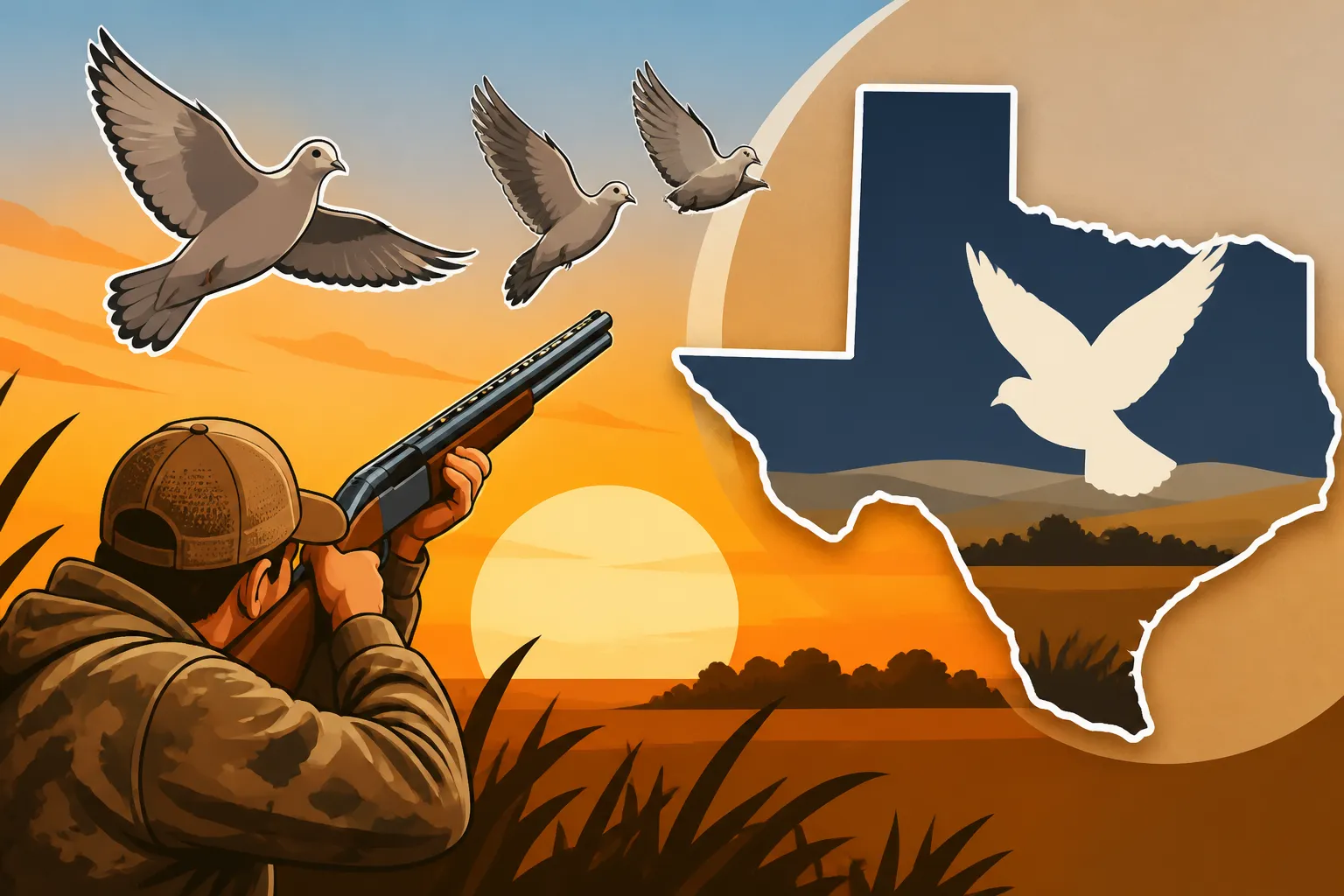
There's nothing quite like the anticipation of September 1st in Texas for a hunter. The heat might still be brutal, but the promise of fast-flying doves and the camaraderie of opening day makes it all worthwhile. If you're wondering "When Does Dove Season Open in Texas 2026?" and trying to plan your hunting trips, you're not alone in feeling a mix of excitement and the slight confusion that can come with varying zone dates. This comprehensive guide will break down the expected opening dates for 2026, explain the different zones, and equip you with the knowledge to make your dove season a soaring success.
Understanding Texas Dove Zones and Their Impact
Texas is a massive state, and its vastness means that migratory bird patterns, and thus hunting seasons, aren't uniform across the entire landscape. To manage dove populations effectively and align with biological cycles, the Texas Parks and Wildlife Department (TPWD) divides the state into three distinct dove hunting zones: North, Central, and South. Ignoring these zones is a common mistake that can land you in hot water, so it's crucial to know which one your preferred hunting spot falls into.
Why Zonal Divisions Matter for Dove Hunting
The primary reason for these zones is to account for the varying migration timelines of mourning doves and white-winged doves. Doves start nesting and maturing at different times from the panhandle down to the Rio Grande Valley. The earlier opening in the northern and central parts of the state allows hunters to pursue birds that have completed their nesting cycle and are ready to migrate, while the later opening in the South Zone protects nesting birds that might still be raising their last broods in the intense South Texas heat. It's all about ensuring sustainable hunting for generations to come.
Knowing your zone dictates your season start and end dates, as well as the specific regulations that apply. For example, some areas within the South Zone might have special early season splits for white-winged doves, which is something you'd want to be aware of if you're targeting those particular birds. Understanding these nuances is key to a legal and ethical hunt.
How to Identify Your Hunting Zone
Pinpointing your hunting zone is usually straightforward, but it's essential to double-check, especially if you hunt near a zone boundary. The TPWD's annual Outdoor Annual provides detailed maps, and online resources like the official TPWD website often have interactive maps to help you out. Generally speaking:
- North Zone: This covers the panhandle and the northern third of the state. It's essentially everything north of a line formed by Interstate 30 between the Texas-Arkansas state line and Fort Worth, then north of U.S. 180 between Fort Worth and the Texas-New Mexico state line.
- Central Zone: This is the largest zone, encompassing the central two-thirds of the state. It's bordered by the North Zone to the north and the South Zone to the south. The southern boundary of the Central Zone runs along U.S. Highway 90 between the Texas-Louisiana state line and San Antonio, then along U.S. 90 West to Uvalde, and finally north along U.S. 83 to the Texas-Mexico border.
- South Zone: This zone covers the southern tip of Texas, including much of the famous South Texas brush country. It extends from the southern boundary of the Central Zone down to the Texas-Mexico border and the Gulf Coast.
If you're hunting near a major city, it's pretty easy to figure out: Dallas and Fort Worth are firmly in the North Zone, while Austin and Houston are in the Central Zone. San Antonio straddles the line between Central and South, with areas north of the city in the Central Zone and areas south falling into the South Zone. Always verify your specific hunting location against an official map. This is vital, as a mistake could mean hunting out of season, even if you’re just a few miles off.
Texas Dove Season 2026 Opening Dates by Zone
While the official 2026-2027 hunting regulations are typically released in the spring or early summer of 2026, we can make very reliable projections based on historical patterns. Texas Parks and Wildlife is remarkably consistent with its dove season openers.
Projected North Zone Opening Day 2026
For the North Zone, tradition holds strong. The dove season virtually always opens on September 1st. In 2026, September 1st falls on a Tuesday. So, hunters in the North Zone can confidently mark Tuesday, September 1, 2026, as their projected opening day for dove season. This means those prime sunflower fields near places like Wichita Falls or the wheat stubble fields outside Amarillo will be buzzing with activity from day one.
The initial North Zone season usually runs for about 45 days, followed by a late-season split that typically opens in mid-December and runs into early January. These late seasons can offer fantastic hunting opportunities, especially for hunters looking to target larger concentrations of migratory birds.
Projected Central Zone Opening Day 2026
Just like the North Zone, the Central Zone consistently opens on September 1st. With September 1, 2026, being a Tuesday, hunters in the Central Zone can also anticipate their opening day to be Tuesday, September 1, 2026. This covers a huge swath of the state, from the Hill Country around Kerrville and Fredericksburg to the Post Oak Savannah region east of Austin, stretching all the way to the Louisiana border.
The Central Zone also usually has a generous first split, similar in length to the North Zone, and then a late season from mid-December to early January. This extended period allows for plenty of opportunities, especially for those looking to experience the thrill of a crisp December dove hunt.
Projected South Zone Opening Day 2026
The South Zone is where things typically differ slightly, with a later opening to protect those later-nesting birds. The South Zone usually opens on the Friday closest to September 20th, or within that general timeframe. Looking at the calendar for 2026, the Friday closest to September 20th is Friday, September 18, 2026. This is a strong projection for the South Zone's opening day.
This later start means that hunters in prime South Texas brush country, such as around Laredo, Corpus Christi, or the Rio Grande Valley, will have to wait a couple more weeks than their counterparts further north. However, this delay often means phenomenal white-winged dove hunting as these birds are more concentrated and active. The South Zone also generally has a special early white-winged dove season for specific weekends in early September. While these dates change annually, they are usually within the first two weekends of the month. Always check the official regulations for these special splits.
Here's a quick reference table for the projected 2026 Texas Dove Season opening dates:
| Texas Dove Zone | Projected 2026 Opening Date | Typical Primary Species |
|---|---|---|
| North Zone | Tuesday, September 1, 2026 | Mourning Dove, White-Winged Dove |
| Central Zone | Tuesday, September 1, 2026 | Mourning Dove, White-Winged Dove |
| South Zone | Friday, September 18, 2026 | White-Winged Dove, Mourning Dove |
Remember, these are projections based on historical data. Always consult the official Texas Parks and Wildlife Department Outdoor Annual for the definitive 2026-2027 regulations once they are published.
Essential Regulations and Considerations for Opening Day
Knowing when to hunt is only half the battle; knowing how to hunt legally and ethically is just as important. Dove season comes with specific rules that every hunter must adhere to.
License and Endorsement Requirements
Before you even think about stepping into a dove field, you need the right paperwork. For starters, everyone aged 17 and older needs a valid hunting license. The most popular choice for Texas residents is the Super Combo License, which covers a wide array of hunting and fishing activities. If you're a non-resident, you'll need a different license structure. Beyond the base license, you absolutely need a Migratory Game Bird Endorsement, often referred to as a "white-wing stamp," and you must be HIP (Harvest Information Program) certified. This HIP certification is free and simply involves answering a few questions about your migratory bird hunting activity from the previous year. You can get all these at most sporting goods stores, bait shops, or directly online through the TPWD website. Planning ahead is crucial, as you don't want to be scrambling for your license on opening morning. Learn more about the different options by checking out our guide on Texas Hunting License: Cost, Types & How to Buy (2026). Also, don't forget your Texas Migratory Bird Endorsement & HIP Certification.
Bag Limits and Possession Limits
Dove bag limits are usually consistent statewide, but it's always smart to double-check. Typically, the daily bag limit is 15 doves in the aggregate, which means any combination of mourning doves and white-winged doves. However, there's often a special provision: no more than two (2) white-tipped doves (also known as white-fronted doves) can be included in that daily bag. This distinction is important, so make sure you can identify your birds. The possession limit, which is the maximum number of birds you can have on your person or in your freezer after hunting, is usually three times the daily bag limit. This means if the daily bag is 15, your possession limit would be 45. For a more detailed breakdown, you can check out our article on Texas Dove Bag Limit & Possession.
Understanding the differences between White-Winged vs Mourning Dove in Texas is also key to staying within these specific bag limits.
Legal Shooting Hours
Legal shooting hours for doves begin one-half hour before sunrise and extend to sunset. This is a federal regulation for migratory birds, so it's consistent across the country. Always bring a reliable watch or use a hunting app like onX Hunt that provides sunrise and sunset times for your specific location. Starting too early or ending too late can result in heavy fines and losing your hunting privileges. It's just not worth it.
Hunter Education Requirements
If you were born on or after September 2, 1971, you must have successfully completed a hunter education course or be accompanied by someone (17 years of age or older) who has completed the course. Alternatively, you can defer your hunter education by purchasing a one-time "Hunter Education Deferral" which allows you to hunt under supervision for one license year. This deferral can only be used once in a lifetime. Safety is paramount, and these courses instill crucial knowledge and safe gun handling practices that protect everyone in the field.
Preparing for a Successful Texas Dove Opener
Once you've got the dates down and the regulations in mind, it's time to get ready for the hunt itself. A successful dove opener isn't just about showing up; it's about smart scouting and proper gear.
Scouting Strategies for Doves
The best dove hunters are often the best scouts. Doves are creatures of habit, typically flying between roosting areas, feeding grounds, and water sources.
- Identify Feeding Fields: Look for active grain fields – harvested wheat, corn, or milo fields are magnets for doves. Sunflower fields are particularly attractive, as doves absolutely love sunflower seeds. If you're wondering How to Make Your Own Dove Field, planting these types of crops is a great strategy.
- Water Sources: Doves need to drink, especially in the Texas heat. Stock tanks, ponds, and even muddy puddles can be prime locations in the late afternoon.
- Roosting Areas: Doves will often roost in tall trees, power lines, or dense brush. Observing their flight paths from roost to feed to water can give you critical insight into where to set up your ambush.
- Pre-Season Drives: Drive around your hunting area in the weeks leading up to the season. Watch for dove activity in the early morning and late afternoon. Pay attention to telephone lines, fence posts, and dead trees where they might perch.
Remember, if you're hunting on private land, always get permission well in advance. If you're looking for public land opportunities, check the TPWD public hunting lands for dove fields. For some deeper insights, explore our article on Where to Hunt Dove in Texas.
Gear Considerations for the Texas Heat
Dove hunting in early September in Texas means one thing: heat. Your gear choices should reflect this reality.
- Shotgun and Ammo: A 12-gauge or 20-gauge shotgun is standard. For ammunition, light target loads (7.5 or 8 shot) are perfect for doves. You'll go through a lot of shells, so stock up!
- Camouflage: While full camo isn't strictly necessary for dove hunting, breaking up your outline is helpful. Lightweight, breathable camo in patterns suitable for dry fields or brush will make you more comfortable. Think about your Best Early-Season Camo for Texas Heat options.
- Decoys: Doves are social birds, and decoys can be incredibly effective at drawing them into range. Spinning wing decoys like a Mojo Dove are particularly deadly. Setting up a spread can greatly improve your success. Check out How to Use Decoys for Dove Hunting for more tips.
- Chair/Bucket: You'll be sitting for extended periods, so a comfortable chair or a five-gallon bucket is a must. The bucket can double as storage for shells, water, and dead birds.
- Water and Hydration: This cannot be stressed enough. Bring plenty of water, and consider electrolyte drinks. Dehydration and heat exhaustion are real dangers.
- Cooler and Ice: As soon as you retrieve a bird, get it on ice. The Texas heat can spoil game meat quickly. A good cooler like a Yeti or a quality alternative will keep your harvest fresh.
- Insect Repellent: Mosquitoes, gnats, and fire ants are unwelcome guests in any dove field.
- Sun Protection: Hat, sunglasses, and sunscreen are crucial to protect against the relentless Texas sun.
- Game Vest or Bag: Makes carrying your harvested birds much easier and keeps them cool if you don't have a small cooler right by your side.
- Dog: If you have a retrieving dog, this is their time to shine! A good retriever can save you a lot of walking and lost birds in tall cover.
For a comprehensive approach to maximizing your bird count, consider diving into Dove Hunting Tactics: Field Setup & Shooting and learning about optimal Dove Field Setup: Where to Stand.
Overlap with September Teal Season
It's worth noting that the early September dove season often overlaps with the short but exciting September Teal Season Dates in Texas. If you're an ambitious hunter with access to both types of habitat, you might find yourself switching between shotguns or blinds on the same weekend. Just be sure to have all the necessary licenses and endorsements for both activities.
Dove season opener in Texas is more than just a hunt; it's a tradition, a social event, and often the unofficial kickoff to the fall hunting season. By understanding the zones, knowing the projected dates for 2026, and preparing diligently, you'll be set for an unforgettable experience in the Texas fields.
Disclaimer
Please note that the opening dates for Texas Dove Season 2026 provided in this article are projections based on historical patterns and current regulations. Official dates and regulations are subject to change and will be published by the Texas Parks and Wildlife Department (TPWD) in their annual Outdoor Annual for the 2026-2027 hunting season. Always consult the most current official TPWD resources before planning any hunting trip to ensure compliance with all state and federal laws.