When Does Duck Season Open in Texas?
Figuring out exactly when duck season kicks off in Texas can feel like trying to hit a fast-flying teal with a slingshot – frustratingly difficult if you don't know where to aim. With different zones, split seasons, and various species, it’s easy to get lost in the regulations. This guide will cut through the confusion, giving you a clear rundown of when and where you can expect to start hunting ducks across the Lone Star State.
Navigating the Texas Duck Hunting Calendar
Texas is a massive state, and when it comes to duck hunting, that size means a lot of variations in regulations. Unlike some smaller states where seasons are pretty uniform, here in Texas, you've got to pay close attention to which duck zone you're in. This isn't just a suggestion; it's absolutely critical to stay legal and make sure you're out there when the birds are.
Why Duck Season Dates Are So Confusing
The primary reason for the complex season structure is the sheer geographical diversity of Texas and the migratory patterns of waterfowl. Ducks, geese, and other migratory birds don't just fly straight down one path; they spread out across different flyways, and their arrival times can vary wildly from the Panhandle to the Gulf Coast. To manage populations effectively and offer fair hunting opportunities, the Texas Parks and Wildlife Department (TPWD) divides the state into specific zones, each with its own set of dates. What might be open in the North Zone could be closed in the South Zone, and vice versa. It’s a dance choreographed by nature and regulation, and missing a step can mean a wasted trip or, worse, a violation. Plus, many zones have "split seasons" – a period of hunting, followed by a closure, and then another hunting period. This is often done to allow early migrants to pass through or to protect breeding birds, but it certainly adds a layer of complexity for us hunters trying to keep it all straight.
General Overview of Season Start Dates
While the exact dates shift slightly year to year based on federal frameworks and TPWD decisions, we can talk about general trends for when the main duck season typically gets underway. The earliest action almost always starts in the northernmost parts of the state, working its way south.
- High Plains Mallard Management Unit (HPMMU): This zone, located in the Texas Panhandle, typically sees the earliest start for the regular duck season, often in late October. It’s usually a straight season, or maybe a very short split.
- North Zone: The vast North Zone usually kicks off its first split season in early to mid-November, often just a few days or a week after the HPMMU.
- South Zone: The southernmost reaches of Texas, including the crucial coastal areas, are usually the last to open for the first split, often in mid-November.
These general start dates are just that – general. You absolutely must check the official TPWD Outdoor Annual for the specific dates for any given year to avoid any mishaps. It’s also wise to consult the full Texas Duck & Waterfowl Season 2026: Zones guide for a deeper dive into the specific boundary lines.
The Importance of September Teal Season
Before the regular duck season even begins, there's a special, short-but-sweet event that many Texas waterfowlers eagerly anticipate: the September Teal Season. This is typically a 16-day season specifically for blue-winged, green-winged, and cinnamon teal, and it usually falls during the latter half of September. These fast-flying little ducks are often the first migratory birds to push south, and Texas, particularly the coastal prairies and rice fields, is a major stopover.
This early season is fantastic because it offers hunters an opportunity to get out in the field when the weather is often still warm, and the teal are abundant before the main push of other duck species. It's a great warm-up for the longer, colder hunts to come. However, the bag limits are usually conservative, typically six teal per day, and hunters need to be absolutely sure of their identification to avoid shooting other species that aren't yet in season. The September Teal Season Dates in Texas article has even more detailed information on this exciting opener.
Breaking Down the Duck Zones in Texas
Understanding the specific duck zones is paramount for any Texas waterfowler. The boundaries aren't always intuitive, and they dictate exactly when you can hunt and what you can harvest. Each zone has unique ecological features and migratory patterns that influence its season structure.
High Plains Mallard Management Unit
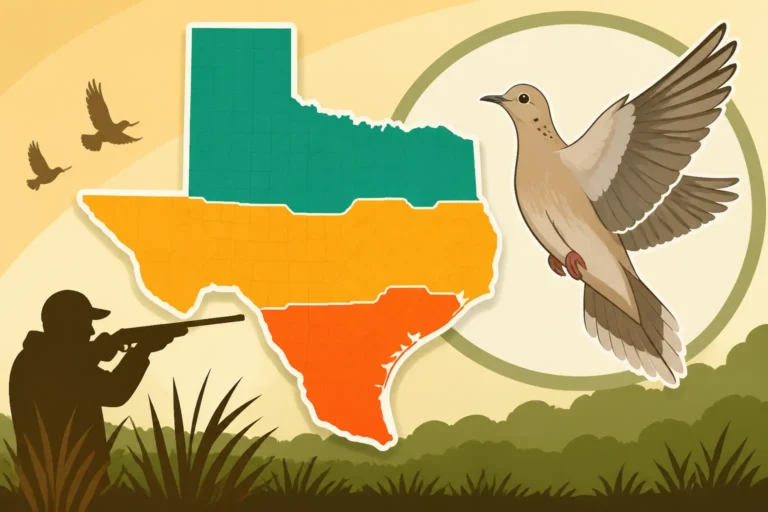
The High Plains Mallard Management Unit, or HPMMU, covers the Texas Panhandle and is distinct from the other zones. It generally follows a different season structure because it's part of the Central Flyway's main mallard migration corridor. Think wide-open playas, agricultural fields, and stock tanks that hold water after rains.
Typically, the HPMMU season is the earliest to open, often around the last weekend of October, and runs through early November for its first segment. Then, after a short break, it reopens in mid-December and continues into late January. The species you'll encounter here are often classic puddle ducks like mallards, gadwall, wigeon, and pintails, especially during the colder parts of the season. This zone is a bit of a hidden gem for some hunters, offering different scenery and often less crowded conditions than the coastal areas.
North Zone
The North Zone is a huge swath of Texas, encompassing much of the northern and central parts of the state. Its boundaries are defined by Interstate 10 on the south and the eastern edge of the HPMMU. This zone includes diverse habitats, from the timber-lined rivers and reservoirs of East Texas to the agricultural fields and scattered wetlands further west.
The North Zone's duck season typically starts its first split in early November, runs for a few weeks, then closes around the end of November or early December. It reopens for its second, longer split usually in mid-December and extends through the end of January. This split season model allows for hunting early migrants and then later birds after a period of rest. Common species include mallards, gadwall, teal, wood ducks (especially in timbered areas), and sometimes pintails and wigeon. If you're hunting near cities like Dallas or Fort Worth, you'll likely be in the North Zone. For more detailed boundary information, you'll want to review the official Texas Duck Zones Explained (High Plains, North, South).
South Zone
The South Zone covers the entire southern portion of Texas, stretching from south of Interstate 10 down to the coast and the Mexican border. This is arguably the most famous duck hunting region in the state, largely due to the massive concentrations of birds that winter along the Gulf Coast, particularly around the rice prairies, bays, and marshes.
The South Zone usually has the latest opening for its first split, often in mid-November, and it typically runs through late November. After a break, the second, much longer split resumes in mid-December and often runs all the way through the last Sunday in January. Hunters in the South Zone see an incredible diversity of ducks, including huge numbers of pintails, green-winged teal, redheads, wigeon, gadwall, and shovelers, along with occasional mottled ducks, scaup, and buffleheads. Areas like the Katy Prairie, the coastal marshes near Rockport, and the Laguna Madre are iconic duck hunting destinations within this zone.
Special Zones and Exceptions
Beyond the main zones, Texas also has a few special provisions and exceptions that hunters should be aware of.
- Youth-Only Seasons: TPWD often designates specific youth-only duck hunting days. These are fantastic opportunities to introduce young hunters to the sport, typically before the regular season opens or during a mid-season break. Dates for these special hunts are published annually and are a great way for families to get out together.
- Eastern Zone: While not a primary duck zone, for goose hunters, there is an Eastern Zone that specifically impacts light goose and Canada goose season dates. Duck hunters primarily need to focus on the HPMMU, North, and South zones.
- Veteran and Active Military Hunts: Similar to youth hunts, special hunting days are sometimes offered for veterans and active military personnel, usually aligning with federal guidelines. These are also announced annually by TPWD.
Staying informed about these special opportunities can greatly enhance your hunting calendar and provide additional days afield.
Planning Your Texas Duck Hunt
Successfully planning a Texas duck hunt involves more than just knowing the season dates; it requires understanding licensing requirements, knowing where to get official information, and adapting to the dynamic conditions that affect waterfowl.
Essential Licenses and Endorsements
Before you even think about setting foot in a duck blind, you need to make sure your paperwork is in order. Hunting migratory birds in Texas requires a specific set of licenses and endorsements. It’s not just a general hunting license, there are a few extra steps that are absolutely crucial.
First and foremost, you'll need a valid Texas hunting license. For residents, this could be a Super Combo License, which covers most basic hunting and fishing, or a general resident hunting license. Non-residents will need a specific non-resident hunting license. Beyond the basic license, migratory bird hunters in Texas must also purchase a Migratory Game Bird Endorsement. This endorsement is a prerequisite for hunting any migratory game birds, including ducks, geese, doves, and sandhill cranes.
Crucially, you also need to obtain a Federal Duck Stamp. This stamp, purchased annually, is required for all waterfowl hunters aged 16 and older. It's a physical stamp that you sign and carry with you, and the funds generated from its sale go directly towards wetland conservation efforts across the country. Lastly, you must be HIP certified (Harvest Information Program). This is a federal requirement for anyone hunting migratory birds, and it involves answering a few simple questions about your previous year's hunting activity. It's free and can usually be done when you purchase your license or endorsements. For a comprehensive breakdown of all the required permits, check out the guide on Texas Hunting License: Cost, Types & How to Buy (2026). And if you're ever wondering, "Do I Need a Federal Duck Stamp in Texas?", the answer is almost always yes for anyone 16 and older.
Where to Find Official Season Information
I cannot stress this enough: always, always, always consult the official Texas Parks and Wildlife Department (TPWD) Outdoor Annual for the most current and accurate season dates and regulations. While guides like this one offer general timelines and explanations, the Outdoor Annual is the legal source of truth.
The Outdoor Annual is published annually, usually in August, and covers all hunting and fishing regulations for the upcoming season. You can find it online as a PDF or interactive web page on the TPWD website, or pick up a physical copy at most license retailers, sporting goods stores like Academy Sports + Outdoors, or TPWD offices. It’s an incredibly detailed document that covers everything from season dates and bag limits by species to legal hunting methods, specific zone boundaries, and information on CWD zones. Even if you think you know the rules, taking a few minutes to review the current year's Outdoor Annual can save you a lot of headache and potential violations.
Adapting to Weather and Migratory Patterns
Knowing the official dates is one thing, but successful duck hunting in Texas often comes down to understanding and adapting to the actual conditions on the ground. Weather plays a monumental role in duck migrations. Strong cold fronts pushing down from the north are what truly get the birds moving. A mild fall might mean a delayed arrival of ducks, even if the season is technically open. Conversely, an early, brutal cold snap can push birds south quickly.
Scouting is absolutely vital. This means paying attention to local conditions, water levels in marshes and playas, and what birds are actually in the area. Online forums, local hunting reports, and simply driving around likely waterfowl areas can give you clues. Don't be afraid to adjust your plans if the birds aren't where you expect them to be. What works one year might not work the next. Texas weather is famously fickle, and migratory patterns can shift. Being flexible and observing the daily realities of the flyway will put more ducks in your bag than just rigidly adhering to a calendar. You might find that some of the Best Duck Decoy Spread for Texas Coast strategies need to be adapted based on the current weather and bird behavior.
Here's a simplified overview of typical general duck season start and end dates by zone in Texas:
| Zone | Typical Early Season Start | Typical Early Season End | Typical Late Season Start | Typical Late Season End | Common Duck Species |
|---|---|---|---|---|---|
| High Plains Mallard Management | Late October | Early November | Mid-December | Late January | Mallards, Gadwall, Wigeon, Pintails, Green-winged Teal |
| North Zone | Early November | Late November | Mid-December | Late January | Mallards, Gadwall, Wood Ducks, Teal, Wigeon, Pintails |
| South Zone | Mid-November | Late November | Mid-December | Late January | Pintails, Green-winged Teal, Redheads, Gadwall, Wigeon, Shovelers, Mottled Ducks |
| September Teal Season | Mid-September | Late September | N/A | N/A | Blue-winged Teal, Green-winged Teal, Cinnamon Teal |
Please remember, these are typical dates based on historical trends. Always verify actual dates with the current year's TPWD Outdoor Annual before planning your hunt.
Essential Preparations and Gear for Texas Duck Hunting
Once you've got your licenses sorted and the season dates locked in, it's time to think about preparation. Texas duck hunting, especially along the coast or in the vast agricultural fields, presents unique challenges that require specific gear and tactics. Being prepared can make the difference between a memorable hunt and a miserable one.
Waterfowl Shotguns and Ammunition
Choosing the right shotgun and ammunition is paramount for duck hunting. Most duck hunters opt for a 12-gauge semi-automatic or pump-action shotgun due to their reliability and capacity for multiple shots. Brands like Benelli, Beretta, Remington, and Mossberg are popular choices for their robust construction and ability to handle various loads and weather conditions.
As for ammunition, federal regulations mandate the use of non-toxic shot for all migratory bird hunting. This means no lead shot for ducks. Common non-toxic shot materials include steel, bismuth, and tungsten. Steel shot is the most affordable and widely available, but it's lighter than lead, so you might need to go up a shot size or two (e.g., #2 steel instead of #4 lead) to achieve similar downrange energy. Bismuth and tungsten alloys are denser, performing closer to lead, but they come at a higher price point. Shot size usually ranges from #4 for smaller ducks and closer shots, to #2 or BB for larger ducks and longer ranges. It’s always a good idea to pattern your shotgun with your chosen non-toxic loads before the season to understand its performance.
Decoy Spreads and Calling Techniques
Decoys and calling are the bread and butter of duck hunting. Your decoy spread should mimic the species you expect to encounter and the natural behavior of ducks in your specific hunting location. For example, a spread of pintails and wigeon might be ideal for open water and coastal flats, while mallard and wood duck decoys are better suited for timber or smaller ponds. The Best Duck Decoy Spread for Texas Coast article offers excellent tips for saltwater setups.
A common setup includes a "kill hole" – an open area in your spread where you want the ducks to land. Movement, especially on calm days, is crucial. Motion decoys, like spinning-wing decoys (e.g., Mojo Decoys), can significantly enhance your spread's realism and attract distant birds. However, some areas or specific times of year might have restrictions on their use, so always check the local rules.
Calling is an art form that takes practice. A basic repertoire of quacks, greeting calls, and feed calls can be very effective. It’s often better to call less and more realistically than to over-call. Watch the birds; if they're committed, ease up on the call. If they're flaring, try a different cadence or volume. Listening to real duck sounds and practicing with an experienced caller can greatly improve your skills.
Waders, Blinds, and Cold Weather Gear
Texas weather can be famously unpredictable, so having the right apparel and blind setup is critical. Good quality waders are non-negotiable for most duck hunting scenarios, whether you're setting decoys in a shallow marsh or retrieving a downed bird from a flooded timber hole. Breathable chest waders are popular for their comfort and versatility.
Blinds range from natural cover (like cattails or willow thickets) to portable pop-up blinds or more permanent pit blinds. The key is concealment. Ducks have excellent eyesight, so breaking up your silhouette and blending into the surroundings is vital. Face masks, gloves, and camouflage patterns appropriate for your environment are also essential.
Even though Texas is known for its heat, duck season often extends into the colder winter months. Layering is your best friend. Start with a moisture-wicking base layer, add insulating layers (fleece or down), and top it with a waterproof/windproof outer shell. A good quality waterproof hunting jacket and pants are worth the investment. Don't forget waterproof boots or insulated wading socks to keep your feet warm, as cold feet can quickly end a hunt. Planning ahead for potential cold fronts will ensure you stay comfortable and focused on the hunt.
Maximizing Your Texas Duck Hunting Success
Beyond the basic requirements and gear, there are several strategies and insights that can significantly improve your chances of a successful duck hunt in Texas. It's about combining knowledge, observation, and adaptability to the ever-changing environment.
Scouting and Habitat Identification
Effective scouting is perhaps the most undervalued aspect of duck hunting. You can have the best decoys and calls, but if you're not where the ducks want to be, you're not going to see much action. Start scouting well before the season opens. Look for areas with ample food sources (like waste grain in rice fields, submerged aquatic vegetation in marshes, or acorns in flooded timber) and safe resting areas.
Ducks are creatures of habit. They'll use the same flight paths and loafing areas repeatedly, provided they aren't pressured too heavily. Use binoculars and spotting scopes to observe flight patterns at dawn and dusk. Look for "loafing" areas where ducks rest during the day. Sometimes, the best spot isn't where you hunt, but where you see the ducks, which can then inform where you set up for the next hunt. Keep an eye on water levels too; ducks need water, and if a favorite spot dries up, they’ll move. Private land hunters with access might also consider Food Plots in Texas: What Works in the Heat to attract and hold birds.
Understanding Duck Behavior and Decoy Spreads
Ducks communicate visually and audibly. Your decoy spread is your visual communication. Think about what a real flock of ducks looks like on the water. They're rarely in a perfectly symmetrical line. Create pockets, leave landing zones, and vary the head positions of your decoys if possible. When targeting a specific species, focus on those decoys. For instance, if you're hunting redheads on the Laguna Madre, a large spread of redhead and pintail decoys will likely be more effective than a small mixed bag.
The size of your spread can also matter. Early season, smaller spreads might work. As the season progresses and birds become warier, a larger, more realistic spread can be more effective. Pay attention to how the ducks are reacting. Are they circling wide? Are they landing short? Adjust your spread accordingly. Sometimes, a subtle change, like moving a few decoys closer to your blind or spreading them out more, can make all the difference.
Retrievers and Ethical Hunting Practices
A well-trained retriever is an invaluable asset for duck hunting. Not only do they make retrieving downed birds much easier and faster, especially in thick cover or cold water, but they also significantly reduce the number of lost birds. Every effort should be made to recover every bird harvested. Training a duck dog takes time and dedication, but the rewards are immense. Labradors, Chessies, and Goldens are popular choices for their natural retrieving instincts and resilience.
Beyond retrieval, ethical hunting practices are paramount. This includes respecting bag limits and shooting hours, ensuring positive identification of birds before shooting, and only taking shots at birds within your effective range. Wounded birds that fly off are a tragic loss, so practice your shooting beforehand to minimize crippling. Respecting private property, leaving no trace, and being courteous to other hunters are also crucial aspects of ethical hunting. Responsible hunting ensures the tradition continues for future generations.
Final Thoughts on Texas Duck Season
Texas duck season is an experience unlike any other, offering some of the most diverse and exciting waterfowl hunting opportunities in the country. From the early teal flights of September to the deep winter mallards of the Panhandle and the endless coastal marshes, there's a unique adventure waiting for every hunter. The key to unlocking these experiences lies in understanding the distinct zone regulations, staying informed with official resources like the TPWD Outdoor Annual, and embracing the unpredictable nature of migratory birds.
It's easy to get overwhelmed by the sheer volume of information, but taking it one step at a time, ensuring your licenses are in order, and continually scouting and adapting to conditions will put you on the path to success. The beauty of Texas duck hunting is in its variety and the challenge it presents. So gear up, stay safe, and enjoy the thrill of watching those birds cup their wings over your decoys.
Disclaimer
Please remember that hunting regulations, season dates, and license requirements can change annually. Always consult the most current Texas Parks and Wildlife Department (TPWD) Outdoor Annual and federal regulations before engaging in any hunting activities. This article provides general information and should not be considered a substitute for official legal guidance.