Texas Javelina Season Dates 2026
Trying to figure out when you can hunt javelina in Texas can be a real head-scratcher, especially if you're used to the strict seasonal windows for deer or turkey. It often feels like you're digging through endless regulations just to find a straightforward answer. Many hunters get frustrated by the seemingly contradictory information out there. This guide will cut through the confusion and lay out everything you need to know about javelina season dates and regulations for 2026, ensuring you're well-prepared for your hunt.
Understanding Javelina Season in Texas: Why It's Different
If you're new to hunting javelina in Texas, or even if you've been doing it for years but mostly stick to deer, you might be surprised by how different the "season" structure is. Unlike white-tailed deer or Rio Grande turkeys, javelina don't have a universal statewide season that opens and closes on set dates for everyone. This unique situation is often a source of confusion, leaving many hunters scratching their heads about when they can actually hit the field. The key lies in understanding how Texas Parks and Wildlife Department (TPWD) classifies these fascinating animals and how that classification impacts the rules.
The Unique Status of Javelina in Texas Law
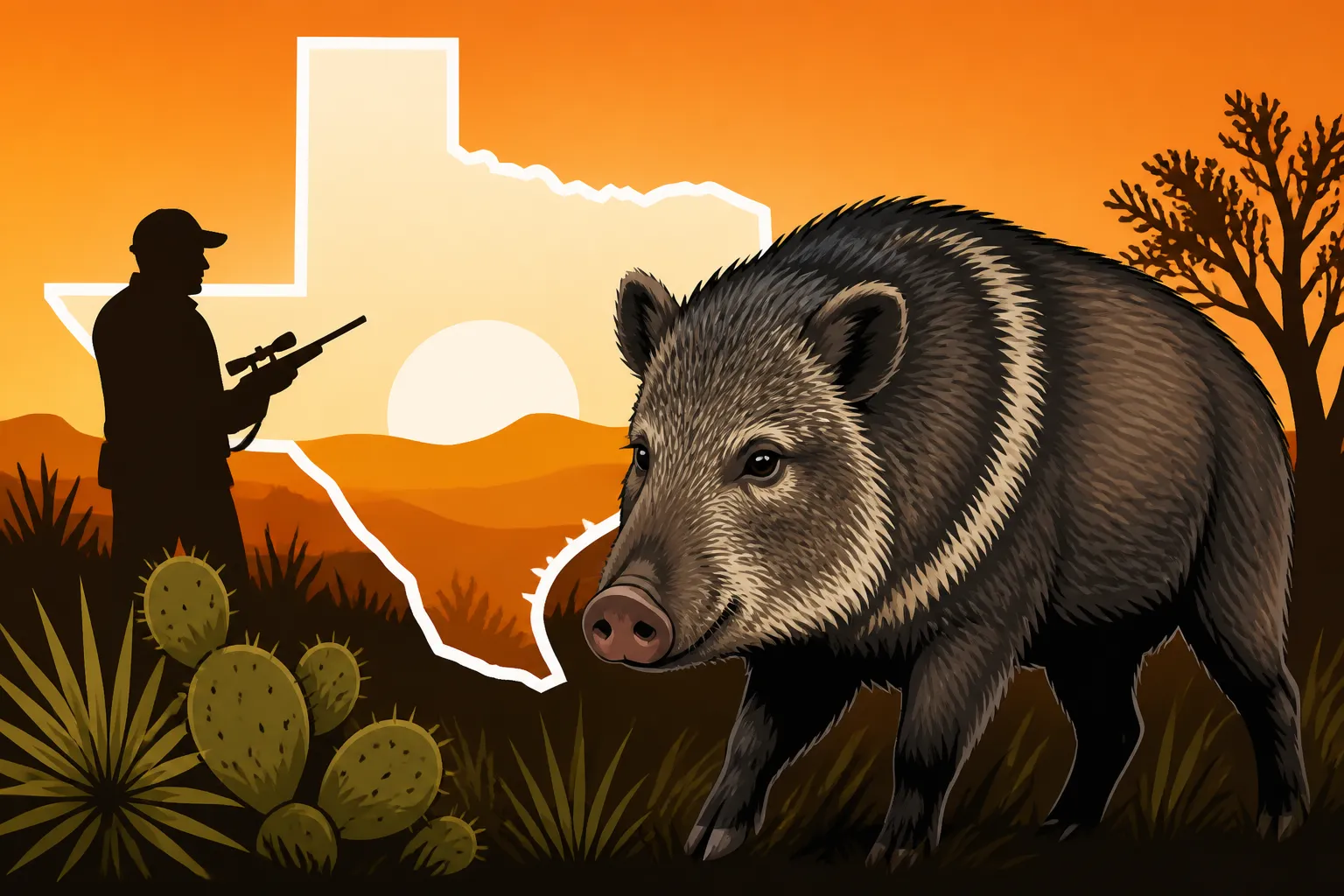
One of the biggest reasons for the confusion surrounding javelina hunting is their official classification. In Texas, javelina are technically known as "collared peccary" and, crucially, are not designated as "game animals" in the same way deer, turkey, or even squirrels are. This distinction changes everything. Because they aren't traditional game animals, their hunting regulations can be a bit more flexible and, frankly, varied across the state. For many landowners on private property, this means they can pursue javelina year-round with appropriate landowner consent and the correct hunting license. It's a huge benefit for those looking for an off-season hunting opportunity or simply managing a population that can sometimes be quite numerous.
This lack of "game animal" status also means that javelina often fall under different regulatory umbrellas. While deer seasons are meticulously planned years in advance with specific opening and closing dates by zone, javelina regulations tend to be more nuanced, often tied to specific counties or public hunting opportunities rather than broad, sweeping statewide dates. It's not uncommon for hunters to find that while they can hunt javelina on their private lease almost any time, a public land hunt might have a very limited window. This variability makes it essential to check the specific county regulations and the public hunt schedule, as assumptions can lead to trouble.
Regional Variations and Their Impact
Texas is a massive state, and its diverse ecosystems mean that hunting experiences, and regulations, can vary wildly from one region to another. For javelina, their primary range is concentrated in the South Texas brush country, parts of the Trans-Pecos, and some areas of the Edwards Plateau. Consequently, the counties where javelina are most prevalent often have more specific regulations regarding bag limits and season dates, particularly when it comes to public lands or drawing hunts. For instance, in many of the prime javelina habitats, like parts of Webb County, Dimmit County, or even areas west towards Big Bend, you'll find clearer guidelines.
On the flip side, in counties where javelina are less common or merely transient, the rules might be much more relaxed. For public land opportunities, like those offered through the Annual Public Hunting Permit (APH) program, javelina seasons are often bundled with other small game or even general exotic hunting dates. These public land hunts, such as those at the Chaparral WMA or other smaller public hunting units, will have specific, sometimes very short, windows when javelina hunting is permitted. These dates are usually published in the Texas Outdoor Annual well in advance, and it's crucial to consult the public hunting lands section for the specific unit you plan to visit. Relying on general "private land rules" for public property is a common mistake that can easily lead to a citation. Hunters really need to cross-reference their hunting area with the most current TPWD regulations.
Common Misconceptions to Avoid
One of the biggest misconceptions about javelina hunting in Texas is that there's a distinct "javelina season" comparable to deer season. Many new hunters assume they'll find an easily identifiable fall or spring javelina season listed statewide. This isn't the case. While some public lands might have designated periods that coincidentally fall in spring or fall, it's not a universal opening and closing. Another common error is assuming that the "no bag limit" rule applies everywhere. While many counties do have year-round hunting with no bag limit on private property, a significant number of counties (currently 41) have specific regulations, including a bag limit of two javelina per license year.
It's easy to get caught up in the excitement of planning a hunt and overlook these crucial details. Many hunters hear "javelina are year-round" and stop their research there, only to find themselves in violation when hunting in a regulated county or on public land with different rules. Always remember that Texas hunting regulations are dynamic and can have hyper-local nuances. What's legal in Zapata County might not be legal in Val Verde County, even if both are known for javelina. Taking the time to verify the specific county and land type (private vs. public) you plan to hunt is an absolute must.
Javelina Season Dates for 2026 by Zone
When it comes to pinning down exact javelina season dates for 2026, you really have to think in terms of two distinct categories: private land and public land, with a critical distinction for a specific group of counties. This dual system is what makes javelina hunting unique and, at times, a bit complicated for those unfamiliar with it. You won't find a single "Javelina Season 2026" entry that covers the entire state because the rules are tailored to regional populations and management goals.
General Statewide Outlook for Private Land
For the vast majority of Texas, especially on private land, you're in luck: javelina can generally be hunted year-round. This flexibility is a huge draw for hunters looking for opportunities outside the traditional fall deer seasons. If you have access to a private lease or private property where javelina are present, and the landowner has given you permission, you can usually hunt them any time of year. This year-round status is a reflection of javelina not being classified as traditional "game animals" in many parts of the state.
However, and this is a crucial "however," this year-round, no-bag-limit rule isn't universal. There are 41 counties in Texas where specific regulations do apply to javelina. In these counties, there is typically a defined season and a bag limit. Most of these regulated counties are concentrated in the traditional javelina strongholds of South Texas and parts of the Trans-Pecos. For 2026, you should assume these 41 counties will continue to have specific season dates, which often align with the general open season for deer or other game. Always consult the Texas Outdoor Annual for the most current information, as regulation changes can occur.
Specific Public Land Seasons (2026 Projections)
Public hunting lands, managed by TPWD through programs like the Annual Public Hunting Permit (APH), operate under entirely different rules. While javelina might be hunted year-round on adjacent private lands, public hunting units will almost always have very specific, and often limited, open seasons for javelina. These public land seasons are carefully managed to ensure sustainable populations and to provide a quality hunting experience for a larger number of hunters.
For 2026, expect public land javelina seasons to be published as part of the Drawn Hunts catalog or the APH permit access rules. These seasons often run concurrently with other small game or deer seasons, or they might be short, dedicated periods to manage local populations. For example, some Wildlife Management Areas (WMAs) in South Texas, like Chaparral WMA or other areas, might offer drawn hunts or general public access during specific dates in the fall or winter. These dates are typically released in the spring or summer prior to the hunting year. It's vital to check the specific WMA or public hunting area regulations because a general APH permit might not grant you year-round javelina access, even if you can hunt other species. Planning your public land javelina hunt far in advance, checking the TPWD Drawn Hunts website, and looking at the specific WMA brochures is your best bet.
Important Dates to Mark on Your Calendar
Given the varied nature of javelina hunting regulations, organizing the key dates requires a dual approach. Here’s a breakdown that should help clarify things. Remember, these are based on typical patterns and it is absolutely essential to verify the exact dates in the official 2026-2027 Texas Outdoor Annual once it’s released.
For the 41 Regulated Counties, which primarily include counties in South Texas like Webb, Dimmit, Maverick, La Salle, and others in the Trans-Pecos, a specific season and bag limit are enforced. Historically, these seasons often mirror the general deer season, providing a window from early November through late February. The bag limit in these counties is typically two javelina per hunter per license year.
In All Other Counties (which is the majority of the state), javelina hunting on private land is generally year-round with no closed season and no bag limit. This offers incredible flexibility for landowners and their guests.
Public Lands and Drawn Hunts represent the third, and most specific, category. Dates here are highly variable, often short, and specific to each WMA or public hunting unit. These usually fall within the broader hunting calendar, from late fall through early spring, and are often part of specific drawn hunt opportunities.
Here's a simplified table to help visualize the general structure:
| Hunting Area Type | Season Length (Private Land) | Bag Limit (Private Land) | Key Action for 2026 |
|---|---|---|---|
| 41 Regulated Counties | Typically November to February (specifics vary) | 2 Javelina per license year | Check 2026 Outdoor Annual for exact dates |
| All Other Counties | Year-round | No bag limit | Verify county is not one of the 41 regulated |
| Public Hunting Lands | Varies greatly (often short, specific periods) | Varies by WMA/Hunt | Consult TPWD Drawn Hunts & APH Permit listings for specific unit dates |
Knowing these distinctions is paramount. For example, if you're hunting in a county like Duval, which is one of the 41 regulated counties, you must adhere to the two-javelina bag limit and the specified season dates. However, if you're on private land in, say, Travis County, where javelina are rare but not impossible, you could hunt them year-round with no bag limit. Always make sure you understand the regulations for your specific location to avoid any legal issues. It's also a good idea to refresh your knowledge on the general Texas Javelina Hunting Regulations 2026 and Javelina Season & Bag Limit in Texas each year.
Essential Regulations and Licensing for Javelina Hunting
Hunting javelina in Texas, even with its year-round flexibility on private land in most counties, isn't a free-for-all. Like all hunting activities in the Lone Star State, it comes with a set of crucial regulations and licensing requirements that every hunter must adhere to. Ignoring these can lead to fines, loss of hunting privileges, or worse. The key is to understand what permits you need and what methods are legal, especially as rules can differ from other species you might be accustomed to pursuing.
Required Licenses and Endorsements
First and foremost, you must have a valid Texas hunting license. There's no exception here. For most resident hunters, the Texas Super Combo License: What Is It? is the most popular choice, as it covers everything from deer and turkey to migratory birds and saltwater fishing. This license, or a general hunting license, will cover you for javelina. If you are a non-resident, you'll need a non-resident hunting license.
Beyond the basic hunting license, if you plan to hunt javelina on any public land, you'll also need an Annual Public Hunting Permit (APH Permit). This permit grants you access to various WMAs and other public hunting sites across the state. Remember, even if you have a Super Combo, the APH Permit is a separate requirement for public land access. Always ensure your license and any necessary permits are current for the 2026-2027 license year before you head out. Don't forget, you can typically purchase or renew your Texas Hunting License: Cost, Types & How to Buy (2026) online through the TPWD website, at most sporting goods stores like Academy Sports + Outdoors, or at local license retailers.
Bag Limits and Means and Methods
This is where the distinction between counties becomes critically important. As mentioned earlier, in 41 specifically regulated counties, the bag limit for javelina is two per license year. These counties are primarily found in the South Texas Plains and Trans-Pecos regions. For example, counties like Dimmit, La Salle, Webb, and Maverick are typically included in this list. In all other counties, there is no bag limit for javelina on private property. This means if you're hunting in a non-regulated county on private land, you can harvest as many javelina as the landowner permits. Always double-check your specific county in the Texas Outdoor Annual to confirm its status for 2026.
Regarding means and methods, javelina can be hunted using a variety of legal firearms, archery equipment, and even air guns. There are no specific caliber restrictions for javelina, but ethical hunting dictates using a cartridge sufficient for a clean kill. Common choices include .223 Remington, .243 Winchester, .30-30 Winchester, and various handgun calibers. Archery equipment, including traditional bows, compound bows, and crossbows, are also popular. Just ensure you comply with all general hunting regulations for your chosen method, such as legal hunting hours. The use of artificial lights, electronic calls, and baiting (like feeders) is generally permitted for javelina on private land, but always verify specific local rules or restrictions, especially on public lands where regulations might be stricter.
CWD Considerations and Carcass Movement
While Chronic Wasting Disease (CWD) is primarily associated with white-tailed deer and mule deer, it's a good practice for any hunter in Texas to be aware of the CWD regulations, especially regarding carcass movement. Although javelina are not known to carry CWD, transporting any harvested animal from a CWD Containment Zone can have specific rules. These rules are designed to prevent the spread of the disease by limiting the movement of certain carcass parts out of affected areas.
Before you leave any hunting location, especially if you're in a known CWD zone (you can find CWD zone maps on the TPWD website), quickly review the carcass movement restrictions. Typically, these rules allow you to transport boned-out meat, quarters with no spinal column, and a clean skull plate with antlers (if applicable to other species), but restrict whole carcasses or brain/spinal tissue from leaving the zone. While javelina aren't the focus, being informed about these rules is part of being a responsible hunter. It’s always best to be overly cautious when it comes to wildlife health. You can find up-to-date information on CWD Zones in Texas: Map & Restrictions.
Best Practices for a Successful Javelina Hunt in Texas
Javelina are often underestimated. They're not huge animals, but they are tough, wily, and incredibly social creatures that can offer an exciting and challenging hunt. Whether you're a seasoned hunter looking for a unique experience or a beginner just starting, understanding their habits and employing effective tactics will greatly increase your chances of success. Plus, preparing for the often warm Texas climate is key, especially when it comes to post-harvest care. For more in-depth knowledge, check out our guide on How to Hunt Javelina in Texas (Step by Step).
Scouting and Locating Javelina Hotspots
Javelina are creatures of habit and prefer specific types of habitat. They thrive in the dense, thorny brush country of South Texas, the rugged terrain of the Trans-Pecos, and some rocky areas of the Hill Country. When scouting for javelina, look for signs of their presence rather than just hoping to stumble upon them. They often travel in herds, ranging from a few individuals to more than 20, and their movements are dictated by food, water, and cover.
Here's what to look for:
- Rooting and Digging: Javelina are omnivores, but they love to root for tubers, roots, and grubs. You'll often find disturbed soil, looking like a miniature pig's rooting, under mesquite trees, prickly pear cactus, and other brush.
- Tracks: Their tracks are smaller than a hog's, typically 1.5 to 2 inches long, and they lack the dewclaws that often show up in hog tracks, especially in soft ground. Look for multiple tracks, indicating a herd.
- Droppings: Javelina droppings are pellet-shaped, similar to deer, but usually smaller and often found in communal "latrines."
- Scent: Javelina have a strong, musky odor, especially older boars. You might smell them before you see them, particularly if you're downwind. This scent comes from a dorsal gland.
- Water Sources: Like all wildlife in arid Texas, javelina need water. Look for their signs around tanks, windmills, and seeps.
- Prickly Pear Cactus: This is a staple food source for javelina. Fields or dense patches of prickly pear are excellent places to focus your scouting efforts.
Using trail cameras can also be incredibly effective for patterning javelina, especially near water sources or dense cover where they bed down. While they don't respond to feeders like deer, cameras can show you their travel corridors and activity times.
Effective Hunting Tactics
Once you've located some javelina hotspots, it's time to decide on your hunting strategy. Javelina are social, have poor eyesight but excellent hearing and a keen sense of smell.
- Spot-and-Stalk: This is one of the most exciting and effective methods, especially in the open country of West Texas or the more sparse South Texas brush. Get to a high vantage point at dawn or dusk, use good binoculars or a spotting scope to scan for moving groups, then plan a careful stalk. Always approach from downwind, move slowly, and use cover. Javelina can be surprisingly jumpy if they sense movement or hear unnatural sounds. For more on this, check out Spot-and-Stalk Hunting in Texas (Exotics & Mule Deer).
- Still Hunting/Ambush: Find a well-used trail between a bedding area and a food source or water. Set up quietly downwind in a ground blind or natural cover and wait. Javelina often move predictably, especially in the cooler morning and evening hours.
- Calling: Javelina respond well to distress calls, particularly fawn or rabbit distress calls. Their natural predators include coyotes and bobcats, so these sounds can trigger a defensive response, bringing them in for a closer look. Be prepared for them to come in quickly and often in a group.
- Hunting Over Feeders (Private Land): While javelina don't primarily eat corn, they will sometimes visit deer feeders, especially for protein pellets or spilled corn. If you're targeting other game over a feeder, you might have an opportunistic javelina encounter.
- Thermal or Night Hunting (Private Land): In many areas, especially on private land where it's legal, hunting javelina at night with thermal or night vision equipment can be very productive. Javelina are often most active during the cooler nighttime hours, particularly in the warmer months.
Regardless of your chosen tactic, patience is key. Javelina can appear and disappear quickly into dense cover. Work the wind, move slowly, and pay attention to their distinctive calls and movements. More detailed strategies can be found in Javelina Hunting Tactics for Texas.
Post-Harvest Care in the Texas Heat
Texas heat is no joke, and even in the cooler "javelina season" months (fall/winter), temperatures can spike. Properly caring for your harvested javelina is critical to ensure the meat is good to eat. Javelina meat, often called peccary meat, is lean and flavorful but can spoil quickly if not handled correctly. Many people assume javelina aren't good to eat due to their strong musk, but proper field dressing and cooling make all the difference.
- Field Dress Immediately: As soon as you recover the animal, field dress it. Remove the entrails to allow the carcass to cool internally. If you have time and know how, skinning immediately can help reduce the gamey flavor often associated with the scent glands.
- Remove Scent Gland: There is a prominent dorsal scent gland on the javelina's back, usually around the loin. While it's often removed during skinning, some hunters prefer to cut around it carefully during field dressing to avoid contaminating the meat with its strong musk.
- Cool Quickly: The goal is to get the body temperature down as fast as possible. If you're close to your vehicle or camp, get the animal into a cooler full of ice immediately after field dressing. If you're deep in the field, prop the cavity open with a stick to maximize airflow. For comprehensive advice on preserving your harvest in warm climates, refer to Field Dressing & Processing Game in Texas Heat.
- Butchering: Javelina meat is excellent for stew, chili, sausage, or even smoked roasts. It's lean, so adding a bit of pork fat for sausage or slow cooking methods can yield fantastic results. Don't let misconceptions about their smell deter you; with proper care, javelina meat is a delicious wild game option.
Taking the time for careful post-harvest care ensures that your hard-earned harvest is not wasted and provides a tasty reward for your efforts.
Disclaimer
Please remember that hunting regulations in Texas are subject to change. While this guide provides the most accurate information available based on typical patterns and current rules, it is solely for informational purposes. You are personally responsible for verifying all current hunting laws, dates, and bag limits with the Texas Parks and Wildlife Department (TPWD) before engaging in any hunting activities. Always consult the official Texas Outdoor Annual for the most up-to-date and legally binding regulations.