Texas Public Hunt Draw Application Deadlines
It’s a truly frustrating experience to finally find that perfect public hunting opportunity, only to realize the application deadline for the draw passed weeks ago. Texas offers some incredible hunting experiences through its Public Hunt Drawn Program, but missing those critical application windows can mean waiting another entire year. This guide is here to untangle the complexities of the Texas Public Hunt Draw application deadlines, helping you understand the system, know when to apply, and maximize your chances for securing one of these coveted spots.
Understanding the Texas Public Hunt Drawn Program
The Texas Parks and Wildlife Department (TPWD) manages an extensive public hunting program that provides access to state parks, wildlife management areas (WMAs), and other public lands across the state. While some areas are open on a first-come, first-served basis with an Annual Public Hunting Permit, the most sought-after hunts, often for premier game like white-tailed deer, mule deer, exotic species, and even alligator, are allocated through a competitive Public Hunt Drawn Program. These hunts offer unique, high-quality experiences, often with fewer hunters and greater management focus, which is why everyone wants a piece of the action.
The Allure of Drawn Hunts
Imagine having a vast tract of prime Texas land, teeming with wildlife, almost entirely to yourself for a few days. That's the dream of a drawn hunt. These hunts are designed to control hunter numbers, ensuring a quality experience and maintaining healthy wildlife populations. Unlike showing up to an open public hunting area, a drawn hunt guarantees you a specific window of access to a designated area. This exclusivity means less pressure from other hunters, a more immersive outdoor experience, and often, a higher chance of success, particularly for trophy animals. It's the reason why so many hunters diligently apply year after year, hoping for that golden ticket.
Categories of Public Drawn Hunts
The TPWD Drawn Hunt system isn't a one-size-fits-all lottery. Instead, it's organized into various categories, each with its own set of rules, eligibility requirements, and, crucially, application deadlines. Understanding these categories is the first step in successfully navigating the system. You’ll find everything from general big game hunts to specific opportunities like youth-only hunts, javelina hunts, and even exotic species hunts for game like axis deer or aoudad. Each category is tailored to specific species or hunter demographics, ensuring diverse opportunities for the Texas hunting community. For a comprehensive overview, checking the Texas Hunting Seasons: Complete Calendar by Species is always a good idea.
Navigating the Texas Public Hunt Draw Application Deadlines
Keeping track of all the different application periods can feel like trying to herd feral hogs in a hurricane—daunting and chaotic! The key is to realize that these aren't all open at once. The TPWD strategically staggers the application periods throughout the year, typically starting in mid-summer and running into the fall and winter, allowing hunters to apply for different opportunities as they become available.
Early Application Periods: What to Look For First
The earliest application periods usually kick off in mid-July to August. These often include some of the most popular and specialized hunts. Think premium deer hunts in prime locations like the storied South Texas brush country, or perhaps coveted exotic hunts for species like Nilgai on the coastal plains. These early deadlines are crucial because they cover hunts that take place in the early fall. If you're hoping for an archery-only hunt in September, for instance, your application window will almost certainly be in this early phase.
For example, drawn alligator hunts, particularly in the core counties, frequently have some of the first deadlines in early August. Similarly, many of the prized "Big Time Texas Hunts" packages, which offer hunters a chance at incredible trophy animals and unique experiences, also have early deadlines in this summer window. Missing these means missing out on some truly once-in-a-lifetime opportunities. It's wise to mark your calendar in July to start checking the TPWD website for the upcoming season's schedule.
Mid-Season & Late-Season Opportunities: Don't Miss Out on Later Chances
As summer transitions into fall, more application periods open up, typically from September through October. These mid-season deadlines often cover a broader range of white-tailed deer hunts, mule deer opportunities in the Panhandle and Trans-Pecos regions, and various small game or waterfowl hunts. This is a crucial window for many general deer hunters who are eyeing the regular rifle seasons in November and December. You might find applications for specific WMAs like the Kerr WMA Hunting Guide or the Chaparral WMA opening during this time.
Later into the fall and early winter, from November to December, you'll see deadlines for hunts that extend into the late deer season or even into the spring for species like Rio Grande turkey. These late applications can include post-Christmas deer hunts, Javelina hunts, or additional exotic opportunities. Don't make the mistake of thinking all the good hunts are gone after the initial rush; often, fantastic opportunities arise in these later periods, especially if you're flexible with dates or locations.
Special Hunt Categories and Their Schedules
Beyond the general big game and exotic hunts, Texas offers several special categories with their own unique rhythms:
- Youth-Only Hunts: These are fantastic opportunities for young hunters (typically ages 8-16) to gain experience. Deadlines for these hunts are often staggered but can pop up throughout the application season. They are highly recommended for getting kids involved.
- Disabled Hunter Hunts: Designed to provide accessible hunting experiences, these also have specific application windows.
- Mentored Hunts: Allowing experienced hunters to guide novices, these are excellent for those new to the sport.
- Javelina, Pronghorn, and Alligator Hunts: As mentioned, alligator hunts tend to be early. Pronghorn hunts also have their own specific, often early, deadlines due to the limited tag system for these animals. Javelina hunts can appear across different application periods, usually aligning with their season dates.
It's vital to identify which categories you're interested in and then pinpoint their specific windows. Relying solely on a general "deer hunt" category might cause you to overlook a perfect opportunity in a specialized draw.
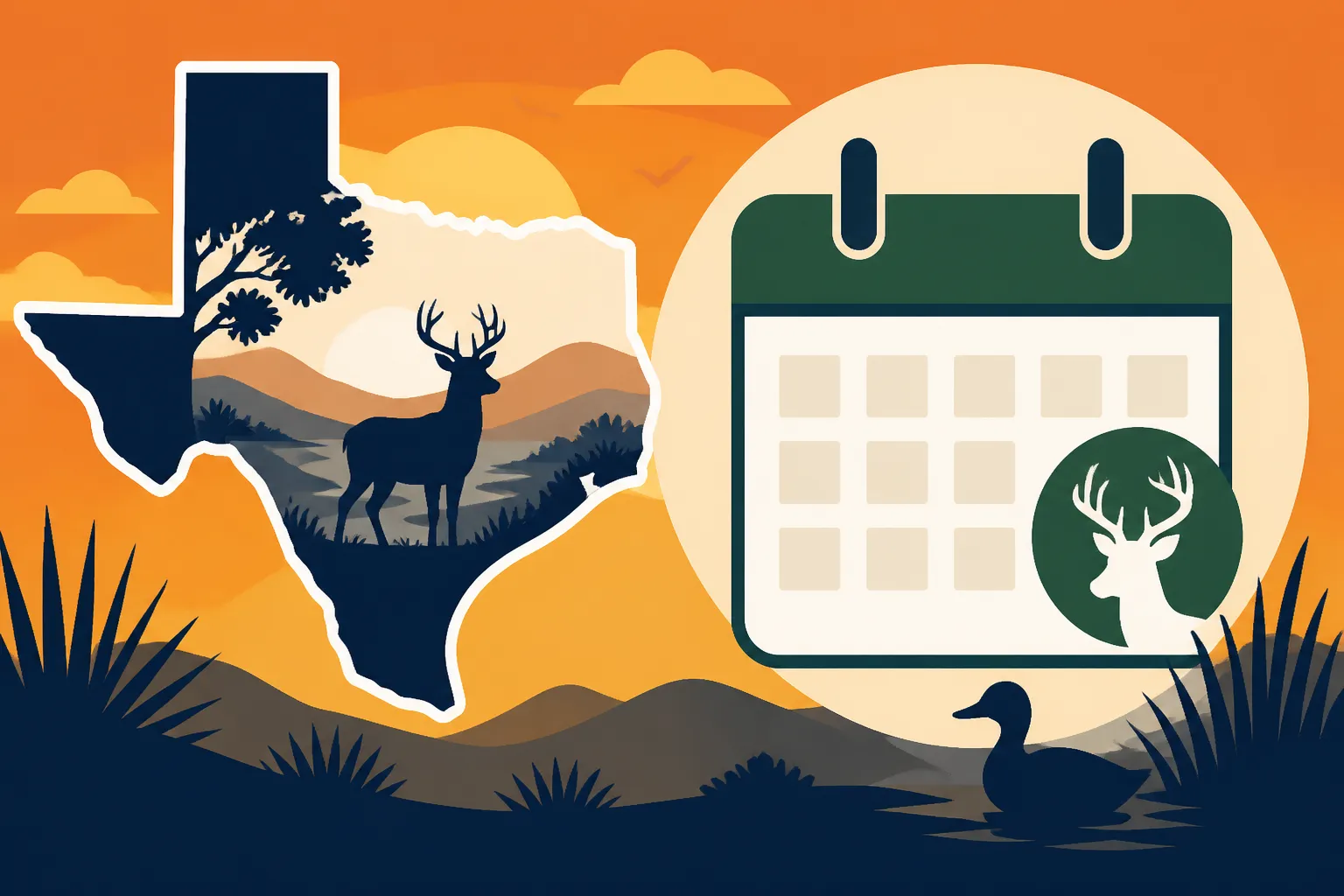
Here's a general overview of typical application periods, but remember to always check the official TPWD website for the exact dates for the 2026-2027 season, as they can shift slightly year to year.
| Hunt Category | Typical Application Opening | Typical Application Closing | Hunt Dates Covered |
|---|---|---|---|
| Alligator (Core Counties) | Late July | Early August | September – October |
| Pronghorn Antelope | Late July | Mid-August | October |
| Special White-tailed Deer | Early August | Early September | October – November |
| Quality Deer (WMAs) | Mid-August | Mid-September | November – Early December |
| Exotic Species (Early) | Late August | Late September | November – December |
| General White-tailed Deer | Early September | Early October | November – January |
| Youth-Only Deer | Staggered throughout | Staggered throughout | October – January |
| Mule Deer | Mid-September | Mid-October | November – December |
| Javelina | Late September | Late October | November – February |
| Rio Grande Turkey (Fall) | Early October | Early November | November – January |
| Rio Grande Turkey (Spring) | Mid-November | Mid-December | March – May |
| Waterfowl/Dove (Late) | Late October | Late November | December – January |
Note: These dates are approximations based on historical trends. Always consult the current Texas Parks and Wildlife Department Outdoor Annual for precise dates for the upcoming hunting season.
Maximizing Your Chances in the Texas Drawn Hunt Lottery
Getting drawn for a public hunt can feel like hitting the lottery, and in many ways, it is! But just like any game of chance, there are strategies you can employ to tilt the odds slightly more in your favor. It's not just about applying; it's about applying smartly. For more specific details on improving your odds, check out the guide on Texas Drawn Hunt Odds: What Are Your Chances?.
Step-by-Step Application Guide
The application process is entirely online, which means accessibility for most, but also the potential for technical glitches or missed steps if you're not careful.
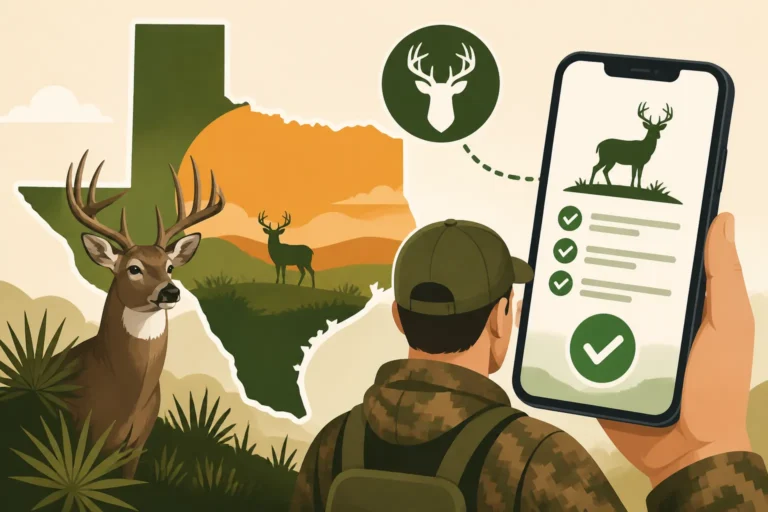
- Create a My Texas Hunt Harvest Account: First and foremost, you need an account with TPWD's online system. This is where you'll manage your license, harvest reports, and drawn hunt applications. If you already have a hunting license, you likely have one. If not, setting one up is straightforward.
- Purchase Your Hunting License: You must possess a valid Texas hunting license to apply for most drawn hunts. This includes your general hunting license and any necessary endorsements like the migratory game bird stamp if applying for waterfowl or dove hunts. For more on this, check out Texas Hunting License: Cost, Types & How to Buy (2026).
- Browse Available Hunts: Once logged in, navigate to the "Drawn Hunts" section. Here, you can filter by species, location, hunt type (e.g., archery, youth, general), and application period. Spend time reviewing the details for each hunt that interests you. Pay close attention to the bag limits, specific rules for that unit, and any access restrictions.
- Select Your Choices: You can typically apply for multiple hunt categories within the same application period, and often for multiple hunt dates within a category. Prioritize your choices carefully.
- Pay the Application Fee: There's usually a small, non-refundable application fee per hunt category you apply for. This fee helps fund the program.
- Confirm Your Application: Always double-check your selections and ensure you receive a confirmation email or reference number. This is your proof of application.
The entire process is user-friendly once you get the hang of it, but rushing can lead to errors. Take your time, especially the first time you're using the system. For a comprehensive walkthrough, consider reading How to Apply for Texas Drawn Hunts Online.
Strategies for Improving Your Odds
While it's a lottery, you can be a smart lottery player:
- Apply for Multiple Categories: Don't put all your eggs in one basket. If you're passionate about deer hunting, apply for several different deer hunt categories (e.g., general deer, quality deer, antlerless/spike). The more applications you have in, the higher your chances statistically.
- Consider Less Popular Hunts: Everyone wants to hunt a monster buck in the famed South Texas Brush Country. However, hunts for javelina, smaller game, or those in less geographically desirable areas often have fewer applicants and thus better odds. Sometimes, a less glamorous draw can lead to a surprisingly rewarding hunt.
- Apply for Youth-Only or Disabled Hunter Hunts if Eligible: If you or someone in your hunting party qualifies for these special categories, the competition is often significantly lower, dramatically increasing your odds.
- Be Flexible with Dates and Locations: If you're willing to hunt in January instead of November, or in a more remote WMA instead of a popular state park, your chances can improve. Flexibility is a huge asset.
- Understand Preference Points (if applicable): While Texas doesn't use a traditional preference point system for all hunts like some states, some categories might offer slight advantages for repeat applicants. Read the rules carefully for each category.
Common Mistakes to Avoid
The most heartbreaking stories are often about simple, avoidable mistakes:
- Missing the Deadline: This is, without a doubt, the number one mistake. Mark your calendar, set phone reminders, and apply well before the closing date. Don't wait until the last day, as website traffic or technical issues could derail your application.
- Incorrect License/Endorsements: Double-check that your hunting license is current and that you have all the necessary endorsements (e.g., migratory bird stamp for duck or dove hunts). An incomplete license can invalidate your draw.
- Applying for Ineligible Hunts: Ensure you meet all the criteria for the hunt category you're applying for (e.g., age for youth hunts, weapon restrictions for archery-only hunts).
- Not Reading the Regulations: Every hunt unit and category has specific regulations. These can include weapon types, bag limits, antler restrictions, and even specific entry/exit procedures. Failing to read these beforehand can lead to a ruined hunt or even legal issues.
- Using Outdated Information: The TPWD updates its Outdoor Annual and drawn hunt schedules annually. Always refer to the most current information directly from their official website, not old forum posts or last year's printout.
What Happens After You Apply for a Drawn Hunt?
Once you’ve submitted your applications and the deadlines have passed, it's a period of anxious waiting. But the process doesn't end there! There are still steps to take, whether you get drawn or not.
Checking Your Application Status
TPWD typically posts the results of the drawn hunts in phases, usually within a few weeks to a month after each application period closes. You won't get an instant notification on the deadline day.
- Online Account: The easiest way to check your status is by logging into your My Texas Hunt Harvest account. There will be a section dedicated to your drawn hunt applications where you can see if you were successful or unsuccessful.
- Email Notifications: While checking your account is the most reliable, TPWD often sends out email notifications to successful applicants. Be sure to check your spam folder, just in case.
- Keep Your Confirmation Number: If there's any confusion, having your application confirmation number handy will make it much easier for TPWD staff to assist you.
Patience is a virtue during this period. The system processes thousands of applications, so it takes time for all results to be posted.
If You Get Drawn: Next Steps and Preparations
Congratulations! Getting drawn is a fantastic achievement. But the work isn't over.
- Accept Your Permit: You'll usually have a limited window to formally accept your drawn hunt permit online. Failing to do so within the specified timeframe can result in forfeiting your spot.
- Read Your Permit and Hunt Details Carefully: Your permit will contain vital information: exact hunt dates, check-in procedures, required gear, specific regulations for that WMA (e.g., weapon type, antler restrictions, CWD rules, etc.), and contact information for the hunt coordinator. Pay close attention to rules regarding CWD in Texas: Zones, Rules & Carcass Transport, as these can impact your hunt.
- Scout (if possible and permitted): Many WMAs offer limited scouting opportunities prior to hunts. If allowed, take advantage of it. Even virtual scouting with mapping apps like onX Hunt or HuntStand can give you a lay of the land. For general tips, see How to Scout for Deer Before Season in Texas.
- Prepare Your Gear: Ensure your rifle is sighted in, your archery gear is tuned, and you have appropriate clothing and equipment for the expected weather and terrain. Pack conservatively but don't forget essentials like a first-aid kit, plenty of water, and proper field dressing tools.
- Plan Travel and Accommodation: Some WMAs offer primitive camping, while others require you to find lodging off-site. Factor in travel time and lodging well in advance.
- Review Harvest Reporting Requirements: Understand how and when you need to report your harvest if successful, which usually involves using the My Texas Hunt Harvest app or website. This is also covered in Texas Hunting Tags & Harvest Reporting (My Texas Hunt Harvest).
If You Don't Get Drawn: Don't Give Up!
It's natural to feel disappointed if your name isn't called, but don't let it discourage you. The competition is fierce, and it often takes multiple attempts.
- Apply Again Next Year: Learn from this year's experience. Did you apply for enough hunts? Did you diversify your choices? Keep trying!
- Explore Standby Opportunities: Some WMAs offer standby positions for drawn hunts, where you can show up on the day of the hunt and fill a vacant spot if a drawn hunter doesn't show up. This is a gamble but can pay off. Check individual WMA rules for standby options.
- Consider Annual Public Hunting Permit (APH) Areas: While not drawn hunts, the APH Permit offers access to millions of acres of public land across Texas. While these areas can experience more pressure, they still provide fantastic hunting opportunities for a variety of species. Explore Public Hunting in Texas: WMAs & Annual Public Hunting Permit for more information.
- Look into Day Leases or Other Public Land Options: If a drawn hunt isn't in the cards, there are still many other ways to enjoy hunting in Texas, including accessing private lands through day leases or befriending landowners.
Final Thoughts and Key Reminders
The Texas Public Hunt Drawn Program is an incredible resource for hunters, offering access to some of the state's most pristine and productive hunting grounds. While the application process and deadlines can seem overwhelming at first, with a little organization and persistence, you can significantly increase your chances of securing a coveted spot. The biggest takeaway? Stay informed, mark your calendars, and always check the official TPWD resources for the most up-to-date information. Good luck, and happy hunting!
Disclaimer
Please remember that hunting regulations, seasons, and application deadlines are subject to change annually by the Texas Parks and Wildlife Department. This guide provides general information and approximate timelines based on historical data. Always consult the most current Texas Outdoor Annual and the official TPWD website for the precise dates, rules, and regulations for the upcoming hunting season before making any plans or submitting applications.