Duval County Antler Restriction & Bag Limit
Figuring out the exact deer hunting rules for your specific county in Texas can feel like trying to untangle a ball of fishing line after a long day on the water – complicated, frustrating, and prone to misinterpretation. Many hunters worry about mistakenly harvesting a deer that doesn't meet the legal requirements, leading to penalties. This guide is here to clear up any confusion about the antler restrictions and bag limits for white-tailed deer specifically in Duval County, helping you hunt confidently and within the law.
The Purpose Behind Texas Antler Restrictions
Before we dive into the nitty-gritty of Duval County, it's really helpful to understand why Texas has antler restrictions in the first place. For decades, hunters in many parts of the state were primarily focused on harvesting the biggest bucks they could find. While that's an understandable pursuit, it often led to a scenario where younger, genetically superior bucks were removed from the herd before they had a chance to mature and breed. This practice, often called "high-grading," wasn't doing the overall deer population any favors in terms of age structure or antler quality.
Promoting a Balanced Age Structure
The primary goal of antler restrictions is to allow a greater number of young bucks to survive to older age classes. Think about it: if every spike or small 6-point is harvested, those deer never get the chance to grow into the impressive 8-points or 10-points we all dream about. By implementing rules that protect these younger bucks, typically 1.5 to 2.5 years old, wildlife biologists hope to create a more balanced age structure within the male deer population. This means more mature bucks are available for breeding, which can improve herd health and genetic diversity. It’s a long-term strategy, and while it might mean passing on a deer you could have previously taken, the payoff is a healthier, more robust deer population for everyone down the line.
Improving Antler Quality Over Time
A common misconception is that antler restrictions directly "grow bigger antlers." While they don't magically make a deer's rack larger, they indirectly contribute to it. By letting younger bucks walk, these deer have more years to develop their full antler potential. Antler size is influenced by three main factors: age, nutrition, and genetics. We can't change genetics easily in a wild population, and nutrition depends heavily on habitat and weather. But age? That's something we can influence through regulations. When bucks live longer, they naturally produce larger antlers, provided they have adequate nutrition. This also means those older, larger-antlered bucks have more opportunities to pass on their genes, potentially improving the genetic pool for antler quality in future generations. It's a patience game, for sure, but one that has shown positive results in many areas of Texas.
Duval County's Antler Restriction Details
Alright, let's get specific about Duval County. Like many counties in South Texas, Duval County operates under the general statewide antler restriction rules, often referred to as the "13-inch rule." This regulation is designed to be easily understood and implemented by hunters in the field, though it still requires careful attention to detail.
The 13-Inch Rule Explained
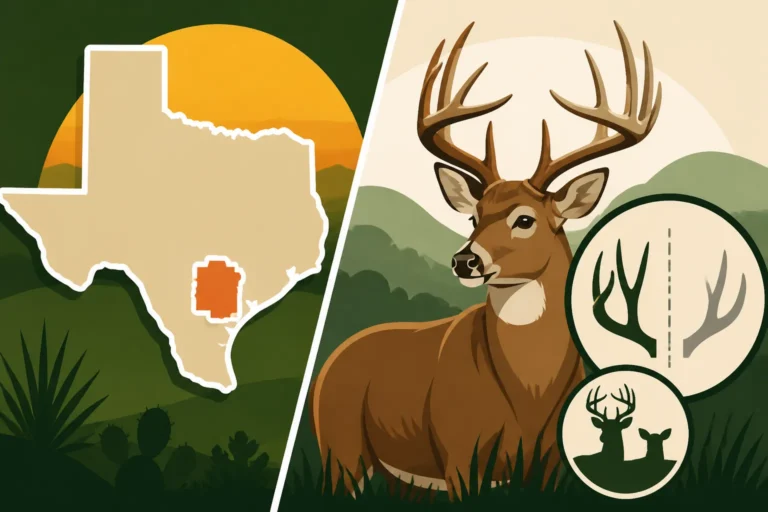
For white-tailed bucks harvested in Duval County, the rule states that a legal buck must have at least one unbranched antler, OR an inside spread of 13 inches or greater. Let's break that down because it's a critical distinction and where many hunters get confused.
- Unbranched Antler: This part is straightforward. If a buck has a spike on one side and any number of points on the other, it's generally a legal buck under this specific clause. This is meant to protect immature bucks that might have a small 6-point rack but haven't developed a 13-inch spread yet. A buck with a spike on both sides is also legal. The key is at least one unbranched antler.
- Inside Spread of 13 Inches or Greater: This is the more common qualification for older, more mature bucks. The "inside spread" is measured at the widest point between the main beams. Imagine placing a tape measure on the inside of one main beam and stretching it across to the inside of the other main beam. If that measurement is 13 inches or more, the buck is legal, regardless of its points. Even a 6-point buck could be legal if its inside spread hits that 13-inch mark.
It's crucial to understand that these are alternative criteria. A buck only needs to meet one of these conditions to be legal. It doesn't need to have both an unbranched antler and a 13-inch spread. Most hunters carry a visual aid or have practiced judging spread to ensure compliance. You might find it helpful to review resources on How to Field Judge a 13-Inch Buck to sharpen your skills before hitting the woods.
Exceptions to the Rule
While the 13-inch rule is quite comprehensive, there are a couple of notable exceptions that hunters in Duval County should be aware of:
- Youth Hunters: Hunters under 17 years of age are exempt from the antler restrictions. This means a youth hunter can harvest any legal buck, regardless of its antler configuration or spread. This exemption is designed to encourage youth participation in hunting and reduce the pressure on young hunters to make difficult field judgments. It's a wonderful way to introduce the next generation to hunting without adding extra stress.
- Managed Lands Deer Program (MLDP) Properties: Some private landowners participate in the Texas Parks and Wildlife Department's Managed Lands Deer Program (MLDP). Properties enrolled in MLDP often have their own specific harvest regulations and tags issued by TPWD, tailored to their individual management goals. These properties are typically exempt from general county antler restrictions. If you're hunting on an MLDP property in Duval County, always consult with the landowner or lease manager about the specific harvest criteria and tags for that particular property. These properties often focus on maximizing deer herd health and habitat improvement, which might involve very specific buck and doe harvest quotas.
Remember, knowing these details is part of being a responsible hunter. Texas White-Tailed Deer Hunting Regulations 2026 provides an excellent overview of all the rules that apply statewide and can further clarify these specific county regulations.
Duval County Bag Limits for Deer
Understanding the bag limit is just as important as knowing the antler restrictions. This dictates how many deer you can actually take during the season. For white-tailed deer in Duval County, the bag limits are consistent with many other South Texas counties.
Annual Bag Limit
For the general open season in Duval County, the annual bag limit for white-tailed deer is four deer total, with specific stipulations:
- No more than two bucks: This means you can harvest a maximum of two antlered bucks during the entire deer season. Both of these bucks must adhere to the antler restriction rules discussed above (at least one unbranched antler OR a 13-inch inside spread).
- No more than two does (antlerless deer): You can also harvest up to two does. However, there's a crucial point here: antlerless deer may only be taken during the general open season by a means of legal hunting and when a department-issued antlerless deer permit is used. Landowners or their agents are responsible for issuing these permits, often based on recommendations from TPWD biologists to manage local populations. Always check with your landowner or lease manager regarding the availability and requirements for these permits.
This bag limit strategy helps manage the deer population by controlling the harvest of both males and females. By limiting bucks, the state ensures more mature animals are available, while doe harvest is essential for population control and preventing overbrowsing of habitat, especially in areas with high deer density like parts of the South Texas Brush Country. For a broader look at statewide limits, check out the Texas Deer Bag Limit by County.
Tags and Reporting Requirements
Every deer you harvest in Texas, whether it's a buck or a doe, must be properly tagged and reported. This is how TPWD monitors harvest rates and manages deer populations across the state.
- License and Tags: Before you even step foot in the woods, ensure you have a valid Texas hunting license with the appropriate deer tags. For residents, this often means a Super Combo license. Non-residents will need a specific Non-Resident Hunting License. Each hunting license comes with several tags—often five—designated for different species, including deer. When you harvest a deer, you must immediately complete the harvest log on the back of your license, cut out the appropriate tag, and attach it to the deer. The tag must remain with the deer until it reaches its final destination and is processed.
- Harvest Reporting (My Texas Hunt Harvest): Once you've tagged your deer, the next step is to report your harvest to TPWD. For white-tailed deer taken in Duval County, harvest reporting is mandatory. This must be done through the "My Texas Hunt Harvest" app (available for iOS and Android) or the online portal on the TPWD website. You'll need to report specific information, including the date of harvest, county, type of deer (buck/doe), and antler measurements for bucks. This report needs to be completed within 24 hours of harvest. It's a quick and easy process once you're familiar with the app, and it provides invaluable data for wildlife management. Ignoring this step can lead to penalties, so make sure it's part of your post-harvest routine. For detailed instructions on how to submit your information, refer to the guide on Texas Hunting Tags & Harvest Reporting (My Texas Hunt Harvest).
Being diligent with your tags and reporting isn't just about following the rules; it's about contributing to the conservation efforts that ensure healthy deer populations for generations to come.
Practical Tips for Hunting in Duval County
Hunting in Duval County offers some fantastic opportunities, especially for those interested in the challenges and rewards of the South Texas Brush Country. However, navigating the regulations and maximizing your chances requires a bit of local knowledge and smart preparation.
Scouting and Understanding Local Deer Habits
Duval County is quintessential South Texas, characterized by dense brush, mesquite, and thorny plants. This habitat can make deer elusive, but also provides excellent cover for mature bucks. Effective scouting is paramount.
- Trail Cameras: Deploying cellular trail cameras like the Moultrie Edge or Tactacam Reveal can be a game-changer. They allow you to monitor deer movement, identify specific bucks, and understand their patterns without constantly disturbing the area. Look for trails connecting bedding areas to water sources and feeders.
- Water Sources: In this arid region, natural and artificial water sources (like guzzlers or tanks) are magnets for deer, especially during dry periods.
- Brush Lines and Senderos: Deer often travel along the edges of dense brush or use senderos (cleared lanes) to move through the thick cover. Identifying these natural travel corridors is key to strategic blind placement. Understanding The Texas Rut: When Do Bucks Rut by Region? will also help you identify prime scouting times when bucks are more active.
- Food Sources: While natural forage is available, supplemental feeding with corn or protein is common in Duval County. Knowing the primary food sources, whether natural browse or feeders, will dictate where deer spend their time. For advice on supplemental feeding, explore topics like Protein Feeding Deer for Bigger Antlers.
Blind and Feeder Placement
Getting your setup right can make all the difference, especially with the 13-inch antler restriction. You need to be able to clearly identify your target.
- Visibility is Key: When placing blinds, ensure you have clear shooting lanes that allow you ample time to glass and identify a buck's antlers. The dense brush can make judging spread tricky in low light or at long distances. A quality rifle scope for Texas deer hunting can really aid in identification.
- Distance Management: Avoid setting up so close to a feeder or trail that you can't properly evaluate a buck before it moves off. A good hunting rangefinder can help you verify distances and quickly judge potential shots.
- Wind Direction: Always be mindful of prevailing winds, especially in South Texas where a slight breeze can carry your scent far. Position your blind downwind from expected deer travel routes.
- Types of Blinds: Both box blinds and tripod blinds are popular in Duval County. Box blinds offer comfort and concealment from wary deer and the harsh Texas sun, while tripod blinds give you an elevated view over the brush. Consider what type of setup gives you the best advantage for clear identification, as discussed in Box Blind vs Tripod vs Ground Blind in Texas.
Staying Updated with Regulations
Hunting regulations can and do change. It's your responsibility to stay informed.
- Annual Public Hunting Permit: For access to specific public lands, you might need an Annual Public Hunting Permit. While much of Duval County is private, it's good to be aware of all options.
- TPWD Outdoor Annual: The Texas Parks and Wildlife Department (TPWD) publishes an "Outdoor Annual" every year, which is the definitive source for all hunting and fishing regulations. You can find it online or pick up a physical copy at most license retailers. Make it a habit to review the sections relevant to white-tailed deer and Duval County before each season.
- Local TPWD Office: Don't hesitate to contact your local TPWD game warden or wildlife biologist if you have specific questions or need clarification. They are excellent resources and want hunters to be compliant.
- Online Resources: Keep an eye on the TPWD website for any mid-season updates or changes. Topics like Texas Hunting Seasons: Complete Calendar by Species are invaluable for planning your hunts.
By preparing thoroughly, respecting the wildlife, and adhering to the regulations, you'll have a much more enjoyable and successful hunting experience in Duval County.
Duval County White-Tailed Deer Regulations Summary
To help you keep track of the key details, here's a quick summary of the Duval County antler restriction and bag limit rules:
| Regulation Type | Details for White-Tailed Deer in Duval County |
|---|---|
| Antler Restrictions | A legal buck must have at least one unbranched antler OR an inside spread of 13 inches or greater. |
| Exceptions: Youth hunters (under 17) and properties enrolled in the MLDP are exempt from antler restrictions. | |
| Annual Bag Limit | Four deer total: No more than two bucks, and no more than two does (antlerless deer). |
| Antlerless deer may only be taken when department-issued antlerless deer permits are used. | |
| Harvest Reporting | Mandatory for all harvested white-tailed deer. Must be reported via My Texas Hunt Harvest app/online within 24 hours. |
| Required License | Valid Texas hunting license with appropriate deer tags. |
This table provides a quick reference, but always remember that the full regulations in the TPWD Outdoor Annual are the ultimate authority.
Disclaimer
The information provided in this guide is for general informational purposes only and is subject to change. While we strive to offer accurate and up-to-date content, hunting regulations are complex and can be modified by the Texas Parks and Wildlife Department. Always consult the official Texas Parks and Wildlife Department Outdoor Annual or contact TPWD directly for the most current and legally binding regulations before engaging in any hunting activities. Adherence to all local, state, and federal laws is the responsibility of the hunter.