Texas Blue Quail Hunting Regulations 2026
Navigating the ever-changing landscape of hunting regulations in Texas can feel like trying to hit a fast-flying bobwhite on a windy day – challenging, to say the least! Many hunters, especially those new to chasing our iconic blue quail, often find themselves scratching their heads over what licenses are needed, when seasons actually open, and how many birds they can legally take home. This comprehensive guide is designed to cut through that confusion, giving you a crystal-clear understanding of the Texas blue quail hunting regulations, so you can focus on the thrill of the hunt.
Understanding Blue Quail and Their Habitat in Texas
Before we dive into the nitty-gritty of regulations, it’s really helpful to know a bit about the bird we're talking about. Blue quail, often called "scaly quail" because of their distinctive plumage, are a unique and robust game bird, offering a different kind of challenge than their more commonly hunted bobwhite cousins. Knowing their habits and preferred terrain will not only help you find them but also understand why certain regulations are in place.
Identifying Blue Quail and Their Behavior
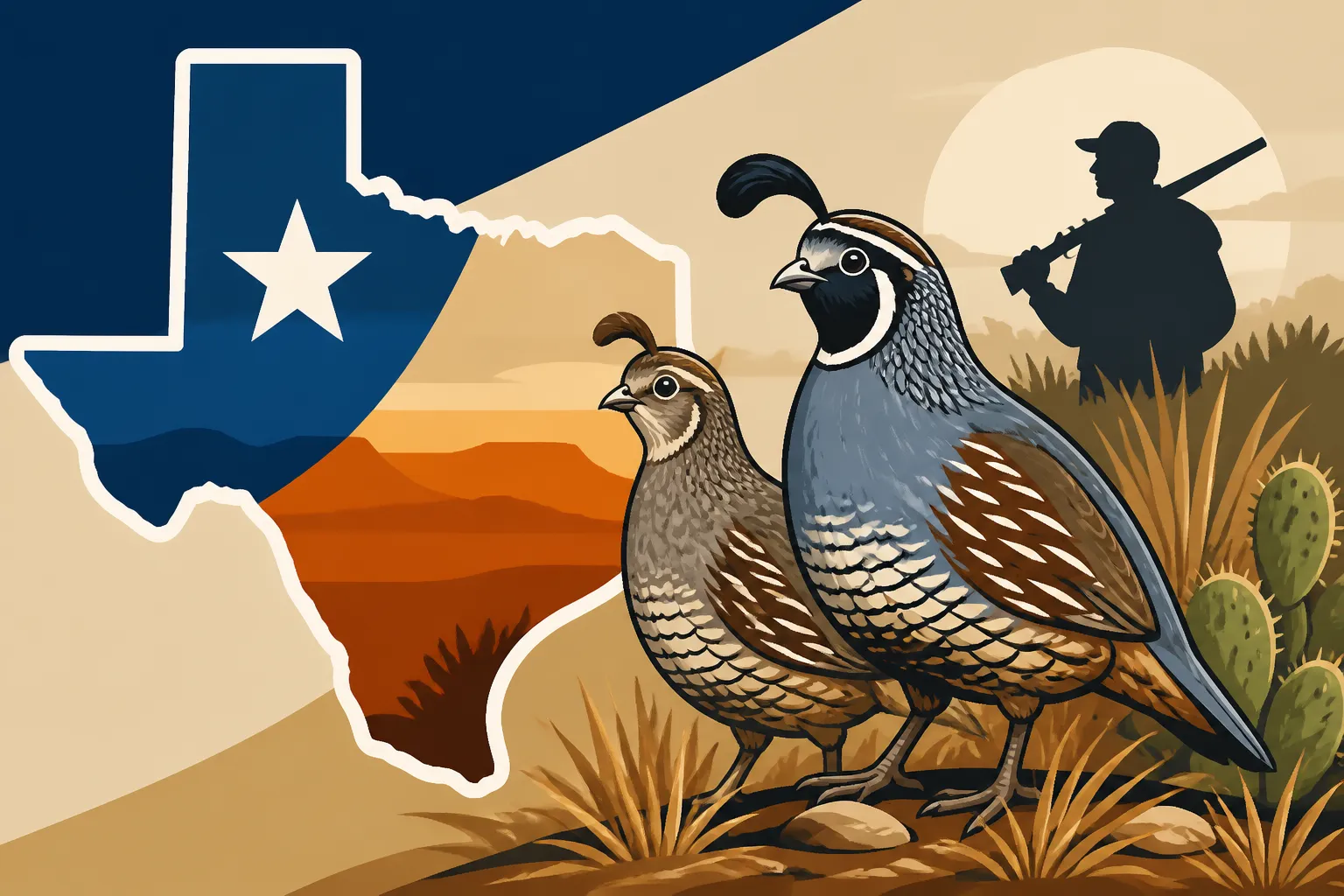
Blue quail (scientific name: Callipepla squamata) are easily distinguished from bobwhites. They're typically a bit larger, with a distinctive scaly appearance on their breast and back, a short, dark crest that gives them a somewhat regal look, and a general bluish-gray coloration. Unlike the explosive, often immediate flush of a bobwhite, blue quail are notorious for preferring to run, and run they do! Often, you’ll find a covey taking off like a shot across the sparse landscape, leaving you to wonder if they were ever there at all. This running behavior makes them a fantastic challenge for hunters with good walking dogs or those who enjoy covering significant ground on foot. Their vocalizations are also quite different; while a bobwhite has its distinct "bob-WHITE" call, blue quail often emit a rapid, chattering "peep-peep-peep-peep" sound, especially when they're regrouping.
Preferred Habitats and Range in Texas
Texas is a vast state, and while bobwhites are widespread, blue quail have more specific habitat preferences. You'll primarily find these tough birds in the more arid and semi-arid regions of West Texas, particularly the Trans-Pecos, the Panhandle, and parts of the Rolling Plains. They thrive in open grasslands, sparse desert scrub, brushy arroyos, and areas with mesquite, yucca, and cholla cactus. These environments provide the necessary cover for protection from predators and the seeds, insects, and green vegetation that make up their diet. They are incredibly resilient and adapted to harsh, dry conditions. Understanding this means that if you're planning a trip to hunt blue quail, you'll likely be heading to counties like Briscoe, Childress, Cottle, or those further west, rather than the heavily wooded Pineywoods region.
Key 2026 Blue Quail Season Dates and Zones
The dates for hunting blue quail are pretty consistent across their range in Texas, but it's always wise to double-check the latest Texas Hunting Seasons: Complete Calendar by Species because things can sometimes shift slightly. Generally, the season is quite generous, allowing ample opportunity to chase these elusive birds.
General Statewide Blue Quail Season Dates
For the 2026-2027 hunting season, blue quail, along with bobwhite and scaled (another name for blue) quail, typically share a unified season structure. The general open season for quail across most of Texas usually kicks off in late October or early November and runs all the way through late February. This long season is a blessing for upland bird hunters, giving you flexibility to plan multiple trips. It's important to remember that this covers the vast majority of the state where quail hunting is prevalent. You'll find these dates clearly outlined in the official Texas Parks and Wildlife Department (TPWD) Outdoor Annual, which is the definitive source for all regulations.
Regional Differences and Special Seasons
While blue quail seasons are generally uniform statewide, it's always a good practice to be aware if any specific localized regulations might pop up. Historically, Texas has largely maintained consistent quail seasons across its various zones. However, if habitat conditions are particularly poor in a specific region, or if there are conservation concerns, TPWD has the authority to implement temporary restrictions or closures. For blue quail, these kinds of specific regional nuances are less common than, say, for deer or turkey, which have distinct ecological zones. Most of the time, if you're hunting blue quail, you'll be following the general statewide regulations. This uniformity helps simplify the planning process, letting you focus more on where the birds are and less on complex zonal calendars. If you're really delving into Texas upland bird hunting, you might also be interested in the general guide to Quail Hunting in Texas: Bobwhite & Blue for broader insights.
Essential Licensing and Endorsements for Blue Quail Hunting
Just like any other game animal in Texas, blue quail hunting requires proper licensing. Don't let the excitement of the hunt make you overlook these critical legal necessities. Being prepared with the correct paperwork will save you a lot of headaches and potential fines.
Required Licenses for Resident and Non-Resident Hunters
Every hunter in Texas, regardless of whether they're a resident or not, needs a valid hunting license. For most folks, the "Super Combo" license is the go-to, as it covers everything from deer to doves and, yes, quail. If you're just looking for specific species, individual licenses are available, but the Super Combo often proves to be the most economical and convenient option for a diverse hunting season.
Beyond the general hunting license, there's a crucial additional requirement for blue quail: the Migratory Game Bird Endorsement. Even though quail are often considered resident game birds, TPWD classifies them under migratory game bird regulations for specific endorsements. This endorsement is mandatory for all quail species (blue, bobwhite, and scaled) in Texas. It's a small fee, typically around $7, and can be added when you purchase your main hunting license. Without it, your quail hunt is illegal, even if you have a valid general hunting license.
For our out-of-state friends, the requirements are similar but with different fee structures. Non-residents will need to purchase a specific Texas Non-Resident Hunting License Cost, which is significantly higher than a resident license. They will also need the Migratory Game Bird Endorsement. It's always best to purchase your licenses well in advance, either online through the TPWD website or at authorized retailers like Academy Sports + Outdoors or local sporting goods stores. Make sure to review the information on how much a Texas hunting license costs and what types are available in the article, "Texas Hunting License: Cost, Types & How to Buy (2026)".
Hunter Education Requirements
Texas takes hunter safety seriously, and for good reason. Before you can purchase a hunting license (unless you fall under specific exemptions), you might need to complete a certified hunter education course.
Here’s the rundown:
- If you were born on or after September 2, 1971, you must successfully complete a Hunter Education course or deferral.
- If you were born before September 2, 1971, you are exempt from this requirement.
Don't worry, completing the course is straightforward. You can take it in a traditional classroom setting, or, more conveniently for many, online. There are several approved online courses that you can complete at your own pace. Once you finish, you'll receive a certification card that you should carry with you while hunting.
Hunter Education Deferral: If you're 17 years of age or older and haven't completed hunter education, you can opt for a one-time hunter education deferral. This allows you to hunt legally for one license year, provided you are accompanied by a licensed hunter who is at least 17 years old and has completed hunter education or is exempt from it (born before Sept 2, 1971). This is a great option for new hunters to get out in the field while they work on their certification. More details can be found in the guide, "Do You Need Hunter Education in Texas?".
Bag Limits, Possession Limits, and Hunter Safety
Understanding the legal limits for harvesting blue quail and practicing responsible hunting is paramount. These rules are in place to ensure sustainable populations and to promote ethical conduct in the field.
Understanding Daily Bag and Possession Limits
When it comes to quail, Texas offers very generous limits, reflecting the generally healthy populations across the state, even with the localized fluctuations that occur year to year. For blue quail, the regulations usually align with bobwhite quail and scaled quail.
Here’s what you need to know for 2026:
- Daily Bag Limit: The daily bag limit for quail (which includes blue, bobwhite, and scaled quail in any combination) is typically 15 birds. This means that in any single calendar day, you cannot harvest more than 15 quail in total.
- Possession Limit: The possession limit is usually 3 times the daily bag limit, meaning 45 birds. This refers to the maximum number of legally harvested quail you can have in your possession at any given time, whether they are fresh, frozen, or otherwise preserved. This limit applies to birds at your home, camp, or in transit. It’s important because if you hunt for several days, you could accumulate more than 15 birds, up to the possession limit, as long as you didn't exceed the daily bag limit on any single day.
Let's illustrate with a quick table:
| Quail Species (Combined) | Daily Bag Limit | Possession Limit |
|---|---|---|
| Blue Quail, Bobwhite, Scaled Quail | 15 Birds | 45 Birds |
So, if you hunt Monday and bag 15 blue quail, then hunt Tuesday and bag another 15, your total possession is 30. You could hunt Wednesday and bag 15 more, reaching your 45-bird possession limit. At that point, you'd need to process or consume some birds before taking more, or simply stop hunting until you've reduced your possession. These limits are designed to allow a good harvest while still protecting the overall population. For specific details on all species, check out "Texas Quail Season Dates & Limit".
Ethical Hunting Practices and Safety Reminders
Beyond the legalities, ethical hunting and safety are the hallmarks of a true outdoors person. Blue quail hunting, especially in the rugged terrains they inhabit, demands a high level of awareness and respect.
Ethical Hunting:
- Respect Private Property: A significant portion of Texas hunting takes place on private land. Always have explicit permission to hunt. If hunting on a lease, understand the boundaries. If you're on public land, respect designated areas and ensure you have your Annual Public Hunting Permit if required.
- Target Identification: Always be 100% certain of your target before you shoot. Blue quail often fly fast and low, and quick identification is crucial.
- No Waste: Make every effort to retrieve every bird you shoot. Leaving game in the field is not only unethical but also illegal.
- Respect the Resource: Understand that population numbers fluctuate. If you notice significantly lower numbers in an area, consider reducing your take or moving to another spot. Responsible hunting ensures future opportunities.
Safety Reminders:
- Firearm Safety: Always treat every firearm as if it's loaded. Keep the muzzle pointed in a safe direction. Be sure of your target and what's beyond it. Keep your finger off the trigger until ready to shoot.
- Hydration: Blue quail country is often hot and dry, even in cooler months. Carry plenty of water, perhaps even more than you think you'll need. Dehydration can quickly become a serious issue.
- Snake Awareness: Rattlesnakes are prevalent in blue quail habitats. Wear appropriate snake boots or gaiters, and always watch where you step and place your hands. Know basic first aid for snake bites and have a plan for emergencies. Many hunters rely on reliable snake boots for peace of mind.
- Navigation: It’s easy to get disoriented in the vast, seemingly featureless terrain. Carry a GPS device or use a reliable hunting app like onX Hunt or HuntStand. Let someone know where you are going and when you expect to return.
- Hunting with Dogs: If using hunting dogs, ensure they are well-trained and conditioned for the terrain and weather. Carry water for them too, and check their paws frequently for thorns or injuries.
Scouting and Tactics for Successful Blue Quail Hunting
Hunting blue quail is a unique experience, distinct from the fast-paced action of a bobwhite hunt or the strategic setup for deer. It's often a game of endurance, observation, and smart dog work.
Locating Blue Quail in Their Environment
Finding blue quail is half the battle, and it primarily comes down to knowing their preferred hangouts. As mentioned, they love arid, open country with good cover like mesquite thickets, prickly pear, and rocky outcroppings that offer protection.
- Water Sources: In dry environments, water is life. Look for blue quail near guzzlers, windmills, earthen tanks, or even ephemeral pools after rain. These spots act as magnets.
- Food Sources: Blue quail are opportunistic feeders. They forage for seeds from grasses and forbs, mesquite beans, and insects. Areas with a good mix of these, especially in close proximity to cover, are prime locations.
- Covey Calls: Learn their distinct chattering call. During early morning or late afternoon, coveys will often call to each other to regroup. Listening carefully can help you pinpoint their general location.
- Tracks and Droppings: While harder to spot on rocky ground, fresh tracks or droppings near water sources or dusty areas can indicate recent activity.
- Elevated Perches: Blue quail will often perch on low branches of mesquite, fence posts, or rocks to survey their surroundings. Keep an eye out for these visual cues.
Scouting ahead of time, even just driving accessible roads and observing, can give you a significant advantage. Using tools like onX Hunt to identify potential water sources, elevation changes, and property lines can also be invaluable. Remember that the article on "How to Scout for Deer Before Season in Texas" offers general scouting tips that can be adapted for quail, focusing on water and cover.
Effective Hunting Strategies
Once you've located potential areas, the real work begins. Blue quail hunting is largely a walk-and-flush game, often requiring miles of walking and good dog work.
- Walking Patterns: Blue quail are runners. When hunting with dogs, try to get ahead of the covey, or at least flank them, to cut off their escape route. They'll often run into thick brush or down an arroyo. Walking in a grid pattern or slowly combing through likely cover can eventually push them to flush.
- Using Dogs: A good pointing dog is almost essential for blue quail. The dog’s ability to locate and hold the birds, even when they’re running, is invaluable. Be patient with your dog; blue quail can be frustrating even for seasoned bird dogs. Once a dog goes on point, try to move quickly to get in front of the birds before they run further.
- "Ground Swatting" vs. Flushing: Because blue quail run so much, sometimes they'll simply disappear into cover without flushing. Many hunters will try to "ground swat" them (shoot them on the ground) in these situations, which is legal but often frowned upon by purists. However, if they won't flush, and you can take an ethical shot, it's a personal choice. The real thrill, though, is the explosive flush and challenging wing shot!
- Re-flushing: If you manage to get a covey to flush and get a few birds, mark where the remaining birds land. Blue quail tend to scatter less widely than bobwhites, often regrouping in smaller units nearby. Follow up on these singles or smaller groups for more opportunities.
- Safety in Numbers: Hunting with a partner or small group is not only safer but also more effective. Spreading out slightly (while maintaining safe shooting lanes) allows you to cover more ground and increase the chances of pushing birds to flush. This is especially true when exploring different options for hunting, such as considering a hunting lease in Texas: complete guide (cost & how to find) or exploring public hunting in Texas: WMAs & Annual Public Hunting Permit.
Blue quail hunting is demanding, but incredibly rewarding. The wide-open spaces, the challenging birds, and the sheer effort involved make every successful flush and retrieve a memorable experience.
Disclaimer
Please remember that hunting regulations can change. While this guide provides the most accurate information available for Texas Blue Quail Hunting Regulations 2026, it is crucial to always consult the official Texas Parks and Wildlife Department (TPWD) Outdoor Annual for the most current and legally binding regulations before heading into the field. This information is for general guidance and educational purposes only.