Real County Antler Restriction & Bag Limit
Trying to keep up with Texas hunting regulations can feel like trying to hit a fast-flying teal with a slingshot—you know the rules exist, but pinning down the specifics for your exact county, especially when it comes to antler restrictions and bag limits, often leaves you scratching your head. Real County, nestled in the beautiful Hill Country, is no exception, and many hunters struggle to understand exactly what a legal buck looks like and how many deer they can harvest. This guide is here to clear up all that confusion, giving you a crystal-clear understanding of the white-tailed deer regulations for Real County so you can hunt with confidence and stay on the right side of the law.
Deciphering Real County Antler Restrictions
The antler restriction rule in Texas is one of those regulations that can cause a lot of head-scratching, especially when you’re out in the field and have mere seconds to make a decision. Real County falls squarely into what's known as the "South Central Texas" antler restriction zone, which means it adheres to a specific set of guidelines designed to improve the age structure and antler quality of the buck population. This isn't just about making things complicated; it's a critical tool for wildlife management that has shown real benefits over time.
The 13-Inch Rule in Practice
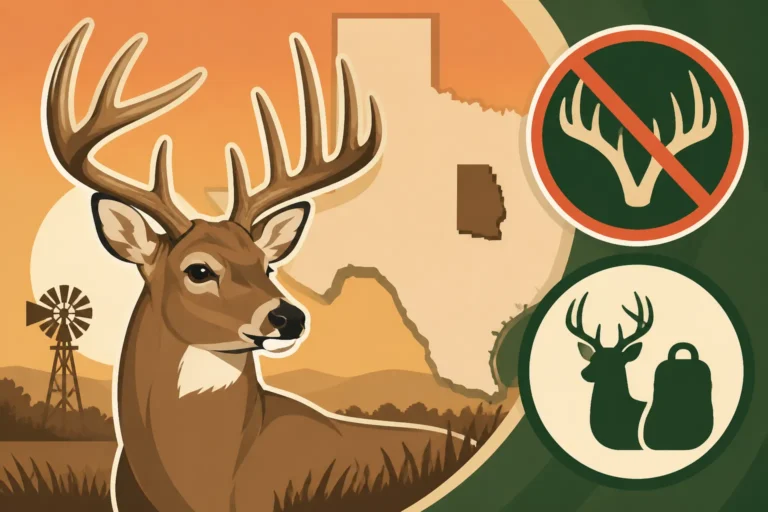
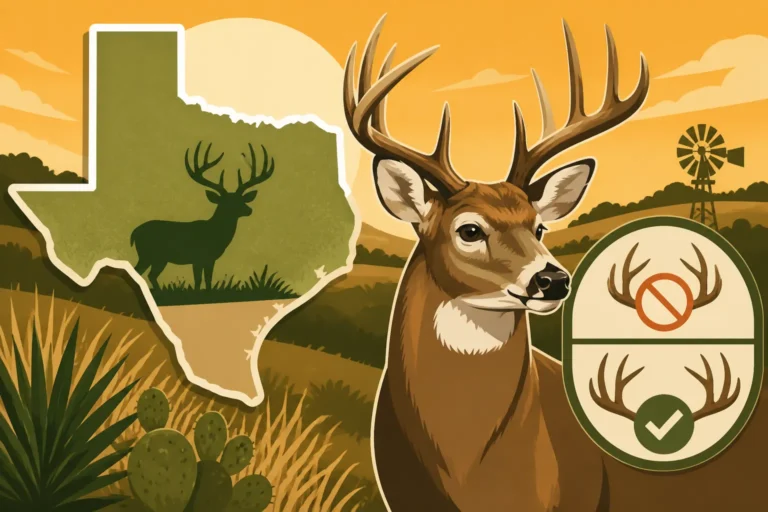
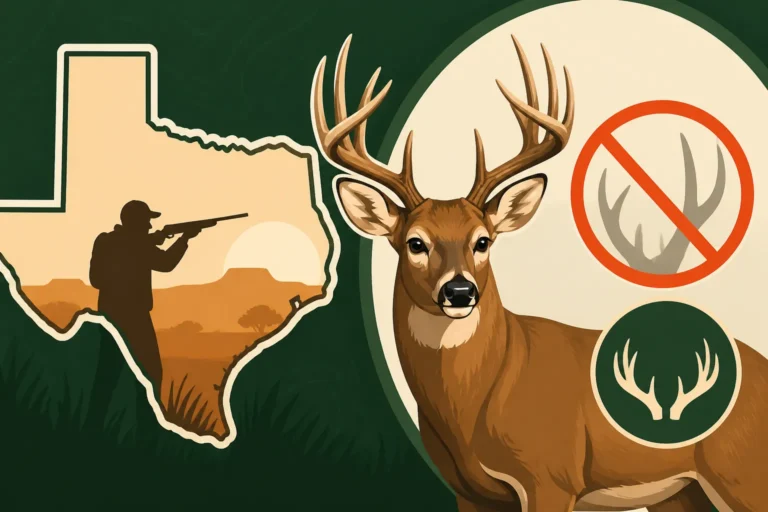
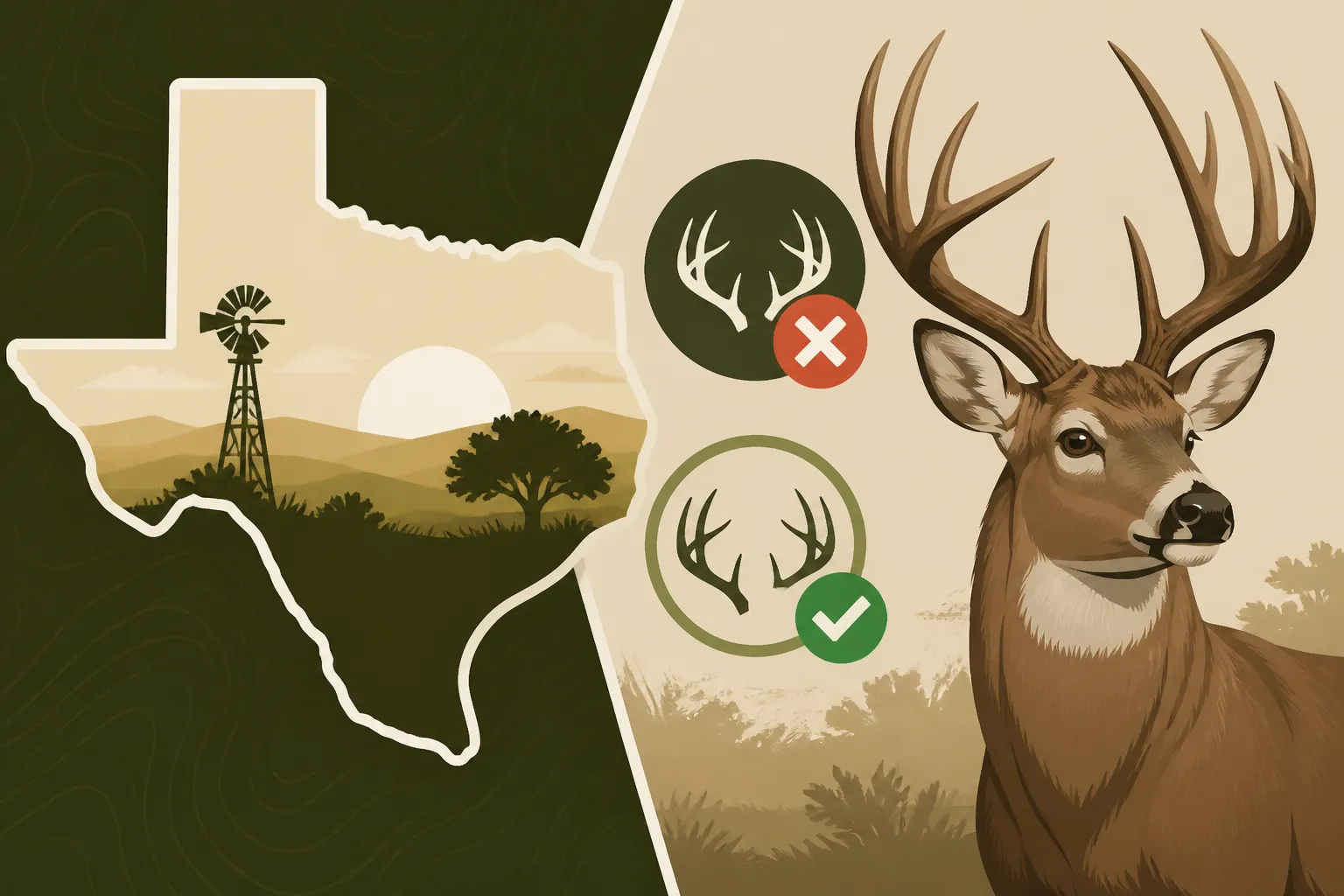
For many hunters, the "13-inch rule" is the most talked-about aspect of antler restrictions. In Real County, as in many counties in the Hill Country and South Texas, a legal buck generally must have an outside antler spread of at least 13 inches. But it's not quite that simple. There’s a crucial exception and a significant "and" to remember. Specifically, a buck is legal if its antlers have an outside spread of 13 inches or greater, or if it has an unbranched antler (a spike) that is at least one inch long. This is where many hunters get tripped up.
Consider a common scenario: you're sitting in your deer blind near the Frio River, watching a group of deer filter into your feeder. A young buck steps out, and you immediately start trying to eyeball that 13-inch spread. It looks close, but you're not quite sure. Then you notice he has a short, unbranched spike on one side, but the other side forks. Under the Real County rules, if that unbranched spike is at least one inch long, that buck is legal to harvest, regardless of the spread on his branched antler. However, if both antlers are branched, then the 13-inch spread rule applies. The intent here is to protect young, genetically superior bucks that may have smaller spreads but good potential for the future, while allowing for the harvest of spikes which often indicate lesser antler potential. If you're struggling to judge spread in the field, check out our guide on how to field judge a 13-inch buck.
Understanding the "Unbranched Antler" Exception
This specific part of the regulation is often misunderstood. An "unbranched antler" refers to an antler that does not have any points or forks. It's essentially a single beam, sometimes referred to as a "spike." The rule states that if a buck has at least one unbranched antler with a beam length of at least one inch, it is a legal buck. This means you could have a buck with one small spike and one heavily branched antler, and it would still be legal to harvest, even if the spread on the branched antler doesn't reach 13 inches.
The logic behind this is tied to deer genetics and age structure. Often, true spikes are younger bucks with less developed antler growth, or sometimes older bucks whose antler quality has declined. By allowing the harvest of these specific types of bucks, wildlife managers aim to reduce competition for resources among the herd and promote the growth of bucks with better antler genetics. It also provides an opportunity for hunters to take a buck when a wide-spread, mature deer might be elusive. Always refer to the latest Texas Outdoor Annual for precise wording, as regulations can sometimes see minor tweaks.
Real County Bag Limits for White-Tailed Deer
Beyond understanding what constitutes a legal buck, knowing your bag limits is paramount. Texas, being the vast state it is, has different bag limits depending on the region and even the specific county you're hunting in. For Real County, these limits dictate how many white-tailed deer, bucks, and does you can legally take during the general season.
General Statewide and County-Specific Limits
Across most of Texas, the general statewide bag limit for white-tailed deer is five deer total, with no more than three bucks. However, county-specific regulations, like those in Real County, will override this general rule. In Real County, the bag limit for white-tailed deer is four deer total, with a maximum of two bucks and two does. This is a critical distinction that hunters must adhere to, as exceeding these limits can lead to severe penalties.
This local restriction is put in place by the Texas Parks and Wildlife Department (TPWD) after extensive population surveys and scientific analysis. The goal is to ensure a healthy deer population, manage herd numbers in balance with available habitat, and sustain quality hunting opportunities for years to come. It’s also important to remember that these limits apply per hunter, per license year, regardless of how many different properties you might hunt on within the county. If you hunt in another county as well, make sure you know the specific regulations for that area. Planning your hunting trips and keeping track of your harvests is essential, especially when hunting across different zones or properties.
Antlerless Deer Permits and Doe Days
Harvesting does is a crucial part of deer management, especially in areas with high deer populations like parts of the Texas Hill Country. To manage doe harvests, Texas employs a system of "doe days" and Antlerless Deer Permits. In Real County, the general open season for white-tailed deer typically allows for doe harvest during specific "doe days" which vary by zone and can be found in the current Texas Deer Season 2026-2027: Dates by Zone.
Additionally, hunters on properties participating in the Managed Lands Deer Program (MLDP) might receive specific antlerless tags, allowing them to harvest does outside of general doe days, following a management plan designed for that specific property. These tags are issued by TPWD to landowners who are actively managing their deer herds for habitat and population health. If you are hunting on a lease or private land, always confirm with the landowner or lease manager if they are part of the MLDP program and if there are specific tags you need to use for doe harvest. This ensures proper record-keeping and adherence to the property’s management goals. Remember to properly tag your harvest immediately to avoid any legal issues, following the guidelines for Texas Hunting Tags & Harvest Reporting.
A Quick Overview of Real County Deer Hunting Regulations
To help keep everything straight, here’s a handy table summarizing the key regulations for white-tailed deer in Real County. Keep in mind that season dates can shift slightly year to year, so always confirm with the latest Texas Outdoor Annual.
| Regulation Category | Real County Specifics |
|---|---|
| Antler Restrictions | A legal buck must have an outside antler spread of 13 inches or greater, OR have an unbranched antler at least one inch long. |
| Buck Bag Limit | Two (2) white-tailed bucks per hunter per license year. |
| Doe Bag Limit | Two (2) white-tailed does per hunter per license year. |
| Total Deer Bag Limit | Four (4) white-tailed deer (bucks and does combined) per hunter per license year. |
| Archery Season | Typically in October, before the general firearms season. Regulations for bucks and does usually align with general season limits, but specific dates and any special conditions for antlerless deer should be verified. (Texas Archery Season Dates) |
| General Season | Typically starts in November and runs through early January. Specific dates vary each year and by zone. |
| Special Late Season | Usually for antlerless and spike deer only, following the general season. Check the Outdoor Annual for specific dates and restrictions. |
| Youth-Only Seasons | Special weekends dedicated to youth hunters, usually in October and early January. Bag limits and antler restrictions may be modified for youth. (Texas Youth Hunting Weekend Dates) |
| Managed Lands Deer Program (MLDP) | Properties enrolled in MLDP may have extended seasons and specific harvest authorizations (tags) for both bucks and does, as outlined in their approved management plan. Always check with the landowner/lease manager. |
Disclaimer: This table provides a general overview for Real County. Always consult the most current Texas Parks and Wildlife Department Outdoor Annual for the definitive and up-to-date regulations before you head into the field.
Practical Considerations for Real County Hunters
Understanding the rules on paper is one thing, but applying them effectively when you're out in the Texas wilderness is another. Real County's terrain, with its rugged hills and dense cedar breaks, can make identifying deer quickly and accurately a real challenge.
Scouting and Trail Cameras
Effective scouting is your best friend when it comes to adhering to antler restrictions. Before the season even begins, use your trail cameras to get a good handle on the bucks moving through your hunting area. Cameras like the Tactacam Reveal vs Moultrie Edge: Best Cellular Cam? can give you real-time intelligence, allowing you to see which bucks are frequenting your feeders or food plots. Pay close attention to their antler development and spread. This pre-season intel can save you from making a hasty, regrettable decision in the heat of the moment during legal shooting light.
Many hunters will spend hours looking at trail camera photos, mentally "scoring" bucks and trying to identify them as legal or illegal under the 13-inch rule. It's a fantastic way to sharpen your judgment skills without the pressure of having a live animal in your sights. Setting up your cameras strategically, especially near travel corridors or water sources, can give you a comprehensive picture of the deer on your property. This also helps with patterning bucks.
Ethical Harvest and Proper Tagging
Once you've made the decision to harvest a deer, the process doesn't end. Ethical hunting demands that you make a clean, humane shot and then follow through with all legal requirements for tagging and reporting. In Texas, you must immediately complete the harvest log on the back of your license and attach the appropriate tag to the deer. This seems like a simple step, but it's often overlooked in the excitement, leading to potential legal trouble.
Remember, if you've harvested a buck, ensure the tag specifically for a buck is used. If it's an antlerless deer, use the antlerless tag. This distinction is important for TPWD’s data collection and management efforts. Beyond the initial tagging, you'll need to report your harvest to TPWD, often through their My Texas Hunt Harvest app or website. This is particularly important for CWD zones, though Real County is not currently a CWD zone. The data you provide helps biologists monitor deer populations and make informed decisions about future regulations, so taking the extra few minutes to report accurately is a service to all Texas hunters. Also, knowing how to field dress and process your game quickly and efficiently, especially in the often warm Texas weather, is crucial for meat quality.
Beyond White-Tailed Deer: Other Species in Real County
While white-tailed deer are often the main focus for hunters in Real County, it's worth remembering that this region of the Hill Country offers opportunities for other species. Many of these animals have different regulations, or in some cases, no traditional "season" at all.
Hunting Feral Hogs
Real County, like much of Texas, is home to a significant population of feral hogs. These destructive animals can be hunted year-round with no bag limit, and often without a hunting license on private property if you are a landowner or have permission from one. This makes them a popular target for hunters looking for additional opportunities outside of deer season, or simply to help control their numbers. Thermal hunting for hogs at night is also popular and legal in Texas, providing an exciting and effective way to manage these pests. Check out our detailed guide on Feral Hog Hunting in Texas: Year-Round Guide for more in-depth information.
Exotic Species in the Hill Country
The Texas Hill Country is famous for its thriving populations of exotic game animals, many of which can be found in Real County on private ranches. Species like Axis deer, Aoudad sheep, Blackbuck antelope, and Fallow deer are common. The great thing about hunting exotics in Texas is that they are considered private property and generally do not fall under TPWD's season and bag limit regulations for native game. This means you can often hunt them year-round, which is fantastic for extending your hunting calendar.
However, even for exotics, you will still need a valid Texas hunting license. It’s always best to confirm specific regulations with your outfitter or landowner when planning an exotic hunt. These hunts can offer a different kind of challenge and are a great way to experience hunting in the diverse Texas landscape. You can learn more about Exotic Hunting in Texas: Axis, Aoudad, Blackbuck & More.
Other Game Animals
Beyond deer and hogs, Real County also offers opportunities for hunting Rio Grande turkey during both spring and fall seasons, often on the same properties as deer. Quail hunting can also be found, particularly for Bobwhite quail, though populations can fluctuate based on rainfall and habitat conditions. Predator calling for coyotes is another year-round pursuit that can be done to help landowners manage problem animals. Each of these species has its own set of rules, seasons, and bag limits, so always consult the Texas Outdoor Annual for specific details before pursuing them.
Navigating the nuances of Texas hunting regulations, especially for specific counties like Real County, doesn't have to be a headache. By understanding the antler restrictions, adhering to bag limits, and utilizing smart scouting techniques, you'll be well-prepared for a successful and legal hunt in the beautiful Hill Country.
Disclaimer
Please remember that hunting regulations, season dates, and bag limits can change. It is always the hunter's responsibility to consult the most current Texas Parks and Wildlife Department Outdoor Annual before engaging in any hunting activities. This guide is for informational purposes only and should not be considered a substitute for official TPWD regulations.