Axis Deer Hunting in Texas (Free-Range vs High-Fence)
For many Texas hunters, the thrill of pursuing whitetail is a time-honored tradition. But if you're like me, you sometimes yearn for something a little different, a new challenge that breaks the mold of seasonal hunts and antler restrictions. That's where axis deer come into the picture – a truly magnificent exotic species that offers a unique hunting experience, whether you're chasing them across vast free-range properties or opting for the consistent opportunities found behind a high fence. This guide will walk you through everything you need to know about hunting axis deer in the Lone Star State, helping you decide which adventure is right for you.
Understanding Axis Deer: An Introduction to a Texas Exotic
When you first lay eyes on an axis deer, you'll understand why they're often called one of the most beautiful deer species in the world. Their striking reddish-brown coats, adorned with permanent white spots that never fade (unlike a whitetail fawn's spots), and impressive antlers can truly take your breath away. But beyond their beauty, there's a fascinating history and biology that makes them such a compelling quarry.
Origin and Characteristics of Axis Deer
Axis deer, or Axis axis, are native to the Indian subcontinent, specifically areas like India, Sri Lanka, and Nepal. They were first introduced to Texas in the 1930s, primarily for exotic game ranches. What sets them apart from our native whitetail or even mule deer is not just their spots, but their unique antler cycle. Unlike native North American deer that typically shed their antlers annually around the same time, axis bucks can be found with hard antlers, in velvet, or freshly shed any time of year. This means you could theoretically hunt a hard-antlered buck in the dead of winter or the scorching heat of July, which is a huge draw for hunters looking for off-season action. Mature bucks can weigh anywhere from 150 to 250 pounds, with impressive antlers often reaching lengths of 30-40 inches, sometimes even more. Their venison, by the way, is absolutely delicious and widely considered among the best wild game meat available.
Why Axis Deer Thrive in Texas
It's no accident that axis deer have done so well in Texas. Our diverse landscapes, from the thick brush of the South Texas Plains to the rugged terrain of the Hill Country and even parts of the Pineywoods, provide excellent habitat that mimics their native environment. They are primarily grazers, preferring grasses, but they'll also browse on forbs and shrubs, readily adapting to the vegetation available. The mild winters in many parts of Texas mean less stress on the herds, allowing for consistent breeding and growth. While they are an exotic species, their populations are robust, particularly in the Hill Country, where free-ranging herds are well-established. This adaptability, combined with a lack of significant natural predators for mature adults outside of what a hunting ranch might manage, has allowed them to flourish.
Axis Deer Behavior and Habits
Understanding axis deer behavior is key to successfully hunting them. As mentioned, their non-seasonal breeding and antler cycles mean you can encounter rutting bucks throughout the year, though peak rut activity is often observed from May to August. During this time, bucks become very vocal, emitting loud, guttural roars that can carry long distances – a sound that, once you hear it, you won't forget. They are typically most active during the cooler parts of the day, early morning and late evening, often seeking shade during the intense Texas midday heat. They are also highly social animals, often found in herds of varying sizes, from small bachelor groups of bucks to mixed herds of does, fawns, and a dominant buck. Their keen senses, particularly their eyesight and hearing, make them a challenging hunt. They're not easily fooled, and a slight misstep can send an entire herd crashing through the brush.
The Allure of Free-Range Axis Deer Hunting in Texas
For many, the idea of pursuing an exotic animal like an axis deer in a truly wild, uncontained environment is the pinnacle of the hunting experience. Free-range axis hunting offers a unique blend of challenge, authenticity, and the pure joy of the chase. It's a different beast entirely from hunting on a managed ranch.
Where to Find Free-Range Axis Populations
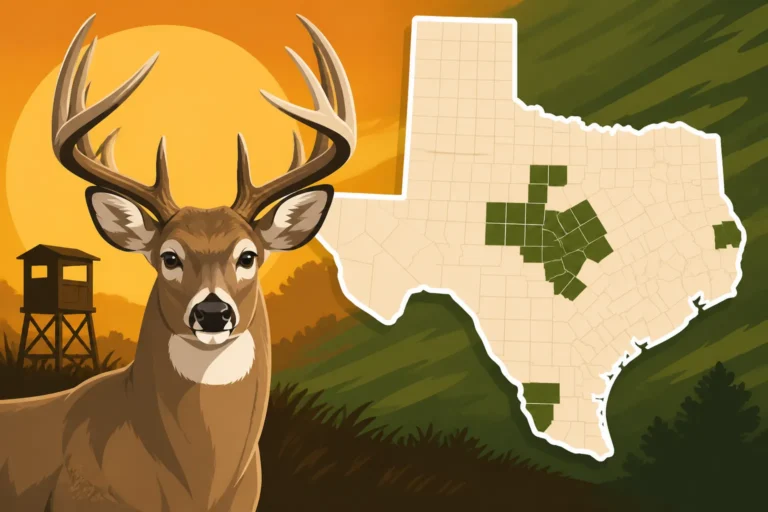
While axis deer are widespread across Texas exotic ranches, significant free-ranging populations are predominantly found in the Texas Hill Country. Counties like Kerr, Real, Gillespie, Llano, and Mason are prime examples where these deer have escaped high-fence operations over decades and established thriving wild herds. The dense live oak cover, rocky terrain, and abundant water sources create an ideal environment for them to reproduce and expand. You'll find them on large private ranches, but also occasionally spilling over onto smaller properties, or even in unexpected pockets where habitat is favorable. Scouting these areas often involves looking for tracks near water sources, listening for their distinct roars, especially in late spring and summer, and utilizing game cameras to pattern their movements. Finding a landowner who allows hunting for free-range axis can be a challenge, but the reward is immense. You can read more about how to scout for deer before season in Texas, as many of these principles apply to free-range exotics.
Tactics and Challenges of Free-Range Hunting
Hunting free-range axis deer requires a different mindset than hunting over a feeder on a small lease. These animals are truly wild, highly alert, and often located in rugged terrain. Spot-and-stalk is one of the most effective methods. This involves extensive glassing from elevated positions, patiently scanning brush lines, open fields, and creek bottoms during dawn and dusk. Once a target animal is spotted, the real work begins: a meticulous, often hours-long stalk, using terrain and cover to close the distance without being detected. The sheer size of free-range properties means you’ll be covering a lot of ground, and often carrying all your gear on your back.
Another effective tactic can be still-hunting, slowly moving through known bedding and feeding areas, pausing frequently to observe and listen. Water sources, especially during the hotter months, can be excellent ambush points. The primary challenges include their incredible alertness, the vastness of the territory, and the unpredictable nature of truly wild animals. Unlike whitetail, which have more predictable seasonal patterns, axis are on their own year-round schedule, making consistent patterning more difficult.
The Unpredictability and Reward
The beauty of free-range axis hunting lies in its unpredictability. You might spend days seeing nothing but does and fawns, then suddenly stumble upon a magnificent buck roaring in the distance. The element of surprise, the extensive effort, and the reliance on your pure hunting skill create an experience that feels incredibly primal and rewarding. There's a deep satisfaction in outsmarting an animal that exists completely on its own terms. The meat from a free-range axis is often described as leaner and even more flavorful, a testament to its natural diet and constant movement. If you're looking for a true adventure and don't mind putting in the miles and the mental fortitude, free-range axis hunting offers an unparalleled experience in Texas.
Exploring High-Fence Axis Deer Hunting Opportunities
While the romance of free-range hunting is undeniable, high-fence operations offer a different, often more accessible, and consistently successful avenue for hunting axis deer. These hunts are a staple for many outfitters across the state and provide an excellent option for those seeking a quality axis experience without the extensive scouting or sheer unpredictability of wild herds.
What Defines a High-Fence Operation
A high-fence operation, as the name suggests, involves hunting on land enclosed by a perimeter fence designed to contain game animals. These fences are typically 8 to 10 feet tall, preventing deer from entering or leaving the property. While the term "high-fence" can sometimes carry a negative connotation of "canned hunts," the reality in Texas is often far from it. Many high-fence ranches encompass thousands of acres, featuring diverse terrain, dense brush, and natural water sources, making for a challenging hunt that still feels incredibly wild. The key difference is that the animal populations are managed, ensuring healthy herds and consistent trophy quality. Outfitters like the Kudu Ranch or Ox Ranch are well-known for their exotic game offerings, including impressive axis deer.
Benefits and Drawbacks of High-Fence Hunting
Benefits:
- Higher Success Rates: Due to managed populations and often higher densities, the chances of encountering a trophy-class animal are significantly higher.
- Convenience: Many high-fence operations offer all-inclusive packages, including lodging, meals, guides, and game care, making planning much simpler. This is especially attractive for hunters with limited time or those traveling from out of state.
- Year-Round Opportunities: Because axis deer have no closed season in Texas, and populations are managed, many high-fence ranches offer hunts throughout the year, allowing flexibility in scheduling.
- Trophy Quality: Ranches actively manage genetics and age structure, often leading to bigger, more impressive trophies than might be consistently found in free-range areas.
- Accessibility: Less physically demanding hunts can be arranged for hunters with mobility concerns.
Drawbacks:
- Cost: High-fence hunts are generally more expensive than free-range options, reflecting the investment in land, animals, management, and services.
- Perception: Some hunters feel that high-fence hunting lacks the "purity" or challenge of truly wild, free-range hunts.
- Less "Wild" Feel: While many large ranches feel wild, the knowledge of a perimeter fence, however distant, can change the psychological aspect of the hunt for some.
Reputable High-Fence Ranches and What to Expect
When looking for a high-fence axis deer hunt, it's crucial to research reputable outfitters. Word-of-mouth recommendations, online reviews, and checking their success photos are good starting points. You'll want to inquire about the size of the property, the hunting methods allowed (e.g., spot-and-stalk, blind hunting, safari-style), what's included in the price, and their trophy fees.
Typically, a high-fence hunt will involve a professional guide who knows the property and the animals intimately. You might hunt from blinds overlooking feeders or waterholes, or engage in spot-and-stalk tactics across diverse terrain. Many ranches offer excellent amenities, ensuring a comfortable stay. When considering a high-fence hunt, don't just look at the price, but also the overall value and the quality of the experience they promise. It’s an investment, and you want to ensure it meets your expectations for a challenging and memorable hunt.
Key Differences: Free-Range vs. High-Fence Comparison
Deciding between free-range and high-fence axis deer hunting really comes down to what you prioritize in a hunting experience. Both offer incredible opportunities to pursue this magnificent animal, but they are distinct in their nature and demands.
Hunting Experience and Ethical Considerations
The core difference in the hunting experience is often the perception of "wildness." In a free-range setting, every animal encountered is truly wild, subject to all the natural pressures of its environment without human intervention beyond hunting. The success or failure of the hunt rests almost entirely on the hunter's ability to scout, track, and stalk. This can lead to a profound sense of accomplishment when a free-range axis is harvested. Ethical considerations in free-range hunting revolve around fair chase, respecting private property, and understanding local regulations for public and private lands.
High-fence hunting, while often conducted on properties so vast they feel boundless, operates within a managed ecosystem. The animals are still wild in their behavior, but their populations are controlled, and escape is impossible. Critics sometimes argue this diminishes the "fair chase" aspect. However, many hunters find high-fence hunts equally challenging, especially on larger ranches where animals can evade hunters for days. Ethical considerations here often focus on responsible ranch management, ensuring animals have adequate habitat, and making sure the hunting experience itself remains challenging and respectful of the animal. Many outfitters go to great lengths to provide a challenging hunt, focusing on traditional methods like spot-and-stalk.
Cost and Accessibility Factors
Generally speaking, free-range axis hunting tends to be less expensive if you can gain access to private land. Often, the cost might be limited to a trespass fee or simply the fuel and time spent scouting and hunting. Public land options for free-range exotics are rare and highly competitive, often requiring participation in drawn hunts. The real "cost" of free-range hunting is often measured in time, effort, and the lower probability of success compared to a guided high-fence hunt.
High-fence axis hunts, on the other hand, have a clear upfront cost, which can range widely based on the size of the animal, the amenities offered, and the duration of the hunt. A typical axis buck hunt on a reputable high-fence ranch can run anywhere from $2,500 to $5,000+, often with trophy fees added for larger animals. This cost covers everything from guides to lodging and meals. While this is a significant investment, it provides a much higher probability of success and a structured experience, making it more accessible for hunters with limited time or specific trophy goals.
Let's look at a quick comparison:
| Feature | Free-Range Axis Hunting | High-Fence Axis Hunting |
|---|---|---|
| Environment | Truly wild, uncontained populations, often rugged terrain | Managed populations within a fenced perimeter (often thousands of acres) |
| Challenge Level | High; relies heavily on hunter's scouting and stalking skills | Variable; can be very challenging on large ranches, but more controlled |
| Success Rate | Lower; unpredictable nature of wild animals | Higher; managed populations and dedicated guides increase odds |
| Cost | Generally lower direct cost; higher investment in time/effort | Higher upfront cost (packages $2,500-$5,000+), all-inclusive options |
| Accessibility | Requires access to private land or competitive public draws | Easily booked through outfitters; year-round availability |
| Trophy Quality | Purely natural; varies widely by individual and region | Often high due to active management and selective harvesting |
| Experience | Raw, unpredictable, self-reliant | Structured, guided, often with amenities |
Trophy Potential and Management
When it comes to trophy potential, both free-range and high-fence environments can produce impressive axis bucks. However, the consistency often differs. In free-range areas, the size of a buck's antlers is purely a result of genetics, age, and natural forage quality. There's no human intervention to enhance these factors, making a truly massive free-range buck a rare and highly prized trophy.
High-fence operations, through careful management, can actively cultivate superior trophy potential. This includes ensuring optimal nutrition through supplemental feeding (like with protein feeders), selective breeding, and culling practices to remove inferior genetics. This means that while a free-range hunter might spend years looking for a 35-inch axis, a high-fence hunter can book a hunt with a high probability of finding one. Many ranches offer different price tiers based on antler size, allowing hunters to target a specific trophy. Regardless of the setting, a mature axis buck with its impressive, symmetrical antlers is a stunning testament to the hunt.
Essential Gear and Tactics for Successful Axis Deer Hunting
Regardless of whether you choose free-range or high-fence, having the right gear and understanding effective tactics will significantly increase your chances of success. Axis deer are wary animals, and being prepared is paramount.
Rifles, Ammunition, and Optics Recommendations
For axis deer, you'll want a rifle chambered in a cartridge capable of delivering sufficient energy for a clean kill on an animal that can weigh over 200 pounds. Popular choices include the .270 Winchester, .30-06 Springfield, 7mm-08 Remington, .308 Winchester, and even 6.5 Creedmoor with appropriate bullet construction. A good quality, controlled-expansion bullet is critical to ensure penetration and energy transfer. Always practice with your chosen ammunition to ensure accuracy.
Optics are absolutely essential. A high-quality rifle scope with clear glass and reliable adjustments is a must. Magnification in the 3-9x or 4-12x range is usually sufficient for typical Texas hunting distances. Beyond your rifle, good binoculars are arguably even more important for axis hunting, especially if you're doing any kind of spot-and-stalk. Look for 10×42 or 12×50 binoculars from reputable brands like Leupold or Vortex to help you pick apart dense brush and spot those distinctive white spots. A rangefinder is also invaluable for quickly and accurately determining distances, ensuring precise shot placement. These tools are discussed in more detail in articles like Best Hunting Optics for Texas: Scopes, Binos & Rangefinders.
Stalking and Ambush Techniques
Stalking: This is a primary tactic for free-range axis and often employed on larger high-fence properties.
- Glass, Glass, Glass: Spend far more time glassing than walking. Use your binoculars to systematically scan likely bedding areas, feeding zones, and travel corridors.
- Use the Wind: Always hunt with the wind in your favor. Axis deer have an excellent sense of smell.
- Slow and Steady: When you spot an animal, plan your approach carefully. Use natural terrain features (ridges, draws, thick brush) as cover. Move incredibly slowly, taking one step at a time, pausing to listen and observe before moving again.
- Footwear: Wear comfortable, quiet footwear suitable for the terrain, whether it's rocky Hill Country or sandy South Texas.
Ambush: This typically involves hunting from a blind or concealed position overlooking a known axis travel route, water source, or feeding area.
- Pre-Scouting: If possible, scout the area beforehand using trail cameras to understand axis movement patterns. Place your cameras along game trails leading to water or open feeding areas to pattern bucks.
- Concealment: Whether you're in a pop-up ground blind or a more permanent box blind, ensure you are well-concealed and blend into the environment. Consider using scent control.
- Patience is Key: Axis deer can be cautious. Be prepared to sit for extended periods, especially during the peak activity times of early morning and late evening.
- Water Sources: In the hot Texas climate, waterholes and creeks can be magnets for axis deer, especially in the afternoon.
Field Dressing and Game Care in Texas Heat
Texas heat, especially during the peak axis rut months of summer, can be brutal on harvested game. Proper and prompt field dressing is non-negotiable to preserve the quality of the venison. As soon as an animal is down, get to it quickly.
- Field Dress Immediately: Remove the entrails as soon as possible. This allows the body cavity to cool down.
- Skin if Possible: If you have the means, skinning the animal in the field can dramatically speed up the cooling process. If not, at least prop the cavity open to maximize airflow. You can learn more about how to cool a deer fast in Texas heat.
- Keep it Clean: Avoid contaminating the meat with dirt, leaves, or stomach contents. Use clean water if available to rinse the cavity, but dry it thoroughly afterward.
- Transport Quickly: Get the deer to a cooler or a processing facility as fast as you can. For longer transports, consider filling the body cavity with ice bags.
- Professional Processing: If you're not equipped for home processing, find a reputable local processor. Many ranches offer game care services and can arrange processing for you. The exquisite flavor of axis venison is worth the extra effort in game care.
Legality and Regulations for Axis Deer in Texas
Hunting axis deer in Texas is a bit different from hunting native game, primarily because they are classified as an exotic species. This classification simplifies some aspects of hunting but still requires adherence to certain rules.
License Requirements and Seasons
Here's the great news for axis deer hunters: there is no closed season and no bag limit for axis deer in Texas. This is true for all exotic species. You can hunt axis deer year-round, which is a huge draw for hunters looking for opportunities outside the traditional whitetail season. This flexibility is particularly appealing during the hot summer months when many other hunting seasons are closed.
However, even though there's no season or bag limit, you absolutely do need a valid Texas hunting license to hunt axis deer. The standard hunting license (like the resident or non-resident general hunting license, or the Super Combo License) will cover you. You do not need a specific tag for axis deer, nor do you need to report your harvest to Texas Parks and Wildlife Department (TPWD) through My Texas Hunt Harvest. However, you'll still need to follow landowner rules and any specific rules of the ranch you're hunting on. You can find detailed information on the costs and types of licenses in our guide: Texas Hunting License: Cost, Types & How to Buy (2026).
Understanding Exotic Game Rules
The classification of axis deer as "exotic" is key to understanding the regulations. In Texas, exotic animals are defined as those species that are not indigenous to the state and are typically found on private lands. Because they are not native game, they fall outside the traditional framework of seasons, bag limits, and harvest reporting enforced by TPWD for native species like whitetail deer or turkey. This means:
- Year-Round Hunting: No specific hunting season.
- No Bag Limits: You can harvest as many as the landowner or outfitter allows.
- No Tags Required: You do not need to use a physical tag from your hunting license for an axis deer.
- No Mandatory Reporting: You are not required to report an axis deer harvest to TPWD.
- Night Hunting & Thermal: For exotics on private land, hunting at night and with thermal or night vision equipment is generally allowed, though this is primarily utilized for pest species like feral hogs. Always confirm specific rules with the landowner or outfitter.
This relaxed regulatory environment is a major reason why exotic hunting, including axis deer, has become so popular in Texas.
Landowner Rules and Permitting
While state regulations are minimal for exotics, the rules of the landowner or the outfitter you are hunting with are paramount. Always confirm their specific policies before your hunt. This includes:
- Property-Specific Bag Limits: The ranch owner may impose their own bag limits to manage their herd.
- Weapon Restrictions: Some ranches might have rules about weapon types (e.g., archery only, no rifles).
- Trophy Fees: On high-fence operations, there are almost always trophy fees based on the size or characteristics of the buck.
- Guided vs. Unguided: Many exotic hunts are guided, and the guide's instructions are essential for a safe and successful hunt.
- Permits (Internal): While no state permit is needed, the ranch might issue an internal "permit" or receipt for the animal taken.
Always communicate openly with the landowner or guide to ensure you understand and adhere to all rules. This not only ensures a smooth hunt but also helps maintain the integrity of Texas's thriving exotic game industry.
Disclaimer
Please note: Hunting regulations and laws are subject to change. Always consult the most current Texas Parks and Wildlife Department Outdoor Annual or website for the latest and most accurate information before planning any hunting trip. This guide is for informational purposes only and should not be considered legal advice.