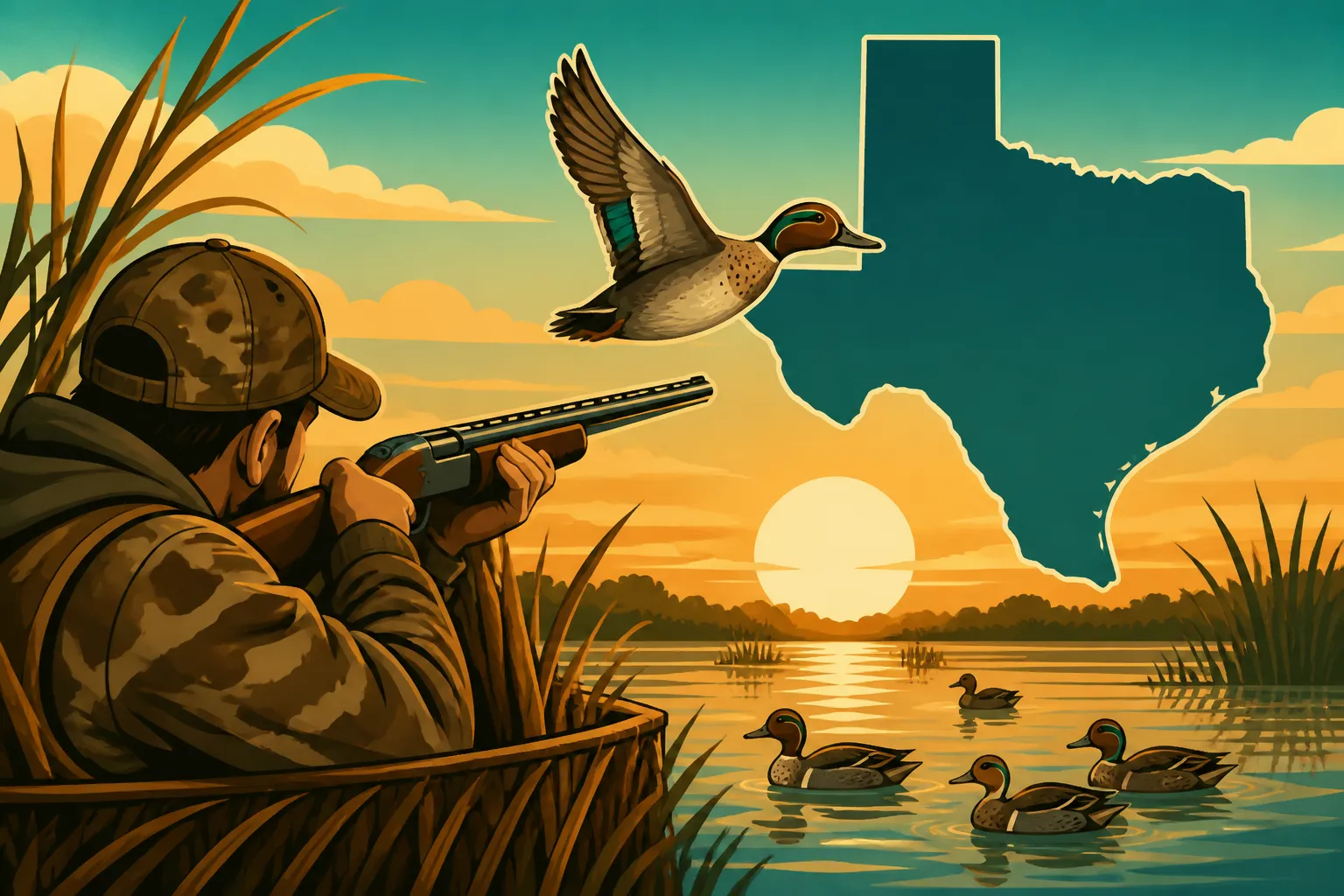
September Teal Season in Texas
There’s nothing quite like the relentless Texas summer heat, but just when you think it'll never end, a little whisper of hope drifts in on the north wind: September Teal Season. For many of us, this early opener is a cherished tradition, a chance to shake off the dust, tune up our calling skills, and get a jump on the waterfowl season. If you’ve been feeling that itch to get back into the marsh and chase some of the fastest little birds in the sky, this comprehensive guide is here to walk you through everything you need to know to make your September teal hunt a resounding success.
The Magic of September Teal Season in Texas
The September Teal Season is a unique beast in the Texas hunting calendar. It's a short, sweet burst of action dedicated almost exclusively to the rapid-fire flight of blue-winged, green-winged, and occasionally cinnamon teal. For many waterfowl enthusiasts, it's the official start of "duck season" even before the main event kicks off. It's a time of optimism, early mornings, and often, scorching heat.
Why Teal Are Different
Teal are fascinating birds, and understanding their behavior is key to a successful hunt. Unlike many other ducks that might linger through the colder months, teal are early migrants, driven by an instinct to head south to warmer climates for the winter almost as soon as their breeding season is over. This means that by September, thousands upon thousands of these small, agile ducks are already making their way through Texas. They're often the first to arrive and the first to depart, making this dedicated early season a special window of opportunity.
Their diet primarily consists of seeds, aquatic invertebrates, and small plants found in shallow water. This preference for shallow, often temporary, water bodies means they can be found in a variety of places across the state, from flooded agricultural fields to coastal marshes and even small stock tanks. Their flight is incredibly fast and erratic, making them a challenging target and a thrilling bird to pursue. You really have to be on your game to connect with these pint-sized speed demons.
The Thrill of Early Season Waterfowl
Imagine this: the sun barely peeking over the horizon, the air still thick with humidity, and the sounds of the marsh coming alive. Suddenly, a whistle, a blur, and a small flock of teal zips across the sky at what feels like Mach speed. That's the quintessential September teal experience. This season offers a different kind of thrill compared to the main duck season. There's less pressure from other hunters, the landscape still holds the vibrancy of late summer, and the sheer number of birds can be astounding.
It's also a fantastic opportunity to introduce new hunters, especially younger ones, to the sport. The bag limits can be generous, and the fast-paced action keeps everyone engaged. Plus, it's a great way to scout out potential spots for the later, general duck and goose seasons, getting a feel for water levels and bird movements before the crowds descend. Getting out there for September teal means dusting off the waders, checking the boat motor, and simply reconnecting with the wild spaces of Texas after a long, hot summer. It's an invigorating way to kick off the waterfowl year.
Navigating Texas Teal Zones and Season Dates
Understanding the specific zones and dates for the September Teal Season is absolutely critical. Texas is a massive state, and while the September teal season is fairly uniform across the state, it's always wise to double-check the regulations. The Texas Parks and Wildlife Department (TPWD) sets these dates, and they are usually released well in advance, often appearing in the annual Outdoor Annual.
High Plains, North, and South Zones Explained
While the general duck seasons are divided into three distinct zones – High Plains, North, and South – the September Teal Season typically operates under statewide regulations, meaning the dates are usually consistent across all three zones. However, it's vital to remember that these zones will come into play later in the year for the broader waterfowl seasons. Knowing your zone is paramount for planning future hunts.
The High Plains Zone covers the Panhandle and parts of West Texas, characterized by playa lakes and agricultural fields. The North Zone stretches across much of Central and North Texas, including the Cross Timbers and Blackland Prairies, featuring rivers, reservoirs, and stock tanks. The South Zone encompasses everything below a certain line, including the vast coastal marshes, rice fields, and the incredible Laguna Madre. While teal might stop in any of these zones, the coastal regions and associated agricultural lands often see the largest concentrations due to their proximity to major migratory flyways. For a more detailed look at these divisions, check out our guide on the Texas Duck Zones Explained High Plains, North, South article.
Key Dates and Permit Requirements
The September Teal Season typically runs for a specific period, usually around 16 days, often starting on the second Saturday of September. For instance, in recent years, the season has often kicked off around September 9th or 10th and concluded around September 25th. Always consult the official TPWD Outdoor Annual for the exact dates for the upcoming season, as these can shift slightly year to year.
Beyond having a valid Texas hunting license, which you can learn more about in our Texas Hunting License: Cost, Types & How to Buy (2026) guide, there are specific federal and state endorsements required for migratory bird hunting:
- Federal Duck Stamp: This stamp is mandatory for all migratory waterfowl hunters 16 years of age and older. It's not just a permit; it's a vital conservation tool, with 98 cents of every dollar going directly to conserve wetland habitats.
- Texas Migratory Game Bird Endorsement: This state endorsement is required to hunt any migratory game bird in Texas.
- Harvest Information Program (HIP) Certification: You must be HIP-certified annually. This involves answering a few questions about your previous year's migratory bird hunting success, which helps wildlife agencies gather crucial data for population management. We cover this in depth in our Texas Migratory Bird Endorsement & HIP Certification article.
Failure to have any of these can lead to hefty fines and a ruined hunt, so make sure all your paperwork is in order before heading out. It's a small price to pay to ensure you're hunting legally and contributing to conservation efforts.
Essential Gear and Setup for Teal Success
Hunting these fast-flying birds in the early Texas heat requires a specific approach to gear. You don't want to be bogged down by heavy equipment or suffer from heat exhaustion. Smart choices in decoys, firearms, and apparel will significantly impact your comfort and success.
Decoy Spreads and Numbers for Teal
Teal are gregarious birds, and they respond incredibly well to decoys. While you might use larger numbers of big decoys for mallards or pintails later in the season, teal appreciate a spread that looks busy and inviting.
- Numbers: You don't necessarily need hundreds, but a spread of 12-24 teal decoys is a great starting point. More can definitely be better, especially in larger bodies of water or if you're trying to attract birds from a distance. Consider mixing blue-winged, green-winged, and even some small hen mallard decoys to add variety and realism.
- Placement: Teal often feed in shallow water, so place your decoys in areas that mimic this. A loose "J" or "U" shape with a landing zone in the middle, directly in front of your blind, is a classic and effective setup. Ensure the landing zone is clear of decoys and obstacles. Motion decoys, like spinning-wing Mojo Outdoors Teals or similar models, can be incredibly effective at grabbing their attention from afar. The flash of the wings mimicking landing birds is a huge draw. However, always be aware of regulations regarding motorized decoys, especially if you venture out of Texas.
- Depth: Keep your decoy lines relatively short, as teal prefer shallow water. This also makes them easier to retrieve. On the Texas Coast, specifically, the shallow bays and flats lend themselves perfectly to these types of spreads. If you want to dive deeper into decoy strategies, check out our piece on the Best Duck Decoy Spread for Texas Coast.
Choosing the Right Shotgun and Ammunition
When it comes to shotguns for teal, speed and maneuverability are often more important than heavy hitting power. These birds are small, but they fly like rockets.
- Gauge: A 12-gauge is a popular choice due to its versatility and shot payload, but a 20-gauge can be just as effective and is often lighter and easier to swing quickly, which is a huge advantage on fast-flying teal. Some even opt for a 28-gauge for a real challenge.
- Action: Semi-automatic shotguns are favored by many for quick follow-up shots on a flock of crossing teal. Pump-actions are also perfectly fine, though they require more practice for rapid firing.
- Choke: An Improved Cylinder or Light Modified choke is typically ideal for teal. These open chokes allow for a wider shot pattern, increasing your chances of connecting with these erratic flyers at closer ranges, which is where most teal opportunities occur.
- Ammunition: Since teal are small, you don't need heavy shot. Steel shot is legally mandated for all migratory waterfowl. Look for loads of #6 or #7 steel shot. Some hunters might go up to #4 for a little more range, but often the smaller shot sizes with higher pellet counts provide a denser pattern at the typical ranges you'll be shooting teal (20-35 yards). Federal Premium and Winchester offer excellent steel shot options that perform well. High velocity loads can also help compensate for their blistering speed.
Dressing for the Texas Heat
This is perhaps the most overlooked aspect of September teal hunting. Texas in early September can still be brutally hot, with temperatures often soaring into the 90s, coupled with high humidity. Proper attire is not just about comfort; it's about safety and endurance.
- Lightweight Camo: Forget the heavy insulated waders and parkas. Opt for lightweight, breathable camouflage. Brands like Sitka Gear and Kuiu offer excellent early-season options that wick moisture and provide ventilation. A good quality, lightweight long-sleeve shirt in a marsh or open-country pattern is usually sufficient. Our guide to Best Early-Season Camo for Texas Heat has more specific recommendations.
- Waterproof, Breathable Waders: If you're hunting in water, chest waders made from breathable materials like Gore-Tex are essential. Neoprene will cook you alive. If you can get away with knee boots in shallow areas, even better for ventilation.
- Hat and Sun Protection: A wide-brimmed hat is a must to protect your face and neck from the relentless Texas sun. Don't forget sunscreen and insect repellent. Mosquitos and gnats can be fierce in the marsh.
- Hydration: Bring plenty of water, and then bring more. Dehydration is a serious risk. Consider a quality cooler like a YETI or an RTIC to keep your drinks, and your birds, cool. Speaking of which, you can find great options in our article on the Best Coolers for Texas Hunting (Yeti & Alternatives).
Remember, you'll likely be wading, setting decoys, and retrieving birds, all while exposed to the elements. Dress in layers you can shed, prioritize breathability, and stay hydrated.
Finding the Best Teal Hunting Spots
Teal are creatures of habit, but their habits revolve around specific environmental factors. Knowing what to look for and where to scout can save you a lot of frustration and lead you to prime hunting grounds.
Scouting for Pint-Sized Speedsters
Effective scouting is the bedrock of successful teal hunting. These birds can be here today and gone tomorrow, so understanding their current movements is key.
- Pre-Season Drives: Before the season opens, take drives through rural areas, especially near known waterways, rice fields, and coastal marshes. Look for shallow water bodies, whether it's a flooded field, a receding pond, or a quiet backwater. Binoculars are your best friend here. Look for small flocks of ducks buzzing around or feeding actively.
- Listen and Watch: Teal have a distinctive, high-pitched whistle, especially the blue-wings. Listen for it at dawn and dusk. Watch for their characteristic fast, darting flight patterns as they zip low over the water.
- Talk to Locals: Farmers, landowners, and other hunters can be invaluable sources of information. They often know where the birds have been congregating. Be respectful, offer to help out, and you might gain access to some fantastic private land opportunities.
- Aerial Reconnaissance (Maps): Satellite imagery on apps like onX Hunt or Google Earth can reveal potential teal hotspots. Look for areas with shallow water, exposed mud flats, and adjacent agricultural fields. These maps can help you identify access points and plan your approach.
- Water Levels: Teal are very sensitive to water levels. A heavy rain can create new feeding opportunities in temporary ponds, while a prolonged dry spell can concentrate birds in shrinking permanent water bodies. Pay attention to recent weather patterns and how they might affect water across the state.
Ideal Teal Habitat Features
Teal gravitate towards specific types of habitat that offer both food and security.
- Shallow, Emergent Vegetation: They love shallow water, typically less than 18 inches deep, with plenty of emergent vegetation like smartweed, spikerush, and millet. These plants provide both cover and a rich food source. Flooded timber can also hold teal if the water is shallow enough.
- Mud Flats and Edges: Teal will often dabble along exposed mud flats or the edges of ponds and marshes, sifting through the mud for invertebrates and seeds. Areas where water is receding, leaving behind a smorgasbord of food, can be incredibly productive.
- Coastal Marshes and Rice Fields: The Texas coast, particularly around areas like Anahuac, Winnie, and Rockport, is a prime teal destination. The vast coastal marshes and flooded rice fields offer abundant food and water. Many public hunting areas, known as WMAs (Wildlife Management Areas), provide excellent access to these habitats. For instance, the J.D. Murphree WMA near Port Arthur is a well-known hotspot, though it can get crowded.
- Inland Stock Tanks and Ponds: Don't overlook smaller, inland stock tanks, especially in the Hill Country or North Texas. If they have good vegetation and shallow edges, they can attract significant numbers of teal, particularly blue-wings, looking for a rest stop on their migration. Many of these are on private land, so securing permission is key.
Remember that teal often feed actively in the early morning and late afternoon, spending midday resting in secure, usually denser, cover. Understanding this daily pattern can help you position yourself for the best opportunities.
Mastering Teal Hunting Tactics
Teal hunting is a game of speed, quick decisions, and effective concealment. These birds are not typically wary like some of the larger ducks, but their agility makes them a challenge.
Effective Calling Strategies
While teal aren't as responsive to calling as, say, mallards, a well-timed and realistic teal call can still be incredibly effective.
- Types of Calls: Most duck call manufacturers offer specific teal calls. These produce a rapid, high-pitched whistle or a fast chatter. Primos and Zink Calls are popular brands that make good teal calls.
- When to Call: Use your teal call to grab the attention of distant flocks or to turn birds that are passing by just out of range. A series of short, quick whistles or chattering can often get them to commit. Once they're locked onto your spread and coming in, calling less is usually more. Let the decoys do the work. Overcalling can sometimes scare them off, especially if your calls aren't perfectly realistic.
- Reading the Birds: Pay close attention to how the birds react to your calling. If they turn and start working the spread, keep up a light, intermittent chatter. If they flare, back off the call. The goal is to sound like a contented flock on the water, inviting others to join.
Blind Placement and Concealment
Teal have excellent eyesight, and while they might not be as cautious as a mature greenhead, any visible movement or unnatural silhouette will send them flaring.
- Natural Cover is Best: Whenever possible, use existing natural cover for your blind. Brushy points, cattail stands, or even small clumps of trees can provide excellent concealment. Augment natural cover with additional brush, reeds, or camouflage netting to break up your outline.
- Low Profile: Keep your blind as low-profile as possible. Teal often fly low, so a tall, obtrusive blind will stick out like a sore thumb. Lay-out blinds are fantastic in open fields, mimicking natural humps of earth. If you're in water, a simple pop-up blind or even just waders and natural vegetation can suffice.
- Sun and Wind: Position your blind with the sun at your back, if possible. This makes it harder for the birds to see you and easier for you to see them. Also, try to position yourself so that incoming birds will be flying into the wind as they approach your decoys. Ducks almost always land into the wind, slowing them down and giving you a better shot opportunity.
- Stationary: Once birds are working the spread, remain absolutely still until you call the shot. Any twitch or movement will cause them to flare. This can be tough with the excitement, but it's crucial for success. For more insights on blind types, you can look at our Box Blind vs Tripod vs Ground Blind in Texas guide, though many teal setups are more impromptu than these.
The Art of the Pass Shot
While many hunters prefer to shoot ducks over decoys, teal are so fast and sometimes so abundant that pass shooting can be a very effective tactic, especially if they are flying a predictable route between feeding and roosting areas.
- Identify Flyways: Spend some time watching birds to identify their preferred travel corridors. This could be along a treeline, over a specific point of land, or a gap in vegetation.
- Positioning: Once you've identified a flyway, position yourself discreetly along it, usually downwind of their flight path. You want to be far enough back that they don't see you coming, but close enough for an ethical shot.
- Lead, Lead, Lead: Teal require a lot of lead. Due to their speed, you'll need to swing through them and keep going, pulling the trigger well ahead of their body. Practice is key here. Start with a longer lead than you think, and adjust.
- Safety First: Always be aware of your surroundings and other hunters. Ensure you have a clear shot lane and know what's beyond your target. Never shoot at low-flying birds if there are people, roads, or structures in the line of fire.
Whether over decoys or pass shooting, teal hunting demands quick reflexes and a steady hand. Embrace the challenge, and enjoy the exhilarating pace of the September opener.
Legalities, Limits, and Conservation
Staying within the bounds of the law is not just about avoiding fines; it's about respecting the resource and contributing to sustainable hunting practices. The regulations for migratory birds are set by both federal and state agencies, and they can be complex.
Understanding Bag and Possession Limits
The bag limit for teal during the September Teal Season is typically very generous, often 6 birds per day. This means you can harvest six blue-winged, green-winged, or cinnamon teal (or a combination) in a single day.
- Daily Bag Limit: This is the maximum number of birds you can legally take from sunrise to sunset on any given day. Once you reach your bag limit, you must stop hunting for that day.
- Possession Limit: This refers to the maximum number of birds you can legally possess at any given time, including those in your freezer at home. For teal, the possession limit is usually three times the daily bag limit (e.g., 18 birds if the daily bag is 6). This is important if you're on a multi-day hunt or have accumulated birds over several trips. It's crucial to correctly identify the birds before shooting. While teal are generally distinct, sometimes other small ducks, like shovelers or gadwalls, might be mistaken for teal, especially in poor light. Make sure you're confident in your identification.
Federal and State Regulations Overview
Hunting migratory birds involves a layer of federal regulations on top of state-specific rules.
- Federal Regulations (USFWS): The U.S. Fish and Wildlife Service (USFWS) establishes the broad framework for migratory bird hunting, including species that can be hunted, season lengths, and bag limits. States then set their seasons within these federal guidelines. The Federal Duck Stamp is a direct result of these federal conservation efforts.
- State Regulations (TPWD): The Texas Parks and Wildlife Department (TPWD) publishes the specific season dates, shooting hours, and other state-specific rules in their annual Outdoor Annual. This document is your go-to source for all legal details. It also outlines things like hunting methods (e.g., prohibitions on baiting), landowner permission requirements, and safety regulations. You can find general information about Texas Hunting Seasons: Complete Calendar by Species in our archives.
- Shooting Hours: For most migratory game birds, including teal, shooting hours typically begin 30 minutes before sunrise and end at sunset. Always check the official regulations for precise times, as these can vary slightly.
- Transporting Game: When transporting harvested birds, you must ensure that one fully feathered wing remains attached to each bird. This allows game wardens to identify the species and ensure compliance with bag limits. Once you get home and prepare the birds for consumption or storage, you can remove the wing.
- Chronic Wasting Disease (CWD): While CWD is primarily a concern for deer and other cervids, it's always good to be aware of general game transport regulations, especially if you're moving between counties. Thankfully, it does not apply to waterfowl.
Being a responsible hunter means knowing and following all applicable laws. It ensures the longevity of the sport and the health of the wildlife populations we cherish. If you ever have a doubt, consult the TPWD Outdoor Annual or contact a game warden – they are there to help!
Teal Identification at a Glance
Recognizing the different species of teal is part of the fun and crucial for proper identification, especially if bag limits were ever species-specific (though for September teal, they are usually combined). Here's a quick reference:
| Feature | Blue-winged Teal | Green-winged Teal | Cinnamon Teal |
|---|---|---|---|
| Size | Small duck, slightly larger than GWT | Smallest North American duck | Medium-small duck |
| Flight Speed | Very fast, erratic | Extremely fast, erratic | Fast, agile |
| Male (Drake) | Distinctive white crescent on face, blue speculum, grey body | Chestnut head with green eye-patch, green speculum, vertical white bar on chest | Rich cinnamon-red body, red eye, blue speculum |
| Female (Hen) | Mottled brown, blue speculum (less vibrant than drake) | Mottled brown, green speculum (less vibrant than drake) | Mottled brown, blue speculum (less vibrant than drake) |
| Speculum Color | Sky Blue | Iridescent Green | Sky Blue |
| Habitat | Shallow marshes, ponds, flooded fields | Shallow marshes, ponds, rivers, flooded timber | Marshes, ponds, especially in western states and coast |
| Call | High-pitched whistle, rapid peeping | High-pitched whistle, squeak | Raspy chuckle, similar to Bluewing hen |
(Note: Speculum is the colored patch on the secondary flight feathers of the wing)
It's common to see blue-winged teal primarily during the September season, as they are the earliest and most widespread migrants. Green-winged teal might show up later in the season, and cinnamon teal are much less common in Texas, mostly found further west.
Disclaimer
Hunting involves inherent risks, including but not limited to those associated with firearms, wildlife, and natural environments. Always prioritize safety, follow all local, state, and federal regulations, and consider completing a hunter education course. This guide is for informational purposes only and should not replace official regulations or professional advice.