Best Time to Hunt Rio Grande Turkey in Texas
Trying to figure out the absolute best time to chase those elusive Rio Grande turkeys in Texas can feel like a riddle wrapped in an enigma, especially with our vast state's diverse landscapes and ever-changing weather. You want to be out there when the gobblers are most active, most vocal, and most susceptible to your calling, not just burning vacation days when the woods are silent. This guide is going to cut through the confusion and walk you through exactly when to hit the fields and brush country for your best shot at bagging a magnificent Texas Rio Grande gobbler.
Understanding Texas Rio Grande Turkey Seasons
Texas is a special place when it comes to turkey hunting, primarily because of our robust Rio Grande turkey population. Unlike some other states where spring is your only real shot, we actually have both spring and fall seasons. However, the dynamics of these hunts are vastly different, and knowing which season targets what kind of behavior is crucial for success.
Spring Season: The Primary Gobbler Hunt
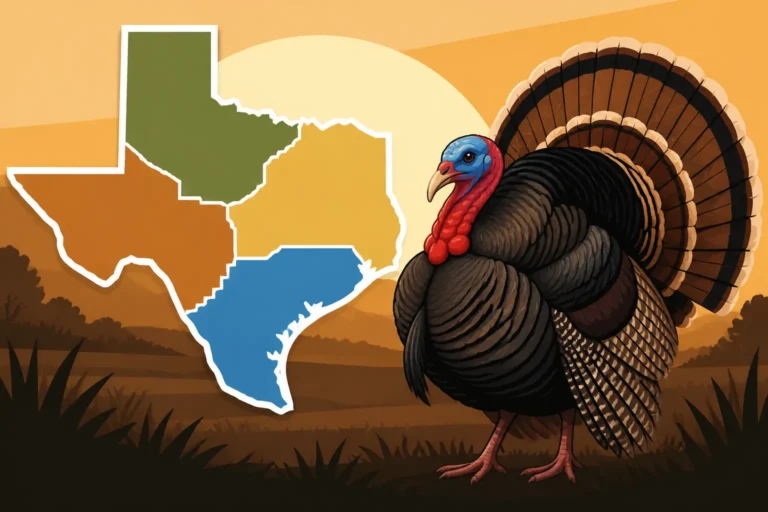
For most turkey hunters, spring is the quintessential time to be in the woods, and for good reason. This is when the gobblers are strutting their stuff, eager to breed, and often loud and proud about it. The spring season is specifically designed to coincide with this peak breeding activity, offering hunters the chance to call in and harvest adult gobblers. Our spring turkey season dates vary slightly by zone, primarily divided into the North Zone, South Zone, and the Eastern Turkey Zone (which, as the name suggests, targets Eastern turkeys, not Rio Grandes). For Rio Grandes, you'll be focusing on the North and South Zones.
The South Zone typically opens a bit earlier than the North Zone, usually in late March or early April, and runs for a few weeks. The North Zone follows, opening mid-April and extending into May. These dates are meticulously set by the Texas Parks and Wildlife Department (TPWD) to ensure sustainable harvest while maximizing hunter opportunity during the most active period. During these weeks, you're primarily listening for those booming gobblers, trying to locate them on the roost or as they hit the ground, and then employing your best calling tactics to convince them you're the hen they've been waiting for. It’s a hunt filled with anticipation, strategic setups, and the thrilling rush of a gobble in response to your call. For the most up-to-date schedule, always consult the Texas Turkey Season 2026: Spring & Fall Zones information.
Fall Season: A Different Kind of Challenge
While spring is all about the gobbler’s booming calls and strutting displays, the fall season presents a very different, often more challenging, hunting scenario for Rio Grande turkeys. Fall turkey hunting typically runs from early November through late February, often overlapping with deer season in many areas. In the fall, the breeding urge has passed, and turkeys are primarily focused on feeding and regrouping into larger flocks. You'll find mixed flocks of hens, jakes, and gobblers, often moving together.
The biggest difference you’ll notice is the significantly reduced vocalization from gobblers. They might not be responding to calls with the same enthusiasm they showed in the spring, making locating them much harder. Instead of listening for distant gobbles, fall hunting often relies more on scouting for roost sites, identifying feeding patterns, and breaking up flocks to call them back together. The goal isn't necessarily a boisterous gobbler, but rather any legal turkey you can entice into range. It requires a lot of patience and different strategies compared to the spring. It's not a less rewarding hunt, just a different one, often enjoyed by hunters already out for deer or other game. If you're looking for more general season details, take a peek at the Texas Hunting Seasons: Complete Calendar by Species.
Here’s a quick overview of the general season structure for Rio Grande turkeys in Texas:
| Zone | Season Type | General Dates (Approx. 2026) | Primary Target | Typical Hunter Focus |
|---|---|---|---|---|
| North Zone | Spring Gobbler | Mid-April to Mid-May | Adult Gobblers | Calling, strutting birds |
| South Zone | Spring Gobbler | Late March to Early May | Adult Gobblers | Calling, strutting birds |
| General Rio | Fall | Early Nov. to Late Feb. | Any Sex/Age* | Scouting, flock break-up |
*Bag limits and specific rules apply, always check the current Outdoor Annual.
Factors Influencing the Best Hunting Times
Beyond the set season dates, several environmental and biological factors play a huge role in determining the best days and even hours to be in the turkey woods. Ignoring these can lead to frustratingly quiet hunts, while paying attention can put you right in the action.
The Weather's Role in Gobbler Activity
Weather is arguably one of the most critical factors influencing Rio Grande turkey behavior, especially during the spring season. Turkeys, much like us, have preferred conditions. A cold front rolling through can drastically shut down gobbling activity. Those crisp, clear mornings right after a front, with temperatures slowly rising, are often fantastic. The birds seem to wake up with an extra spring in their step, and their vocalizations echo through the morning air.
On the flip side, extremely windy conditions can also make for a tough hunt. Not only does the wind make it difficult for you to hear distant gobblers, but it also makes the birds less likely to gobble as they can't hear as well themselves, and they're more wary of predators. Heavy rain can also dampen spirits and gobbling. Turkeys often seek cover and become less active during downpours. However, a light drizzle or fog can sometimes make gobblers more responsive to calls, adding an exciting, almost mystical element to the hunt. Knowing your local forecast and planning your hunts around favorable conditions—mild temperatures, light winds, and clear skies—can significantly increase your chances of success when you're out there chasing them.
Peak Gobbling and Breeding Cycles
Understanding the peak gobbling and breeding cycles is like having a cheat code for spring turkey hunting. While the entire spring season allows for gobbler harvests, there are distinct phases within that season where gobbler activity will be at its highest. Early in the season, often referred to as the "pre-rut" phase, gobblers are eager but might be henned up, meaning they are already with hens and thus less responsive to your calls. They might gobble a lot, but they're not necessarily looking for another hen.
As the season progresses towards the peak of breeding, often a couple of weeks after the season opens in a given zone, the hens start nesting. This is the sweet spot for hunters! With fewer hens available, gobblers become much more aggressive in their search and are much more likely to respond to your calling and come into your setup. This is when you'll hear the most consistent gobbling throughout the morning, and birds might come charging in from hundreds of yards away. Later in the season, after the primary breeding is done, gobblers might still be around, but their intensity might wane. They become "gobbled out" or "called out" and are much warier. This is why many experienced hunters try to hit those middle weeks of the season when gobbler activity is at its prime. For detailed insight into how these magnificent birds behave, check out our guide on Rio Grande Turkey Hunting in Texas.
Roosting and Decoy Strategies
The time of day can make all the difference in turkey hunting, particularly with roosting behaviors. The first hour or two after sunrise is often considered the "golden hour" for turkey hunting. Gobblers will typically sound off from their roost trees just before first light, giving you a chance to pinpoint their location. As they fly down, they are often still looking for hens and are very responsive to calls. Setting up near a known roost site before dawn can be incredibly effective.
Mid-morning to early afternoon can sometimes be slower, especially if birds have already bred or are heavily pressured. However, it's a mistake to pack up early. Often, lone gobblers that have been with hens all morning will start to wander in search of receptive hens as the day progresses. This can be a great time to blind call or cover ground, trying to strike a lonely gobbler. The late afternoon, a few hours before sunset, can also pick up again as birds start to think about heading back to their roosts. They might be more vocal as they gather, offering another opportunity to intercept them. Decoys play a huge role in all these timeframes. A good hen decoy, or even a jake/gobbler decoy, can be irresistible to a strutting longbeard, pulling him those last crucial yards. To maximize your chances, consider mastering Turkey Calling & Tactics for Texas Rios.
Strategic Timing for Rio Grande Success
Knowing the general seasons and the factors influencing turkey behavior is one thing, but truly optimizing your hunting time requires a strategic approach to when you hunt within those windows. It's about more than just showing up; it's about showing up smart.
Early Season vs. Late Season in Spring
Deciding whether to hunt early or late in the spring season can significantly impact your success and the kind of hunt you'll experience.
Early Season (First few weeks of the zone's opener):
- Pros: Less hunting pressure from other hunters. Birds haven't been "educated" by constant calling and close encounters yet, making them potentially more responsive. Gobblers are usually eager to breed, and if hens aren't quite receptive, they might be more willing to come to a call.
- Cons: Birds might still be heavily "henned up." This means gobblers are already with a harem of real hens, making them less likely to break away and come to your calls. They'll gobble on the roost and on the ground, but often follow their real hens away from your setup. The vegetation might also be sparser, meaning less natural cover.
- Strategy: Be patient and persistent. Try to locate roosting birds the evening before. If birds are henned up, focus on subtle calls or try to intercept them as they move through feeding areas later in the morning once the hens have dispersed. Scout heavily to find areas with lower hen concentrations.
Late Season (Last few weeks before the season closes):
- Pros: Hens are typically nesting by now, leaving gobblers lonely and more aggressively seeking companionship. This can lead to very responsive, "hot" gobblers that come in hard and fast. Lush green vegetation offers excellent natural cover for hiding.
- Cons: These birds have often been hunted for weeks. They've heard every call in the book, seen numerous decoys, and might be very wary or "call shy." Public land can see increased pressure from hunters trying to get a last-minute bird. The weather can also be quite warm, especially in South Texas.
- Strategy: Be realistic with your calling. Less can be more. Soft clucks, purrs, and yelps might be more effective than aggressive cutting. Focus on neglected areas, use good concealment, and be prepared for educated gobblers that might hang up at a distance. Sometimes, being completely silent and letting them come to you can work wonders. Remember, the Texas Spring Turkey Season Zones & Dates are crucial for planning.
Mid-Day Lulls and Afternoon Opportunities
Many turkey hunters, especially those used to the morning rush, tend to pack up and head back to camp by 10 or 11 AM when the gobbling seems to die down. This is a common mistake that can cost you a bird! While the frenetic gobbling activity often subsides after the initial morning fly-down and breeding, turkeys don't just vanish. They're still out there, feeding, loafing, and moving.
Mid-day (10 AM – 3 PM):
- During this period, turkeys often move to open fields or clearings to feed, dust bathe, and sometimes just hang out in the sun. This can be a fantastic time to use locator calls to try and strike a lonely gobbler that has been abandoned by his hens. Often, these mid-day gobblers are more willing to travel to a call. It's also a prime time for "run and gun" tactics, where you cover ground, call from different spots, and listen for a response.
- Don't underestimate the power of scouting. If you know where birds tend to congregate mid-day, setting up there can pay off. Find shaded areas near water sources or food plots where turkeys might retreat from the midday sun.
- An effective tactic is to set up a blind near a known travel corridor or feeding area and be patient. The woods might be quiet, but that doesn't mean no turkeys are around.
Afternoon (3 PM – Sunset):
- As the afternoon progresses, turkeys will start making their way back towards their evening roost sites. This is another excellent window of opportunity. Listen for "fly-up" cackles or soft clucks as birds gather before heading to the trees.
- If you can locate a roost, setting up nearby and using soft, content calls can sometimes entice a gobbler to come investigate before flying up. This takes careful planning to avoid spooking birds off their roost for the night.
- The afternoon hunt also offers a different kind of challenge, as light fades and visibility decreases, but it can be incredibly rewarding when you catch a gobbler on his way to bed. For more on getting birds to respond, consider strategies from How to Call Rio Grande Turkeys in Texas.
Planning Around Hunting Pressure
Hunting pressure, whether from fellow hunters or just human activity, can significantly impact turkey behavior. Turkeys, especially gobblers, quickly learn to associate certain sounds or locations with danger.
Weekdays vs. Weekends:
- It's no secret that hunting pressure is generally much higher on weekends. If you have the flexibility, hunting on weekdays, especially Monday through Wednesday, can be a game-changer. Birds on private land leases or public hunting areas might be less wary during the week and more willing to respond to calls and come into decoys.
- On weekends, consider hunting areas less accessible or those that require a bit more effort to reach. Often, the birds pushed out of high-pressure areas will move to these quieter spots.
Public vs. Private Land:
- Private Land: If you're fortunate enough to have access to private land, pressure is usually much lower. This often means less wary birds and more consistent gobbling activity. You can often be more aggressive with your calling and tactics. However, even on private land, if it borders public land or other heavily hunted properties, your birds might still be influenced by external pressure.
- Public Land: Hunting public land for Rio Grande turkeys in Texas can be incredibly rewarding, but it almost always comes with higher pressure. Here, stealth, patience, and often a more subtle approach are key. Early birds often get the worm – or the gobbler – on public land, meaning getting there before anyone else is paramount. Finding remote pockets that other hunters overlook can also be a successful strategy. To learn more about navigating public opportunities, check out the Texas Drawn Hunts & Public Hunt Draw 2027 guide.
Essential Gear and Tactics for Any Season
Regardless of whether you're chasing spring longbeards or fall flocks, having the right gear and a solid understanding of fundamental tactics will always put you ahead of the game. It's not just about having the best stuff; it's about knowing how to use it effectively in the Texas landscape.
Calls and Calling Strategies
Turkey calls are your primary communication tool in the woods, and mastering a few different types can drastically improve your odds. There's no single "best" call; rather, it's about having a repertoire and knowing when to use what.
- Box Calls: These are fantastic for beginners because they're relatively easy to learn and can produce loud, realistic yelps, clucks, and cuts. They're great for reaching out to distant birds or for those windy days when you need to make some noise. Brands like Primos and Knight & Hale make excellent box calls. The downside is they aren't always great in wet weather, and you need two hands.
- Slate/Pot Calls: A slate (or glass, aluminum, ceramic) call with a striker can produce a vast array of turkey sounds, from soft purrs and clucks to sharp yelps and cuts. They offer excellent control and realism. They take a bit more practice to master but are incredibly versatile. They can be used with one hand if you're quick.
- Diaphragm/Mouth Calls: These are perhaps the most challenging to learn but are incredibly rewarding once mastered. They allow for hands-free calling, which is invaluable when a gobbler is closing in and you need to keep your gun up. They can produce the most realistic and varied sounds, from soft tree yelps to aggressive cutting.
- Locator Calls: While not strictly turkey calls, owl hoots, coyote howls, and crow calls can be invaluable for getting a gobbler to shock gobble and reveal his position, especially on the roost.
- Calling Strategies: It's not just what call you use, but how you use it. Start with soft, subtle calls, especially in the early morning or when birds are close. If a bird is distant or seems hesitant, you might need to increase the volume and intensity. Mimicking a contented hen with soft clucks and purrs can sometimes be more effective than aggressive cutting, especially on pressured birds. Vary your calling. Sometimes, silence is the best call of all, letting a curious gobbler come search for the "hen" that suddenly went quiet. You can dive deeper into specific techniques with our guide on How to Grunt and Rattle Whitetail in the Hill Country, which, while focused on deer, highlights the nuance of game calling. For turkey-specific tips, definitely read Best Game Calls for Texas Hunting.
Blinds and Cover Considerations
Concealment is paramount when turkey hunting. Turkeys have exceptional eyesight, and any unnatural movement will send them scattering.
- Pop-up Blinds: These portable, lightweight blinds offer fantastic concealment and allow for more movement inside, which is particularly helpful if you're hunting with kids or need to adjust your setup. They're excellent for setting up in open fields or areas with sparse cover. Brands like Primos and Ameristep offer durable options. Set them up well in advance if possible to allow birds to get accustomed to them.
- Natural Cover: Don't underestimate the effectiveness of natural cover. A good setup against the base of a wide oak tree or within a thicket can be just as effective as a manufactured blind. The key is to break up your outline, stay perfectly still, and choose a background that prevents you from being skylined. Always ensure you have a clear shooting lane, but remain hidden.
- Camo: Full camouflage, including face masks and gloves, is essential. Match your camo pattern to the environment you're hunting in, whether it's the open brush of South Texas or the more wooded areas of the Hill Country.
Always remember that safety comes first. Be absolutely certain of your target and what is beyond it. Turkeys are notorious for appearing out of nowhere, often from unexpected directions.
Disclaimer
Hunting is an inherently dangerous activity. This content is provided for informational purposes only and does not constitute professional advice. Always adhere to all local, state, and federal hunting laws and regulations. Ensure you have the proper licenses and permits. Consult with local wildlife authorities or experienced guides for specific advice and safety guidelines before engaging in any hunting activity.