Red Stag & Fallow Deer Hunting in Texas
The thought of hunting something truly magnificent, something that carries a touch of the wild old world right here in the heart of Texas, often draws hunters to the allure of exotic game like Red Stag and Fallow Deer. These majestic creatures offer a different kind of challenge and a unique experience compared to our native whitetails, and understanding their behavior, habitat, and hunting strategies is key to a successful and ethical hunt. This guide is dedicated to helping you navigate the exciting world of Red Stag and Fallow Deer hunting across the diverse landscapes of the Lone Star State.
Understanding Red Stag in Texas
Red Stag, with their impressive racks and commanding presence, are truly a sight to behold. For many Texas hunters, encountering one in person is an unforgettable experience, often sparking a desire to pursue these grand animals.
Origins and Characteristics of Red Stag
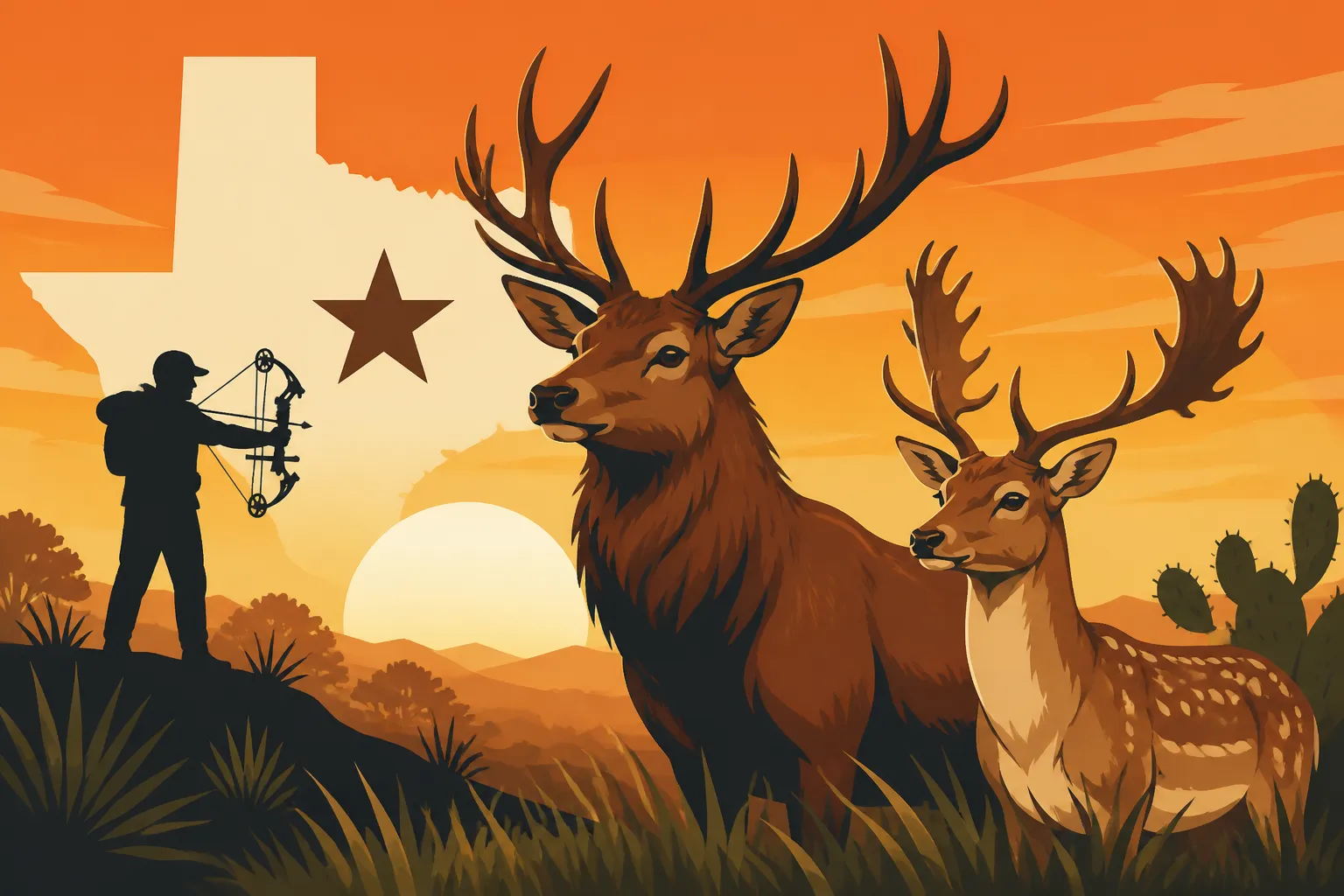
These magnificent deer, Cervus elaphus, are native to Europe, parts of Asia, and North Africa. They are one of the largest deer species, with mature stags typically weighing between 400 and 700 pounds, though some can exceed 800 pounds, especially on well-managed ranches here in Texas. What truly sets them apart, aside from their sheer size, is their awe-inspiring antlers. These antlers can grow to be massive, often featuring distinct points, known as tines, with a characteristic "crown" or "coronet" at the base where they meet the pedicle. A mature stag's antlers can boast anywhere from 12 to 20 or more points, sometimes earning the title of "royal" (12 points) or "imperial" (14 points or more).
Red Stags are also known for their vocalizations, particularly during the rut. The deep, guttural "roar" or "bugle" of a stag echoing across a Texas ranch is an iconic sound that transports you to wilder landscapes, even if you're just a few hours from a major city. Their coats are generally a reddish-brown, though they can vary, and they have a distinct pale rump patch. While they are a large animal, they are surprisingly agile and can be incredibly wary, making them a formidable quarry. Their adaptability to various environments, coupled with careful management by Texas ranchers, has allowed them to thrive here, offering hunters a taste of an Old World hunt without leaving the country.
Ideal Habitat and Distribution in Texas
While Red Stag are non-native, they've found a comfortable home in many parts of Texas, primarily on private high-fenced ranches. These ranches often feature diverse habitats that mimic their natural European environments, offering a mix of open grasslands for grazing, dense brush for cover and bedding, and rolling hills or oak motts. The Texas Hill Country, with its limestone hills, live oaks, and cedar thickets, provides excellent cover and forage. Similarly, parts of South Texas, with its vast ranches and dense brush, also host thriving Red Stag populations.
Landowners often manage these exotic herds carefully, ensuring adequate food, water, and genetic diversity. They understand that healthy animals with impressive antlers are what hunters are looking for. These are not typically free-range animals across Texas in the same way our native whitetails are, but rather managed populations within large tracts of private land. The controlled environment allows for consistent growth and quality, which contributes to the incredible trophy potential you often see in Texas.
Hunting Seasons and Regulations for Red Stag
One of the most appealing aspects of hunting exotic game like Red Stag in Texas is the lack of traditional state-regulated hunting seasons or bag limits. Because Red Stag are considered non-native, private landowners have the freedom to manage and harvest them year-round. This flexibility is a huge benefit for hunters, allowing them to schedule hunts outside of the typical whitetail season or to combine an exotic hunt with another planned trip.
While you can hunt them year-round, many hunters prefer to target Red Stag during their rut, which typically occurs in late September and October. This is when the stags are most active, vocal, and susceptible to calling, adding an incredible dimension to the hunt. The excitement of hearing a stag's bugle reverberating through the brush is an experience every hunter should have. Always remember that even without state-imposed seasons, you'll still need a valid Texas hunting license to pursue any animal, native or exotic, on private land.
Fallow Deer: Graceful Exotics of Texas
Fallow Deer are another stunning European import that has carved out a niche in the Texas hunting scene. Their unique appearance and elegant demeanor make them a highly sought-after trophy for many.
Origins and Unique Features of Fallow Deer
Hailing primarily from the Mediterranean region, including parts of Europe and Asia Minor, Fallow Deer (Dama dama) are characterized by their striking, often spotted coats and distinctive palmate antlers. While not as large as Red Stag, they are typically larger than our native whitetail deer, with bucks weighing between 150 to 220 pounds and does around 90 to 120 pounds. Their antlers, especially those of mature bucks (often called "bucks" or "palmers"), develop a broad, flattened, and shovel-like structure known as palmation, often with points along the back edge. This unique antler shape is instantly recognizable and highly prized.
Fallow Deer also come in a fascinating array of color phases, which adds to their appeal. The "common" phase is a reddish-brown coat with white spots in summer, fading to a plainer brown in winter. The "menil" phase is lighter brown with more pronounced white spots throughout the year. Then there are the "melanistic" (dark chocolate to black) and "white" phases, which are truly stunning and less common. These different color variations make each Fallow Deer hunt a truly unique experience. Like Red Stag, Fallow Deer also have a rutting period, though their vocalization is more of a deep "groan" rather than a bugle.
Preferred Environment and Texas Presence
Fallow Deer thrive in open woodlands, park-like settings, and areas with mixed deciduous and coniferous forests, along with plenty of grazing opportunities. In Texas, this translates to private ranches, particularly throughout the scenic Texas Hill Country and central parts of the state. These areas provide the ideal blend of browse, grasses, and cover that Fallow Deer prefer. Their adaptability to the Texas climate and vegetation has allowed them to establish healthy, self-sustaining populations on managed properties.
Ranchers often manage their Fallow Deer herds alongside other exotics, carefully monitoring population numbers and habitat impact. While Fallow Deer are resilient, responsible management ensures both the health of the herd and the quality of the hunting experience. Hunters will often find them in areas with ample shade and water, especially during the warmer months, making thoughtful scouting and stand placement crucial.
Hunting Fallow Deer: Seasons and Rules
Similar to Red Stag, Fallow Deer are classified as exotic animals in Texas, meaning they do not fall under the purview of state hunting seasons or bag limits. This means you can hunt Fallow Deer year-round on private property with a valid Texas hunting license. This flexibility is a huge draw for hunters looking for opportunities outside of general deer season, or those simply wishing to add a unique trophy to their collection at any time of year.
Their rut typically occurs in October and November, often overlapping with the peak of the whitetail rut in some areas. During this time, the bucks become highly active, displaying, sparring, and emitting their distinctive "groan" to attract does. Hunting during the rut can be incredibly exciting, as the bucks are more focused on breeding and less on potential threats, though they remain wary. It's a fantastic time to use calling techniques and take advantage of their heightened activity.
Tactical Approaches for Hunting Red Stag and Fallow Deer
Hunting exotics like Red Stag and Fallow Deer requires a thoughtful approach, combining elements of traditional deer hunting with an understanding of these animals' specific behaviors.
Spot-and-Stalk and Stand Hunting Strategies
Both Red Stag and Fallow Deer possess keen senses, making either a spot-and-stalk or stand hunting approach a rewarding challenge. Spot-and-stalk is particularly effective in more open, rolling terrain where you can use elevation changes and natural cover to your advantage. It demands patience, exceptional glassing skills with good binoculars, and the ability to move silently and deliberately. When you spot a stag or buck, carefully assess its movements, the wind direction, and potential avenues of approach. Remember, these animals can cover ground quickly, so a precise, well-executed stalk is paramount. If you're hunting in the thick South Texas brush, a good pair of Best Binoculars for South Texas Brush can make all the difference in picking out movement.
Stand hunting, whether from a ground blind, tripod, or box blind, is another excellent strategy, especially if you're hunting over known food sources, water holes, or natural travel corridors. Many ranches will have feeders or food plots that attract these animals, offering predictable patterns. Setting up a comfortable blind well in advance allows the animals to acclimate to its presence. Consider the prevailing winds and sun direction when placing your stand. For longer sits, especially in challenging Texas weather, options like a sturdy Box Blind vs Tripod vs Ground Blind in Texas can provide comfort and concealment. Always ensure your blind offers clear shooting lanes for a clean shot.
Understanding Rut Behavior and Calling
The rut is arguably the most exhilarating time to hunt Red Stag and Fallow Deer. For Red Stag, the "roar" or "bugle" is an unmistakable call that can carry for miles. Stags use these vocalizations to challenge rivals and attract hinds (females). Learning to mimic these calls can be highly effective, drawing in curious or aggressive stags. A good bugle tube and practice are essential. The best time to try calling is usually early morning or late evening when the air is still and the stags are most active.
Fallow Deer, while less boisterous than Red Stag, also have distinct rutting vocalizations – a deep, guttural "groan." Bucks will often set up "stands" or "scrapes" and groan repeatedly to mark their territory and attract does. Calling a Fallow buck can be a bit more subtle, often involving mimicking their groans or even using rattling antlers to simulate a fight, though rattling is generally more effective for whitetail. During these periods, patience in a well-placed blind or slow, deliberate still-hunting near known rutting areas can yield fantastic results. Always pay attention to wind direction, as these animals, especially during the rut, are still incredibly sensitive to human scent.
Shot Placement and Tracking
When hunting large exotics like Red Stag and Fallow Deer, understanding their anatomy for proper shot placement is critical for a humane kill. Both species have vital organs located similarly to native deer, but given their larger body mass and potentially thicker hides, you need to ensure sufficient bullet penetration. Aim for the classic "boiler room" – just behind the shoulder, in the lower third of the body. This targets the heart and lungs, leading to a quick and ethical harvest. Avoid shoulder shots unless you are using a heavy-hitting magnum caliber and understand the potential for extensive meat damage.
Tracking a wounded animal in Texas can be a significant challenge, especially in dense brush or rocky terrain. Even with a good shot, animals can run a surprising distance. Always watch and listen for signs after the shot – where the animal ran, how it reacted, and any sounds of a crash. Mark your last known spot meticulously before taking up the track. If the blood trail is sparse, or if it's getting dark, it's often best to back out and return in the morning with fresh eyes and perhaps a tracking dog. Quick action is vital for meat quality, especially in the often-hot Texas climate. Familiarize yourself with tips for Field Dressing & Processing Game in Texas Heat to ensure your hard-earned venison is preserved correctly.
Gear and Logistics for Exotic Hunts
Having the right gear and understanding the logistical aspects of an exotic hunt will greatly enhance your experience and increase your chances of success. Texas weather can be unpredictable, and these animals are formidable.
Recommended Firearms and Ammunition
For Red Stag, given their impressive size and resilience, a medium to large caliber rifle is highly recommended. Cartridges like the .270 Winchester, .30-06 Springfield, .308 Winchester, 7mm Rem Mag, and .300 Winchester Magnum are all excellent choices. The key is using a bullet with good sectional density and reliable expansion to ensure adequate penetration through thick muscle and bone to reach the vital organs. Premium hunting bullets, such as those from Nosler, Hornady, or Barnes, are a wise investment for these larger animals.
Fallow Deer, being smaller than Red Stag but larger than whitetails, can be effectively taken with many popular deer calibers. A .243 Winchester, 6.5 Creedmoor, .270 Winchester, or .30-06 Springfield will do the job beautifully. Again, choosing a well-constructed bullet designed for hunting is more important than simply opting for the largest caliber. Practice with your chosen rifle and ammunition to ensure you can place your shot accurately under field conditions. A reliable Best Rifle Scope for Texas Deer Hunting that holds zero and provides a clear sight picture is paramount.
Essential Optics and Accessories
High-quality optics are non-negotiable for hunting Red Stag and Fallow Deer. A good pair of binoculars, like a 10×42 or 12×50, will be your best friend for glassing vast expanses of Texas ranchland and spotting animals before they spot you. Consider models known for their clarity and low-light performance. A rangefinder is also crucial for accurate shot placement, especially on animals that can appear closer or further than they are in open country. Knowing the precise distance is vital for ethical shooting.
Beyond optics, a comfortable and durable pair of snake boots is essential, especially when traversing the Texas brush where rattlesnakes are common. Whether you opt for dedicated Best Snake Boots for Texas Hunting or quality snake gaiters over your regular boots, protection is key. A good hunting backpack to carry essentials like water, snacks, extra ammunition, and a first-aid kit is also important for extended hunts. Don't forget a sharp hunting knife for field dressing, and potentially a game cart for easier retrieval of larger animals, as they can be heavy to drag.
Choosing an Outfitter or Lease
For most hunters, pursuing Red Stag and Fallow Deer in Texas will involve booking a hunt with a reputable outfitter or securing access to a private lease that manages these exotics. When choosing an outfitter, do your homework. Look for operations with a strong track record, positive reviews, and transparency about their pricing and what's included (guide services, lodging, meals, trophy fees). Ask about their success rates, the size of animals typically harvested, and their ethical hunting practices. Many outfitters offer everything from day hunts to multi-day, all-inclusive packages.
If you're considering a longer-term arrangement, finding a hunting lease that includes exotics can be a great option. While securing a lease with specific exotic species might be more challenging than a standard whitetail lease, they do exist. Understand the terms of the lease, including any specific rules regarding exotic harvests, and ensure clear communication with the landowner or lease manager. A comprehensive guide like Hunting Leases in Texas: Complete Guide (Cost & How to Find) can help you navigate this process. Regardless of your choice, clear communication about expectations and what's included is key to a positive experience. You might also explore a broader guide on Exotic Hunting in Texas: Axis, Aoudad, Blackbuck & More to compare different options.
Conservation and Ethical Considerations
Hunting exotic game in Texas comes with its own set of responsibilities, both ethical and ecological. Understanding these nuances is part of being a well-rounded and responsible hunter.
The Role of Exotics in Texas Ranching
The presence of exotic game, including Red Stag and Fallow Deer, on private ranches in Texas represents a unique conservation and economic model. Since these species are not native, their populations are not managed by the Texas Parks and Wildlife Department in the same way native species like whitetail deer or turkey are. Instead, they are considered private property, and landowners manage them as part of their livestock or wildlife operations. This creates a powerful incentive for conservation.
Ranchers invest heavily in habitat improvement, supplemental feeding, and strict population management to ensure healthy, thriving herds. The revenue generated from exotic hunting allows landowners to maintain and improve vast tracts of land, which often benefits native species as well. This "conservation through commerce" model ensures that these animals have a protected environment to flourish, providing both ecological benefits and economic sustainability for many Texas ranches.
Ethical Hunting Practices
Regardless of whether you are pursuing native whitetail or a non-native Red Stag, ethical hunting practices remain paramount. This means striving for a quick, humane kill with every shot. Understanding the animal's anatomy, practicing your shot placement, and knowing your effective range are crucial. It also means showing respect for the animal, even after the harvest.
On many high-fenced ranches where most exotic hunting occurs, the concept of "fair chase" might be interpreted differently than in traditional free-range hunting. However, reputable outfitters and landowners still emphasize challenging hunts where the animal has a distinct advantage due to its keen senses, natural instincts, and vast habitat. It's about respecting the challenge and the animal, not just the taking of a trophy. Always adhere to the specific rules and guidelines set forth by the ranch or outfitter you are hunting with, as these are designed to ensure both safety and ethical conduct.
Processing and Utilizing Your Harvest
After a successful hunt, the responsibility shifts to properly processing and utilizing your harvest. Given the often-warm Texas climate, prompt field dressing and cooling are critical to preserving the quality of the meat. Large animals like Red Stag will require significant effort, but it's well worth it. Ensuring the animal is gutted quickly, and then transported to a cooler or processing facility promptly, will result in superior venison. You can find more detailed instructions in guides like How to Cool a Deer Fast in Texas Heat.
Both Red Stag and Fallow Deer offer excellent table fare. Their venison is lean, flavorful, and incredibly versatile in the kitchen. While some argue that Is Axis Venison the Best Wild Game Meat?, Red Stag and Fallow Deer venison are highly regarded by chefs and hunters alike for their mild taste and tender texture. Beyond the meat, proper caping and care of the hide and antlers are important if you plan on taxidermy. Many outfitters offer assistance with this initial preparation, ensuring your trophy is preserved for a lifetime of memories.
Red Stag vs. Fallow Deer Comparison Table
To help differentiate between these two magnificent exotic species you might encounter in Texas, here's a quick comparison:
| Feature | Red Stag (Cervus elaphus) | Fallow Deer (Dama dama) |
|---|---|---|
| Origin | Europe, Asia, North Africa | Mediterranean, Europe, Asia Minor |
| Size (Buck) | Large (400-800+ lbs) | Medium (150-220 lbs) |
| Antler Type | Round, multi-tined, often with a "crown" | Palmate (flattened, shovel-like) with points |
| Coat Color | Reddish-brown (can vary), pale rump patch | Spotted (common, menil) or solid (melanistic, white) |
| Rut Vocalization | Loud, guttural "roar" or "bugle" | Deep, resonant "groan" |
| Rut Period | Late September – October | October – November |
| Typical Habitat | Open woodlands, brush, hills | Open woodlands, park-like areas, grazing |
| Texas Presence | Primarily high-fence ranches (Hill Country, South Texas) | Primarily high-fence ranches (Hill Country, Central Texas) |
Disclaimer
Please remember that hunting regulations, seasons, and requirements can change. Always consult the most current Texas Parks and Wildlife Department Outdoor Annual or website for the official and up-to-date information before planning any hunt. This guide is for informational purposes only and should not be considered a substitute for official regulations.