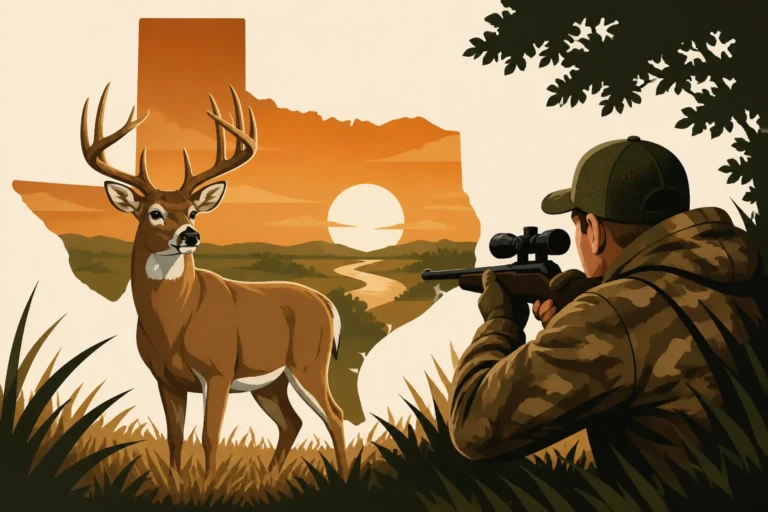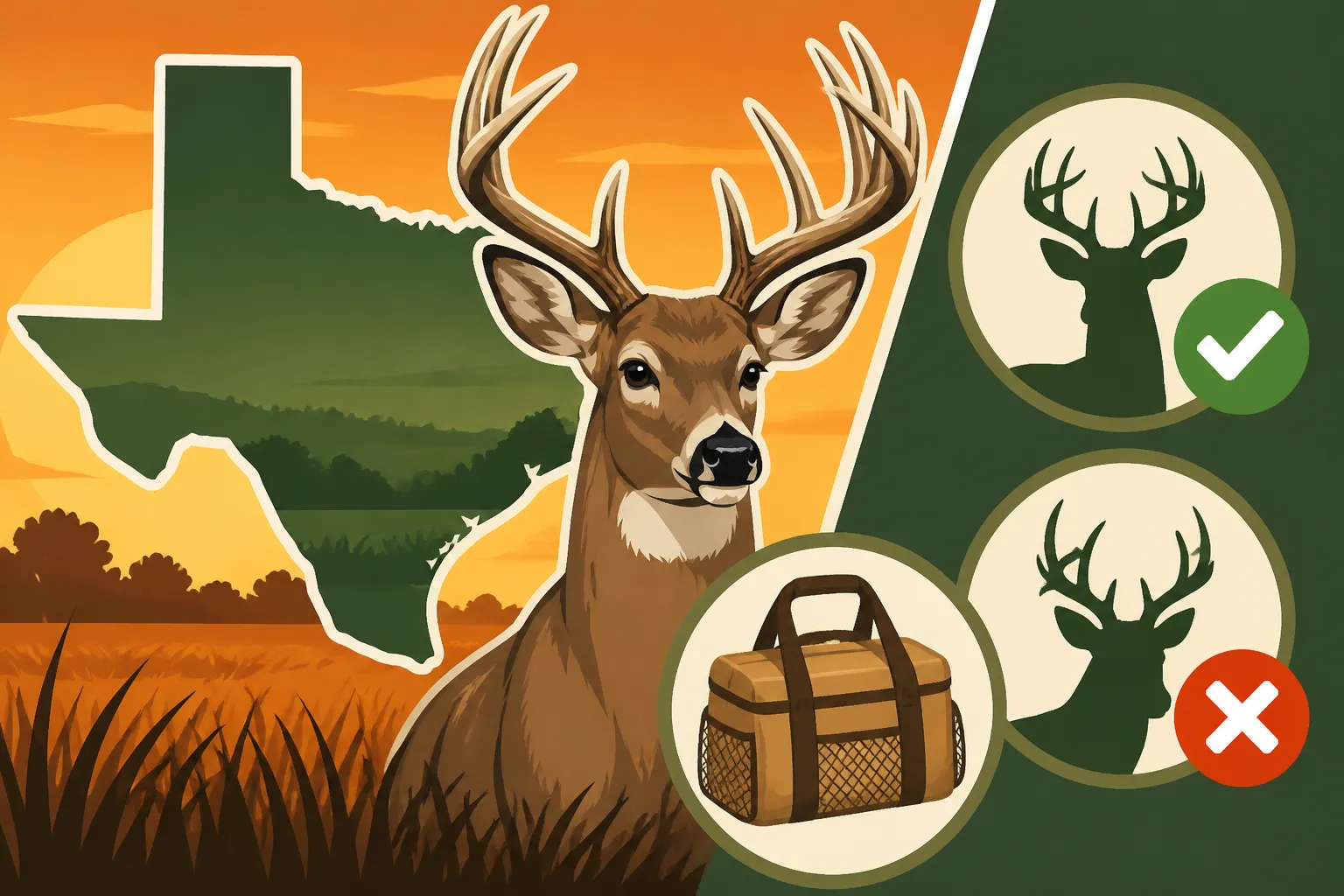
Texas Whitetail Bag Limit & Buck Rules
Navigating the complex world of Texas whitetail deer hunting regulations can feel like trying to solve a Rubik's Cube in the dark. With different zones, counties, and ever-evolving rules, many hunters find themselves scratching their heads when it comes to understanding bag limits and buck restrictions. This comprehensive guide will demystify the rules, helping you hunt confidently and legally in the Lone Star State.
Navigating the Texas Whitetail Bag Limit
Texas is a vast state, and with that comes a diverse landscape and a wide array of deer populations. It's no surprise, then, that the regulations regarding white-tailed deer can vary significantly from one region to another. This variability is designed to manage local populations effectively, ensuring healthy herds for generations to come.
Statewide Regulations and General Limits
At a fundamental level, Texas Parks and Wildlife Department (TPWD) sets general statewide guidelines for white-tailed deer hunting. These serve as a baseline before county-specific rules kick in. Generally, the statewide bag limit for white-tailed deer is fairly generous, often allowing for multiple deer per season. However, this isn't a free-for-all; there are always stipulations on the number of bucks versus antlerless deer you can harvest, and these are often tied to the specific county you're hunting in.
For most of the state, the general rule is a total of four white-tailed deer per season. Within that total, there's usually a cap on the number of bucks you can take. Typically, hunters are limited to two bucks per season, but this can drop to a single buck in certain areas. It's really crucial to consult the Outdoor Annual every single year because these rules, especially those for specific counties, can and do change. For a deeper dive into the overall season dates, make sure to check out the official information on Texas Deer Season 2026-2027: Dates by Zone.
Understanding Annual Bag and Daily Limits
While the annual bag limit is what most hunters focus on, it's also important to be aware of any daily limits, though these are less common for whitetail deer compared to migratory birds. For white-tailed deer, the annual bag limit is the overarching concern. For example, if your county has a four-deer annual limit with no more than two bucks, you're expected to stick to that. There isn't typically a "daily bag limit" for deer, meaning you could theoretically harvest your season limit over a few consecutive days if you're lucky enough, provided you properly tag and report each animal.
The allocation of tags on your hunting license plays a direct role in your personal bag limit. When you purchase your Texas hunting license, you'll receive a set number of tags, which dictate How Many Deer Tags Do You Get in Texas?. These tags correspond to bucks and antlerless deer, and they are your physical representation of your legal right to harvest. Each time you take a deer, you must immediately fill out, cut, and attach the appropriate tag to the animal. This system is designed for accountability and to help TPWD monitor harvest numbers.
Special Provisions: Antlerless Deer Permits and Doe Days
Beyond the standard tags on your hunting license, there are often additional opportunities to harvest antlerless deer, commonly referred to as "doe days" or through specific antlerless deer permits. These provisions are put in place by TPWD to manage herd populations, especially in areas where doe numbers are high and need to be reduced to maintain a healthy buck-to-doe ratio and prevent overbrowsing.
"Doe days" are specific periods, usually a few days or weeks, typically occurring at the end of the general deer season in certain counties. During these designated times, hunters can harvest antlerless deer without needing an antlerless deer permit, using a regular antlerless tag from their license. However, in many counties, particularly those with Managed Lands Deer Program (MLDP) permits or more intensive management, hunters often rely on specific antlerless permits issued to landowners. These permits allow for a more precise management of doe harvest on private lands. It's always best to check the local regulations for your hunting area to see if "doe days" apply or if you need to secure specific antlerless tags from the landowner or directly from TPWD.
Decoding Texas Antler Restrictions
Perhaps the most talked-about and often debated aspect of Texas whitetail hunting regulations is the system of antler restrictions. Designed to allow younger bucks to mature, these rules are a cornerstone of modern deer management in much of the state. However, they can be a source of confusion and frustration for hunters trying to make a quick decision in the field.
The Infamous 13-Inch Rule and Its Logic
The "13-inch rule" is the most widely known antler restriction in Texas. It generally states that a legal buck must have at least one unbranched antler, or an inside spread of 13 inches or greater. This rule primarily applies to the North and South Texas deer zones, covering a vast portion of the state's prime whitetail habitat. The core logic behind this rule is simple yet powerful: it protects yearling bucks, which typically have smaller racks, allowing them to survive another year, develop larger antlers, and contribute to the breeding cycle.
Before the 13-inch rule, many young bucks were harvested, leading to an imbalance in age structure and smaller average antler sizes across the state. By giving these young bucks a pass, the rule aims to increase the number of mature bucks in the population, leading to better genetics, healthier herds, and ultimately, more impressive trophies for hunters down the line. It's a long-term management strategy that has shown significant success in many areas, but it does require hunters to be diligent in their field judging. To understand which counties are under this rule, you'll want to review Texas Antler Restrictions: 13-Inch Rule & Counties.
Identifying Legal Bucks: The "Outside Spread" and "Unbranched Antler" Clause
Understanding the nuances of the 13-inch rule is critical to avoid violations. The rule isn't just about the spread; it's a two-part test:
- Inside Spread of 13 Inches or Greater: This is measured from the tip of one main beam to the tip of the other, on the inside of the antlers. If a buck's antlers are 13 inches or wider, he's legal, regardless of unbranched points.
- At Least One Unbranched Antler: If a buck's inside spread is less than 13 inches, he must have at least one main beam that is completely unbranched (a spike). This part of the rule ensures that smaller-racked, younger bucks are protected unless they possess a very specific antler configuration, which often indicates an older animal that has regressed.
It's a common misconception that all spikes are legal, or that any buck with a 13-inch spread is legal. Both parts of the rule must be considered. For instance, a buck with a 12-inch spread and two forked antlers would be illegal in a 13-inch rule county. Conversely, a buck with a 10-inch spread and a single spike on one side would be legal because he has at least one unbranched antler. This makes proper field judging essential, especially when adrenaline is pumping. If you're struggling with this, there's a helpful guide on How to Field Judge a 13-Inch Buck.
Counties Exempt from Antler Restrictions
While the 13-inch rule is prevalent, it's not universal. There are a number of counties across Texas that are exempt from antler restrictions altogether. These typically include counties in the Trans-Pecos region, parts of the Panhandle, and some East Texas counties. In these areas, the legal buck definition is much simpler: any buck with a hardened antler, regardless of size or number of points, is generally considered legal.
The reasons for these exemptions vary. In some cases, like the Trans-Pecos, mule deer are the primary species, and their antler growth patterns differ. In other areas, such as specific counties in East Texas, local deer populations might have different biological characteristics or management goals that make antler restrictions less suitable or necessary. It's absolutely vital to confirm whether your specific hunting county falls under antler restrictions or is exempt. Failure to do so could result in a costly citation, even if you thought you were following the rules. Always double-check the current Outdoor Annual for the specific county you plan to hunt in before heading out.
Regional Differences in Whitetail Regulations
Texas is divided into several ecological regions, and these regions often have distinct deer populations, habitats, and, consequently, different hunting regulations. What's legal in South Texas might be a violation in the Panhandle, making it imperative for hunters to understand these regional distinctions.
North Texas vs. South Texas Deer Zones
The distinction between North and South Texas deer zones is one of the most critical to understand when it comes to whitetail regulations. These zones are vast and encompass numerous counties, each with specific nuances. Generally, both North and South Texas zones are subject to the 13-inch antler restriction rule, but the timing of the seasons and other small details can differ.
The North Zone typically has a slightly earlier general season opener, often in late October or early November, while the South Zone might open a bit later. These differences are designed to align with the regional rut cycles and allow for proper management. Hunters in both zones will also find variations in specific county bag limits for antlerless deer, often influenced by population densities and habitat conditions. For a comprehensive breakdown, reviewing Texas Deer Zones: North vs South Explained is highly recommended. The legendary South Texas Trophy Whitetail: Brush Country Bucks are often managed under these strict antler regulations.
Hill Country and East Texas Specifics
The Texas Hill Country, known for its high deer densities, and the Pineywoods region of East Texas, with its unique forest habitat, also have their own sets of regulations that hunters need to be aware of.
In the Hill Country, deer populations are often very high, leading to a focus on antlerless harvest to maintain herd health. Many Hill Country counties fall under the 13-inch antler restriction, but you'll often find extended "doe days" or a greater reliance on MLDP antlerless permits to help manage the overall numbers. The sheer volume of deer can make field judging tricky here, but the management strategies are crucial for preventing overpopulation and habitat degradation. If you're heading to this beautiful region, learning more about Hill Country Deer Hunting in Texas will be invaluable.
East Texas, particularly the Pineywoods, can present a different scenario. Some counties here are entirely exempt from antler restrictions, allowing hunters to harvest any buck with a hardened antler. This is often due to different habitat types, smaller-bodied deer, and different population dynamics. However, in other East Texas counties, the 13-inch rule does apply. It is absolutely paramount to consult the Outdoor Annual for the specific county in East Texas you plan to hunt to ensure you understand the local regulations. Don't assume anything based on general regional rules.
Panhandle and Trans-Pecos Whitetail Rules
Moving out to the more arid and open landscapes of the Texas Panhandle and Trans-Pecos regions, the white-tailed deer regulations again shift. These areas are also known for mule deer, which introduces another layer of complexity.
In many counties within the Panhandle and Trans-Pecos, white-tailed deer are not subject to antler restrictions. This means any buck with a hardened antler is typically fair game. The bag limits also tend to be lower for whitetail deer in these regions compared to the denser populations of Central and South Texas, often limited to one or two bucks total, and perhaps one antlerless deer. This is because whitetail populations here are generally less dense and are often found in more localized pockets, requiring a different management approach. It's also important to differentiate between whitetail and mule deer, as each has its own season dates and bag limits.
The Trans-Pecos region, in particular, is unique. While it's primarily known for mule deer, there are whitetail populations in certain river bottoms and mountain ranges. Here, hunters must be especially careful to identify their target species correctly, as mule deer and whitetail regulations can vary significantly. Always check the Texas Parks and Wildlife Department Outdoor Annual for the most current and specific regulations for the precise county and species you intend to hunt.
Common Frustrations and How to Stay Compliant
Even seasoned hunters can get tripped up by Texas whitetail regulations. The sheer volume of information and the on-the-spot decisions required in the field can lead to honest mistakes. Understanding common pitfalls and knowing how to access accurate information is key to staying compliant.
Field Judging Challenges and Mistakes
The 13-inch antler restriction, while beneficial for herd management, undeniably creates a challenge for hunters in the field. Judging a buck's inside spread accurately, especially at a distance, in low light, or when the deer is moving, is incredibly difficult. Many hunters have faced the agonizing decision of letting a buck walk because they weren't 100% sure if its spread met the requirement.
Common field judging mistakes include:
- Estimating spread based on ear width: A deer's ears in alert position are generally about 13-14 inches wide from tip to tip. This can be a useful reference, but it's not foolproof. Some deer have wider ears, some narrower. Also, the position of the ears (forward, back, flared) changes the apparent width.
- Misjudging unbranched antlers: Sometimes a small kicker or drop tine can be mistaken for an unbranched point, or vice versa. The rule specifies "unbranched antler," meaning the main beam itself.
- Rushing the shot: Adrenaline is a powerful thing. In the excitement of seeing a buck, it's easy to pull the trigger before taking enough time to properly evaluate its antlers. This is where patience and self-control are paramount. If there's any doubt, it's always best to let the buck walk. You can find more specific advice on Is My Buck Legal Under Texas Antler Restrictions?.
Utilizing Resources: TPWD Outdoor Annual and Apps
The absolute best defense against unintentional violations is proactive education. The Texas Parks and Wildlife Department (TPWD) provides a wealth of resources that every hunter should consult before and during the season.
The Outdoor Annual is your bible. This document, available both in print and online, details all hunting and fishing regulations for the entire state, broken down by species and county. You should read it cover to cover, paying particular attention to the sections pertaining to white-tailed deer in your specific hunting county. It's updated annually, so don't rely on last year's copy! For tips on how to effectively navigate this crucial document, check out How to Read the Texas Outdoor Annual.
Beyond the annual, TPWD offers a mobile app that allows you to access the regulations on your phone, even offline. Additionally, apps like onX Hunt or HuntStand provide property boundaries, topographical maps, and often overlay public land information, which can be invaluable. However, for regulatory specifics, always default to the official TPWD sources. Many landowners and hunt leases also provide specific guidelines, especially those participating in programs like MLDP.
The Importance of Harvest Reporting
Harvest reporting isn't just a bureaucratic formality; it's a critical component of wildlife management. When you harvest a deer in Texas, you are legally required to immediately tag it with a tag from your hunting license. After that, you must report the harvest through the My Texas Hunt Harvest app or website.
This data is crucial for TPWD biologists to assess deer populations, harvest rates, and the effectiveness of current regulations, including antler restrictions. Without accurate harvest data, it's much harder for the state to make informed decisions about bag limits, season dates, and other management strategies that ultimately benefit hunters and the deer herd. Failure to tag and report your harvest can result in fines and loss of hunting privileges. Understanding Texas Hunting Tags & Harvest Reporting (My Texas Hunt Harvest) is a responsibility every hunter should take seriously.
Here's a quick summary table of how antler restrictions typically apply across different regions:
| Region/Zone | Antler Restrictions (Bucks) | General Bag Limit (Whitetail) | Common Antlerless Provisions | Notes |
|---|---|---|---|---|
| North Texas | 13-inch inside spread or one unbranched antler | 4 deer (max 2 bucks) | Doe days & MLDP permits | Earlier season opener than South Zone |
| South Texas | 13-inch inside spread or one unbranched antler | 4 deer (max 2 bucks) | Doe days & MLDP permits | Later season opener than North Zone |
| Hill Country | Mostly 13-inch inside spread or one unbranched antler | 4 deer (max 2 bucks) | Extensive doe days & MLDP permits | Very high deer densities |
| East Texas (select) | Varies; some counties exempt, some 13-inch rule applies | Varies (e.g., 2-4 deer) | Doe days & MLDP permits | Check specific county in Outdoor Annual |
| Panhandle/Trans-Pecos | Generally no antler restrictions (any hardened antler is legal) | 2-4 deer (often 1-2 bucks) | Limited antlerless harvest | Lower whitetail density; mule deer present |
The Impact of Regulations on Deer Management
The intricate web of bag limits and buck rules in Texas isn't just about controlling hunter harvest; it's a carefully crafted strategy aimed at long-term deer management and conservation. These regulations play a vital role in shaping the health, age structure, and genetic quality of the state's vast white-tailed deer population.
Promoting Mature Bucks and Herd Health
The primary goal of antler restrictions, particularly the 13-inch rule, is to allow younger bucks (typically 1.5 and 2.5-year-olds) to survive and mature. Before these rules were widely implemented, a high percentage of young bucks were harvested, leading to an unbalanced age structure in the herd. This meant fewer older, larger-antlered bucks were available for breeding and hunting.
By protecting these younger animals, the regulations encourage a healthier age distribution. More mature bucks means a more natural breeding dynamic, as older bucks are more dominant breeders, which can lead to stronger genetics being passed on. This also improves the overall health of the herd by ensuring a better buck-to-doe ratio, which reduces stress on does and ensures more efficient breeding cycles. The results are often visible: hunters in areas with antler restrictions report seeing more mature bucks and an increase in the average antler size over time. This is also a core aspect of what programs like MLDP Tags in Texas: How They Work aim to achieve.
Balancing Hunter Opportunity and Conservation Goals
The challenge for wildlife managers is always to strike a delicate balance between providing ample hunting opportunities and achieving critical conservation goals. Texas has a massive hunting economy, and satisfying the desires of hunters while maintaining healthy wildlife populations is a continuous balancing act.
Bag limits and doe days are crucial tools in this balance. In areas with high deer populations, allowing for a greater antlerless harvest helps to control numbers, prevent overbrowsing of habitat, and ensure that the remaining deer have adequate food and resources. This, in turn, can lead to healthier, larger deer overall. Conversely, in areas where deer populations are lower, more conservative bag limits are put in place to allow the herd to grow. These regulations are not arbitrary; they are based on extensive biological surveys, population counts, and habitat assessments conducted by TPWD biologists throughout the state. It's about ensuring a sustainable future for hunting in Texas.
Evolution of Texas Deer Regulations
Texas deer regulations are not static; they evolve over time as new scientific data emerges, environmental conditions change, and management goals are refined. What was legal 20 years ago might not be legal today, and what's legal now might change in the future.
For example, the widespread implementation of antler restrictions was a significant shift in Texas deer management. Initially met with some skepticism by hunters, it has largely been embraced as its positive impacts became evident. Similarly, as Chronic Wasting Disease (CWD) continues to be a concern, regulations regarding carcass movement and mandatory testing in certain zones have been introduced. These changes, while sometimes inconvenient, are vital for protecting the long-term health of the deer herd. Staying informed by reviewing the annual Outdoor Annual and keeping up with TPWD news is the best way to understand these evolutions and ensure you're always hunting legally and ethically. The continuous adjustments demonstrate a commitment to adaptive management, ensuring that Texas remains a premier destination for White-Tailed Deer Hunting in Texas: Complete Guide.
Disclaimer
The information provided in this guide is for general informational purposes only and is not a substitute for the official Texas Parks and Wildlife Department (TPWD) regulations. Hunting laws and regulations can change frequently. Always consult the most current TPWD Outdoor Annual or visit their official website before participating in any hunting activities to ensure full compliance with all applicable laws.