Texas Duck Bag Limit & Species Rules
Navigating the ever-changing landscape of Texas duck hunting regulations can feel like trying to hit a teal flying at warp speed – fast, confusing, and easy to miss a critical detail. Many of us have stood in the blind, scratching our heads over the nuanced bag limits, wondering if that last bird was legal. This guide is here to clear the waters, breaking down the specific bag limits and species rules so you can hunt confidently and stay on the right side of the law.
Understanding Texas's Duck Hunting Zones and Seasons
Before you even think about how many ducks you can bag, it's absolutely crucial to understand that Texas isn't a "one-size-fits-all" state when it comes to migratory bird seasons. Our vast geography means different areas have different hunting dates, and these zones directly impact when you can hunt and what species might be prevalent. Missing this fundamental concept can lead to costly mistakes or, worse, unintended violations.
High Plains Mallard Management Unit Specifics
The Texas Parks and Wildlife Department (TPWD) divides our state into specific duck hunting zones, and one of the most unique is the High Plains Mallard Management Unit (HPMMU). This zone primarily covers the Panhandle and a portion of West Texas, an area known for its strong connection to the Central Flyway migration. Due to its colder climate and distinct migration patterns, hunters in this unit often experience different season dates and sometimes even slightly different rules compared to other parts of the state. If you plan on hunting in the Panhandle, for instance, it's vital to specifically check the HPMMU dates in the annual Outdoor Annual to avoid any surprises. This zone is specifically tailored to manage the mallard population, which makes it an exceptional destination for those hoping to target greenheads.
North and South Zone Distinctions for Waterfowl
Beyond the High Plains, Texas is further split into North and South Duck Zones. The dividing line often follows major highways and county lines, so it’s critical to know exactly which zone your chosen hunting spot falls into. Typically, the North Zone's season opens and closes earlier than the South Zone's. This staggered approach helps manage hunter pressure and aligns with the migratory paths of different duck species as they move through the state. For example, early season pushes of pintails and wigeons might be more accessible in the North Zone, while later-migrating birds, including more divers, could be more plentiful further south. Always consult the official TPWD calendar, which outlines the exact dates for Texas Duck & Waterfowl Season 2026: Zones. Whether you’re setting up decoys in a rice field near Beaumont or a stock tank in the Hill Country, knowing your zone is the first step to a legal and successful hunt. It’s also important to be aware of the special "September Teal Season Dates in Texas" that occur before the regular duck season kicks off, offering an exciting opportunity to target blue-winged and green-winged teal.
Deciphering Daily Bag and Possession Limits by Species
Once you're clear on the seasons and zones, the next big hurdle is understanding the daily bag and possession limits. This is where many hunters, even seasoned ones, can get tripped up. It's not just about the total number of ducks you can shoot; it’s about which ducks, and how many of each species, are allowed in your bag. These regulations are designed to protect specific species that might be facing population challenges, ensuring sustainable hunting for future generations.
Common Duck Species and Their Daily Limits
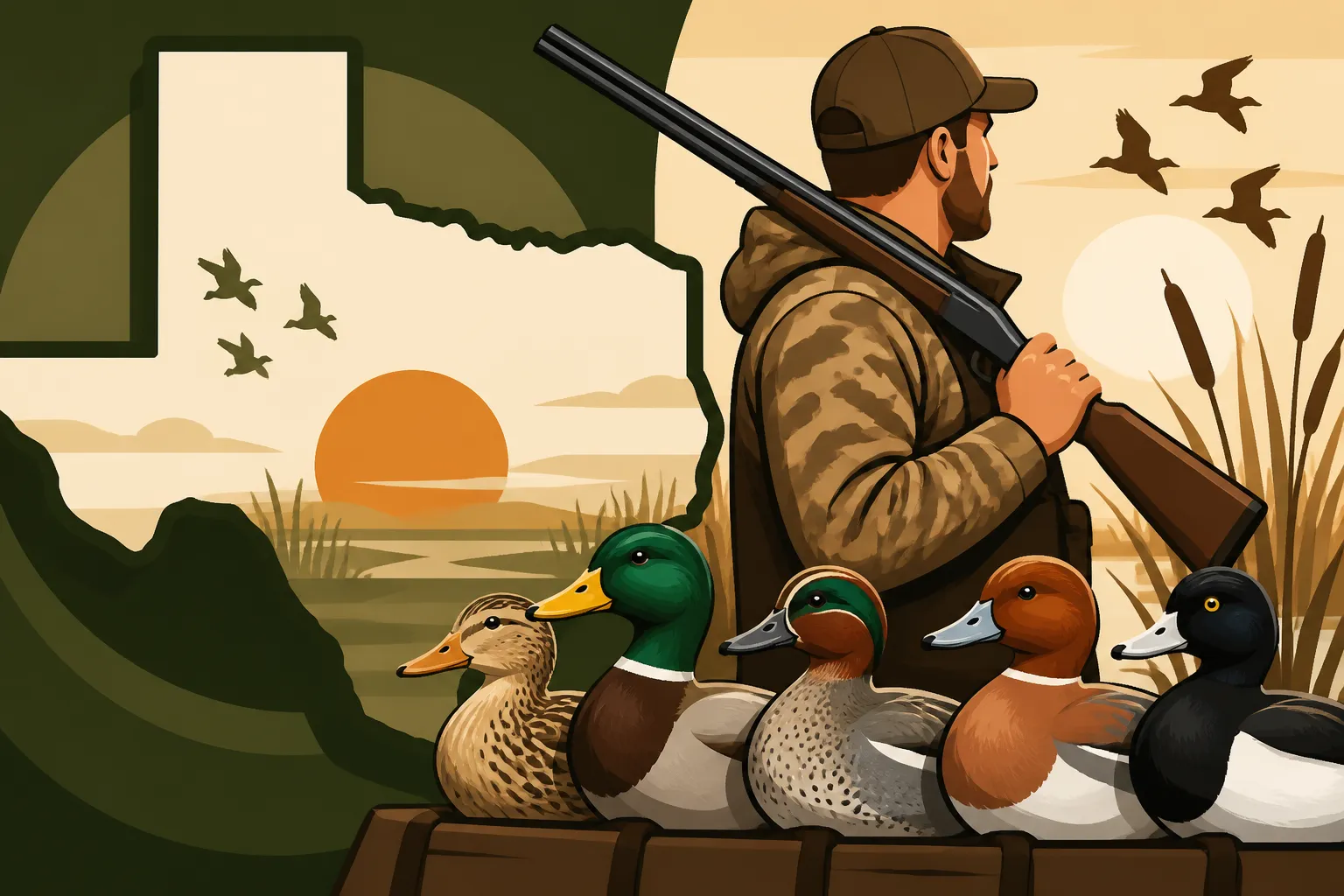
The daily bag limit for ducks in Texas is generally 5 or 6 birds, but this total is actually a composite of specific limits for different species. You can't just shoot six mallards, for instance. Each species has its own restrictions. Let's break down some of the most common ducks you'll encounter and their typical limits:
- Mallards: Usually a limit of 2, with only 1 being a hen. This is a critical rule to remember as hen mallards are often confused with other species.
- Pintails: Historically, pintails have seen tight restrictions, often just 1 bird per day. Their populations fluctuate, and regulations are quick to respond.
- Redheads: If you're hunting along the coast or in certain freshwater lakes, redheads are a prized bird. Their limit is typically 2.
- Canvasbacks: Often limited to 1 per day, these beautiful birds are highly sought after.
- Wood Ducks: Another popular species, often with a limit of 2. Their unique flight pattern and habitat preferences make them a favorite.
- Mottled Ducks: Primarily found along the Texas Gulf Coast, their limit is often 1.
- Scaup (Bluebills): The limit for scaup can vary significantly depending on population assessments, sometimes 1 or 2, sometimes more, especially during later parts of the season. Always double-check.
- Black Ducks, Fulvous Whistling Ducks, White-faced Whistling Ducks: Limits for these can be very restrictive, often 1 or 2 per day, or combined with other species.
- Gadwalls, Wigeons, Shovelers, Green-winged Teal, Blue-winged Teal: These are often considered "aggregate" birds, meaning you can typically take more of them, provided you don't exceed the overall daily bag limit and any specific species caps. For example, if the general limit is 5, and mallards are 2 (1 hen), pintail 1, and redhead 2, you might fill the remaining slots with gadwall or wigeon.
It's a lot to keep track of, especially when ducks are pitching into your spread at first light. That's where resources like the GoHunt app or the TPWD Outdoor Annual become invaluable. Many hunters find it helpful to print out a quick reference card to keep in their blind bag. These rules can be complex, and there are sometimes special splits within seasons, so always make sure you're looking at the most current information. The article on Texas Duck & Waterfowl Season 2026: Zones provides a great overview to start with.
The Possession Limit Rule Explained
Beyond the daily bag limit, there's also the possession limit. This rule governs the total number of migratory game birds you can have in your possession at any time, whether that's at your home, camp, or in transit. For most duck species in Texas, the possession limit is three times the daily bag limit.
Let's say the daily bag limit for mallards is 2, with only 1 hen. If you hunt for two days and shoot your limit of 2 mallards each day (total of 4 mallards, 2 hens and 2 drakes), you could still hunt on the third day and shoot 2 more, bringing your total to 6 mallards in possession. But once you have 6 mallards in your cooler, you cannot legally shoot any more until you've consumed or processed some of them. This applies to all species. If the daily limit for pintails is 1, then your possession limit is 3.
The possession limit is designed to prevent stockpiling and to ensure hunters are not exceeding sustainable harvest levels over multiple days. It’s particularly important to remember this when you're on multi-day hunting trips or if you process and freeze your birds. Keep clear records, or better yet, plan your hunts and processing around these limits. The GoHunt platform can also be a useful tool for keeping track of regulations on the go, helping ensure you stay compliant throughout your season.
Here’s a simplified table for some common duck species and their typical daily and possession limits in Texas:
| Species | Daily Bag Limit (Typical) | Possession Limit (Typical) | Notes |
|---|---|---|---|
| Mallard | 2 (max 1 hen) | 6 (max 3 hens) | Very popular, strict hen limit. |
| Pintail | 1 | 3 | Often tightly restricted due to population status. |
| Redhead | 2 | 6 | Common along the coast. |
| Canvasback | 1 | 3 | Highly prized diver. |
| Wood Duck | 2 | 6 | Beautiful and often found in timbered areas. |
| Mottled Duck | 1 | 3 | Primarily Gulf Coast resident species. |
| Scaup (Bluebill) | 1-2 (variable) | 3-6 (variable) | Limit can change mid-season; check current regs. |
| Black Duck | 1 | 3 | Rare in Texas, usually restricted. |
| Gadwall | Part of overall limit | 3x overall limit | Aggregate species, generally more liberal. |
| American Wigeon | Part of overall limit | 3x overall limit | Aggregate species, generally more liberal. |
| Green-winged Teal | Part of overall limit | 3x overall limit | Aggregate species, important for September Teal Season. |
| Blue-winged Teal | Part of overall limit | 3x overall limit | Aggregate species, important for September Teal Season. |
| Northern Shoveler | Part of overall limit | 3x overall limit | Aggregate species, distinctive bill. |
| Fulvous Whistling Duck | Part of overall limit | 3x overall limit | Distinctive, often found with White-faced Whistling Ducks. |
| White-faced Whistling D. | Part of overall limit | 3x overall limit | Distinctive, often found with Fulvous Whistling Ducks. |
| Overall Duck Limit | 5-6 (aggregate) | 15-18 (aggregate) | Max total birds, subject to individual species limits within this total. |
Note: This table provides typical limits. ALWAYS consult the current Texas Parks and Wildlife Department Outdoor Annual for the most up-to-date and specific regulations for your hunting season and zone.
Essential Regulations Beyond Bag Limits
While daily and possession limits are paramount, there are other crucial regulations that every Texas duck hunter must adhere to. These rules cover everything from the types of ammunition you can use to the necessary licenses and stamps required before you even step into a blind. Ignorance of these laws is no excuse, and violations can carry hefty fines and penalties.
Licenses, Stamps, and Certifications
To legally hunt ducks in Texas, you'll need more than just a general hunting license. Migratory bird hunting requires several specific endorsements and stamps, reflecting both state and federal requirements.
First, you'll need a valid Texas Hunting License: Cost, Types & How to Buy (2026). For most residents, the Super Combo license is the easiest and most comprehensive option, covering general hunting and fishing along with required endorsements. Non-residents will need a specific non-resident hunting license.
Beyond the basic license, every migratory bird hunter in Texas must purchase a Texas Migratory Game Bird Endorsement. This state-specific endorsement is crucial and supports waterfowl management efforts within Texas.
Next, and equally important, is the Federal Duck Stamp. This stamp, often referred to simply as a "duck stamp," is a federal requirement for all waterfowl hunters aged 16 and older. It's a physical stamp you sign across the face and carry with you, though an electronic receipt is valid for 45 days. The revenue from Federal Duck Stamps goes directly to conserving wetlands and purchasing habitat for the National Wildlife Refuge System, benefiting countless species beyond ducks. The question "Do You Need a Federal Duck Stamp in Texas?" is a common one, and the answer is a resounding yes for anyone over 16.
Finally, all migratory bird hunters (including those hunting doves, geese, and sandhill cranes) must be Harvest Information Program (HIP) certified. This certification is free and simply involves answering a few questions about your previous year's hunting success. The data collected from HIP helps wildlife agencies track harvest trends and manage migratory bird populations effectively. You can easily get HIP certified when you purchase your license. Remember, having your Texas Migratory Bird Endorsement & HIP Certification in order is non-negotiable.
Legal Hunting Methods and Shooting Hours
Texas has clear rules about how you can legally hunt ducks. For starters, you are generally only allowed to hunt from one-half hour before sunrise to sunset. This is a federal standard for migratory birds, and sticking to these specific shooting hours is critical for ethical hunting and avoiding sky-busting.
When it comes to ammunition, it is illegal to use lead shot for hunting ducks, geese, or any other waterfowl in Texas. You must use federally approved non-toxic shot, which includes steel, bismuth, and various tungsten alloys. This rule has been in place for decades to prevent lead poisoning in waterfowl, and compliance is strictly enforced. Make sure your shells are clearly marked as "non-toxic" before heading out to the blind.
Other important method rules include:
- Decoys: You can use decoys, and a well-placed Best Duck Decoy Spread for Texas Coast can make all the difference. There are no limits on the number of decoys.
- Motorboats: You cannot hunt from a moving motorboat under power. You must cease forward motion and ensure the boat is not propelled by the motor (e.g., motor must be turned off, or at least beached/anchored if still running) to shoot. This prevents chasing down birds.
- Baiting: Hunting over baited areas is strictly prohibited for migratory birds. Baiting is defined as placing or distributing any feed, grain, salt, or other edible lure that could attract birds. This includes "food plots" of grain specifically grown to attract ducks, unless it is a normal agricultural planting harvested in accordance with established practices. Normal agricultural operations are generally permissible. If you're unsure about a field, it's always best to err on the side of caution or contact a game warden.
Following these rules ensures a fair chase and protects the resource for everyone. Always keep your federal duck stamp, state endorsements, and HIP certification handy, and review the most current Outdoor Annual before each season. Tools like GoHunt can also help you stay informed about real-time regulations or specific area restrictions that might apply to your hunt, like where to find the best duck hunting on the Texas Coast.
Disclaimer
Please note that hunting regulations, including bag limits and season dates, are subject to change by the Texas Parks and Wildlife Department and federal agencies. While this guide provides comprehensive information, it is your responsibility as a hunter to consult the most current official Texas Parks and Wildlife Outdoor Annual or the GoHunt app before participating in any hunting activity. This content is for informational purposes only and should not be considered legal advice.