Where to Hunt Axis Deer in Texas
Trying to figure out where to chase down Axis deer in Texas can feel like a real puzzle. Unlike our native whitetails, these beautiful exotics have a different game plan, and their presence isn't as widespread or predictable across the state. If you're tired of sifting through vague information and want some clear direction on where to find these magnificent animals for your next hunt, this guide is going to walk you through the prime locations and best strategies to get you on track.
Understanding Axis Deer Distribution in Texas
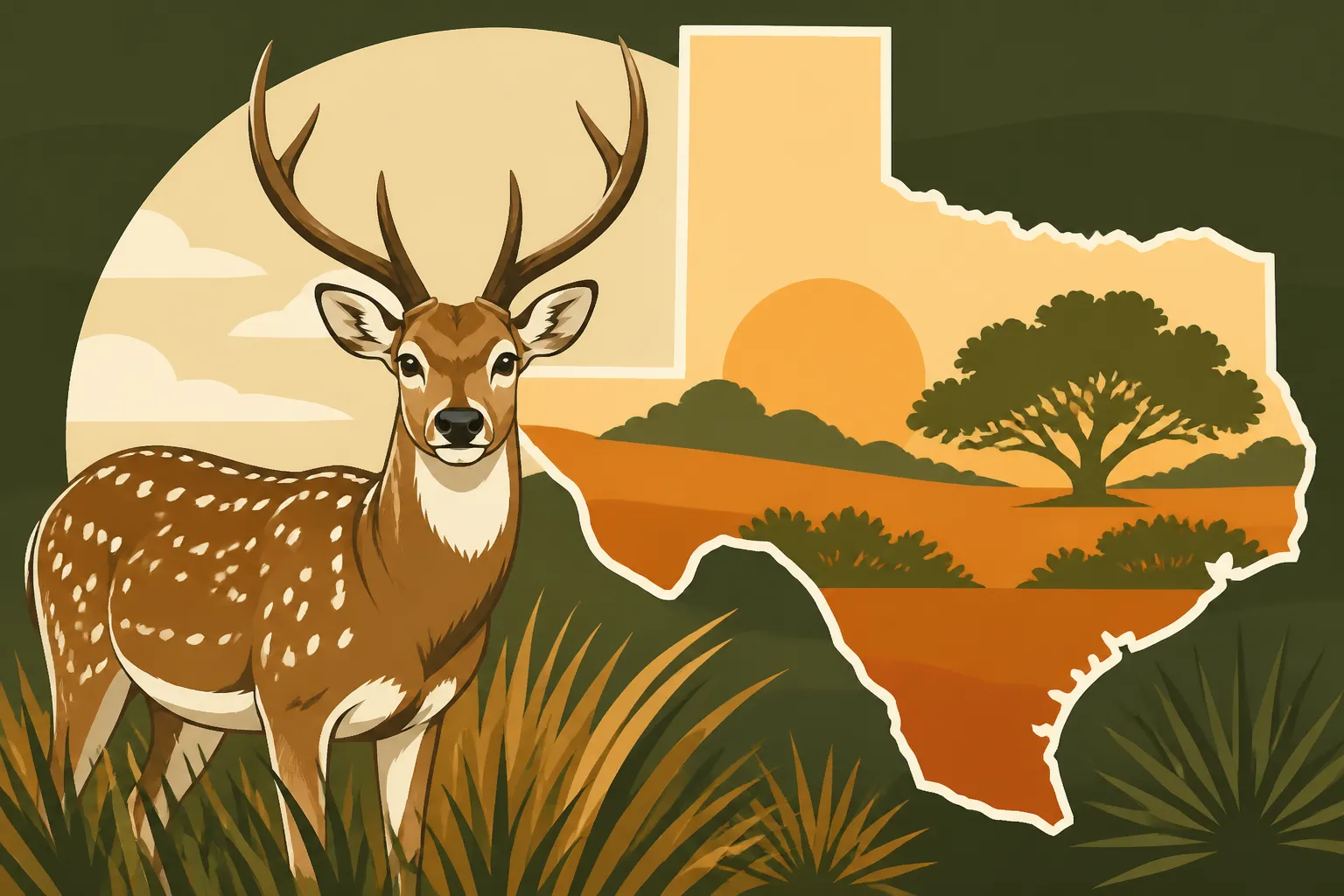
Axis deer, often called Chital or Spotted Deer, are truly a sight to behold with their striking spotted coats and impressive antlers. Originally from India, they were introduced to Texas way back in the 1930s, and they've truly thrived in certain parts of our diverse landscape. But "thrived" doesn't mean "everywhere." Knowing their preferred habitats is the first step to pinpointing your hunting grounds.
The Hill Country Hotspot
When most folks talk about hunting Axis deer in Texas, their minds immediately jump to the Hill Country, and for good reason. This region, officially known as the Edwards Plateau, is absolutely the undisputed champion for Axis deer populations. Counties like Kerr, Gillespie, Llano, Mason, and Real are practically synonymous with free-ranging Axis. The terrain here offers exactly what they need: an abundance of live oak, Ashe juniper, and various brush species for cover, along with plentiful natural springs and rivers like the Llano River and Guadalupe River for water.
The rugged, rocky hills and valleys provide ideal bedding areas, and the varied forage helps them maintain their impressive size and antler growth. Because the Hill Country has so many private ranches, and these animals are considered exotics, their populations have been able to grow substantially with less pressure from traditional hunting seasons, unlike our native deer. If you're dreaming of a free-range Axis buck, this is undoubtedly where your search should begin. Many landowners manage their properties specifically for these animals, recognizing their value and appeal to hunters.
Beyond the Hill Country: Other Pockets of Presence
While the Hill Country is the heartland for Axis deer, their range isn't exclusively confined to it. You'll find scattered populations, sometimes quite robust, in other ecological regions as well. Parts of South Texas, particularly along river drainages and in areas with dense brush, can hold good numbers. For example, some ranches in counties such as Uvalde or Medina might have established populations. These are typically the result of private introductions years ago that have since expanded or remained stable within certain large ranches.
Similarly, you might encounter smaller, localized herds in the Post Oak Savannah or even parts of the Cross Timbers regions, usually on properties managed for a variety of exotic game. These aren't typically "wild" populations in the same sense as the Hill Country, but rather free-ranging animals that originated from high-fence operations and either escaped or were intentionally introduced into low-fence environments. Finding these populations often requires more specific local knowledge or direct connections with landowners in those particular areas, as their presence can be more sporadic.
Finding Axis Deer on Private Land
Let's be real: hunting Axis deer in Texas is overwhelmingly a private land affair. Their status as an exotic species means they don't fall under the same regulatory umbrella as native game, which opens up a lot of opportunities for landowners to manage them year-round. This is where you'll find the most consistent and accessible hunting experiences.
Hunting Leases and Day Hunts
One of the most common ways to access Axis deer is through hunting leases. These can range from a full-year lease shared by a group of hunters, giving you consistent access to a property, to shorter-term day hunts arranged with a landowner or guide. Year-long leases in the Hill Country, especially those with established Axis populations, can be competitive, but they offer the ultimate flexibility for scouting and hunting. If you're considering a lease, check out our guide on Hunting Leases in Texas: Complete Guide (Cost & How to Find).
Day hunts are often an excellent option for those who can't commit to a full lease or want to try Axis hunting without a long-term investment. Many ranches, especially in popular areas like Kerrville or Fredericksburg, offer guided day hunts specifically for Axis. This often includes a guide, lodging, and sometimes even field dressing services. It's crucial to clarify what's included in the price and any trophy fees upfront. Websites like GoHunt can be incredibly useful for researching and connecting with landowners or guides offering these types of hunts. They often list available leases or day hunt opportunities, giving you a good starting point for your search.
Working with Outfitters
For many hunters, particularly those new to exotic hunting or coming from out of state, booking a hunt with a reputable outfitter is the most straightforward path to success. Outfitters specialize in providing a complete hunting experience, from guiding you to the animals to ensuring all logistics are handled. They often have access to prime properties with healthy Axis populations and possess invaluable local knowledge that can significantly increase your chances of success.
When choosing an outfitter, don't be afraid to ask for references, inquire about their success rates, and get a clear breakdown of the costs. A good outfitter, especially one with a focus on exotics, will be transparent about their operations and committed to providing a quality experience. They can also offer insights into Axis Deer Hunting in Texas (Free-Range vs High-Fence) options, helping you decide which style of hunt best suits your preferences and ethical considerations. These professionals often know the best times and places to find mature Axis bucks, utilizing years of experience in the specific regions where Axis thrive.
Free-Range vs. High-Fence Considerations
This is a hot topic among hunters, and it's essential to understand the difference when looking for an Axis hunt.
-
Free-Range Hunting: This refers to hunting Axis deer that live and move freely across large, low-fenced properties, much like native deer. These hunts typically offer a more challenging and traditional hunting experience, as the animals are truly wild and can roam for miles. The thrill of spotting a truly wild, free-ranging Axis buck in its natural habitat is hard to beat. The Hill Country is the most renowned region for genuine free-range Axis. Our guide on How to Hunt Axis Deer (Free-Range Tactics) delves deeper into this exciting challenge.
-
High-Fence Hunting: Many ranches in Texas are high-fenced, containing a managed population of Axis deer within their boundaries. While some hunters might view this as less challenging, high-fence operations can still offer a fantastic hunting experience, especially on properties spanning thousands of acres where animals have ample room to roam and express natural behaviors. They often guarantee opportunities for hunters and can be a great option for those with limited time or mobility. It's vital to research the specific ranch; a poorly managed small high-fence operation can indeed feel like a "canned hunt," but a well-managed, large high-fence ranch can provide a very ethical and exciting hunt for truly wild animals within their ecosystem.
The choice between free-range and high-fence often comes down to personal preference, budget, and hunting philosophy. Both can offer a rewarding experience, but it's important to know what you're booking.
Public Land Opportunities for Axis Deer
Alright, let's address the elephant in the room for public land hunters: Axis deer on public land in Texas are extremely rare. Unlike the abundant opportunities for White-Tailed Deer Hunting in Texas: Complete Guide or even Feral Hog Hunting in Texas: Year-Round Guide, exotics like Axis deer are not widespread on public lands.
Limited Drawn Hunts
The primary, and almost exclusive, way to hunt Axis deer on public land in Texas is through the Texas Parks and Wildlife Department's (TPWD) Public Hunt Drawn Hunt System. These are highly coveted permits, and the odds of drawing one can be slim due to the limited number of available spots and the popularity of exotic hunts. You'd typically look for specific "Exotic Deer" or "General Exotic" categories within the drawn hunt applications.
These hunts are usually held on certain Wildlife Management Areas (WMAs) or other public lands where Axis deer have established small, huntable populations, often due to past escapes from private ranches. It's crucial to regularly check the TPWD Drawn Hunt website for current offerings, as these opportunities can change year to year based on population surveys and management objectives. While it's a long shot, securing a drawn hunt for Axis deer can provide an incredibly unique and affordable opportunity. For more details on this process, refer to Texas Drawn Hunts: Public Hunt Draw System.
WMAs with Axis Presence (Rare)
Historically, some WMAs might have had occasional Axis sightings or small populations, but it's not something you can reliably plan a hunt around without a drawn permit. For instance, the Chaparral WMA in South Texas is renowned for native species, but not typically for Axis deer. Black Gap WMA in the Trans-Pecos is known for Aoudad sheep and mule deer, but not Axis. The presence of Axis on public land is often transient or confined to very specific, small areas, and without a dedicated drawn hunt, pursuing them would be both challenging and unlikely to yield results.
In essence, if your heart is set on an Axis deer, focusing your efforts on private land opportunities will give you the highest chance of success. Public land hunts, while thrilling if drawn, should be considered a bonus rather than a primary strategy for Axis.
Maximizing Your Axis Deer Hunting Success
Once you've zeroed in on where to hunt Axis deer, understanding how to approach the hunt itself can make all the difference. These animals are smart, adaptable, and can be quite challenging, even for seasoned hunters.
Best Time to Hunt Axis Deer
This is one of the coolest aspects of Axis deer hunting: there's basically no "closed season" on private land in Texas for exotics! This is because, unlike native species that have fixed breeding cycles, Axis deer can breed year-round. While there isn't a single peak rut like with whitetails, there are times when rutting activity is more pronounced. Many hunters consider May through August as the prime time, largely because this is when the majority of mature bucks are hard-antlered and actively seeking does. This unique breeding cycle means you can find Axis deer in hard antler at almost any time of year, offering incredible flexibility.
Hunting during the summer months offers the advantage of longer daylight hours, but also brings the challenge of Texas heat. Early morning and late evening hunts are crucial during this time. Conversely, hunting in the cooler fall or winter months can be more comfortable, though you might encounter fewer bucks in hard antler. Given that Is There a Season for Axis Deer in Texas? is essentially "no" on private land, you can plan your trip when it best suits your schedule, though many agree that late spring through summer offers the best chance at a trophy buck with a full set of antlers.
Scouting and Strategy
Effective scouting is paramount, whether you're on a multi-day day hunt or a long-term lease. Axis deer are masters of cover and can be quite elusive. They often prefer thicker brush during the day and will move to more open areas to graze during dawn and dusk. Look for common signs like tracks, droppings, and rubbed trees. While they don't typically make scrapes like whitetails, rubs are a good indicator of buck presence.
Using tools like the GoHunt app can be incredibly beneficial for scouting. Its mapping features allow you to mark water sources, bedding areas, and potential travel corridors, even if you've only been on the property for a short time. You can also utilize trail cameras to pattern their movements, much like you would for native deer. Pay close attention to water sources during dry periods, as Axis will often congregate there. Understanding their behavior and preferred routes between food, water, and bedding will be key to placing yourself in a successful ambush location.
Essential Gear and Tactics
Axis deer have excellent eyesight and hearing, so remaining undetected is critical. Quiet movement, proper camouflage, and scent control are all vital. When it comes to firearms, a flat-shooting rifle in a caliber like .270, .30-06, or .308 Winchester is typically more than sufficient. For those who enjoy a challenge, Bowhunting in Texas: Archery Season Guide tactics can certainly be applied to Axis deer, requiring even more precision and stealth.
Hunting tactics often involve spot-and-stalk, especially in the more open Hill Country terrain, or setting up in ground blinds or elevated stands overlooking known travel routes, food plots, or water sources. Unlike whitetails, Axis deer are often found in larger herds, so when you spot one, there are likely more nearby. Be patient, use quality optics like those discussed in Best Hunting Optics for Texas: Scopes, Binos & Rangefinders for scanning, and be prepared for a quick shot opportunity. The goal is always a clean, ethical harvest, aiming for the vitals behind the shoulder.
It's also worth noting that Do You Need a License to Hunt Exotics in Texas? and the answer is yes, you still need a valid Texas hunting license, even though there are no specific seasons or bag limits on private land for exotics. Always ensure you have the appropriate license before heading afield.
| Factor | Private Land Hunting | Public Land Hunting (Drawn Hunts) |
|---|---|---|
| Availability | Widespread, many options (leases, day hunts, outfitters) | Extremely limited, highly competitive, rare |
| Cost | Varies greatly (day hunts $1000+, leases $2000+/person) | Application fee ($10), possibly WMA entry fees, very low overall cost |
| Success Rate | Generally high, especially with experienced outfitters | Variable, often lower due to animal density and pressure |
| Flexibility | Year-round hunting (no season/bag limits for exotics) | Specific dates set by TPWD |
| Experience | Wide range from luxurious guided hunts to challenging DIY | Primitive, often self-guided, highly challenging |
| Management | Managed by landowner/outfitter for specific goals | Managed by TPWD for ecological balance and public access |
| Typical Area | Hill Country, South Texas, other private ranches | Select WMAs (check TPWD for current listings) |
In conclusion, while the allure of hunting Axis deer across Texas is undeniable, the most fruitful hunting grounds are consistently found on private ranches, predominantly in the picturesque Hill Country. With careful planning, understanding their behavior, and leveraging the resources available, you can certainly add one of these majestic animals to your hunting accomplishments.
Disclaimer
Hunting regulations and opportunities in Texas can change. Always consult the most current Texas Parks and Wildlife Department Outdoor Annual or website before planning any hunt to ensure compliance with all state laws and regulations.