Best Gear for Axis Deer Hunting in Texas
Heading out to chase axis deer in Texas is an experience unlike any other, but let's be real: showing up with the wrong gear can turn an exciting hunt into a frustrating, uncomfortable ordeal. These majestic exotics are notorious for their keen senses and ability to vanish in a flash, and the Texas landscape, from the dense Hill Country brush to the expansive South Texas plains, demands specific equipment. This guide is all about cutting through the noise and equipping you with the tried-and-true gear that will give you the best chance at success and make your axis deer hunt a truly memorable adventure, not a test of endurance against ill-preparedness.
Understanding the Axis Deer and Texas Environment
Before we even talk about specific gear, it’s crucial to understand what makes axis deer different and how the Texas environment influences our choices. You can’t just grab your whitetail setup and expect the same results; these animals are in a league of their own.
Axis Deer Behavior and Habitat
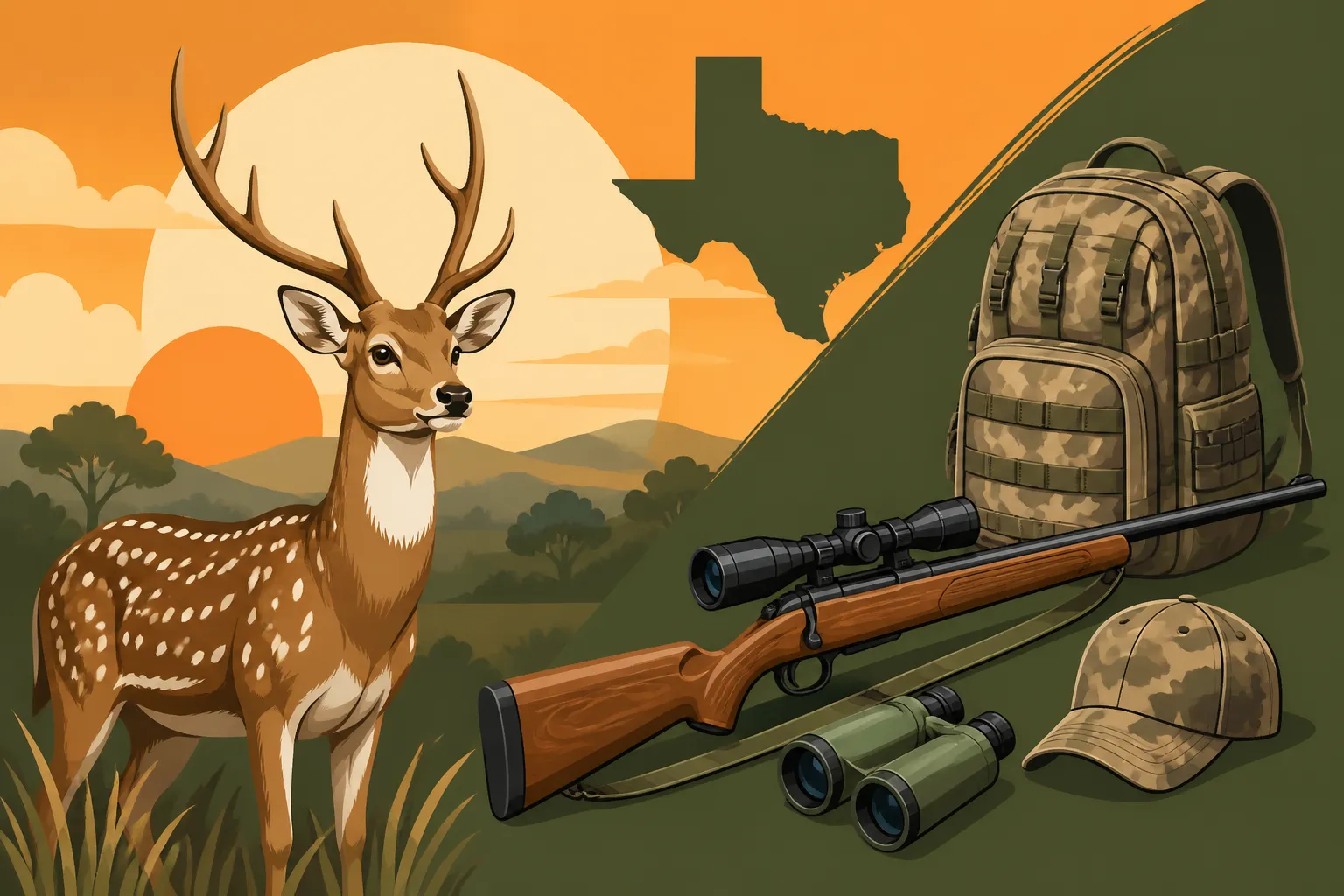
Axis deer, often called Chital or Spotted Deer, aren't your typical whitetail. They're originally from India, which means they're built for warmer climates and possess an almost otherworldly sense of awareness. They are notoriously alert, with exceptional eyesight and hearing that can pick up the slightest rustle or movement. Unlike whitetail, axis deer often move in larger herds, which means more eyes and ears to contend with. Their coats, with those striking white spots, offer surprisingly effective camouflage in dappled sunlight or mixed brush.
They're also creatures of habit when it comes to feeding and watering, but their escape routes are often well-planned and executed with incredible speed and agility. This intelligence and their herd dynamics mean that stealth, precision, and the ability to spot them before they spot you are paramount. Understanding these nuances is the first step in deciding on your gear. For example, knowing they often graze in open areas during cooler parts of the day means your optics need to be top-notch for identifying them at distance, especially when free-range axis deer hunting in Texas.
Texas Climate and Terrain
Texas is a vast state with incredibly diverse ecosystems, and the terrain you'll be hunting axis deer in—often the Hill Country, South Texas, or even parts of the Post Oak Savannah—presents its own unique challenges. The weather can be scorching hot and humid, especially during the summer months when axis deer are often hunted year-round. This heat can wear you down quickly, impacting your focus and physical endurance.
The landscape itself can range from thick, thorny brush that can rip through lightweight clothing and puncture flimsy boots, to rocky, uneven hillsides that demand good ankle support, or open, sparse areas that offer little concealment. You might encounter mesquite thickets, prickly pear cactus, and various venomous snakes. All these factors play a significant role in your gear choices. If you're planning a trip, consider researching the specific region, perhaps even using a platform like GoHunt, to understand the microclimates and terrain you'll face. This advanced scouting, even from your couch, can make a huge difference in what you pack.
Precision and Power: Weaponry and Optics
When hunting axis deer, your ability to make a precise shot at varying distances, often in challenging conditions, is crucial. This means your rifle or bow and your optics need to be up to the task.
Rifle or Bow Selection and Ammunition
For rifle hunters, the key is accuracy and sufficient knockdown power. Axis deer are not enormous, but they are tough animals, and a well-placed shot is essential for an ethical harvest. Many popular deer calibers work wonderfully for axis deer. Cartridges like the .270 Winchester, .30-06 Springfield, 6.5 Creedmoor, and .308 Winchester are excellent choices, offering flat trajectories and enough energy to get the job done. I’ve seen hunters use everything from a .243 for close-range shots to larger magnums, but generally, anything in the mid-range calibers will be effective.
Bullet selection is just as important as caliber. You'll want a bullet that expands reliably but also retains weight for good penetration, especially if you encounter a quartering shot or need to break through dense muscle or bone. Bonded bullets or monolithic copper bullets from manufacturers like Barnes, Hornady, or Nosler are highly recommended. They perform consistently and minimize meat damage while ensuring a clean kill. Don't skimp on practice; know your rifle and ammunition intimately, especially how it performs at different ranges you might encounter in the field.
For bowhunters, the same principles of precision and ethical killing apply. A compound bow with a draw weight suitable for delivering sufficient kinetic energy is paramount. Most modern hunting bows set at 60-70 pounds are perfectly adequate. You'll want sturdy, well-tuned arrows tipped with sharp, high-quality broadheads—fixed blade or mechanical broadheads that offer a wide cutting diameter for maximum hemorrhaging are preferred. Practice regularly from various positions, including elevated stands or ground blinds, as axis deer can present different shot opportunities. Remember, a 40-yard shot at a whitetail might be routine for you, but an axis deer’s heightened senses often make getting that close a much harder endeavor. Consider brushing up on your Bowhunting in Texas: Archery Season Guide tactics before heading out.
Essential Optics: Scopes, Binoculars, and Rangefinders
High-quality optics are not a luxury; they are a necessity for axis deer hunting. Their keen senses mean you'll often be spotting them at a distance, trying to determine if it's a mature buck, and then making a precise shot.
-
Rifle Scopes: For your rifle, a versatile scope with good light transmission is key. Variables like 3-9×40, 4-12×40, or even 4-16×44 are excellent for the varied terrains you'll encounter. Look for scopes from reputable brands like Leupold, Vortex, or Nightforce. You need clear glass, reliable turrets, and a reticle you’re comfortable with. Remember, the Texas heat can create mirage, so clarity is paramount, especially at longer distances. Knowing your holds for different yardages can be a game-changer. For a deeper dive into rifle scope selection, check out our guide on the Best Rifle Scope for Texas Deer Hunting.
-
Binoculars: A good pair of binoculars (10×42 or 12×50 are popular choices) is indispensable for scanning vast areas, picking apart brush, and identifying deer without raising your rifle. They allow you to glass for extended periods without fatigue. Look for waterproof, fog-proof models with excellent light-gathering capabilities. You might be glassing at dawn or dusk, and bright, clear images can make all the difference. Investing in a bino harness will keep them secure and readily accessible, saving you precious seconds when that big axis buck steps out. GoHunt users often emphasize the importance of high-quality glass for effective scouting.
-
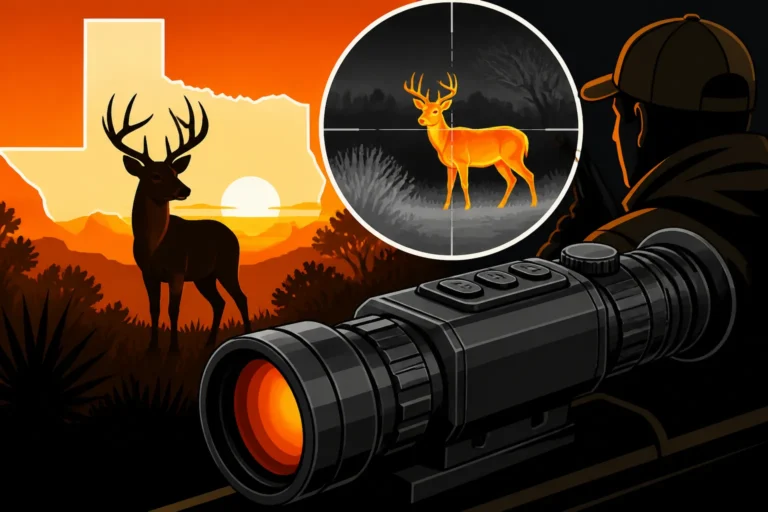
Rangefinders: Axis deer, especially free-range ones, don't always cooperate and present themselves at known distances. A reliable laser rangefinder is non-negotiable. Knowing the exact distance to your target allows you to make precise adjustments for bullet drop, ensuring an ethical shot. Modern rangefinders with angle compensation are especially useful in the rolling terrain of the Hill Country. Brands like Leupold, Vortex, or Sig Sauer offer excellent options. Practice ranging different objects in varying light conditions to become proficient with your device before your hunt. Our guide on the Best Hunting Optics for Texas: Scopes, Binos & Rangefinders can offer more insights.
Comfort and Concealment: Apparel and Footwear
The Texas environment can be tough on hunters, both physically and in terms of concealment. Your clothing and footwear need to stand up to the elements and help you remain undetected.
Layering for Texas Weather
Texas weather can be wildly unpredictable, even within a single day. A chilly morning can quickly give way to a scorching afternoon. The key to staying comfortable is effective layering.
- Base Layers: Start with moisture-wicking synthetic or merino wool base layers. These materials excel at pulling sweat away from your skin, keeping you dry and preventing chafing, which is a real concern when you're hiking miles in the heat. Even in cooler weather, a good base layer prevents clamminess.
- Mid Layers: For cooler mornings or evenings, a lightweight fleece or softshell jacket works well. Something that provides warmth without bulk, allowing for freedom of movement.
- Outer Layers: Your outer layer needs to be durable, quiet, and offer good concealment. Camouflage patterns that blend with the local vegetation are ideal. Think muted greens, browns, and tans. Ripstop fabrics are excellent for resisting thorns and snags from mesquite and catclaw acacia. Look for materials that breathe well to prevent overheating, even with a pack on. Brands like Sitka Gear, KUIU, or even lighter-weight options from more general hunting brands are popular for their technical fabrics and durability.
The cardinal rule here is to avoid cotton, especially for anything that touches your skin. Once wet from sweat or rain, cotton stays wet, making you cold or miserable. Always choose performance synthetics or wool.
Footwear for Varied Terrain
Your feet are your most important asset when hunting, and the Texas terrain can be unforgiving. You need boots that offer protection, support, and comfort.
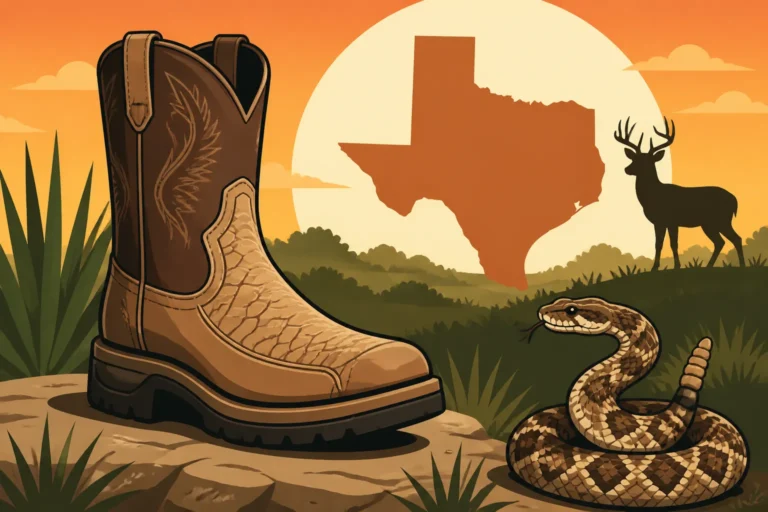
- Snake Protection: This is paramount in many parts of Texas. Venomous snakes like rattlesnakes, copperheads, and cottonmouths are common. High-quality snake boots or snake gaiters worn over sturdy hiking boots are not optional; they are essential safety gear. Look for boots that are comfortable for walking long distances and offer good ankle support on rocky or uneven ground. Brands like Lacrosse, Irish Setter, or even heavier-duty offerings from Chippewa or Rocky can provide the necessary protection.
- Durability and Support: The brush and rocks will test your footwear. Choose boots with strong construction, durable uppers, and aggressive outsoles for traction. Good ankle support is critical for preventing sprains, especially if you're traversing steep, rocky inclines or uneven, rutted trails. Waterproofing is a bonus, keeping your feet dry during morning dew or unexpected rain showers.
- Comfort: This goes without saying, but it's worth emphasizing. Break in your boots well before your hunt. Blisters can ruin a trip faster than almost anything else. Pair your boots with quality merino wool socks to help manage moisture and reduce friction. If you're looking for footwear advice for specific regions, our article on Best Snake Boots for South Texas Brush Country might be helpful.
Field Essentials: Recovery and Sustenance
A successful hunt doesn't end with the shot. You need the right gear to recover your animal, process it in the field, and keep yourself safe and fueled throughout the day.
Game Recovery and Processing Gear
Axis deer venison is highly prized, often considered among the best wild game meat. Proper field dressing and cooling are critical, especially given Texas's warm climate.
- Knives: A sharp, reliable hunting knife (or two) is essential for field dressing. Consider a fixed-blade knife with a sturdy handle for gutting and skinning. Many hunters also carry a smaller caping knife for finer work or a replaceable blade utility knife for quick, sharp cuts. Always have a sharpener or extra blades on hand.
- Game Bags: Even if you plan to get your animal to a cooler quickly, breathable game bags are crucial. They protect the meat from flies, dirt, and debris while allowing it to cool. Synthetic game bags are often preferred over cotton as they are lighter, stronger, and easier to clean. Brands like KUIU or TAG Bags offer excellent options.
- Coolers: This is where you absolutely cannot compromise, especially for an animal like an axis that might be harvested during the heat of summer. High-performance coolers designed for extended ice retention are non-negotiable. You'll need enough capacity to hold a quartered axis deer—a 65-quart or larger cooler, like a Yeti Tundra or RTIC, is generally recommended. Pre-chill your cooler with sacrificial ice for a day or two before the hunt to maximize ice retention. Flake ice or block ice lasts longer than cubed ice. Knowing How to Cool a Deer Fast in Texas Heat is vital for preserving the quality of your harvest.
- Game Cart or Hauler: Depending on the terrain and distance to your vehicle, a game cart can be a lifesaver. Dragging an entire axis deer out of thick brush can be a grueling task, especially alone. A sturdy, all-terrain game cart can save your back and make the recovery process much more efficient.
Hydration, Navigation, and Safety
Being prepared for the unexpected is part of being a responsible hunter.
- Hydration System: The Texas heat is no joke. Carry ample water or a hydration system (like a CamelBak) in your backpack. Electrolyte packets are also a smart addition to prevent dehydration. Many hunting daypacks are hydration-compatible, allowing you to sip water easily on the move.
- Navigation Tools: While many of us rely on our phones, a dedicated GPS device or a reliable hunting app like onX Hunt or HuntStand is crucial. These apps provide invaluable satellite imagery, property boundaries, and tracking capabilities that can help you navigate unfamiliar terrain and mark your harvest location. They also allow you to save maps for offline use, which is critical in areas with spotty cell service. For more details, check out our guide on the Best Hunting Apps for Texas (onX, HuntStand & More). Even with digital tools, a physical map and compass can be a lifesaver if your electronics fail.
- First Aid Kit: A compact but comprehensive first aid kit is essential. Include basics like bandages, antiseptic wipes, pain relievers, and any personal medications. Consider adding a snake bite kit, though it's important to understand their limitations and that professional medical attention is always required for snake bites.
- Headlamp/Flashlight: For early morning starts or late evening recoveries, a reliable headlamp with red light options (to preserve night vision) is indispensable. Always carry spare batteries.
- Game Calls: While not always used for axis deer, a distress call or even a simple grunt tube can sometimes pique their curiosity or stop a fleeing animal for a shot. It's a niche item, but some hunters find success with them.
- Hunting Backpack: A good daypack is critical for carrying all these essentials. Look for one that's comfortable, quiet, and has enough capacity (25-45 liters is typical for a day hunt) to hold your water, food, extra layers, first aid kit, and more. A well-organized pack can make your hunt much more enjoyable. Our article on the Best Hunting Backpack for Texas has some excellent recommendations.
GoHunt: A Valuable Planning Resource
When you're trying to put together a hunt for a specific species like axis deer, especially if you're exploring new areas or public land opportunities, resources like GoHunt can be incredibly valuable. While traditionally focused on Western big game, many of the principles of their detailed mapping, research tools, and harvest data can be applied to Texas hunts. Their platform can help you research terrain, understand historical harvest trends, and even find outfitters or lease opportunities. Leveraging such tools can help you make more informed decisions about your gear and overall strategy, potentially saving you time and money by helping you pinpoint the most productive areas and understanding what conditions to expect. Even for private land hunts, the detailed mapping and topographical features can aid in pre-scouting and identifying prime bedding or feeding areas that influence where you might set up a blind or plan your stalk.
Important Gear Checklist for Axis Deer Hunting in Texas
Here's a quick rundown of your essential gear to make sure you're ready for an axis deer hunt in Texas.
| Gear Category | Specific Items (Examples) | Why It's Crucial for Axis Hunting |
|---|---|---|
| Weaponry | Rifle (.270, .30-06, 6.5 CM, .308), Quality Ammunition, or Bow | Ethical kill, long-range accuracy, flat trajectory for open country. |
| Optics | Rifle Scope (3-9x/4-12x), 10×42/12×50 Binoculars, Rangefinder | Spotting wary axis at distance, precise shot placement, navigating mirage. |
| Clothing | Moisture-wicking base layers, Durable outer layer (camo), Hat | Managing sweat/heat, resisting brush, blending with surroundings. |
| Footwear | Snake Boots or Hiking Boots + Gaiters, Merino Wool Socks | Protection from venomous snakes, ankle support on rocky terrain, blister prevention. |
| Field Dressing | Sharp Hunting Knives, Game Bags, Cooler (65qt+), Gloves | Hygienic meat handling, preventing spoilage in heat, easy transport. |
| Navigation & Safety | GPS/Hunting App (GoHunt, onX), Headlamp, First Aid Kit, Water | Staying found, night operations, emergency preparedness, hydration. |
| Comfort/Misc. | Daypack, Sunscreen, Bug Spray, Small Field Repair Kit | Carrying essentials, protection from sun/insects, minor gear fixes. |
Disclaimer
Hunting involves inherent risks, including but not limited to injuries from firearms, archery equipment, falls, and wildlife encounters. Always prioritize safety, follow all local, state, and federal hunting regulations, and obtain proper licenses and permits. The gear recommendations provided here are for informational purposes and should be adapted to your specific hunting conditions, personal preferences, and skill level. It is crucial to practice with your equipment and be proficient in its use before heading into the field.