Best Setup for Hunting Hogs Over a Feeder
Feral hog hunting setups require strategic feeder placement, durable equipment selection, and careful blind positioning to successfully target animals.
Close the distance.
Archery, muzzleloader, and firearm techniques — calling, stand placement, still-hunting, spot-and-stalk, and the weapon rules that change at the state line.
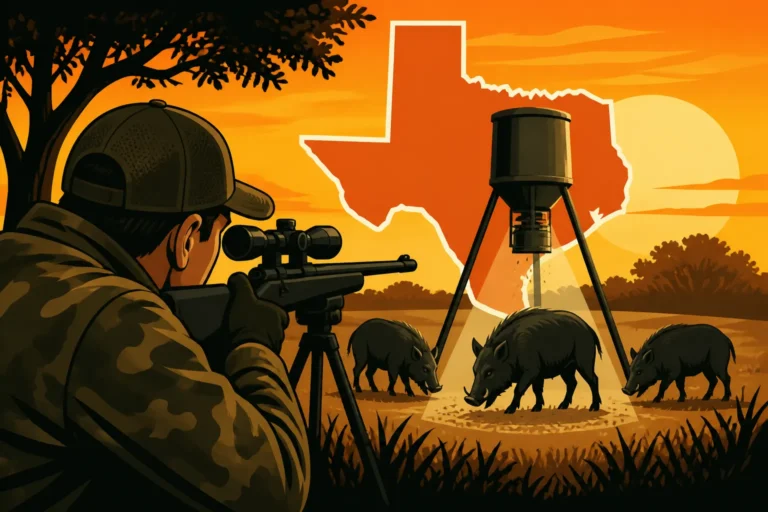
Feral hog hunting setups require strategic feeder placement, durable equipment selection, and careful blind positioning to successfully target animals.
South Texas whitetail rut timing, peak dates from December to February, regional variations, calling strategies, and effective brush hunting tactics.
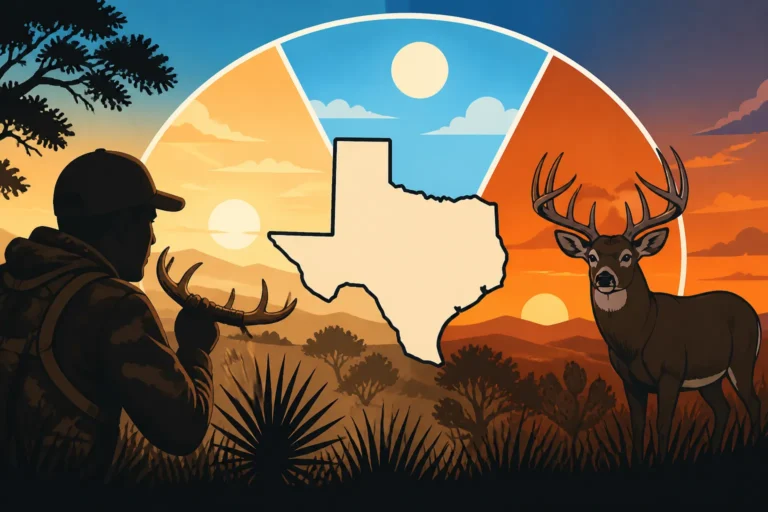
Regional whitetail rut phases and weather patterns determine the optimal times and strategies for rattling deer in Texas.
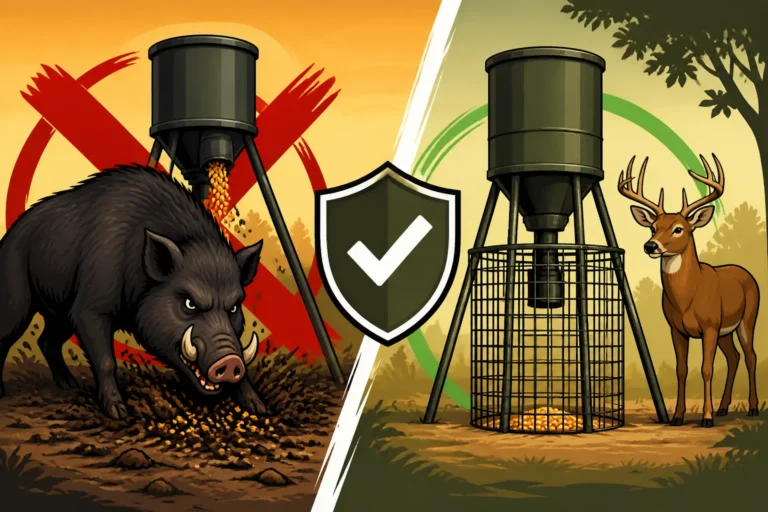
Feral hog deterrent methods for deer feeders include livestock panels, suspended setups, strategic placement, and trapping strategies to protect property.
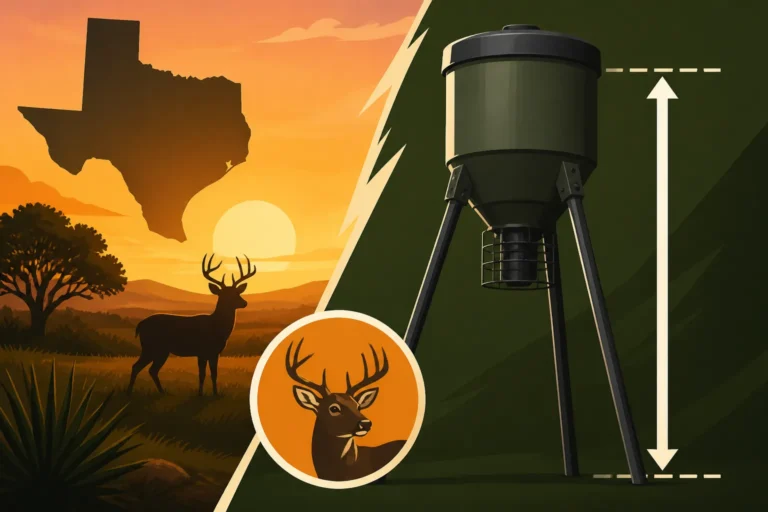
Proper deer feeder height ranges between six and seven feet to ensure easy access for target animals while deterring unwanted pests.
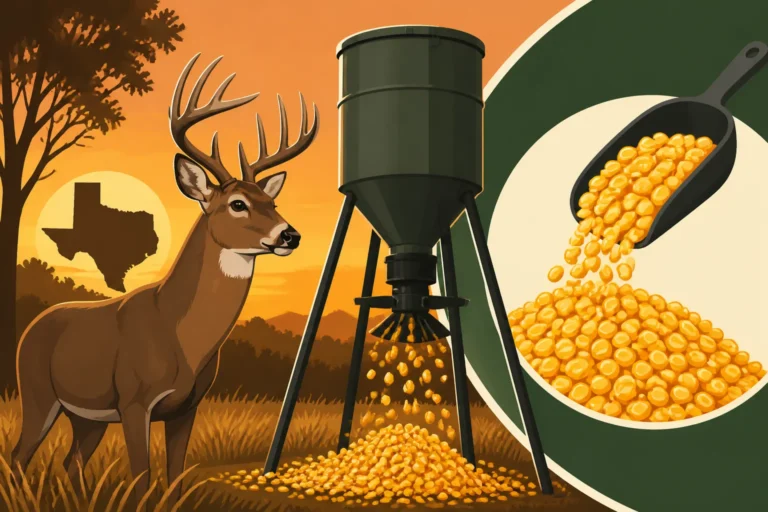
Corn consumption depends on feeder types, deer populations, weather conditions, and wildlife such as feral hogs and raccoons.
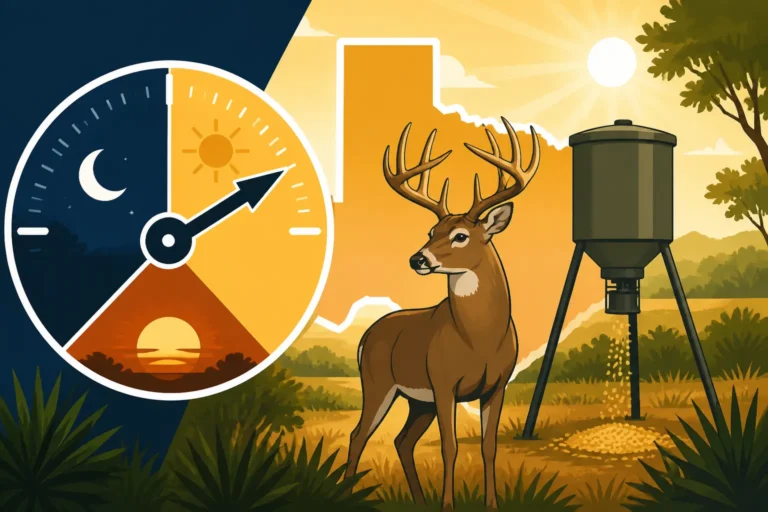
Optimal deer feeder timer settings and schedule adjustments help transition nocturnal whitetails into daytime movement for better hunting success.
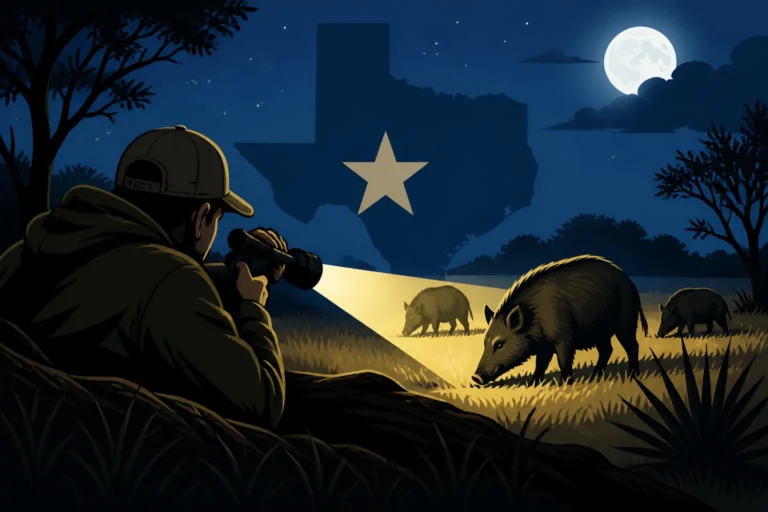
Feral hog night hunting without thermal optics uses affordable lights and digital night vision devices to target active animals safely.
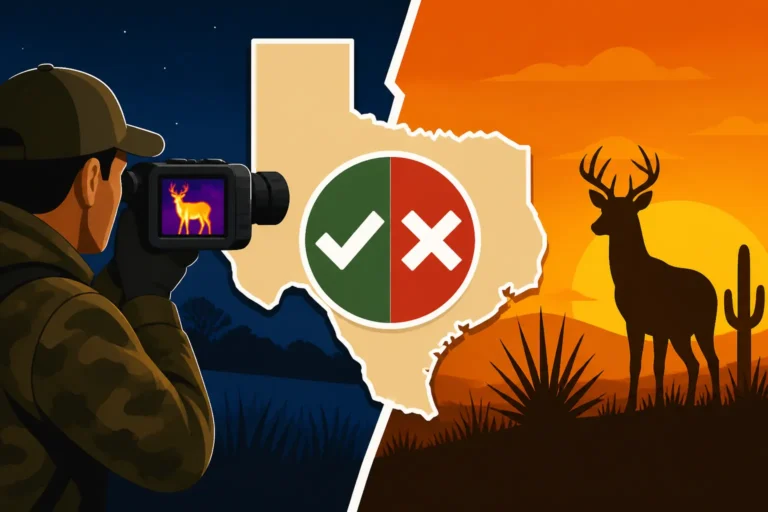
Texas hunting regulations outline exactly when and where thermal and night vision devices are legal for feral hogs and exotic animals.
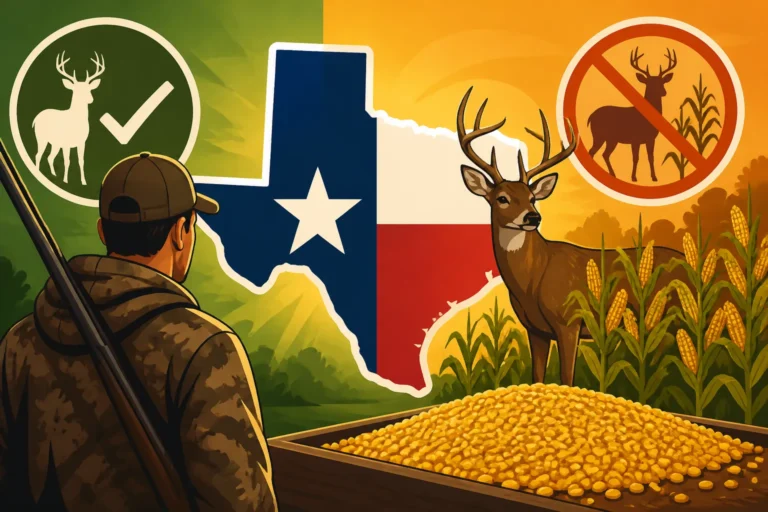
Texas hunting regulations regarding corn and bait vary by species, allowing bait for feral hogs and exotics while prohibiting it for deer.