Best Region for Whitetail Hunting in Texas
Trying to figure out where to chase whitetail in a state as vast as Texas can feel like finding a needle in a haystack. With so many diverse landscapes, from dense brush to rolling hills, knowing where to focus your efforts for the best chance at a great hunt is a real challenge, especially when every hunter has a different dream in mind. This guide is here to break down the prime whitetail regions across Texas, helping you pinpoint the perfect spot for your next big adventure, whether you're after a trophy buck or simply meat for the freezer.
The Diverse Whitetail Landscape of Texas
Texas is a truly enormous state, spanning multiple ecological regions, and this diversity profoundly impacts its whitetail deer populations. From the dense, thorny brush of South Texas to the rugged, rocky terrain of the Hill Country, and the thick forests of the Pineywoods, each area presents unique challenges and rewards for the dedicated whitetail hunter. Understanding these differences isn't just about geography; it's about knowing where to find the deer, what they eat, how they behave, and ultimately, what kind of hunting experience you can expect.
The sheer scale of the state means that deer genetics, antler potential, body size, and even rut timing can vary significantly from one region to another. A buck that would be considered a monster in East Texas might be an average mature deer in certain parts of South Texas, and vice-versa for deer density. Factors like rainfall, soil quality, and dominant vegetation play critical roles in shaping the health and number of deer herds, making regional knowledge absolutely essential for successful whitetail hunting. For those just starting out, or even seasoned hunters looking for a new challenge, grasping these fundamental differences is the first step in planning a rewarding hunt.
Ecological Regions and Deer Habits
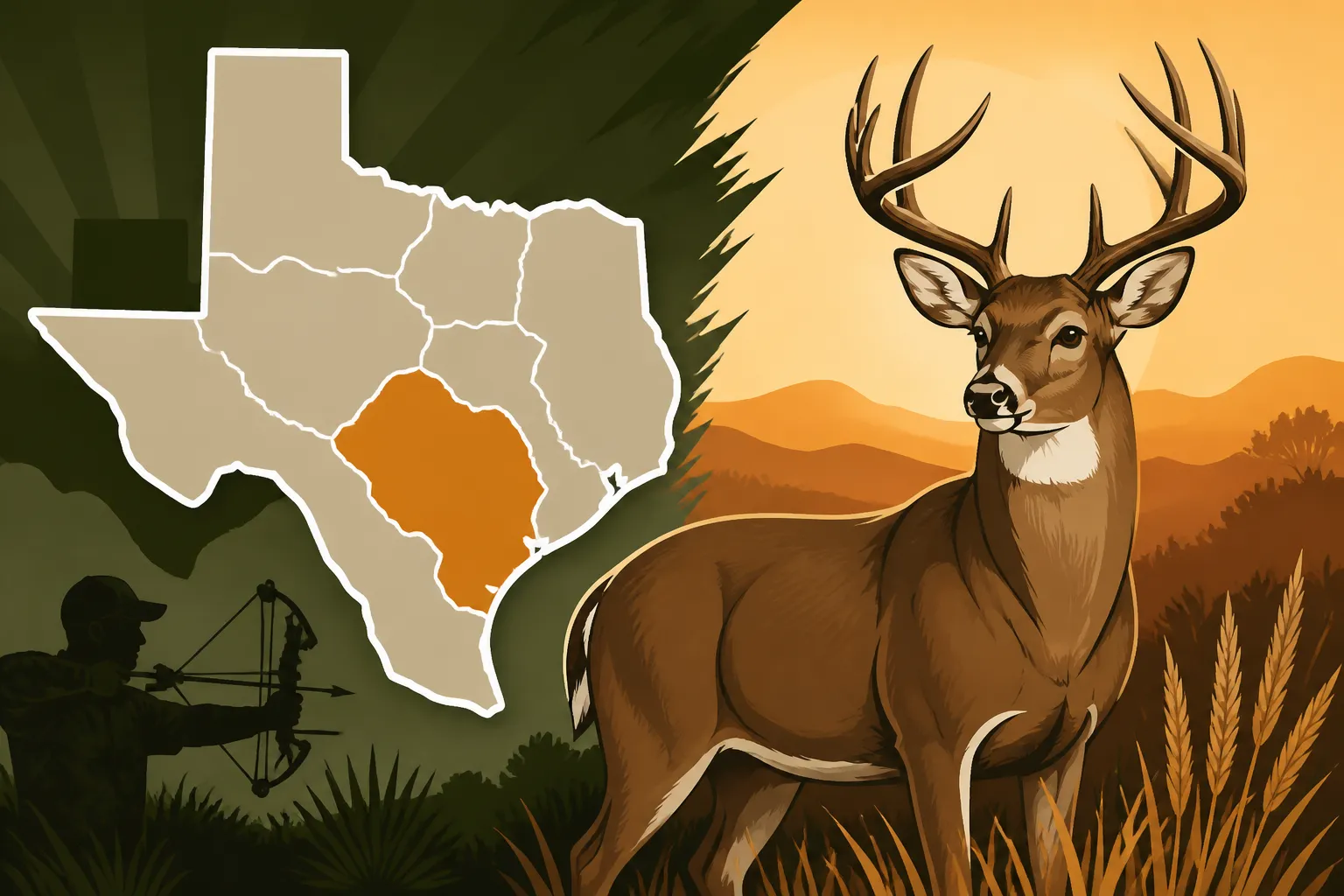
Texas is commonly divided into ten major ecological regions, but for whitetail hunting, a few stand out above the rest. These regions aren't just lines on a map; they represent distinct ecosystems that dictate deer behavior, food sources, and even the types of hunting methods that prove most effective. For instance, deer in brush country might be primarily browsers, while those in agricultural areas might lean heavily on cultivated crops.
Understanding these regional distinctions helps you predict deer movement patterns. In areas with abundant natural forage, deer might be more spread out, whereas in drier regions, they'll concentrate around reliable water sources and supplemental feed. The type of habitat also influences how deer react to pressure, with whitetails in dense cover often being more elusive and nocturnal. Knowing the nuances of each ecological region allows you to tailor your scouting and hunting strategies for optimal success.
Regional Factors Influencing Whitetail Quality
Several key factors contribute to the overall quality of whitetail deer within a specific region. Genetics, nutrition, and age are the primary drivers for antler development and body size. While genetics lay the groundwork, it's consistent, high-quality nutrition throughout a buck's life, coupled with allowing deer to reach full maturity, that truly unlocks their potential.
Regions with fertile soils, consistent rainfall, and diverse browse often produce deer with larger body weights and impressive antler growth. Additionally, proactive land management practices, such as supplemental feeding, food plots, and strict harvest regulations (like Texas's Texas Antler Restrictions: The 13-Inch Rule Explained in many counties), play a huge role in improving herd health and trophy potential. A region might have great genetics, but without proper management and nutrition, those genes won't express their full potential.
South Texas: The Brush Country Bucks
When most hunters dream of a Texas trophy whitetail, their minds often drift to the legendary brush country of South Texas. This region, stretching south from San Antonio to the Rio Grande, is synonymous with massive-racked bucks and a unique hunting challenge. It's a land of dense, thorny vegetation – mesquite, huisache, guajillo, and prickly pear – that provides incredible cover and a year-round buffet of protein-rich browse for whitetail deer.
The reputation of South Texas is well-earned. The combination of superior genetics, exceptional nutrition, and widespread quality deer management on large ranches has consistently produced some of the biggest whitetails in North America. Hunting here is a true test of patience and skill, often involving sitting in blinds over feeders or water sources, or employing rattling and calling techniques in the dense cover. It’s not uncommon to wait days, or even weeks, for that one mature buck to step out from the shadows.
The Allure of Brush Country Giants
The deer in South Texas are renowned for their impressive antler mass, wide spreads, and heavy tines. The rich variety of forbs and browse plants provides an ideal diet, especially critical during antler growth periods. This isn't just a handful of big bucks; entire ranches manage for quality, resulting in a regional average that often surpasses other parts of the state. It's truly a special place for South Texas Trophy Whitetail: Brush Country Bucks.
Hunting these giants requires dedication. The dense brush means visibility can be limited, and deer can materialize and disappear in an instant. This challenges a hunter's ability to quickly assess a buck's age and antler characteristics, especially when navigating antler restrictions. Many hunters rely on trail cameras for scouting, and tools like GoHunt can provide crucial insights into property boundaries and terrain features, even in this vast landscape. The reward, however, of harvesting a mature South Texas monarch, is unparalleled.
Hunting Tactics and Terrain
Hunting in South Texas is typically done from elevated box blinds or tripods overlooking senderos (cleared lanes) or food plots. Due to the thick cover, deer often move primarily at dawn, dusk, and even through the night. Utilizing corn feeders is a common and legal practice here, concentrating deer in specific areas. During the rut, which often peaks later in December and early January, rattling and grunting can be incredibly effective, pulling aggressive bucks out of the dense cover.
The terrain itself, though relatively flat, is deceptively challenging. Navigating the thorny brush on foot can be arduous, and recovery of downed game often requires a UTV or an experienced tracking dog. The sheer size of many South Texas ranches means deer have vast areas to roam, further emphasizing the importance of strategic feeder placement and patient observation. For those seeking the classic South Texas experience, prepare for warm days, cool nights, and the ever-present possibility of a truly world-class deer.
The Texas Hill Country: High Density and Rugged Beauty
Moving north and west from South Texas, you enter the rugged, picturesque landscape of the Texas Hill Country. This region is characterized by its rolling hills, limestone outcroppings, clear spring-fed rivers, and a mix of juniper, live oak, and cedar trees. While it might not boast the sheer trophy potential of South Texas on average, the Hill Country offers an incredibly popular and accessible whitetail hunting experience with a very high deer density.
Many hunters refer to the Hill Country as the "deer factory" of Texas, and for good reason. It holds the largest concentration of whitetail deer in the state, sometimes exceeding one deer per two or three acres in localized areas. This means hunters typically have no shortage of opportunities to see deer, making it a fantastic region for new hunters, youth hunters, or anyone looking for a high-volume experience. The deer here tend to be smaller-bodied than their South Texas cousins, and antler quality is generally good, but true giants are less common without intensive management.
The Hill Country Hunting Experience
Hunting in the Hill Country Deer Hunting in Texas is often a more active experience than the static blind hunts of South Texas. Spot-and-stalk can be effective in certain areas, particularly on larger ranches with more open terrain, but feeders and blinds are still widely used. The broken topography provides natural funnels and bedding areas that hunters can exploit. Access to land in the Hill Country is diverse, from large private ranches to smaller recreational properties, and even some public hunting opportunities through the Texas Parks and Wildlife Department's Public Hunt Program.
The abundance of deer means that herd management is often a significant component of hunting in this region. Many landowners focus on harvesting a certain number of does and management bucks to maintain a healthy herd balance, leading to opportunities for hunters seeking a more hands-on role in conservation. It's a great place to fill the freezer, and with careful selection and a little luck, a respectable buck is definitely within reach.
Unique Challenges and Rewards
The Hill Country presents its own set of challenges. The high deer density can sometimes lead to overbrowsing if not properly managed, impacting antler quality and overall herd health. The rocky, uneven terrain can be tough on boots and knees, and navigating steep draws and canyons requires good physical conditioning. Also, because of the popularity of the region, hunting pressure can be higher, especially on smaller tracts.
However, the rewards are many. The scenery is stunning, offering a beautiful backdrop for your hunt. The opportunity to see numerous deer keeps the hunt exciting, and the relatively short distances from major Texas cities like Austin and San Antonio make it a convenient destination for weekend trips. The Hill Country offers a quintessential Texas hunting experience, blending beauty, accessibility, and plentiful deer.
Pineywoods and East Texas: Forested Whitetails
Shifting to the eastern part of the state, we encounter the Pineywoods region, a stark contrast to the arid brush and rocky hills elsewhere in Texas. This area is characterized by its dense pine and hardwood forests, abundant rainfall, and numerous creeks and rivers. Hunting in the Pineywoods & East Texas Hunting often feels more akin to hunting in the southeastern states, with timber management and small game being prominent features of the landscape.
While the Pineywoods might not produce the massive trophy bucks seen in South Texas, it offers a different, equally rewarding whitetail experience. Deer populations are healthy, though generally not as dense as the Hill Country. Hunters here often focus on challenging hunts within the thick timber, using different strategies than their counterparts in other regions.
Forest Hunting Dynamics
Hunting in the Pineywoods primarily involves navigating dense timber and finding natural clearings or food plots. Stands, both ladder and climber, are popular here, allowing hunters to get above the thick understory. Deer movement is heavily influenced by logging operations and available forage, which can change seasonally. Hunters often pay close attention to acorn crops from red and white oaks, as these are critical food sources.
The deer in East Texas tend to be medium-bodied with respectable antlers. What they might lack in sheer size compared to South Texas, they often make up for in the challenge of the hunt. It's a region that rewards patience, stealth, and an intimate understanding of deer behavior in a heavily wooded environment. Finding good hunting leases can sometimes mean smaller tracts, but often with good management focused on both timber and wildlife.
Water, Timber, and Whitetail
The prevalence of water features – creeks, swamps, and river bottoms – plays a significant role in whitetail movement in the Pineywoods. Deer often use these corridors for travel and escape, and knowing how to hunt these features can be extremely productive. Hunters in this region also need to be mindful of regulations regarding hunting around public roadways and timber company lands, which often have specific access rules.
The Pineywoods offers a distinct hunting adventure for those who appreciate dense cover, the scent of pine, and the challenge of outsmarting a wary whitetail in its natural forested habitat. It’s a rewarding experience that demands a keen eye and an understanding of how deer interact with their woodland surroundings. For those planning their hunting seasons, understanding the specific Texas Hunting Seasons: Complete Calendar by Species for this unique environment is key.
Other Notable Texas Whitetail Regions
While South Texas, the Hill Country, and the Pineywoods often dominate discussions about Texas whitetail hunting, other regions also offer excellent opportunities and unique experiences. Texas is just too big and diverse to pigeonhole into just a few categories, and each area has its own charm and challenges.
Rolling Plains and Cross Timbers
The Rolling Plains, located north and west of the Hill Country, offers a mix of mesquite, prickly pear, and native grasses, often interspersed with agricultural fields. Deer here benefit from diverse forage and often attain respectable antler growth. Hunting can involve a combination of feeder stands and still-hunting in creek bottoms or brushy draws. This region also has good populations of other game, offering a diverse hunting experience.
The Cross Timbers, situated between the Rolling Plains and the Pineywoods, features a mosaic of prairies and woodlands. Deer quality can be excellent, particularly on well-managed properties with access to both natural browse and cultivated crops. This area often sees the rut occurring slightly earlier than in South Texas, making it a prime destination for early season hunters looking to catch bucks in a more active phase. Using resources like GoHunt to scout public land opportunities or potential leases in these less-talked-about regions can yield hidden gems.
Trans-Pecos: Desert Whitetail
For a truly unique whitetail hunt, the Trans-Pecos region of West Texas offers desert mule deer, but also a population of desert whitetails. These deer are typically smaller-bodied but incredibly tough and adapted to the arid, mountainous terrain. Hunting here is a physically demanding spot-and-stalk affair, often at higher elevations, rewarding patient glassing and long-range shooting skills. While not known for high deer densities, the opportunity to harvest a desert whitetail in such a wild, remote setting is an adventure in itself.
Choosing Your Ideal Whitetail Hunting Region
With such incredible diversity, deciding on the "best" region for whitetail hunting in Texas really boils down to what you, the hunter, are looking for. Are you dreaming of a wall-hanger, a freezer full of venison, or a challenging wilderness experience? Each region caters to a different aspiration.
Factors to Consider
- Trophy Potential: If a truly giant buck is your top priority, South Texas, especially areas like Webb or LaSalle County, is often considered the undisputed king. However, excellent genetics and management can produce big deer in isolated pockets across the state.
- Deer Density/Opportunity: For seeing a lot of deer and having multiple shot opportunities, the Texas Hill Country is hard to beat. It’s perfect for those who prioritize action over a singular quest for a Boone & Crockett entry.
- Terrain and Challenge: If you love rugged, physically demanding hunts, the Hill Country's broken terrain or the Trans-Pecos' mountains will test your endurance. For dense cover and stealth, the Pineywoods offers its own unique set of challenges.
- Budget and Accessibility: Hunting leases and guided hunts vary significantly in price across regions. The Hill Country often has more affordable options due to its higher deer density and varied land sizes. Proximity to your home base also plays a role in trip planning. Don't forget the necessary Texas Hunting License: Cost, Types & How to Buy (2026) which is a prerequisite no matter where you hunt.
- Hunting Style: Do you prefer sitting in a comfortable box blind over a feeder, rattling in bucks, or spot-and-stalk hunting? Your preferred method will greatly influence which region suits you best. For instance, Deer Hunting in Texas: Feeders, Blinds & Tactics are popular everywhere but more prevalent and effective in specific regions.
Comparative Overview of Key Whitetail Regions
Here's a quick comparison to help visualize the differences:
| Feature | South Texas Brush Country | Texas Hill Country | Pineywoods / East Texas | Rolling Plains |
|---|---|---|---|---|
| Primary Goal | Trophy Bucks, Quality Hunting | High Deer Density, Meat Hunting, Management | Challenging Forest Hunts, Respectable Bucks | Mixed Opportunities, Diverse Game |
| Typical Antler Size | Excellent (wide, heavy, tall) | Good (medium size, often narrower) | Fair to Good (medium size, varying mass) | Good (can be wide, good mass) |
| Deer Density | Moderate to High | Very High | Moderate | Moderate to High |
| Terrain | Flat to gently rolling, dense thorny brush | Rolling hills, rocky, live oak, juniper | Flat to rolling, dense pine and hardwood forests | Rolling, mesquite, prickly pear, grasslands |
| Primary Methods | Blind over feeder, rattling, spot-and-stalk (limited) | Blind over feeder, spot-and-stalk, still hunting | Stand hunting (tree stands), still hunting, dog hunting (legal in some counties) | Blind over feeder, still hunting, spot-and-stalk |
| Rut Timing | Late Dec – Early Jan (often into Feb in deep south) | Mid Nov – Early Dec | Mid Nov – Early Dec | Late Oct – Mid Nov |
| Public Land Access | Limited | Moderate (WMAs, Drawn Hunts) | Moderate (National Forests, WMAs) | Limited (WMAs, Drawn Hunts) |
| Hunting Pressure | High on quality leases, lower on remote tracts | High | Moderate | Moderate |
Ultimately, the best region is the one that aligns with your personal hunting goals and style. Whether you're chasing that elusive mega-buck in the brush, enjoying the constant action of the Hill Country, or challenging yourself in the deep woods of East Texas, the Lone Star State has a whitetail adventure waiting for you. Don't forget to review The Texas Rut: When Do Bucks Rut by Region? for precise timing in your chosen area.
Planning Your Texas Whitetail Adventure
Once you've narrowed down your desired region, the real planning begins. Texas offers a wealth of opportunities, but securing access to quality hunting land, especially for whitetail, requires foresight and sometimes a significant investment. Whether you're looking for a season-long lease or a shorter day hunt, options exist across the state.
Finding Hunting Leases and Outfitters
For most hunters, particularly those not fortunate enough to own their own land, securing a hunting lease is the most common way to access private property in Texas. Leases can range from annual agreements for multiple hunters to short-term day leases. Websites and online forums are great starting points, but word-of-mouth and building connections within the hunting community often lead to the best opportunities. Many outfitters also offer guided hunts, which can be an excellent option for non-residents or those seeking an all-inclusive experience without the long-term commitment of a lease.
When researching leases, consider what's included: lodging, stands, feeders, and game processing facilities. It's crucial to understand the rules and expectations of the landowner or outfitter, especially regarding guest policies, antler restrictions, and game harvest limits. Platforms like GoHunt can be immensely helpful here, providing not just property information but also aerial maps and topographical data that can aid in scouting before you even step foot on the land. Checking out comprehensive guides like Hunting Leases in Texas: Complete Guide (Cost & How to Find) is an invaluable step.
Scouting and Preparation
Regardless of the region you choose, thorough scouting is paramount. This includes studying topographical maps, aerial photos, and using tools like GoHunt or other hunting apps to identify potential bedding areas, travel corridors, and water sources. Pre-season scouting, looking for tracks, rubs, and scrapes, can give you a significant advantage. Setting up trail cameras can provide invaluable insights into deer movement patterns, helping you understand when and where mature bucks are active. Consider learning How to Pattern Bucks With Trail Cameras for maximum effectiveness.
Physical preparation is also key, especially for more rugged regions. Ensure your gear is in top condition, from your rifle or bow to your boots and backpack. Texas weather can be unpredictable, swinging from hot to cold in a single day, so dressing in layers and being prepared for all conditions is wise. Understanding the optimal Best Time of Day to Hunt Whitetail in Texas will help you maximize your time in the stand or blind.
Respecting Regulations and the Land
Finally, always prioritize ethical hunting practices and strict adherence to Texas Parks and Wildlife Department regulations. This includes having the correct licenses and tags, understanding bag limits, and knowing specific county rules. Respecting the land, landowners, and fellow hunters ensures a positive experience for everyone and helps preserve hunting traditions for future generations. Remember, the game animals and their habitats are a precious resource, and responsible hunting is key to their conservation.
Disclaimer
Please be aware that hunting regulations, seasons, and land access can change. Always consult the latest Texas Parks and Wildlife Department Outdoor Annual or website for the most current and accurate information before planning any hunt. This guide is for informational purposes only and does not supersede official regulations.