Rio Grande Turkey Hunting in Texas
Let's be real for a moment. Chasing a wily Rio Grande turkey across the vast and varied landscapes of Texas is an experience unlike any other. It's a true test of patience, woodsmanship, and your calling skills. Many hunters dream of hearing that thunderous gobble break the crisp morning air, only to find themselves baffled by a bird that just won't commit or disappears as if swallowed by the earth. This comprehensive guide is here to unravel the mysteries of Rio Grande turkey hunting in Texas, covering everything from understanding their habits to mastering the call, ensuring you're well-equipped for a successful and memorable hunt.
Understanding the Rio Grande Turkey in Texas
The Rio Grande turkey, often simply called a "Rio," is the quintessential wild turkey of Texas. They are a magnificent bird, known for their striking appearance and, at times, their frustratingly cautious nature. To successfully hunt them, you first need to understand them.
Distinguishing Characteristics and Habitat
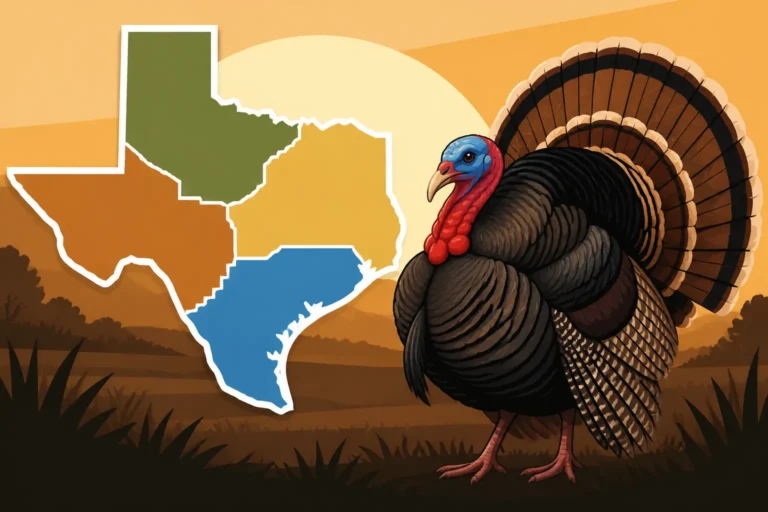
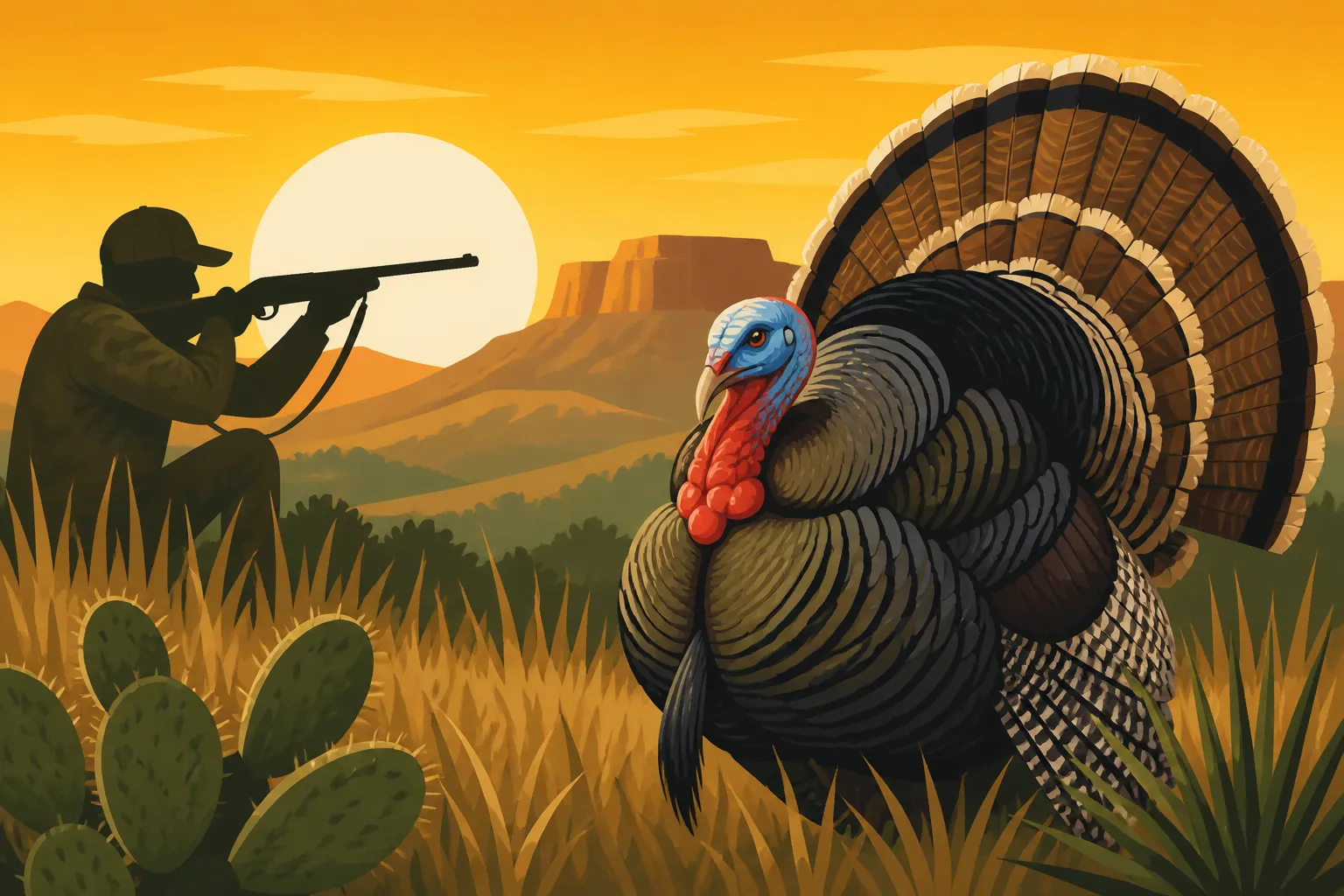
Rio Grandes are easily identifiable by their metallic bronze-green body plumage, often with a copper sheen, and buff-colored tail feathers with distinctive dark bands. Unlike their Eastern counterparts, Rio Grandes typically have lighter, buff-colored tips on their tail and tail covert feathers, rather than chestnut brown. Their heads are usually featherless and range from red, white, and blue, changing in intensity with their mood. Males (gobblers or Toms) are larger, with prominent beards (a tuft of coarse bristles on their chest), and often have visible spurs on their legs, which they use in territorial disputes. Hens (females) are smaller and generally duller in color, lacking a beard or having a very small one.
These birds thrive in open woodland, scrubland, and riparian areas—places where they can find a mix of cover for roosting and foraging, and open spaces for strutting and predator detection. In Texas, this means they're right at home in the mesquite flats of South Texas, the oak savannas of the Edwards Plateau, and the pecan bottoms along river drainages. They'll often be found near agricultural fields, especially those growing corn, wheat, or oats, which provide a reliable food source. Look for them along creek beds, river bottoms, and draws, which offer vital water sources and travel corridors, and often feature the mature trees they prefer for roosting.
Range and Population in Texas
Texas is the heartland of the Rio Grande turkey. While they can be found in several western states, the largest populations, by far, reside right here in the Lone Star State. Their primary range stretches across the vast central and western portions of Texas, encompassing the Edwards Plateau, Cross Timbers, South Texas Plains, and parts of the Trans-Pecos. The Edwards Plateau, in particular, is renowned for its dense turkey populations, often referred to as the "turkey capital" of the state.
Conservation efforts by organizations like the National Wild Turkey Federation (NWTF) and sound management practices by the Texas Parks and Wildlife Department (TPWD) have played a crucial role in maintaining healthy and robust Rio Grande populations. Through habitat improvement projects, responsible hunting regulations, and translocation programs in earlier decades, the Rio Grande has rebounded dramatically from historical lows. This strong population base is what allows Texas hunters to enjoy such incredible opportunities each spring and fall. However, localized drought conditions or habitat fragmentation can still impact populations, so staying informed on regional reports is always a good idea.
Life Cycle and Behavior Patterns
Understanding the annual cycle of a Rio Grande turkey is fundamental to hunting them effectively. Their lives revolve around food, water, cover, and reproduction. As spring approaches, the social dynamics shift dramatically. The Toms, which spent winter in bachelor groups, become highly territorial and begin their elaborate courtship displays. They'll fan their tails, strut proudly, and gobble loudly to attract hens and challenge rival males. This is the period we hunters eagerly await.
Hens, after mating, will disperse to nest, typically in dense brush, tall grasses, or under fallen logs, laying a clutch of 8-15 eggs. During this time, the gobblers continue their strutting and calling, hoping to attract additional hens or re-attract those that have finished laying. Once the eggs hatch, usually around late May to early June, the poults (young turkeys) are incredibly vulnerable. Hens will lead them to areas with abundant insects and cover, where they'll grow rapidly throughout the summer. As fall approaches and food sources change, turkeys often flock up into larger groups, with hens and poults forming their own separate groups from the adult gobblers. Their daily routine generally involves flying down from roosts at dawn, foraging throughout the morning, midday loafing in shaded areas, and then feeding again in the late afternoon before flying back up to roost at dusk.
Key Texas Seasons and Regulations for Rio Grandes
Navigating Texas hunting regulations can sometimes feel like trying to untangle a ball of fishing line. But for Rio Grande turkeys, it's pretty straightforward, and knowing the specifics is absolutely critical to a legal and ethical hunt.
Spring vs. Fall Turkey Seasons by Zone
Texas offers both a spring and a fall turkey season for Rio Grandes, but the dates and bag limits vary significantly by ecological region. The vast majority of Rio Grande hunting occurs during the spring, which is when the gobblers are most vocal and active in their breeding displays. The state is generally divided into North and South Zones for spring turkey hunting, with additional regulations for specific counties.
The North Zone typically sees its spring season open in late March and run through early May, while the South Zone often opens a few weeks earlier in mid-March and concludes a bit sooner. There are also specific counties, often in the eastern reaches of the Rio Grande's range, that have shorter seasons or different dates. The general bag limit for Rio Grande turkey in the spring is usually four gobblers, but it's vital to check the current Texas Parks and Wildlife Department Outdoor Annual for exact dates and county-specific rules each year. You can find comprehensive details on all the dates and zones in the "Texas Turkey Season 2026: Spring & Fall Zones" guide.
Fall turkey season, while less popular for gobblers due to their reduced vocalizations, offers a unique opportunity. Fall seasons are often longer, starting in early November and running through late January or even into February in some zones. The significant difference in fall is that any turkey—hen or gobbler—is typically legal, though the bag limit is still often one or two birds per season. This provides a great chance to harvest a bird for the table or to practice calling and hunting techniques without the intense pressure of spring's gobbler fever. Always double-check the current year's Outdoor Annual for precise dates and bag limits, as these can be subject to change.
License and Tagging Requirements
To hunt Rio Grande turkeys in Texas, you'll absolutely need a valid Texas hunting license. For most residents, the general hunting license, often purchased as part of the "Texas Hunting License: Cost, Types & How to Buy (2026)" (Super Combo License), will cover your turkey hunting privileges. Non-residents will need to purchase a non-resident general hunting license. In addition to the base license, you'll need an Upland Game Bird endorsement, which is typically included with the Super Combo but needs to be added separately for other license types.
Crucially, each harvested Rio Grande turkey must be tagged immediately after the kill. Your hunting license will come with specific turkey tags (often labeled "Rio Grande Turkey"). You must legibly fill out the date of harvest and the county, then attach the tag to the bird. This is not optional; it's a legal requirement. Furthermore, once you've tagged your bird, you are required to report your harvest to the TPWD. This can be done online through the My Texas Hunt Harvest system, or via the mobile app. This harvest reporting provides critical data for wildlife biologists to manage turkey populations effectively. You can learn more about this process in our guide on "Texas Hunting Tags & Harvest Reporting (My Texas Hunt Harvest". Remember, failing to tag or report your harvest can result in fines and legal trouble, so always err on the side of caution and follow the rules to the letter.
Bag Limits and Legal Shooting Hours
Understanding bag limits and legal shooting hours is paramount for ethical and lawful hunting. For Rio Grande turkeys during the spring season, the statewide bag limit for most areas is four gobblers. It's important to be able to identify a gobbler versus a hen in the field, especially given the "bearded hen" phenomenon, though bearded hens are generally protected under the "gobbler-only" rule. Always ensure you are targeting a male bird. Some counties may have more restrictive limits, so the Outdoor Annual is your best friend here.
Legal shooting hours for turkey hunting generally follow the same rules as other game animals in Texas: one-half hour before sunrise to one-half hour after sunset. This gives you a good window to catch birds flying off the roost in the morning or heading back to roost in the evening. However, the most productive times for turkey hunting are typically the early morning hours when gobblers are actively calling and seeking hens, and the late afternoon as they prepare to roost. Midday can be slower, but turkeys are still out and about. Never take a shot if you're unsure of the time or if light conditions are too poor for a clean, ethical shot. Safety and fair chase are always the top priorities.
Prime Hunting Grounds for Rio Grandes in Texas
Texas is a massive state, and while Rio Grandes are widespread, some areas are undeniably better than others. Knowing where to focus your efforts can drastically improve your chances of success.
Public Hunting Opportunities (WMAs)
For those without private land access, Texas offers some excellent public hunting opportunities, primarily through Wildlife Management Areas (WMAs) managed by the Texas Parks and Wildlife Department. These areas often require an Annual Public Hunting (APH) Permit, which is an add-on to your regular hunting license and grants access to hundreds of thousands of acres across the state. While competition can be higher on public land, many WMAs hold healthy populations of Rio Grandes.
Key regions for public turkey hunting include the Cross Timbers and the Edwards Plateau. WMAs like Granger WMA, Cooper Lake WMA, and Pat Mayse WMA in the Cross Timbers often have strong turkey numbers, though drawing a permit for these can be competitive. In the Edwards Plateau, known for its high deer density and, consequently, good turkey populations, you might find opportunities on tracts like the Kerr WMA or parts of the Mason Mountain WMA, often available through drawn hunt programs. While not all public lands are prime turkey spots, some offer fantastic experiences. You can dive deeper into these options by exploring "Public Hunting in Texas: WMAs & Annual Public Hunting Permit". Always check the specific regulations and drawing requirements for each WMA well in advance, as many operate on a lottery system or have limited permits.
Private Land Leases and Day Hunts
Let's be honest, the vast majority of Rio Grande turkey hunting in Texas happens on private land. Texas is over 95% private land, and finding a good hunting lease or booking a day hunt is the reality for most turkey enthusiasts. Hunting leases can vary wildly in price and quality, from a small group lease on a few hundred acres to expansive corporate leases. Many leases that are primarily for deer also offer excellent turkey hunting.
When looking for a lease, prioritize properties with a good mix of mature trees (for roosting), open fields or pastures (for strutting and feeding), and water sources like tanks or creeks. The "Hunting Leases in Texas: Complete Guide (Cost & How to Find)" offers a great starting point for navigating this process. Day hunts are another popular option, especially for those who can't commit to a full season lease. Many outfitters in the Hill Country and South Texas offer guided or semi-guided turkey hunts. These can be more expensive but often provide a higher chance of success due to the outfitter's intimate knowledge of the property and turkey behavior. Expect to pay anywhere from a few hundred to over a thousand dollars for a quality guided day hunt, depending on what's included.
Regional Hotspots Across the State
While Rio Grandes are widespread, certain regions consistently produce exceptional hunting opportunities. The Edwards Plateau, nestled in the heart of Texas, is arguably the most famous turkey hunting region. Counties like Sutton, Edwards, Kimble, and Gillespie are legendary for their dense populations and big, vocal gobblers. The terrain here—rolling hills, oak mottes, and juniper thickets—is ideal turkey habitat. If you're looking for a classic Hill Country turkey hunt, this is your zone. You can explore more about this region in our "Hill Country Hunting in Texas" guide.
Another prime area is the Cross Timbers, stretching across north-central Texas. Here, the mix of post oaks, blackjacks, and mesquite flats creates fantastic habitat, particularly in counties like Palo Pinto, Stephens, and Jack. Turkeys here are often found along river drainages like the Brazos and Colorado Rivers. Finally, parts of the South Texas Plains can also offer excellent Rio Grande hunting, especially in counties that aren't quite as heavily brushed as the deep South Texas mesquite country. Look for areas with a mix of senderos, open fields, and mature trees along creeks. While these birds can be a bit more elusive in the dense brush, their sheer numbers in good years can be impressive.
| Texas Rio Grande Turkey Hotspots | Key Characteristics | Typical Habitat | Access Type |
|---|---|---|---|
| Edwards Plateau | High bird density, vocal gobblers, classic Hill Country scenery | Rolling hills, live oak mottes, juniper, spring-fed creeks | Private lease, guided hunts, some drawn hunts |
| Cross Timbers | Good density, diverse terrain, excellent river bottom hunting | Oak forests, mesquite flats, pastures, major river drainages | Private lease, some WMAs/drawn hunts |
| South Texas Plains (Northern Edge) | Good density, challenging but rewarding, often near agricultural land | Mesquite, prickly pear, open fields, senderos, creek bottoms | Private lease, guided hunts |
Essential Gear for Texas Turkey Hunting
Success in turkey hunting isn't just about calling; it's also about being properly equipped. Having the right gear can make the difference between a frustrating morning and a triumphant one.
Shotguns, Chokes, and Ammunition
When it comes to harvesting a gobbler, a shotgun is the traditional and most effective tool. While rifles are legal on private land for turkeys in Texas, the dynamic nature of turkey hunting often makes a shotgun the better choice for quick, ethical shots at varying distances. Most hunters opt for a 12-gauge, 20-gauge, or even a .410, with modern loads making smaller gauges incredibly effective. A 12-gauge remains the most popular for its versatility and wide array of available ammunition.
The key to a tight, deadly pattern is the choke and ammunition combination. A "full" or "extra full" choke is absolutely essential for turkey hunting, as it constricts the shot pattern to deliver a high concentration of pellets to the turkey's head and neck—the only reliable kill zone. Many hunters now opt for specialized turkey chokes, such as those made by Carlson's or Indian Creek, which are designed to produce even tighter patterns at longer ranges. As for ammunition, modern turkey loads have revolutionized the game. Look for high-density, heavy-hitting shot like #4, #5, or #6 lead, or even heavier-than-lead options like Federal Premium's Heavyweight TSS or Winchester Longbeard XR. These specialized loads, combined with a tight choke, can extend your effective range out to 40-60 yards, but always pattern your shotgun with your chosen load and choke before hitting the field to know its true capabilities.
Calls and Decoys
Turkey calls are your voice in the woods, and mastering a few different types will significantly increase your success. The most versatile calls include diaphragm (mouth) calls, slate calls, and box calls. A diaphragm call allows for hands-free operation, letting you keep your shotgun mounted and ready. They take practice but can produce a wide range of realistic turkey sounds, from soft yelps to aggressive cutting. Slate calls (or pot calls) are great for clear, sharp yelps and purrs, and are often easier for beginners to learn. Box calls are loud and excellent for locating birds or making aggressive sounds that carry well. Carrying a variety of calls gives you options to adapt to different scenarios. You can learn more about mastering these in our guide on "Turkey Calling & Tactics for Texas Rios".
Decoys, when used strategically, can be incredibly effective at drawing in an otherwise hesitant gobbler. A simple setup of one or two hen decoys can be enough to pique a Tom's interest. Adding a jake decoy can be particularly potent, as it often infuriates dominant gobblers, compelling them to come in and confront the perceived intruder. Brands like Avian-X and Primos offer realistic and durable turkey decoys. Proper placement is key: position decoys where the gobbler will approach from a comfortable distance, giving you an ethical shot. In open terrain, you might place them 20-30 yards from your position, ensuring the approaching bird is well within your effective range when it sees them.
Camouflage and Concealment
Turkeys have incredibly sharp eyesight, often described as being able to see a flea blink at 40 yards. This means that top-notch camouflage and meticulous concealment are non-negotiable. Head-to-toe camo is essential, covering every inch of exposed skin, including your face (with a mask or paint) and hands (with gloves). Natural patterns that blend with the Texas landscape, such as Mossy Oak Bottomland, Realtree AP, or True Timber Strata, are excellent choices.
When setting up, natural cover is your best friend. A thick tree trunk, dense brush, or a natural rise in the ground can break up your silhouette. Ground blinds, either pop-up models or carefully constructed natural blinds, offer superior concealment, especially for bowhunters or when hunting with children. Blinds not only hide your movement but also protect you from the elements. While pop-up blinds by companies like Ameristep or Primos are convenient, ensuring they blend into the background is still crucial. Remember to trim shooting lanes before the season if possible, so you don't spook birds while hunting.
Optics and Other Necessities
While not as critical as for deer hunting, good optics can still play a role in turkey hunting, especially for locating distant birds or identifying them before making a move. A lightweight pair of binoculars (8x or 10x magnification) can help you spot subtle movements or verify a bird's identity from afar, minimizing unnecessary movements. A rangefinder is also a useful tool, especially when using a shotgun, to accurately gauge distances and ensure the bird is within your effective pattern range.
Beyond the core hunting gear, several other items are crucial for a comfortable and safe hunt in the Texas outdoors. "Best Snake Boots for Texas Hunting" are a non-negotiable item, especially in the spring, as venomous snakes like rattlesnakes and copperheads are active. Bug spray, particularly with DEET, will be your best defense against mosquitoes, ticks, and chiggers. Carry plenty of water, as spring temperatures can soar, and a small first-aid kit is always a smart addition to your pack. A comfortable hunting vest with plenty of pockets for calls, shells, and snacks will keep your essentials organized and easily accessible.
Proven Tactics for Hunting Rio Grande Turkeys
Hunting Rio Grandes isn't just about pointing and shooting; it's a chess match requiring strategy, patience, and adaptability. Here's how to stack the odds in your favor.
Pre-Season Scouting and Roosting
The foundation of any successful turkey hunt is thorough pre-season scouting. You can't just show up on opening morning and expect birds to magically appear. Start weeks, even months, before the season. Look for signs of turkey activity: tracks in sandy creek beds, wing-drag marks in dusty roads from strutting gobblers, droppings, and shed feathers. Identify preferred travel corridors, feeding areas (like agricultural fields or acorn flats), and, most importantly, roosting sites.
Roosting is arguably the most critical scouting component. Rio Grandes prefer mature trees, often pecans, cottonwoods, or large oaks, typically near water sources or along creek bottoms. The night before a hunt, drive or walk quietly in potential roosting areas, listening for gobblers sounding off before flying up to their trees or at first light. You can also use "shock calls" like an owl hooter or crow call to elicit a "gobble" response, helping you pinpoint their location without spooking them. Trail cameras, though often used for deer, can also be invaluable for patterning turkeys, showing you their travel routes, preferred feeding spots, and even when they hit specific fields. Check out "How to Pattern Bucks With Trail Cameras" for more details on trail camera strategies, which can easily be adapted for turkeys. Knowing where a gobbler is roosted gives you a massive advantage for an early morning setup.
Calling Strategies and Setup
This is where the art of turkey hunting truly shines. Effective calling is about mimicking the natural sounds of a hen to attract a gobbler. In the spring, gobblers are looking for love, so convincing hen calls are your best bet. Start with soft tree yelps from your roosted position, then transition to fly-down cackles and louder yelps once you're on the ground. Vary your calls: a series of clucks and purrs can entice a bird, while excited cutting might trigger a gobbler to come running. For a deep dive into vocalizations, consult our guide on "How to Call Rio Grande Turkeys in Texas".
Your setup is just as crucial as your calling. If you've roosted a bird, set up in a concealed position 100-150 yards from its roost tree, allowing enough space for the bird to fly down and approach. Choose a spot with a good, clear shooting lane, and ensure you have a solid backdrop (like a thick tree trunk) to break up your silhouette. If using decoys, place them in an open area where they're visible, usually 20-30 yards from your position, facing away from your likely shot approach. This encourages the gobbler to pass by the decoys, presenting a broadside or slightly quartering-away shot as he approaches. Patience is paramount; a gobbler might take an hour or more to commit, circling, strutting, and testing your resolve.
Run-and-Gun vs. Static Hunting
Turkey hunting often involves a choice between two main tactical approaches: static hunting and run-and-gun.
Static hunting (or sit-and-wait) is typically employed when you've successfully roosted a bird, know its general area, or are hunting over a known feeding or strutting location. You set up before dawn, get comfortable, and then begin your calling sequence. This method prioritizes concealment and minimal movement. It's excellent for patient hunters, especially those using ground blinds, and is often preferred for public land where pressure might be higher, and a cautious approach is best. The advantage is that you're well-hidden, and a bird might come in without ever knowing you're there. The disadvantage is that if the birds don't come to your setup, you're not actively seeking them out.
Run-and-gun is a more aggressive tactic, favored by those who enjoy actively pursuing birds. This involves covering ground, stopping every few hundred yards to make a series of loud "locator" calls (like a crow or owl hooter, followed by a series of aggressive hen yelps or cutting), and then listening intently for a responsive gobble. Once you hear a gobble, you quickly and quietly move to get closer to the bird, trying to set up a new calling position to draw him in. This method is fantastic for covering a lot of territory, especially when scouting indicates widespread but dispersed birds, or when birds are not being very vocal on the roost. However, it requires excellent woodsmanship, physical fitness, and the ability to move silently and set up quickly. The risk is that you might inadvertently spook birds or walk past one that was quietly approaching. Both methods have their place, and experienced hunters often switch between them depending on the birds' behavior and the terrain.
Dealing with Hung-Up Toms and Educated Birds
One of the most frustrating aspects of Rio Grande turkey hunting is dealing with a "hung-up" gobbler. This is a bird that gobbles consistently, answers your calls, and seems interested, but refuses to come into range, often staying just out of sight behind a ridge or across a fence line. Educated birds, those that have been hunted before, are particularly prone to this behavior. They know the drill and are wary.
When faced with a hung-up Tom, several strategies can help. First, try changing your calling intensity. If you've been calling aggressively, try backing off to soft clucks and purrs, mimicking a hen that's losing interest. Conversely, if you've been too quiet, some excited cutting might just push him over the edge. Second, change your call type; sometimes a different tone from a slate, box, or diaphragm call can make a difference. Third, consider your decoy setup. If you only have hens, adding a jake decoy can sometimes provoke an aggressive gobbler to commit. Fourth, and perhaps most effectively, try the "decoy fanning" or "reaper" method. This involves using a full-strut gobbler or jake decoy to crawl towards the hung-up bird, but this is an extremely aggressive tactic and should only be used in very specific, safe situations where you are absolutely certain of your background and that you won't be mistaken for a real turkey by another hunter. Finally, patience and persistence are key. Sometimes, simply waiting him out, or walking away and returning a few hours later, can change his mind. If a bird absolutely won't budge, it might be time to pack up, reposition, and try from a different angle or location.
Post-Harvest Care and Processing
Harvesting a Rio Grande gobbler is a moment of triumph, but the work isn't over yet. Proper post-harvest care is crucial, especially in the often-warm Texas climate, to ensure you get the best quality meat from your bird.
Field Dressing a Turkey in Texas Heat
Texas heat can be brutal, even in spring. A turkey's body heat, combined with external temperatures, can quickly spoil meat if not addressed promptly. The moment you harvest your bird, the clock starts ticking. The first step is to bleed the bird out. This can be done by cutting the jugular vein in the neck or by completely severing the head. While some hunters prefer to transport the bird whole, especially for taxidermy, field dressing the bird is highly recommended, especially on warmer days, to cool the carcass quickly.
To field dress, lay the bird on its back. Make an incision from the sternum down to the vent. Reach inside and remove all internal organs, including the heart, liver, and gizzard (which can be saved for cooking). You'll want to clear out the entire cavity. If you have access to water, rinse the cavity thoroughly to remove any blood or debris. Immediately after field dressing, get the bird into a cooler with plenty of ice. Pack ice inside the body cavity and around the outside. The goal is to bring the bird's internal temperature down as rapidly as possible. If you're far from a cooler, even a quick shade and airflow can help. Our detailed guide on "Field Dressing & Processing Game in Texas Heat" offers more general advice applicable to all game in warm weather.
Transporting and Legal Requirements
Once field dressed and cooled, you need to be mindful of transportation regulations. Your harvested turkey must remain tagged until it reaches its final destination for processing. The tag must be securely attached to the bird, typically to a leg. When traveling across county lines, especially if you've quartered the bird, it's always wise to leave a "proof of species" attached to each major part—a leg, wing, or piece of breast with skin still on—to aid identification by game wardens. This isn't always a strict legal requirement for turkeys like it can be for deer, but it eliminates any potential questions.
Additionally, be aware of any Chronic Wasting Disease (CWD) zones you might be traveling through or from. While CWD is primarily a deer disease, certain regulations might apply to the transport of any cervid or exotics out of affected zones, and it's always good practice to stay informed. For turkeys, the main focus remains on proper tagging and harvest reporting. Once you get your bird home or to a processor, make sure to report your harvest to the TPWD via the My Texas Hunt Harvest system within 24 hours. This data is vital for wildlife management.
Culinary Uses and Meat Care
Rio Grande turkey meat is lean, flavorful, and incredibly versatile. The breast meat is the most prized, offering a mild, slightly gamey taste that is less intense than wild duck but richer than store-bought chicken. The leg and thigh meat, while tougher due to the turkey's active lifestyle, is packed with flavor and excellent for slow-cooking methods.
After processing, wrap the meat tightly in freezer paper, vacuum-seal it, or place it in freezer bags, removing as much air as possible to prevent freezer burn. Properly stored, turkey meat can last up to a year in the freezer. For cooking, breast meat is fantastic pan-fried, grilled, or roasted. Consider brining the breast meat overnight before cooking to keep it moist and tender. For the legs and thighs, slow-cooking methods like braising, stewing, or grinding for sausages are ideal. Many hunters also make delicious wild turkey jerky or chili. Don't forget the giblets (heart, liver, gizzard) and neck, which can be used to make a rich gravy or stock.
Common Challenges and Troubleshooting
Even the most seasoned turkey hunters encounter challenges. Texas weather and diverse wildlife can throw curveballs, making adaptability a key trait for success.
Weather Extremes and Their Impact
Texas weather is notoriously unpredictable and can dramatically affect turkey behavior.
- Heat: Spring in Texas can feel like summer. High temperatures (80s-90s Fahrenheit) can make gobblers less active vocally, especially during the middle of the day. They'll often seek dense shade, becoming more cautious. Hunters need to adjust by focusing on early mornings and late evenings, and perhaps using softer, more subtle calls that mimic a less enthusiastic hen. Hydration is also paramount for the hunter.
- Rain: Light rain can sometimes make turkeys more active, as it softens the ground and can make insects more accessible. However, heavy downpours can shut down gobbling completely, driving birds into thick cover. If it's raining, focus on areas with good overhead cover, and be prepared for a quiet hunt, relying more on visual cues.
- Wind: Wind is arguably the biggest challenge. Strong winds make it incredibly difficult for turkeys to hear your calls, and equally hard for you to hear distant gobblers. It also makes them more wary of predators, as their primary sense of hearing is compromised. In windy conditions, focus on hunting areas that offer some natural protection from the wind, like creek bottoms, draws, or the leeward side of hills. You'll need to call louder and more frequently, and be prepared to move much closer to birds to get a response. Also, consider using decoys more heavily, as they offer a visual cue when auditory cues are difficult.
Dealing with Predation and Competition
Rio Grande turkeys share their habitat with a host of other creatures, some of which can impact your hunt.
- Predators: Coyotes, bobcats, and even large raptors are common turkey predators. A gobbler might suddenly go silent or become extremely wary if a predator is nearby. Sometimes, a gobbler's sudden silence might mean he's seen a coyote, not that he's lost interest in your calls. You might even hear predator calls (coyote howls, bobcat screams) that spook your birds. Learning about "Predator Calling for Coyotes in Texas" can give you insights into their behavior, though you're unlikely to try and call them in during a turkey hunt.
- Feral Hogs: Texas has a massive feral hog population, and these intelligent, destructive animals can compete with turkeys for food sources and even destroy nests. While they don't directly stalk adult turkeys, their presence can certainly disrupt turkey patterns and make birds nervous. If you encounter hogs, they often demand your attention, as they can quickly ruin a good turkey setup.
- Other Hunters: On public lands and even some crowded private leases, competition from other hunters is a reality. Always know where other hunters are, if possible, and communicate effectively. Never stalk another hunter's calls. Wear orange when moving through the woods (but change to full camo when set up) and be absolutely certain of your target and what's beyond it before taking a shot. Ethical hunting means respecting other hunters' experiences and prioritizing safety above all else.
Ethical Hunting Practices and Conservation
As hunters, we are the frontline of conservation. Ethical hunting practices ensure a sustainable future for Rio Grande turkeys and the sport we love. This includes:
- Fair Chase: This principle dictates that hunters do not use methods that give them an unfair advantage over the game. For turkeys, this means not shooting them off the roost, avoiding road hunting, and not pursuing birds that are clearly in an impossible-to-reach location. It’s about giving the bird a fair chance.
- Respecting the Resource: Only harvest what you can use and respect bag limits. Responsible harvesting ensures healthy populations for future generations. It also means leaving the land better than you found it, picking up trash, and not damaging habitat.
- Supporting Conservation: A portion of every hunting license and tag purchase in Texas goes directly to wildlife management and conservation efforts. Additionally, supporting organizations like the National Wild Turkey Federation (NWTF) or your local TPWD initiatives directly contributes to the health of turkey populations and their habitat. Hunter education is also a critical component, ensuring new hunters understand not just the rules, but the ethos of responsible hunting.
Maximizing Your Texas Rio Grande Experience
Hunting Rio Grande turkeys in Texas is more than just bagging a bird; it's about the entire experience. It's the pre-dawn drive, the walk through the dewy fields, the symphony of the awakening woods, and the thrilling interaction with a wild creature.
Patience and Persistence Pay Off
If there's one trait that defines successful turkey hunters, it's patience. Turkeys operate on their own schedule, not yours. A gobbler might shock gobble furiously on the roost and then land silently, taking his sweet time to approach your calls, or he might circle widely, testing your resolve. You could sit for hours without hearing a peep, only for a hot gobbler to appear seemingly out of nowhere. Rushing a setup, fidgeting, or giving up too early are common mistakes.
Persistence goes hand-in-hand with patience. One quiet morning doesn't mean the area is devoid of birds. It might mean you need to move to a different spot, change your calling strategy, or simply come back the next day. Sometimes, that silent gobbler just needed a little more convincing, or you just happened to be in the right place at the right time after hours of trying. Embrace the challenge, enjoy the quiet moments, and have faith that your efforts will eventually be rewarded. The stories of hard-earned birds are always the best ones.
Learning from Every Hunt
Every single turkey hunt, whether successful or not, is a learning opportunity. What worked? What didn't? Why did that gobbler hang up? Why did he come in silent? Keep a hunting journal. Note the weather conditions, time of day, calls used, decoy setup, and the turkey's reaction. Did he gobble strongly from the roost but fly down in the opposite direction? Did he commit quickly to aggressive calling or prefer subtle purrs?
Analyzing these details after each hunt allows you to refine your tactics and become a more effective hunter. Pay attention to how the birds react to pressure, to different types of calls, and to changes in their environment. Adaptability is key. What worked last season or even last week might not work today. The best turkey hunters are constantly learning, observing, and adjusting their approach based on the specific birds and conditions they encounter in the field.
Sharing the Tradition
Turkey hunting is a fantastic tradition to share with others. Introducing new hunters, especially youth, to the sport is not only rewarding but vital for the future of hunting. There's nothing quite like seeing the excitement in a child's eyes as a gobbler thunders for the first time or as they witness a magnificent Tom strutting in full display.
Mentoring new hunters instills respect for wildlife, conservation, and the outdoors. It teaches patience, observation, and the thrill of ethical pursuit. Consider taking a friend or family member who's new to hunting on a turkey trip. Texas Parks and Wildlife Department even offers special youth hunting weekends, which are excellent opportunities to get young hunters involved. Sharing your knowledge, your calls, and your experiences helps ensure that the tradition of Rio Grande turkey hunting in Texas continues to thrive for generations to come.
Disclaimer
Please note that hunting regulations, seasons, and licensing requirements in Texas can change. Always consult the current year's official Texas Parks and Wildlife Department Outdoor Annual or their website before planning and executing any hunt to ensure compliance with all state and local laws. This guide is for informational purposes only and does not constitute legal advice.