How to Hunt Dove in Texas (Step by Step)
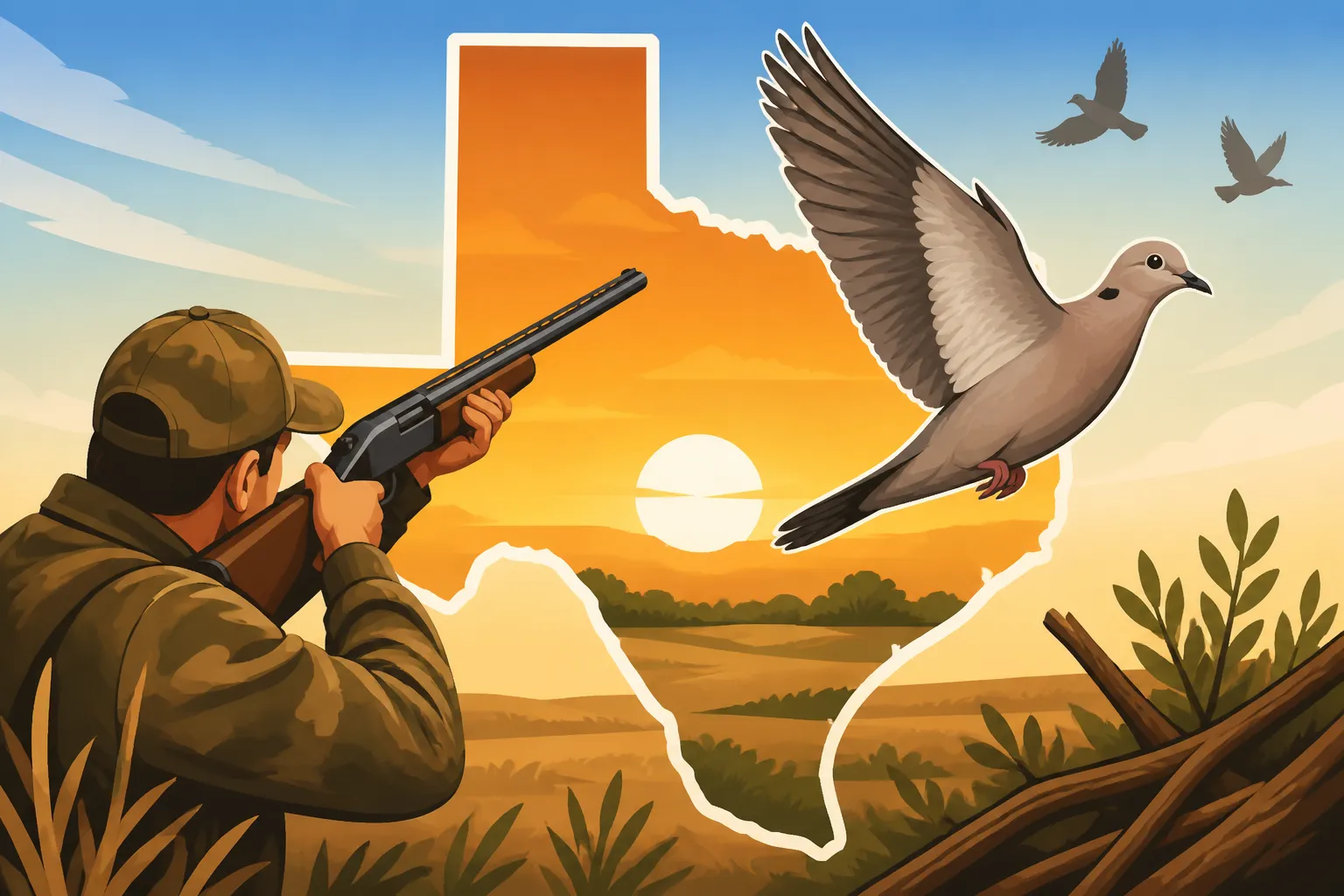
The Texas dove opener is practically a holiday for many of us, but let's be real: for a newcomer, or even someone who's only hunted a couple of times, the sheer volume of information can be overwhelming. From understanding confusing zone dates to picking the right spot in a field, it often feels like you need a secret decoder ring just to get started. This guide is going to walk you through everything you need to know about how to hunt dove in Texas, step by step, so you can ditch the confusion and head to the field with confidence this season.
Understanding Texas Dove Seasons and Regulations
One of the biggest head-scratchers for new dove hunters in Texas is definitely the season structure. It’s not just one big, uniform season across the entire state. Texas is so vast that the doves migrate and breed at different times, so the Texas Parks and Wildlife Department (TPWD) breaks it down into distinct zones, each with its own start and end dates. Getting this right is your first, and most crucial, step.
Navigating the Zones: North, Central, and South
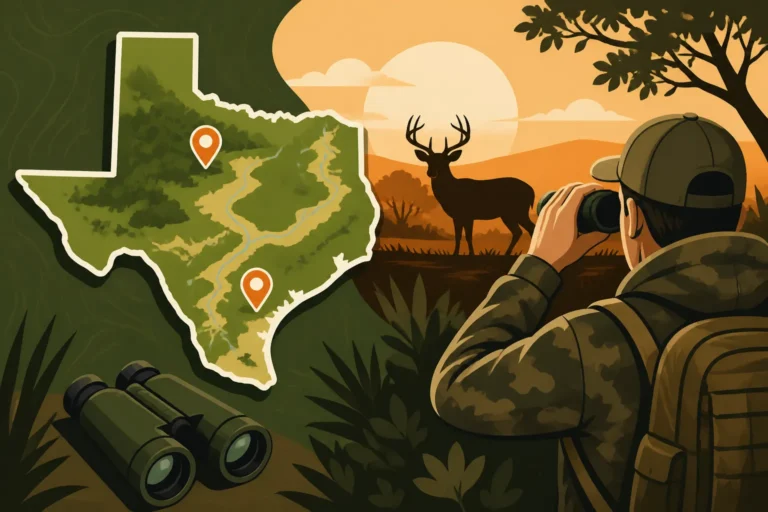
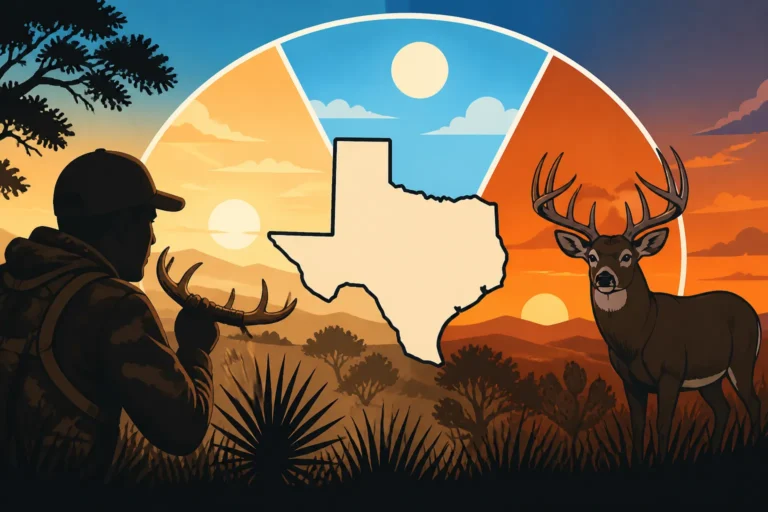
Texas is massive, stretching from the Panhandle down to the Rio Grande, and the dove populations and their migration patterns reflect that. To manage the hunting pressure and account for breeding cycles, the state is divided into North, Central, and South Dove Zones. Each zone generally has an early September opener, but the specific dates, especially the split seasons and late-season opportunities, can vary quite a bit.
For example, the North Zone often opens around September 1st, and its boundaries essentially trace a line across the state roughly from the New Mexico border near Clovis, eastward towards Texarkana. If you're hunting up in the Panhandle, like around Amarillo, or over in the Pineywoods near Texarkana, you're likely in the North Zone. The Central Zone usually opens on the same date, extending south from the North Zone line down to a line that runs just south of San Antonio, then east to the Gulf Coast. This includes popular areas like the Dallas-Fort Worth metroplex, the Hill Country, and the vast central plains. Finally, the South Zone covers everything below that Central Zone line, encompassing prime hunting grounds in South Texas, like around Corpus Christi and Laredo, all the way to the Mexican border. This zone often has a later first split and a longer overall season, sometimes extending well into January, which is fantastic for those wanting to chase birds deeper into the fall and winter.
These zones and their specific dates are published annually in the Outdoor Annual. Trust me, it's worth checking out the latest "Texas Dove Season 2026: Zones & Dates" every year, because while the general structure remains, specific dates can shift slightly. Knowing which zone you're in helps you plan your trips, set up your lease calendar, or coordinate with friends on public lands. There's nothing worse than showing up ready to hunt only to realize you're a week early or late for the specific zone you're in!
Essential Licenses and Endorsements
Before you even think about loading a shell, you need to make sure your paperwork is in order. Hunting without the proper licenses in Texas is a surefire way to ruin your day and lighten your wallet considerably. It’s not just about buying a license; there are specific endorsements for migratory birds.
The core of it all is your general hunting license. For most resident hunters, the "Super Combo" license is the go-to. It includes everything you need for hunting most game animals, including dove, as well as fishing. It's often the most cost-effective option if you plan to do more than just dove hunt. For those just starting out, or maybe visiting from out of state, you'll need a different "Texas Hunting License: Cost, Types & How to Buy (2026)" and ensure it covers migratory game birds.
Beyond the general license, you absolutely must have a Migratory Game Bird Endorsement (Type 507) and be HIP (Harvest Information Program) certified. These aren't optional for dove hunting. The Migratory Game Bird Endorsement is a small fee, and the HIP certification is free but mandatory. It's basically a short survey about your past migratory bird hunting success that helps wildlife agencies manage populations. You can usually get both of these added when you purchase your main license online, at a sporting goods store like Academy or Bass Pro Shops, or from any authorized license retailer. For youth hunters under 17, they typically still need to be HIP certified, even if they don't require a full hunting license. It’s always best to check the current regulations for "Texas Youth & Senior Hunting License" to ensure everyone in your party is compliant.
Here’s a quick overview of what you’ll typically need:
| License/Certification | Description | Cost (Approximate, Varies) | Mandatory for Dove? |
|---|---|---|---|
| Annual Hunting License | Base license required for hunting most game in Texas (e.g., Resident Hunting License, Super Combo, Non-Resident Special Five-Day Migratory) | $25 – $68 | Yes |
| Migratory Game Bird Stamp | An endorsement required to hunt all migratory game birds (ducks, geese, doves, rails, gallinules, snipe, coots, sandhill cranes, woodcock). | $7 | Yes |
| HIP Certification | Harvest Information Program certification, a free survey about past migratory bird hunting to help wildlife management. | Free | Yes |
| Federal Duck Stamp | Not required for dove hunting, but essential if you plan to hunt ducks or geese. | $25 | No |
Scouting and Setting Up Your Dove Field
Alright, you've got your licenses sorted. Now comes the fun part: finding where those elusive doves are going to be and setting up your ambush. Unlike deer or hog hunting, where you might be looking for tracks or rubs, dove hunting is all about finding food, water, and flight patterns. A good dove field isn't just a random patch of dirt; it's a strategically chosen location that ticks all the boxes for a dove's daily routine.
Key Elements of a Productive Dove Field
Doves are creatures of habit, and their habits revolve around survival: eating, drinking, and roosting. If you can locate an area that provides these three things, you're well on your way to a successful hunt.
First and foremost, you need food. Doves are primarily seed-eaters, and certain agricultural crops are absolute magnets. Think sunflowers, milo (grain sorghum), wheat, or even some native weeds like goatweed, croton, and ragweed. A freshly cut or disked field of these crops is often a goldmine because it makes the seeds readily accessible on the ground. When you're scouting, look for fields that are either actively being harvested or have recently been mowed or tilled. If a farmer has just cut a field of sunflowers, you can bet the doves will be there. The more abundant and accessible the food, the better. Consider looking into "How to Make Your Own Dove Field" if you have access to land, as strategically planting and managing a field can yield incredible results year after year.
Next, doves need water, especially in the often scorching Texas heat. A stock tank, a pond, or even a slow-moving creek can draw birds in like a magnet, particularly in the late afternoon. They'll often hit a water source right before heading to their roosting areas. Look for tanks with bare, muddy edges, as doves prefer to land and walk to water rather than flying directly into thick vegetation. It also helps if there's some gravel or grit nearby, as doves need small stones to help digest their food.
Finally, consider roosting and loafing areas. Doves love to perch on power lines, dead trees, or the tops of taller mesquite or oak trees. These spots offer a vantage point and a place to rest between feeding and watering cycles. A field bordered by these features can funnel birds right into your shooting lanes. Pay attention to how the birds enter and exit these areas during your scouting trips. This will give you crucial intel on where to position yourself. If you're hunting in an area without traditional fields, knowing "How to Hunt Dove Without a Field" means focusing even more intently on water sources and prominent roosting trees.
Strategic Blind Placement and Decoy Spreads
Once you've identified a promising field, the next step is to choose your exact setup location. This isn't just about finding a comfortable spot; it's about intercepting the birds and ensuring they come within range.
Think about the sun's position. You want the sun at your back, if possible, especially during the prime morning and evening flights. This puts the sun in the doves' eyes, making it harder for them to spot you, while also giving you a clearer view of incoming birds. Consider the prevailing wind direction too. Doves, like most birds, tend to land into the wind. If you can set up with the wind at your back, birds approaching your decoys will often present a better shot as they cup their wings to land.
For cover, you don't necessarily need an elaborate blind. Natural cover, like a clump of mesquite, a fence line overgrown with weeds, or even a deep ditch, can work perfectly. The key is to break up your outline. If natural cover is sparse, a simple pop-up blind can be invaluable. Some hunters prefer to hunt from a dove stool with a mesh back, which provides comfort and a little concealment. For more detailed guidance, checking out a resource like "Dove Field Setup: Where to Stand" can give you excellent visual examples.
Decoys are an absolute game-changer for dove hunting. They work by making your spot look like a safe landing zone where other doves are already feeding or resting. The classic setup involves static clip-on decoys placed on fence lines, dead branches, or small poles around your shooting area. However, motion decoys, often called "Mojo" doves, are incredibly effective. These battery-operated decoys have spinning wings that mimic a landing bird, catching the attention of passing doves from a great distance. A typical spread might include several static decoys around a few Mojo doves, creating a realistic landing strip effect. Place them where the doves would naturally want to land, ideally facing into the wind. Understanding the nuances of "Best Decoys for Dove Hunting in Texas" can significantly increase your success rate.
Gear Up for Success (and Comfort) in the Texas Heat
Dove season in Texas often kicks off in early September, which means one thing: heat. Brutal, unforgiving Texas heat. Your gear choices, therefore, need to prioritize both effectiveness and personal comfort to make sure you enjoy your hunt and stay safe.
Shotguns, Ammunition, and Choke Selection
When it comes to shotguns, most hunters opt for a 12-gauge or 20-gauge. Both are perfectly capable of bringing down doves, with the 12-gauge offering a bit more knockdown power and a denser pattern, while the 20-gauge is lighter and has less recoil, making it a favorite for younger hunters or those sensitive to recoil. Semi-automatic shotguns are popular for their fast follow-up shots, but over/under and side-by-side shotguns are also commonly used. Whatever you choose, make sure it fits you well and you're comfortable shooting it.
Ammunition choice is also critical. For doves, you want smaller shot sizes that create a dense pattern to hit these fast-flying, relatively small targets. Typically, 7.5 or 8 shot size is ideal. A 7.5 shot will give you a little more range and punch, while an 8 shot will provide a slightly denser pattern up close. Look for "field loads" or "target loads" in these sizes. You don't need heavy, expensive magnum loads for doves; standard dram loads are more than sufficient.
Your choke tube selection can make a big difference. For doves, which are often shot at varying ranges, a Modified or Improved Cylinder choke is usually a good starting point.
- Improved Cylinder (IC) offers a wider pattern, great for close-range shots (20-30 yards) when birds are decoying well or coming in hot.
- Modified (MOD) provides a slightly tighter pattern, extending your effective range a bit (25-40 yards) without being too restrictive.
- Some hunters might carry a Light Modified or even a Skeet choke for very close-range pass shooting. Avoid Full or Extra Full chokes, as they create patterns too tight for most dove hunting scenarios and can make hitting fast-moving birds unnecessarily difficult.
Personal Comfort and Essential Accessories
Remember that September heat? It's no joke. Your clothing choices are paramount. Opt for lightweight, breathable camouflage. Brands like Sitka, Kuiu, and even more affordable options like RedHead or Magellan, offer excellent early-season camo patterns designed to wick away moisture and keep you cool. Think light long-sleeved shirts to protect from the sun, and light pants. Many hunters swear by "Best Lightweight Camo for September Dove Hunting" to beat the heat.
Hydration is non-negotiable. Bring plenty of water, and consider electrolytes. A small cooler filled with ice and drinks is a lifesaver. Sunscreen, a wide-brimmed hat, and good sunglasses are also must-haves. Don't forget bug spray, especially if you're near water sources or in an area with a lot of tall grass.
Beyond comfort, some accessories will just make your hunt smoother. A comfortable dove stool or a 5-gallon bucket with a padded lid is essential for sitting for extended periods. A shell bag or vest with easily accessible pockets for your ammunition will save you from fumbling. And finally, a good cooler for your harvested birds is critical. The Texas heat can spoil game meat quickly, so having a "Best Cooler for a Hunting Lease Camp" that can keep ice for days is a sound investment. Get those birds on ice immediately after cleaning.
Ethical Hunting and Post-Hunt Practices
Hunting is more than just pulling a trigger; it's about respecting the game, the land, and your fellow hunters. Ethical practices ensure a sustainable future for the sport and maintain a positive image for all hunters. This is especially true when hunting a popular species like dove, where fields can sometimes see a lot of activity.
Understanding Bag Limits and Cleaning Your Birds
Every hunter needs to know and adhere to the daily bag limit and possession limit for doves. The daily bag limit is the maximum number of birds you can harvest in a single day. The possession limit is the maximum number of birds you can have on hand at any given time, including those you've already taken home and stored. These limits are clearly outlined in the Texas Outdoor Annual and are designed to ensure sustainable populations. It's crucial to correctly identify the species of dove you're shooting (Mourning, White-winged, or Eurasian Collared), as limits can vary slightly, especially for White-winged doves in certain zones. You can usually find great resources on "White-Winged vs Mourning Dove in Texas" to help with identification.
Once you’ve harvested your birds, the work isn't over. In the Texas heat, getting your doves cooled down quickly is paramount to preserving the meat. Many hunters field dress their doves right in the field. This usually involves breasting them out – removing the breast meat from the bone. This significantly reduces the bulk and allows the meat to cool much faster than if the entire bird were left intact.
Here's a quick step-by-step for field dressing a dove:
- Locate the Breastbone: Feel for the prominent breastbone running down the center of the bird's chest.
- Make an Incision: Use your thumb or a small, sharp knife to make a shallow cut through the skin along one side of the breastbone.
- Separate the Meat: Gently pull the breast meat away from the breastbone and ribs, working your thumbs under the meat.
- Remove the Breast: Once separated, you can usually twist and pull the entire breast off in one piece.
- Cool Immediately: Place the breast meat into a Ziploc bag and then directly onto ice in your cooler. This quick cooling prevents bacterial growth and ensures delicious table fare.
Some regulations require a wing to remain attached to the bird while in transit from the field to your home, to allow for species identification by game wardens. Always double-check the current regulations on this, as they can sometimes change. Proper cooling, as detailed in "How to Cool a Deer Fast in Texas Heat" (though for a different animal, the principles of rapid cooling apply across the board), is key to enjoying your harvest.
Respecting Landowners and Fellow Hunters
Hunting, especially on private land or leases, is a privilege, not a right. Always show immense respect for the landowner, their property, and any rules they've set. This means arriving and leaving at agreed-upon times, driving only on designated roads, closing gates, and absolutely leaving no trash behind – not even spent shotgun shells. A good rule of thumb is to leave the property in better condition than you found it. If you're on a hunting lease, ensure you understand "Texas Hunting Lease Rules & Etiquette" fully to avoid any misunderstandings.
When hunting alongside others, whether on a private lease or public land, safety and courtesy are paramount. Always be aware of where other hunters are located and know your safe shooting lanes. Never swing your gun in a way that points the muzzle at another person. Communicate with your hunting party. If you're on a public hunting area, like one accessible with a "Annual Public Hunting Permit: What It Covers", expect to encounter other hunters and practice extra caution and common courtesy.
Part of respecting the resource and fellow hunters is understanding shot placement. While a dove is a small target, aiming for the head or leading edge of the bird will result in a cleaner kill and minimize the chances of crippling a bird. Retrieving every bird you shoot is also a non-negotiable ethical responsibility. A good bird dog can be an invaluable asset for this, especially in thick cover. Losing a downed bird not only means wasted game but also impacts the overall population numbers. For more in-depth strategic advice, consider checking out "Mourning Dove Hunting Tactics for Texas" or even the more general "Dove Hunting Tactics: Field Setup & Shooting" to refine your approach and ensure ethical hunting practices are at the forefront of every trip.
Disclaimer
Please note that hunting regulations, seasons, and licensing requirements can change. While every effort has been made to provide accurate and up-to-date information, it is the hunter's responsibility to consult the current Texas Parks and Wildlife Department Outdoor Annual and any local regulations before engaging in any hunting activities. This guide is for informational purposes only and does not constitute legal advice.