Javelina Hunting in Texas
It can be incredibly frustrating to head out into the vast Texas landscape with hopes of a unique hunt, only to be unsure exactly what you're looking for, where to find it, or how the rules apply. Javelina, often misunderstood, offer an exciting challenge but require specific knowledge to successfully pursue. This comprehensive guide is designed to cut through the confusion, helping you understand everything you need to know about hunting javelina in the Lone Star State, from identifying them correctly to effective tactics and essential gear.
Understanding Javelina: More Than Just a Pig
Often mistaken for feral hogs, javelina are a distinct species altogether, belonging to the peccary family. Knowing these differences is absolutely crucial, not just for proper identification in the field, but also for understanding their behavior and legal hunting implications in Texas. They're a fascinating small game animal that offers a challenging and rewarding hunt if you know what to look for.
Distinct Characteristics and Behavior
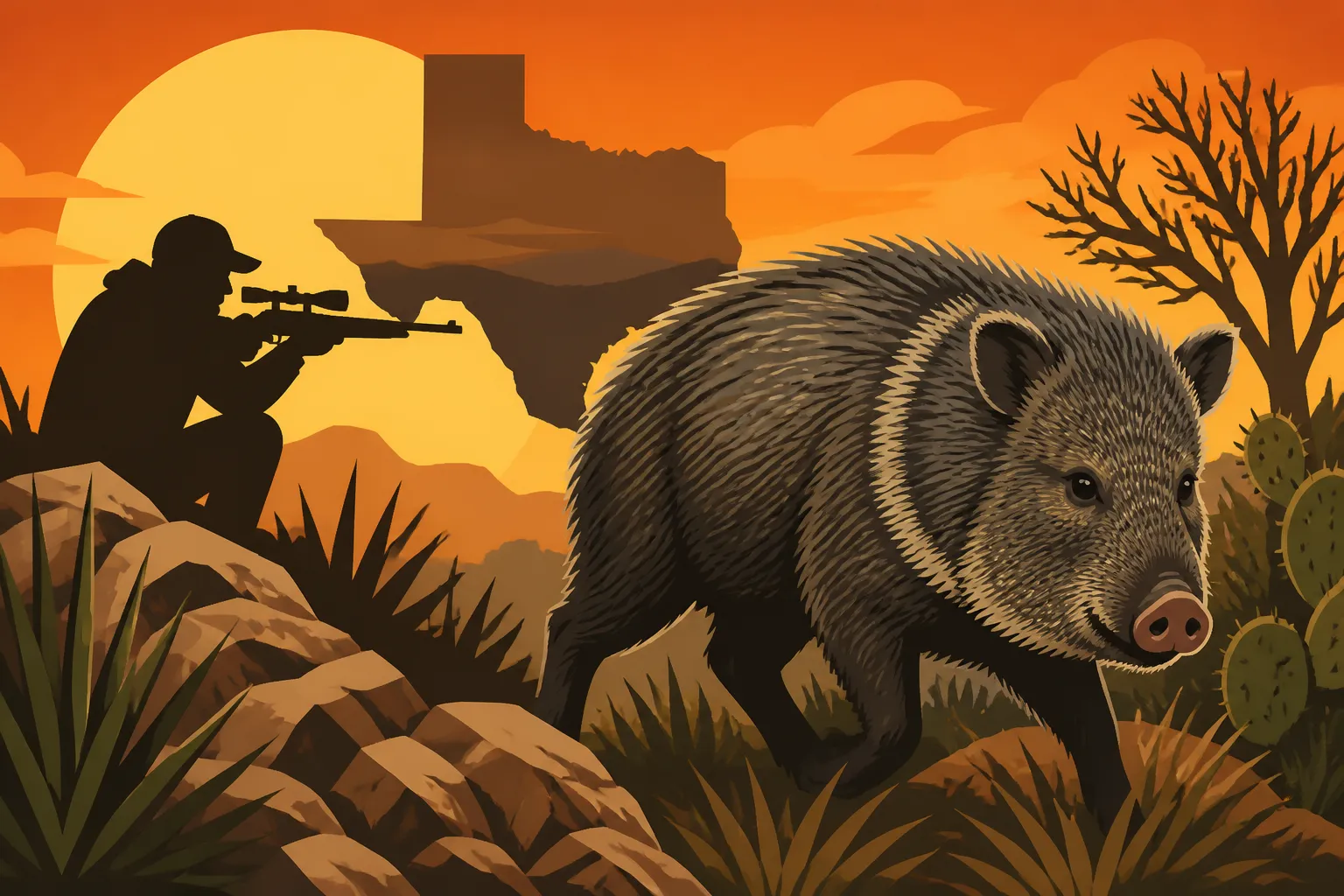
Javelina, or collared peccaries, are small, pig-like mammals native to the Americas. In Texas, they are primarily found in the southern and western parts of the state. Unlike feral hogs, which are descendants of domestic pigs, javelina have a distinct collar of white hair around their necks, a much shorter, coarse coat, and a much more compact, stocky body. Their snout is more pointed, and they have straight, non-curving tusks that are surprisingly sharp. They typically weigh between 30-60 pounds, making them considerably smaller than most mature feral hogs.
Their social structure is also quite different. Javelina live in herds, or "squadrons," ranging from a few individuals to upwards of 30. These squadrons are often led by an older female. They are highly territorial and communicate through scent marking and vocalizations, including loud "woofs" and jaw clacking when alarmed. Understanding this herd behavior is key; where there's one javelina, there are almost certainly more close by. They are primarily active during the cooler parts of the day – early mornings and late afternoons – but can be seen at midday during very mild weather or seeking shade during the intense heat.
Javelina vs. Feral Hogs: Why It Matters
The distinction between javelina and feral hogs is not just academic; it has significant legal ramifications for hunters in Texas. Feral hogs are considered an exotic, invasive species with no closed season or bag limit on private land, and in many areas, no license is required to hunt them on private property with landowner consent. Javelina, on the other hand, are classified as a game animal by the Texas Parks and Wildlife Department (TPWD) and require a valid hunting license. They have specific seasons, bag limits, and legal hunting methods. Mistaking a javelina for a feral hog can lead to severe legal penalties, so positive identification is paramount.
Here's a quick comparison to help solidify the differences:
| Feature | Javelina (Collared Peccary) | Feral Hog (Wild Pig) |
|---|---|---|
| Scientific Name | Pecari tajacu | Sus scrofa (domestic pig ancestor) |
| Appearance | Stocky body, coarse hair, white "collar," pointed snout, short tail, straight tusks. | Varied size/color, sparse hair, longer snout, longer tail, curved tusks. |
| Size | 30-60 lbs, shoulder height 18-24 inches | 100-400+ lbs, shoulder height 20-40+ inches |
| Habitat | Arid brushlands, mesquite, cactus | Wide range of habitats (forests, swamps, fields) |
| Social Group | Squadrons (herds) 5-30+ individuals | Sounders (groups), can be solitary boars |
| Legal Status | Game animal, regulated season/bag limit | Exotic/invasive, no closed season/bag limit on private land |
| Offspring | Small litters (1-3), usually one breeding cycle per year | Large litters (4-12+), multiple breeding cycles per year |
This table clearly highlights why understanding the nuances of Javelina vs Feral Hog: What's the Difference? is so critical before you ever step foot in the field.
Where to Find Javelina in Texas
If you're planning a javelina hunt, knowing their preferred stomping grounds is half the battle. Texas is a huge state, and while javelina aren't everywhere, they are certainly prolific in certain regions. Targeting the right habitat will drastically increase your odds of success.
Preferred Habitats and Regions
Javelina are creatures of the arid and semi-arid brushlands. In Texas, this means you'll primarily find them in the South Texas Brush Country and the Trans-Pecos region. They thrive in areas characterized by dense thorny brush, mesquite, prickly pear cactus, and various other desert plants. These plants provide both food and excellent cover from predators and the harsh Texas sun.
In the vast South Texas region, counties like Webb, La Salle, Dimmit, and Maverick are prime javelina territory. The thick, almost impenetrable brush offers perfect refuge, while the abundance of prickly pear pads, roots, and insects provides a year-round food source. In the Trans-Pecos, think of areas around Big Bend National Park, where the desert mountains and canyons provide similar, albeit rockier, cover and forage. They are less common in the Hill Country or East Texas, which tend to be wetter and more heavily forested.
Scouting for Javelina Sign
Successful javelina hunting, like any hunting, starts with good scouting. While you might stumble upon a squadron, a more strategic approach involves looking for their distinctive sign. Javelina are notoriously smelly, with a strong musk gland on their backs, so sometimes you'll smell them before you see them. This strong, musky odor is often the first clue you're in an active area.
Beyond scent, look for tracks in dusty areas or around water sources. Their small, cloven hooves leave a distinctive print. They also have a habit of "rooting" around for tubers and bulbs, leaving small, shallow disturbed areas in the soil, though this rooting is generally much less extensive and destructive than that of feral hogs. Look for fresh droppings, which are small, pellet-like, and often found in communal "latrine" areas. Finally, keep an eye out for rub marks on low brush or trees where they've used their scent gland, usually about 18-24 inches off the ground. Pay particular attention to dense draws, dry creek beds, and thickets of prickly pear, as these are natural travel corridors and bedding areas.
Texas Javelina Hunting Seasons and Regulations
Navigating the rules and regulations can sometimes feel like a hunt in itself! But when it comes to hunting javelina, knowing the exact season dates, bag limits, and licensing requirements is non-negotiable. These rules are in place to ensure a healthy javelina population for future generations of hunters.
Licensing and General Requirements
To hunt javelina in Texas, you absolutely need a valid Texas hunting license. This isn't like hunting feral hogs where sometimes a license isn't required on private land; javelina are a protected game animal. For most residents, the general hunting license or a Super Combo license will cover you. Non-residents will need a specific non-resident hunting license. Additionally, if you're hunting on public lands, an Annual Public Hunting Permit (APH) is usually required. Before heading out, make sure to check the current Texas Hunting License: Cost, Types & How to Buy (2026) and the most up-to-date Texas Outdoor Annual regulations.
It's also worth noting that hunter education requirements apply to javelina hunting, just like other game animals. If you were born on or after September 2, 1971, you must complete a hunter education course or carry a deferral.
Season Dates and Bag Limits by Zone
Javelina seasons in Texas vary by zone, primarily divided into the North and South zones, similar to how deer seasons are structured. The South Zone, which encompasses the vast majority of javelina habitat, typically has a longer season, often running from the fall through the late winter or early spring. The North Zone, where javelina populations are sparser, usually has a much shorter season, often only a few weeks in the fall.
The bag limit for javelina is generally two per person per license year. This means you can harvest two javelina during the established seasons. Always consult the official Texas Parks and Wildlife Department Outdoor Annual for the precise dates and county-specific regulations for the current hunting year, as these can be subject to minor changes. For example, the season dates might shift slightly from year to year. Knowing the specific Texas Javelina Season by Zone will prevent any unwelcome surprises.
For general reference, here are typical season structures, but always verify with the current TPWD Outdoor Annual:
| Zone | Archery Season (Approx.) | General Season (Approx.) | Bag Limit |
|---|---|---|---|
| North | Early October – Early November | Late October – Late November (shorter window) | 2 per year |
| South | Early October – Early November | Late October – End of February (much longer window) | 2 per year |
Remember, these are general guidelines. Check your specific county and zone in the official regulations.
Effective Javelina Hunting Tactics
Hunting javelina can be an incredibly engaging experience, especially if you understand their habits and employ the right tactics. They're not as simple as some might think; their keen senses and herd mentality make for an interesting chase.
Spot-and-Stalk Techniques
One of the most thrilling and effective ways to hunt javelina is through spot-and-stalk. This method demands patience, keen observation, and the ability to move silently through often dense, thorny terrain. Because javelina are herd animals, finding one usually means finding several. Start by slowly cruising dirt roads or glassing open areas early in the morning or late in the afternoon, looking for movement or their distinctive dark shapes against the brush. A good pair of binoculars is indispensable here, especially in the thick South Texas brush.
Once you spot a squadron, the real work begins. Pay close attention to wind direction; javelina have an excellent sense of smell. Plan your approach to keep the wind in your face or across your body, ensuring your scent doesn't carry to them. Utilize natural cover like mesquite thickets, prickly pear clumps, and rolling terrain to break up your silhouette. Move slowly, taking one step at a time, pausing often to listen and scan. If they are feeding, they might make soft grunting sounds that can help you pinpoint their location. Getting within comfortable shooting range, especially for bowhunting, requires a truly stealthy approach. This tactic is very similar to what you might employ when Spot-and-Stalk Hunting in Texas (Exotics & Mule Deer).
Calling Javelina
Yes, you can call javelina! While not as widely practiced as deer or turkey calling, it can be incredibly effective, especially if you're trying to draw a squadron closer or stop a moving group for a shot. The most common calls mimic the sounds of a distressed javelina or a lost piglet. A simple mouth call or specialized javelina call that produces a high-pitched squeal or "woof" can work wonders.
When calling, position yourself where you have good visibility and cover, preferably downwind of where you suspect javelina might be. Start with soft calls, increasing intensity if you don't get a response. Javelina are curious and often aggressive, especially when they perceive a threat to their young or territory. They may come running in surprisingly fast, so be ready. The key is to be patient and listen for their answering "woofs" or rustling in the brush as they approach. This can be a game-changer when trying to get a clear shot in dense cover.
Hunting Over Feeders and Water Sources
While not as common for javelina as it is for deer or even feral hogs, hunting over feeders or near water sources can be a viable tactic, particularly in arid regions. Javelina are opportunists and will frequent areas with reliable food and water. If you're hunting a ranch that uses corn or protein feeders for deer, javelina will often visit these areas, especially during times of drought when natural forage is scarce.
Setting up a ground blind or a box blind nearby, especially near a well-used game trail leading to a waterhole or feeder, can provide excellent ambush opportunities. Just be aware that javelina often move in squadrons, so multiple animals might show up at once. Make sure you understand the nuances of Hunting Over Feeders & Corn in Texas (Legal Guide), as rules can apply differently to various species. Remember, the objective is ethical harvest, so ensure you have a clear shot and are prepared for multiple animals.
Essential Gear for Javelina Hunters
Having the right gear can make all the difference between a frustrating outing and a successful, comfortable hunt. Javelina hunting, especially in the rough South Texas or Trans-Pecos terrain, requires specific considerations for clothing, firearms, and accessories.
Firearms and Ammunition
Javelina are tough animals for their size, and while not large, they require proper shot placement and adequate caliber to ensure a humane kill. Any centerfire rifle caliber suitable for whitetail deer (e.g., .223 Remington, .243 Winchester, 6.5 Creedmoor, .30-30 Winchester, .308 Winchester) will work effectively. For closer range or dense brush, a shotgun with slugs can also be an option. Remember that the best shot placement for hogs can also apply to javelina, generally aiming for the shoulder to hit the vitals.
Bowhunting javelina is incredibly popular due to their relatively small size and the challenge it presents. Any modern compound bow, recurve, or longbow with a suitable broadhead (fixed blade or mechanical) and a draw weight capable of achieving a pass-through shot will be effective. Crossbow Hunting in Texas: Rules & Tactics are also an option for javelina. Ensure your chosen weapon is sighted in and that you are proficient with it before your hunt. Always carry enough ammunition for your hunt, and perhaps a little extra.
Clothing and Footwear
The arid environments where javelina live are often hot, dry, and full of sharp, thorny vegetation. Lightweight, breathable camouflage clothing is essential to blend into the surroundings and stay comfortable in the Texas heat. Layers are always a good idea, as mornings can be cool, but midday temperatures can soar. Khaki, tan, or desert-patterned camo works well in these environments.
Footwear is perhaps the most critical gear item. You'll be traversing rough, cactus-laden terrain, so durable, comfortable, and most importantly, snake-proof boots are highly recommended. Texas is home to several venomous snake species, and encounters are common, especially when moving through thick brush. Brands like Lacrosse or Danner offer excellent snake boots that provide peace of mind. Consider bringing a comfortable daypack for water, snacks, a first-aid kit, and any other essentials.
Optics and Accessories
Good optics are vital for spotting javelina in dense cover. A quality pair of binoculars (8×42 or 10×42) will help you pick apart the brush and identify animals from a distance. If you're hunting during legal shooting hours close to dawn or dusk, optics with good low-light performance will be an asset. A rangefinder is also extremely useful for accurately determining distances, especially when bowhunting.
Beyond optics, a sharp hunting knife is essential for field dressing. A reliable flashlight or headlamp is crucial if you find yourself tracking or recovering an animal in low light. Don't forget plenty of water, especially in the often-hot and dry javelina country. Other useful accessories include game bags to protect your meat, a small saw for bone, and a cooler for transport. Consider a quality cooler to hold ice in Texas heat, like those from Yeti or RTIC.
Field Care and Processing Javelina
Successfully harvesting a javelina is only half the job. Proper field care and processing are crucial to ensure the meat is handled correctly and to comply with any regulations, especially regarding carcass movement.
Field Dressing in the Texas Heat
Javelina meat, when properly handled, can be quite delicious. However, like any game meat, it needs to be cooled quickly, especially in the warm Texas climate. The moment you recover your javelina, the clock starts ticking. The first step is to field dress the animal immediately. This involves removing the internal organs to allow the carcass to cool down as quickly as possible. Be careful when handling the internal organs, as javelina can carry various parasites, although these are typically harmless to humans if the meat is cooked thoroughly.
Make sure to wear gloves for hygiene. When field dressing, be mindful of the large musk gland located on the javelina's back, just in front of the tail. While some hunters believe cutting into this gland taints the meat, it's generally accepted that simply avoiding puncturing it and getting the strong musk on the meat will suffice. If you're concerned, you can carefully skin around this area. For detailed instructions on how to cool a deer fast in Texas heat, many of the same principles apply to javelina.
Transporting and Processing the Harvest
Once field dressed, your javelina needs to be transported to a cooler or processor as quickly as possible. If you're heading straight home, place the carcass on ice in a cooler. Ensure the drain plug is open to allow melted ice water to escape, as you don't want the meat sitting in water. For longer trips, block ice lasts longer than cubed ice.
If you plan to have your javelina processed commercially, research local game processors in the area you're hunting. They are experienced in handling wild game and can turn your harvest into ready-to-cook cuts. If you're processing it yourself, remember that javelina are small, so the task is usually less daunting than a full-sized deer. Skinning should be done carefully to remove all hair and any external contaminants. Javelina meat is lean and best prepared with slow-cooking methods like stewing, braising, or grinding for sausage. Many hunters enjoy javelina chili! Always remember to tag your javelina immediately after harvest, as per TPWD regulations, and understand Texas Hunting Tags & Harvest Reporting (My Texas Hunt Harvest).
Disclaimer
Hunting is an inherently dangerous activity. Always prioritize safety, adhere to all local, state, and federal laws and regulations, and obtain proper landowner permission before hunting on private property. This guide is for informational purposes only and should not replace official regulations or professional safety instruction.