Pronghorn Antelope Hunting in Texas
Hunting pronghorn antelope in Texas can feel like trying to catch a ghost in the vast, open plains. These incredible animals, often mistakenly called "antelope," are built for speed and boast eyesight that puts most binoculars to shame, making them notoriously challenging to approach. If you've ever dreamt of pursuing these magnificent creatures across the Texas Panhandle or Trans-Pecos, but felt overwhelmed by the unique permit system, the vast landscapes, and the specialized tactics required, this comprehensive guide is here to demystify the process and prepare you for a truly unforgettable Texas hunting experience.
Understanding Texas Pronghorn: Biology, Habitat, and Distribution
Pronghorn are truly one of North America's most remarkable game animals, and encountering them in their native Texas range is an experience unlike any other. They aren't related to true Old World antelope, but rather represent a unique species with evolutionary adaptations perfectly suited for survival in wide-open, arid environments. Understanding their biology and preferred habitats is the first step toward a successful hunt.
Unique Characteristics of the Pronghorn
When you first lay eyes on a pronghorn, several things immediately stand out. They're often described as the fastest land animal in North America, capable of sustaining speeds of 35-40 mph over long distances and hitting bursts of up to 60 mph. This incredible speed is matched by their unparalleled vision; they possess enormous eyes relative to their body size, providing 8x magnification and a nearly 360-degree field of view. Imagine trying to sneak up on an animal that can essentially see you from miles away, picking out the slightest movement in their expansive habitat! Their tan and white coloration provides excellent camouflage against the prairie grasses and scrubland, making them blend seamlessly into the horizon. Unlike true deer or exotic species like axis deer or aoudad sheep, pronghorn have unique horns that are shed annually. Both bucks and does typically grow horns, though the buck's are significantly larger with a distinctive forward-pointing prong that gives them their name.
Primary Pronghorn Habitats in Texas
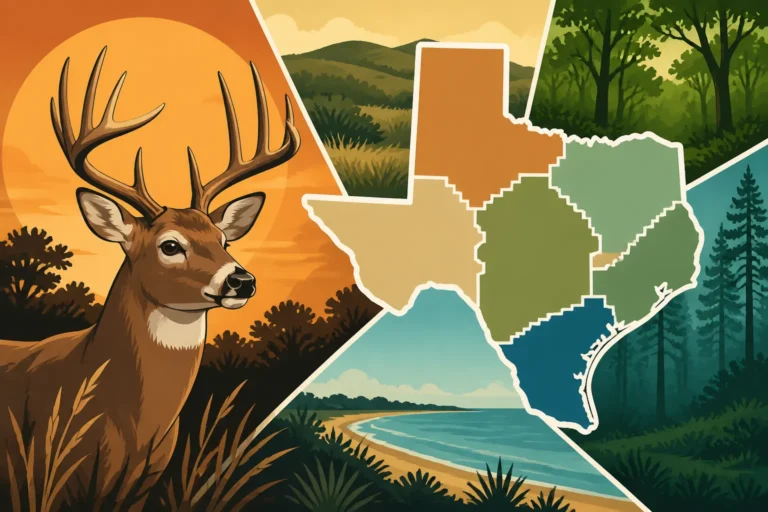
In Texas, pronghorn are primarily found in two distinct regions: the Panhandle and the Trans-Pecos. These are vast, sparsely populated areas characterized by expansive grasslands, desert scrub, and rolling plains that offer the wide-open spaces pronghorn need to thrive and evade predators.
- The Panhandle: This northern region of Texas, known for its flat to gently rolling topography, is a stronghold for pronghorn. Here, you'll find them roaming across cattle ranches and agricultural fields, often congregating in areas with a mix of short-grass prairie and scattered brush. Counties like Dallam, Hartley, Sherman, Moore, and Potter are known for their pronghorn populations. The landscape is mostly private land, making access through leases or guided hunts essential.
- The Trans-Pecos: This rugged, mountainous, and arid region in West Texas, bordering New Mexico and Mexico, also holds significant pronghorn populations. While the terrain can be more challenging with greater elevation changes and more sparse vegetation, pronghorn have adapted to these conditions. Marfa, Alpine, and Fort Davis areas are central to this range. The sheer vastness of the Trans-Pecos and its dramatic elevation changes present a different kind of challenge, often requiring even more robust optics and physical stamina.
While these are the main areas, occasional sightings might occur in suitable marginal habitats, but for serious hunting opportunities, focusing on the Panhandle and Trans-Pecos is paramount. Understanding the nuances of these regions is key for anyone considering Pronghorn Hunting Tactics for Texas.
Population Dynamics and Conservation Efforts
Pronghorn populations in Texas have fluctuated over the decades due to habitat loss, drought, and fencing that hinders their natural movements. However, dedicated conservation efforts by landowners, the Texas Parks and Wildlife Department (TPWD), and various wildlife organizations have been instrumental in stabilizing and, in some cases, increasing their numbers. Managed land programs, habitat restoration projects, and careful regulation of hunting pressure through a permit system ensure that these unique animals continue to thrive. The TPWD conducts aerial surveys to estimate populations and allocates permits based on scientific data, aiming for sustainable harvest levels. This careful management is crucial, given that pronghorn are not as widespread in Texas as white-tailed deer, and their habitat requirements are quite specific.
Texas Pronghorn Hunting Seasons and Regulations
Hunting pronghorn in Texas isn't like hunting deer, where a general license often suffices for private land. Pronghorn hunting operates under a strictly controlled permit system, reflecting their more limited distribution and the need for careful population management. Understanding this system is crucial before you even start thinking about gear or tactics.
Permit System and Application Process
Unlike general over-the-counter tags for white-tailed deer in many counties, harvesting a pronghorn in Texas requires a specific permit issued by the Texas Parks and Wildlife Department. This permit system is designed to manage harvest levels closely and ensure sustainable populations. Most pronghorn hunting takes place on private lands, and landowners or their designated agents are typically allocated permits based on population surveys conducted by TPWD biologists. If you're looking to hunt pronghorn, you'll generally need to secure access through a private landowner, an outfitter, or apply for public land drawn hunts.
- Private Land: This is the most common way to hunt pronghorn. Landowners in pronghorn habitat counties apply to TPWD for permits. If approved, these permits are then sold or given to hunters who have secured a lease or booked a guided hunt on that specific property. The demand for these permits often exceeds supply, making it essential to plan well in advance.
- Public Drawn Hunts: For those without private land access, the TPWD offers a limited number of public hunting opportunities through their Texas Drawn Hunts: Public Hunt Draw System. These are highly competitive, often with hundreds of applicants for just a few tags. You'll need to apply online through the TPWD Drawn Hunts program, usually between June and August, for a chance at these coveted permits. While the odds can be tough, it's a fantastic opportunity for public land access. Information on How to Apply for Texas Drawn Hunts Online is readily available on the TPWD website.
Regardless of the method, once you've obtained a permit, it's tied to a specific individual and specific regulations. There's no "general" pronghorn license you can just pick up at Academy or Walmart.
Key Dates and Zones for Pronghorn Season
The pronghorn hunting season in Texas is relatively short and occurs in the fall, typically in late September and early October. The exact dates can vary slightly each year, so it's always critical to consult the most current Texas Parks and Wildlife Department Outdoor Annual.
- Season Length: The general season for pronghorn is often just nine days long, highlighting the tightly controlled nature of the hunt. This short window means preparation and timing are everything.
- Zones: While Texas has different deer zones, pronghorn regulations generally apply statewide to the counties where they are present. The primary hunting areas, as mentioned, are the Panhandle and Trans-Pecos regions. These areas may sometimes have slightly different opening or closing dates, but typically they run concurrently. Make sure to check the specific county regulations for your hunt location. You can find up-to-date information on Texas Pronghorn Season Dates 2026 and general information on Texas Pronghorn Season & Permits on the TPWD website.
Legal Requirements and Bag Limits
Beyond the specific pronghorn permit, general Texas hunting regulations still apply. This includes possessing a valid Texas hunting license, which is a prerequisite for any special permit.
- Hunting License: Even if you have a pronghorn permit, you must also have a current Texas hunting license, such as the Super Combo license. Non-residents will need a non-resident hunting license.
- Hunter Education: Anyone born on or after September 2, 1971, must successfully complete a hunter education course or be accompanied by a person who is at least 17 years old and has a valid hunting license and has completed hunter education.
- Bag Limit: The bag limit for pronghorn is typically one buck per hunter, per season. This strict limit underscores the conservation-oriented approach to pronghorn management. There are generally no doe tags available for pronghorn unless part of a very specific management plan on a private ranch, which is rare.
- Carcass Tagging and Reporting: Just like deer, harvested pronghorn must be immediately tagged with the appropriate permit tag. You'll also need to report your harvest to the TPWD, usually through the My Texas Hunt Harvest app or website. This data is vital for wildlife biologists to monitor populations and ensure future hunting opportunities. Always carry your license and permits, and be familiar with the regulations before heading afield.
Finding Pronghorn: Scouting and Habitat Analysis
Pronghorn, with their incredible eyesight and preference for wide-open spaces, require a different approach to scouting than, say, white-tailed deer. You can't just set up a trail camera in the woods and hope for the best. Success hinges on extensive glassing, understanding their movements, and analyzing the terrain.
Pre-Season Scouting Strategies
Effective pre-season scouting for pronghorn is primarily about covering vast amounts of ground with your optics. Unlike scouting for whitetails in dense cover, where you're looking for rubs, scrapes, and tracks, pronghorn scouting means identifying general areas they frequent and understanding their daily patterns.
- Long-Range Glassing: This is your number one tool. You'll need high-quality binoculars and a spotting scope (we'll talk more about gear soon!) to scan immense areas from elevated positions. Look for any specks of white against the tan and green landscape – a flash of a white rump patch, the distinctive shape of a buck's horns, or the tell-tale zig-zag of a group moving across the prairie. The best time to glass is early morning and late evening when pronghorn are most active.
- Road Scouting (from legal vantage points): Many hunters will drive county roads, using their vehicles as mobile glassing platforms. Always stay on public roads and respect private property boundaries. From a vehicle, you can quickly cover large areas and identify potential concentrations of pronghorn. Mark these locations on your maps for closer investigation on foot later.
- Identify Water Sources: While pronghorn are adapted to arid environments, they still need water. Ponds, tanks, and even natural seeps can be magnets, especially during dry periods. Identify these on satellite maps and observe them from a distance.
- Observe Daily Patterns: Once you locate a group, spend time watching them from afar. Do they feed in certain areas? Where do they water? What routes do they use to move between bedding and feeding areas? Understanding these patterns will be crucial when you formulate your hunting plan. For example, if you're hunting in the Panhandle, you might find them grazing in fields bordered by short brush, moving to a stock tank for water in the afternoon.
Identifying Prime Pronghorn Habitat
Pronghorn thrive in wide-open, semi-arid grasslands, sagebrush flats, and short-grass prairies. They prefer areas that offer good visibility and plenty of forage.
- Open Plains and Gently Rolling Terrain: This allows them to utilize their exceptional speed and eyesight to detect predators from a great distance. Avoid heavily wooded areas or dense brush, as these are not typical pronghorn habitat.
- Diverse Forage: Look for areas with a mix of grasses, forbs (weeds), and low-growing shrubs like sagebrush. These provide the varied diet pronghorn prefer. Cattle ranches with rotational grazing can often create ideal habitat conditions.
- Elevation Changes (Subtle or Dramatic): While they prefer open areas, subtle changes in elevation, like shallow draws, low hills, or even creek beds, offer crucial cover for a spot-and-stalk approach. In the more rugged Trans-Pecos, dramatic canyons and mesas can provide both vantage points for glassing and cover for stalks. These features are often overlooked by inexperienced hunters, but are critical for getting within shooting range.
Utilizing Technology for Scouting
In today's hunting world, technology can be a powerful ally, especially when tackling the vastness of pronghorn country. Mapping apps and aerial imagery are invaluable tools for pre-season scouting and in-field navigation.
- Hunting Apps (onX Hunt, HuntStand): Apps like onX Hunt or HuntStand are indispensable. They allow you to view satellite imagery, topo maps, and property boundaries right on your phone. You can mark potential water sources, elevated glassing points, and areas where you've spotted pronghorn during your pre-season scouting. The ability to see property lines clearly is particularly important when hunting private land or near public land boundaries, preventing accidental trespassing. You can learn more about these tools in articles like onX Hunt vs HuntStand: Best App for Texas?.
- Google Earth/Satellite Imagery: Before you even leave home, spend hours studying your hunting area on Google Earth. Look for subtle terrain features like dry creek beds, washes, low ridges, or even isolated clumps of brush that could provide cover for a stalk. Identify potential parking areas and access points.
- Weather and Wind Forecasts: Keep a close eye on weather patterns and wind direction. Wind is a critical factor in any spot-and-stalk hunt, and it's even more important when dealing with an animal as wary as a pronghorn. Plan your stalks to approach into the wind or crosswind to keep your scent from drifting towards them. The wide-open spaces mean wind can be a constant challenge.
Hunting Tactics for Texas Pronghorn
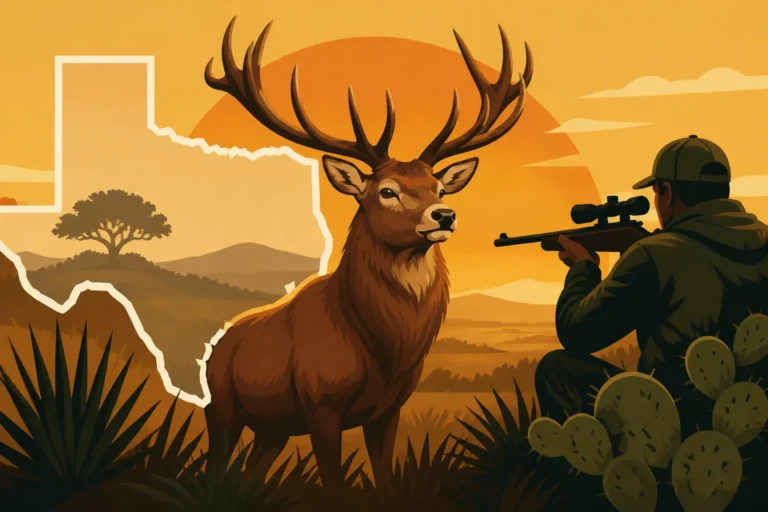
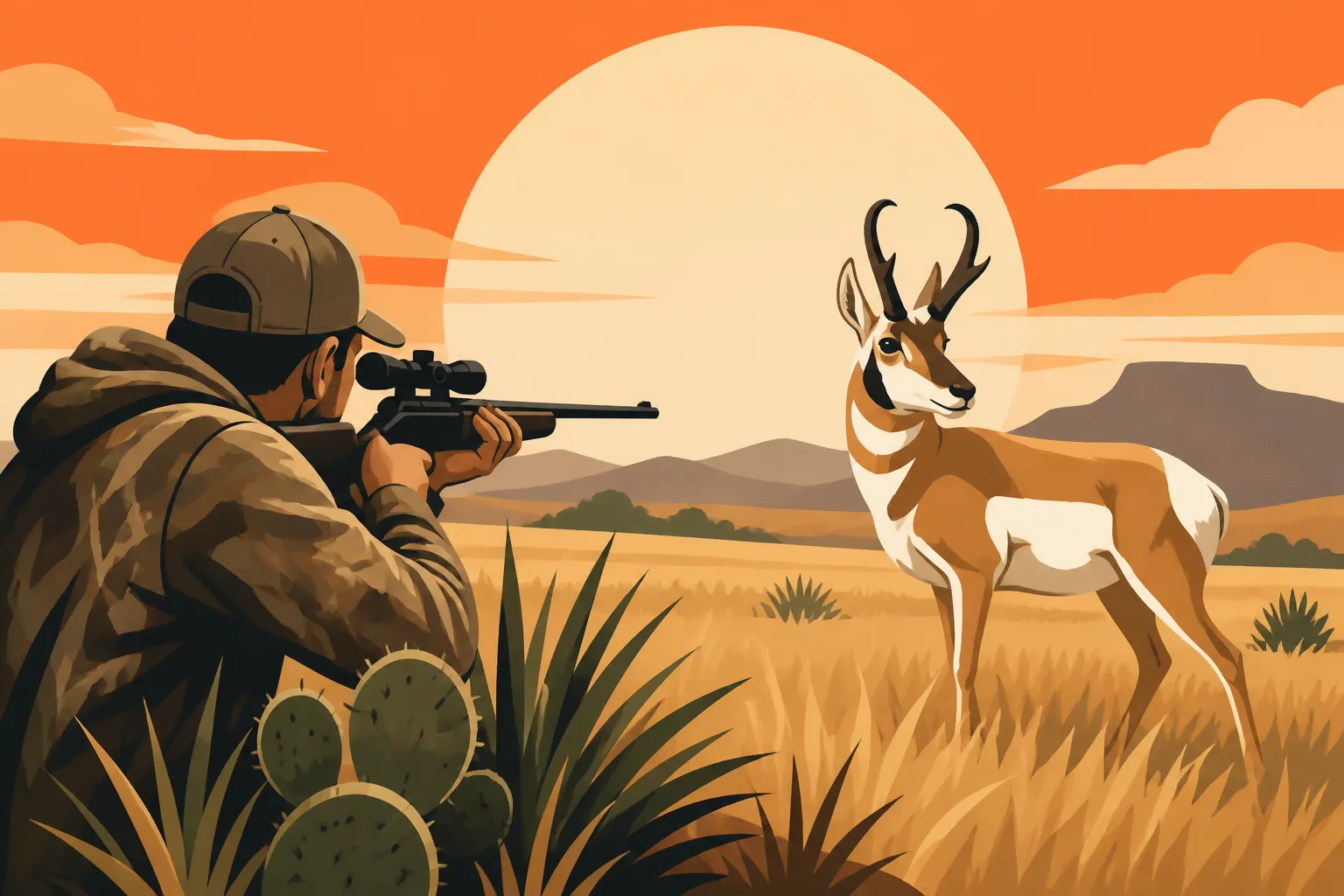
Successfully hunting pronghorn involves a blend of patience, precise shooting, and intelligent use of the terrain. Forget treestands or ground blinds set over feeders; this is primarily a game of spot-and-stalk, often culminating in a long-range shot.
Spot-and-Stalk: The Primary Method
The vast majority of Texas pronghorn are harvested using the spot-and-stalk method. This tactic demands keen observation, strategic movement, and a deep understanding of pronghorn behavior.
- The Spot: This is where your high-quality optics come into play. Find a good elevated vantage point, settle in, and meticulously scan the landscape. Don't just glance; use your binoculars and spotting scope to systematically grid the area, looking for any anomaly. A small patch of white, a horizontal line where there should only be vertical grass, or the distinct profile of a pronghorn buck’s horns can give them away. Once spotted, carefully assess their location, the surrounding terrain, and their direction of travel. This initial "spot" can sometimes take hours, but it's the most critical part of the hunt. Remember their phenomenal eyesight – you need to spot them before they spot you.
- The Stalk: This is where the real challenge begins. You need to use every piece of available cover to your advantage. This could mean crawling through short grass, using dry washes, fence lines, a low rise in the terrain, or even sparse mesquite clumps. The goal is to remain out of sight while closing the distance to within your effective shooting range. Always plan your route to approach into the wind to keep your scent from reaching them. This often means taking a circuitous path, adding significant time and distance to your approach. A common mistake is rushing the stalk; move slowly, deliberately, and be prepared to freeze for extended periods if a pronghorn raises its head or stares in your direction. For more details on this technique, check out Spot-and-Stalk Hunting in Texas (Exotics & Mule Deer).
- The Setup: Once you've successfully closed the distance, the final setup is crucial. Pronghorn country often offers limited natural rests. A bipod or shooting sticks are almost essential to provide a stable shooting platform for the often long-range shots. Position yourself to have a clear line of sight, accounting for any small dips or rises in the terrain between you and the animal. Ensure you have a clear backdrop for the shot, and that you're comfortable and steady before taking aim.
Setting Up for Success: Long-Range Shots
Given the open nature of pronghorn habitat and their wariness, long-range shots are often the norm, not the exception. Ethical hunting demands that you are proficient and comfortable making these shots.
- Practice, Practice, Practice: This cannot be stressed enough. Spend significant time at the shooting range practicing at distances of 200, 300, 400 yards, and even further if you intend to push your limits. Practice from prone positions, using bipods and shooting sticks, mimicking real hunting scenarios. Understand your rifle's ballistics and how bullet drop, wind, and elevation affect your shot at various distances. A rangefinder is an absolute must-have tool.
- Know Your Limits: Be honest with yourself about your effective ethical range. Just because your rifle can shoot 500 yards doesn't mean you should on a live animal in hunting conditions. Wind is a huge factor in open country and can severely impact bullet trajectory at longer distances. Err on the side of caution. If you can't get closer, and the shot is beyond your practiced and ethical range, it's better to pass and try again later.
- Wind and Mirage: Wind drift is a primary concern in open country. Learn to read the wind by observing grass movement, mirage, and dust. Mirage, the shimmering heat waves, can also distort your target, especially through a high-powered scope. Practice judging distance and wind compensation accurately.
Decoying Pronghorn: A Unique Challenge
While less common than spot-and-stalk, decoying pronghorn can be an incredibly exciting and effective tactic, especially during the rut. It's not always successful, but when it works, it's a thrilling experience.
- The Concept: Pronghorn bucks, especially during the breeding season (rut), are highly territorial and will aggressively investigate perceived intruders. A life-sized buck decoy can sometimes trigger this territorial response, causing a buck to charge in to challenge the "newcomer."
- Execution: One hunter sets up with the decoy, often a silhouette of a buck, while a second hunter (or the same hunter, if skilled) positions themselves 100-200 yards away with a rifle, concealed. The decoy hunter attempts to attract a distant buck by displaying the decoy, sometimes waving it subtly or even moving it slightly to mimic a rival. The approaching buck is often so focused on the decoy that it presents an easier shot opportunity for the concealed shooter.
- Considerations: This method requires careful planning and coordination. It's best done during the rut when bucks are most aggressive. You need terrain that allows for concealment for the shooter and clear visibility for the decoy. Be aware of your surroundings and any potential danger from other approaching bucks or even other hunters. Always check local regulations to ensure decoying is permitted.
Essential Gear for Pronghorn Hunting in Texas
Pronghorn hunting in Texas requires specific gear tailored to the expansive terrain, often hot weather, and the long-range nature of the hunt. Skimping on quality in certain areas can significantly reduce your chances of success.
Rifles and Ammunition for Open Country
Choosing the right rifle and ammunition is paramount for ethical and successful pronghorn hunting, where shots often exceed 200 yards.
- Caliber Selection: You'll want a flat-shooting cartridge that retains energy well at extended ranges and isn't overly susceptible to wind drift. Popular choices include:
- .25-06 Remington: A classic flat-shooter, excellent for pronghorn.
- 6.5 Creedmoor: Extremely popular for its accuracy, mild recoil, and ballistic efficiency.
- .270 Winchester: Another proven performer, widely available and effective.
- 7mm-08 Remington: A good balance of power and manageable recoil.
- .308 Winchester: While not as flat-shooting as some, its inherent accuracy and range of bullet options make it a solid choice.
- .30-06 Springfield: A versatile classic, though perhaps a bit much for pronghorn, it's certainly capable.
- Avoid smaller calibers like .223 Remington or .243 Winchester for ethical reasons, as they may lack the necessary energy for clean kills at longer distances on an animal the size of a pronghorn.
- Rifle Features: Look for a reliable, accurate bolt-action rifle. A lightweight rifle is a plus for long stalks.
- Ammunition: Choose high-quality, boat-tail, spitzer-type bullets designed for good ballistic coefficients and controlled expansion. Brands like Hornady ELD-X, Barnes TTSX, or Nosler AccuBond are excellent choices. Practice with the exact ammunition you plan to hunt with to ensure consistent performance.
Optics: Binoculars, Spotting Scopes, and Rangefinders
If there's one area not to cut corners, it's optics. Pronghorn hunting is, first and foremost, an optics game.
- Binoculars: A good pair of 10×42 or 12×50 binoculars are essential for long hours of glassing. Look for crisp, clear glass, good light-gathering capabilities, and comfortable ergonomics. Brands like Vortex, Leupold, Maven, and Zeiss offer excellent options across different price points. Your binoculars will be your primary tool for spotting animals at a distance and evaluating terrain.
- Spotting Scope: For identifying antler size, sex, and detailed observation of distant animals, a high-powered spotting scope (e.g., 20-60x or 25-75x) is critical. This allows you to differentiate between a doe and a buck from miles away, saving you unnecessary stalks. A sturdy tripod is a must for a spotting scope to ensure a stable image. Consider one that is lightweight for carrying on long treks. You can find more information on specific optics in Best Hunting Optics for Texas: Scopes, Binos & Rangefinders.
- Rangefinder: Absolutely non-negotiable. Knowing the precise distance to your target is paramount for making an accurate shot, especially at longer ranges where bullet drop becomes significant. A rangefinder with angle compensation is ideal for varied terrain.
- Rifle Scope: A quality rifle scope with sufficient magnification (e.g., 3-9x, 4-12x, or even 4-16x) and clear glass is essential. Consider one with a ballistic reticle or a turret system that allows for quick adjustments based on known bullet drop. Reliability and repeatable adjustments are key. For more in-depth advice, check out Best Rifle Scope for Texas Deer Hunting.
| Optic Type | Recommended Magnification | Primary Use | Key Features to Look For |
|---|---|---|---|
| Binoculars | 10×42, 12×50 | Broad area scanning, initial animal spotting | Crisp glass, good light gathering, comfortable ergonomics |
| Spotting Scope | 20-60x, 25-75x | Detailed animal identification, trophy judging | High magnification, clear image, stable tripod mount |
| Rangefinder | N/A | Precise distance measurement | Fast acquisition, angle compensation, clear display |
| Rifle Scope | 3-9x, 4-12x, 4-16x | Target acquisition, accurate shot placement | Clear glass, reliable adjustments, ballistic reticle or turret |
Apparel and Footwear for Arid Terrain
Texas pronghorn country can be brutal, with hot days, cool nights, and often unforgiving terrain. Your clothing and footwear need to be up to the task.
- Lightweight, Breathable Camo: Early fall in Texas can still be very warm. Layering is key. Choose lightweight, breathable, moisture-wicking clothing in muted tones or effective camouflage patterns. Layers allow you to adapt to temperature swings throughout the day.
- Wide-Brimmed Hat and Sunglasses: Protection from the intense Texas sun is crucial. A wide-brimmed hat will keep the sun off your face and neck, and good quality polarized sunglasses will reduce glare and eye strain from hours of glassing.
- Sturdy, Broken-In Boots: You'll be covering many miles, often over uneven, rocky, or sandy terrain with sparse vegetation that might conceal cactus or thorny brush. Choose comfortable, supportive, and well-broken-in hiking boots or light hunting boots with good ankle support. Avoid heavy, insulated boots that will cause your feet to overheat.
- Snake Boots/Gaiters: In many parts of Texas pronghorn habitat, rattlesnakes are a real concern. Investing in a good pair of snake boots or wearing snake gaiters over your regular boots is a smart precaution.
Field Care and Trophy Preparation
Harvesting a pronghorn is a fantastic achievement, but the work isn't over when the shot rings true. Proper field care is essential to preserve the meat and, if desired, the hide for a trophy mount, especially given the warm Texas temperatures.
Rapid Field Dressing in Hot Weather
Texas can be notoriously hot, even in early fall. Heat is the enemy of wild game meat, and prompt, thorough field dressing is critical to prevent spoilage.
- Move Quickly: The moment you recover your pronghorn, get to work. The longer the internal organs retain heat, the faster bacteria will grow.
- Remove All Organs: Completely eviscerate the animal. Make a careful cut from the sternum to the pelvis, cutting around the anus. Reach deep into the chest cavity to sever the trachea and esophagus, pulling all organs free.
- Clean the Cavity: Wipe out any excess blood or debris with paper towels or a clean cloth. If you have access to potable water, a quick rinse can help, but ensure the cavity is thoroughly dried afterward to prevent moisture-related bacterial growth.
- Prop Open the Cavity: Use sticks or even a small game bag to prop open the body cavity. This allows air to circulate and promotes cooling. Hang the animal if possible, as this facilitates drainage and cooling. This step is vital for How to Cool a Deer Fast in Texas Heat, and it applies just as much, if not more, to pronghorn.
- Get to Cooler/Processing: The faster you can get the field-dressed animal into a cooler with ice or to a processor, the better. Pack the body cavity with ice, ensuring meltwater can drain away. For more detailed instructions, refer to Field Dressing & Processing Game in Texas Heat.
Caping and Skinning for a Taxidermy Mount
If you plan to have your pronghorn mounted, proper caping is just as important as good field care for the meat. A botched cape can ruin a potential trophy.
- Understand the Cuts: For a shoulder mount, you'll typically make a cut around the circumference of the animal behind the front legs, extending up to the spine. Then, make a cut down the spine from this circumferential cut to the base of the skull. Finally, make cuts from the back of the horn bases down the back of the neck to meet the spinal cut. Carefully skin the hide away from the meat, being mindful around the horns, eyes, nose, and lips. If unsure, take photos and contact your taxidermist immediately for specific instructions.
- Keep it Clean: Avoid getting dirt, blood, or hair on the inside of the cape. The cleaner the cape, the better the final mount will be.
- Cool Rapidly: Once the cape is removed, salt it heavily with non-iodized salt if you're not getting it to the taxidermist immediately. Roll it up, flesh side in, and place it in a cooler on ice. The faster it's cooled and preserved, the better the chances of a perfect mount.
Transporting Your Harvest
Transporting a pronghorn in Texas requires adherence to specific regulations and practical considerations, especially regarding CWD (Chronic Wasting Disease) zones.
- Tagging: Your permit tag must be immediately attached to the pronghorn and remain with the carcass until it reaches its final destination (your home, a processor, or a taxidermist).
- CWD Zones: Be aware of any active CWD zones in Texas. If you harvest a pronghorn in a CWD-affected county (like certain areas in the Panhandle or Trans-Pecos), there might be restrictions on transporting the carcass or certain parts out of that zone. Typically, brain, spinal cord, and lymphoid tissue are restricted. You may need to process the animal down to boned-out meat and a cleaned skull plate within the zone. Always check the latest TPWD Outdoor Annual for current CWD regulations.
- Cooling During Transport: Continue to keep the carcass cool during transport, especially if traveling long distances in warm weather. A large cooler packed with ice is indispensable. Ensure that any water from melting ice can drain away, as prolonged exposure to standing water can damage the meat and cape. A good quality cooler like a Yeti or an alternative from a brand like Orca or RTIC will make a huge difference in keeping your meat cool on the journey. You can read up on Best Coolers for Texas Hunting (Yeti & Alternatives) for recommendations.
Disclaimer
Please remember that hunting regulations, seasons, and permitting processes can change. It is always the hunter's responsibility to consult the latest official Texas Parks and Wildlife Department Outdoor Annual or their website for the most current and accurate information before planning and executing any hunt. This guide is for informational purposes only and should not replace official state regulations.