Jim Hogg County Antler Restriction & Bag Limit
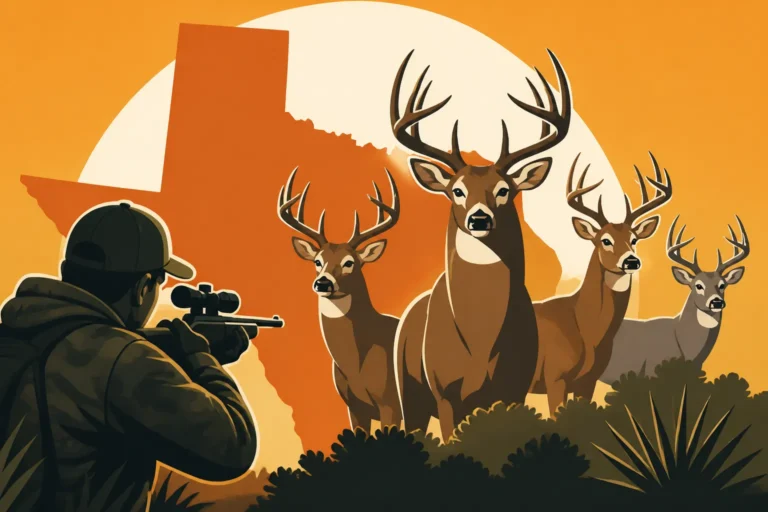
Ah, the thrill of a Texas deer hunt in Jim Hogg County! But let's be real, navigating those antler restrictions can feel like trying to solve a Rubik's Cube in the dark, especially when you're just trying to figure out what constitutes a legal buck on your lease. It's frustrating to be out in the brush, heart pounding, only to second-guess if that beautiful animal staring back at you meets the exact criteria. This guide is here to shed some light on the specific antler restrictions and bag limits for white-tailed deer in Jim Hogg County, helping you hunt confidently and within the law.
Understanding Antler Restrictions in Jim Hogg County
Jim Hogg County, nestled in the heart of the South Texas Brush Country, is subject to specific antler restrictions designed to promote a healthier, more balanced deer herd. These rules aren't just arbitrary; they're a result of years of biological data and management efforts by the Texas Parks and Wildlife Department (TPWD) to ensure future generations have quality deer to pursue. For many hunters, especially those new to the area or even seasoned folks who just need a refresher, these regulations can be a bit of a head-scratcher.
The 13-Inch Rule Explained for South Texas
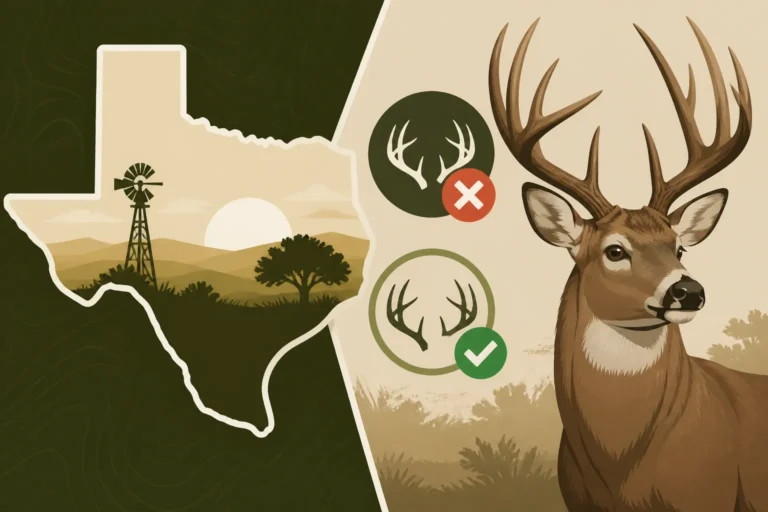
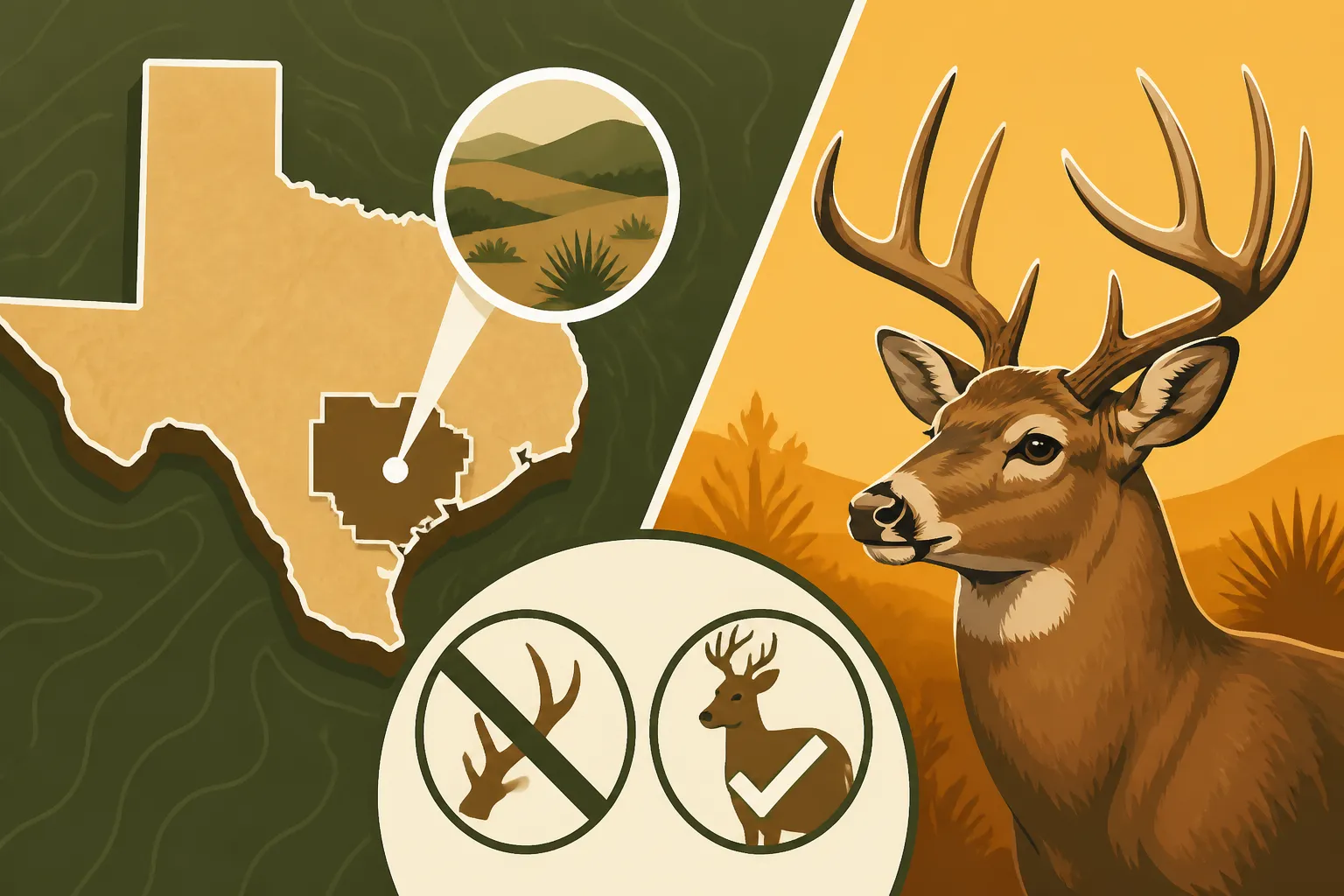
The cornerstone of antler restrictions in Jim Hogg County, like many other South Texas counties, is often referred to as the "13-inch rule." Now, this isn't just about an inside spread. It's a bit more nuanced than that, and understanding both components is absolutely critical before you squeeze that trigger. A legal buck in Jim Hogg County is defined as a buck deer that has a hardened antler projecting above the hairline and meets one of the following two criteria:
- At least one unbranched antler: This means one of the antlers, typically on a younger buck, has no points or tines branching off the main beam. It's often called a "spike" buck, but it could also be a fork horn where one side is a spike. As long as one side is truly unbranched, it's legal.
- An inside spread of 13 inches or greater: This is where the measuring comes in. The distance between the main beams, measured at their widest point, must be 13 inches or more. This usually applies to more mature bucks with wider racks.
Now, here's the kicker and where many hunters get confused: Not more than one buck with an inside spread of 13 inches or greater may be taken annually. This is a critical detail. If you shoot a buck with a 14-inch spread, your second buck (if you're allowed two, which we'll discuss in bag limits) must be an unbranched antler buck. You cannot shoot two bucks that both have an inside spread of 13 inches or greater. This rule is put in place to protect those younger, wider-racked bucks, allowing them to mature and contribute to the herd's genetics.
Identifying Legal Bucks on the Hoof
Alright, let's talk real-world application. It's one thing to read about antler restrictions, but it's another entirely to judge a buck in the dim light of dawn or dusk, or when he's trotting through thick brush. This is where experience and a little preparation truly pay off.
For the "unbranched antler" criterion, it's usually pretty straightforward. If you see a spike, or a buck with one spike and one fork, you're generally good to go. The challenge comes with judging the 13-inch spread. Many veteran hunters use a common trick: the width of the deer's ears when alert and perpendicular to its head. For a mature whitetail, the distance from ear tip to ear tip is often around 15-16 inches. So, if a buck's antlers appear to extend outside its ears, it's likely over the 13-inch mark. If they are well inside, it's probably not. This isn't a perfect science, but it's a useful field guide.
It's also why quality optics are your best friend. A good pair of binoculars, like those described in our guide on the Best Binoculars for South Texas Brush, can make all the difference in making an ethical and legal shot. Don't rush it. If you have any doubt, let him walk. There's always another day, and preserving the health of the herd is paramount. Consider practicing with trail camera photos or even mock antlers set up at various distances to hone your judgment skills before the season.
White-Tailed Deer Bag Limits in Jim Hogg County
Beyond antler restrictions, understanding the overall bag limit for white-tailed deer in Jim Hogg County is essential. Texas offers a generous hunting opportunity, but these limits are crucial for sustainable wildlife management.
General Regulations and County-Specific Limits
For Jim Hogg County, the general bag limit for white-tailed deer is 4 deer per person, with no more than 2 bucks and not more than 2 does. This means you can potentially harvest a combination like two bucks and two does, or one buck and three does (if you have the tags and opportunities), or even just four does. The key is to never exceed the maximum of two bucks or two does.
This two-buck limit, combined with the antler restrictions, means you have to be strategic. As discussed, if you harvest one buck with a spread of 13 inches or greater, your second buck must have an unbranched antler. If your first buck has an unbranched antler, your second buck can be either another unbranched antler buck or a buck with an inside spread of 13 inches or greater.
It's absolutely vital to review the current Texas White-Tailed Deer Hunting Regulations 2026 in the annual Outdoor Annual provided by TPWD each year, as regulations can sometimes see minor adjustments. Your general resident or non-resident hunting license will come with tags that correspond to these limits, and it's your responsibility to properly tag and report your harvest. For a refresher on how to correctly tag your harvest, check out our piece on Texas Hunting Tags & Harvest Reporting (My Texas Hunt Harvest).
Here's a quick summary table for clarity:
| Category | Jim Hogg County Regulations |
|---|---|
| Total Deer Bag Limit | 4 deer annually |
| Buck Limit | No more than 2 bucks annually. |
| Antler Restrictions for Bucks | A legal buck must have a hardened antler projecting above the hairline AND meet ONE of these criteria: 1. At least one unbranched antler (spike). 2. An inside spread of 13 inches or greater. IMPORTANT: Not more than one buck with an inside spread of 13 inches or greater may be taken annually. (Meaning your second buck, if applicable, must be an unbranched antler buck.) |
| Doe Limit | No more than 2 does annually. (Additional doe harvest may be permitted through Managed Lands Deer Permits – MLDP – if applicable to your lease, or during specific "doe days" if authorized by TPWD.) |
| Youth-Only Seasons | Antler restrictions typically waived for youth hunters during designated youth seasons; any buck with a hardened antler projecting above the hairline is legal. |
| Archery-Only Season | Antler restrictions typically waived during the archery-only season; any buck with a hardened antler projecting above the hairline is legal. |
It's always smart to confirm the latest details directly from the TPWD website or the printed Outdoor Annual, as there can be subtle changes each season.
Special Archery or Youth Season Considerations
The good news for archers and youth hunters is that these strict antler restrictions often have some flexibility during specific seasons. For instance, during the designated Texas Archery Season Dates for white-tailed deer, the general antler restrictions that apply to the regular firearms season are typically suspended. This means that any buck with a hardened antler projecting above the hairline is considered legal, regardless of spread or unbranched status. This provides a fantastic opportunity for bowhunters to focus on shot placement and ethical harvest without the added pressure of antler measurements.
Similarly, during the Texas Youth Hunting Weekend Dates, antler restrictions are also waived for youth hunters. This creates an excellent learning environment, allowing young hunters to gain valuable experience without the complexity of judging antler size. It’s all about getting them excited about hunting and teaching them good ethics and safety. These special seasons are truly a blessing for introducing new hunters to the sport and honing skills. Always double-check the Outdoor Annual for the most current information regarding these special seasons, as rules can occasionally vary.
Why Antler Restrictions Matter for Deer Management
You might wonder why we even have these rules. Isn't hunting about the thrill of the chase and putting meat in the freezer? Absolutely, but it's also about being responsible stewards of our wildlife. Antler restrictions, particularly in a region like Jim Hogg County, play a crucial role in maintaining a healthy, balanced deer population for the long haul.
Impact on Herd Health and Trophy Potential
The primary goal of antler restrictions is to allow younger bucks to mature and spread their genetics. Historically, in areas with high hunting pressure, hunters often gravitate towards taking bucks with larger racks, regardless of age. This practice, over time, can lead to what's known as "high grading," where the younger bucks with good genetics are removed before they have a chance to reach their full potential or breed.
By protecting bucks that don't meet the 13-inch spread rule or are not spikes, these regulations essentially create a protective slot for 1.5-year-old and 2.5-year-old bucks. This allows a greater number of them to survive, grow larger antlers in subsequent years, and contribute to the breeding pool. The result? Over time, you see an increase in the number of older, more mature bucks, which often translates into larger antler development and a more balanced buck-to-doe ratio. This strategy directly impacts the herd's overall health and vitality, making for better hunting opportunities in the future. It’s a long game, but one that pays off for everyone involved. For deeper insights into managing your lease, consider learning about MLDP Tags in Texas: How They Work to enhance your deer management strategies even further.
Challenges and Benefits for Hunters
Let's be honest, antler restrictions aren't always easy to deal with. The biggest challenge, as we touched on earlier, is the difficulty of field judging. In the heat of the moment, with adrenaline pumping, making an accurate judgment can be tough. Nobody wants to accidentally harvest an illegal buck and face a hefty fine or lose their hunting privileges. This leads to increased pressure on hunters to be absolutely certain before taking a shot, and sometimes, letting a buck walk because of uncertainty can be disappointing.
However, the benefits far outweigh these challenges. For starters, successful antler restriction programs often lead to more mature bucks on the landscape. This means higher chances of encountering and harvesting truly impressive animals. It shifts the focus from simply "shooting a buck" to "shooting a mature buck," which can add another layer of challenge and reward to the hunt. Think about the pride of harvesting a truly mature South Texas buck that has survived several seasons!
Furthermore, these regulations encourage hunters to become better observers and more knowledgeable about deer biology. It fosters a greater appreciation for the entire herd, not just the biggest antlers. Many hunters find that the quality of their hunting experience improves when they know they are contributing to the health of the deer population. It's about being part of a larger conservation effort that ensures Texas will remain a premier hunting destination for generations to come.
Practical Tips for Hunting Under Jim Hogg Regulations
Hunting under specific antler restrictions and bag limits requires a bit more strategic planning and careful execution. But with the right approach, you can have a successful and compliant hunt in Jim Hogg County.
Pre-Season Scouting and Trail Camera Strategies
Preparation is key, especially when dealing with antler restrictions. Before opening day, dedicate ample time to pre-season scouting. This isn't just about finding deer; it's about learning individual deer and their habits. Walk your lease, look for sign, and identify common travel corridors.
Trail cameras are an absolute game-changer for this. Deploy them strategically near feeders, water sources, and known travel routes. Focus on getting clear, well-lit photos and videos of bucks. This allows you to evaluate their antler characteristics without the pressure of a live encounter. Many hunters use cellular trail cameras, like those discussed in Best Cellular Trail Cameras for Texas (2027), which can send photos directly to your phone, letting you pattern bucks from afar. Pay close attention to the inside spread and whether any antlers are unbranched. Create a mental or even physical "hit list" of legal bucks you'd be willing to pursue. This pre-season intelligence will build your confidence and help you make quick, informed decisions when you're finally in the blind. For more granular details, you might consider our guide on How to Pattern Bucks With Trail Cameras.
Ethical Harvest and Reporting Requirements
Once you've made the decision to take a shot, ethics and compliance don't stop there. Always strive for a clean, ethical harvest, ensuring a quick and humane kill. Practice your shooting at the range so you're confident in your abilities. Know your rifle and its capabilities.
After a successful harvest, the next crucial step is proper tagging and reporting. In Texas, you must immediately fill out and attach the appropriate tag from your hunting license to the deer. The tag must be completely filled out with the date of kill, county, and species. Make sure to notch the month and day correctly. Failing to properly tag your harvest is a serious offense.
Furthermore, harvest reporting is mandatory in certain counties, and while Jim Hogg County might not always require mandatory reporting for all deer (check the current Outdoor Annual!), it's generally good practice to use the My Texas Hunt Harvest app or website to report your kills. This data is invaluable to TPWD biologists for managing deer populations and making informed decisions about future regulations. It’s how we ensure that our deer herds remain robust and healthy, providing quality hunting for everyone. And let's not forget the importance of quickly cooling your game in the Texas heat; our article on How to Cool a Deer Fast in Texas Heat has essential tips for preserving your meat.
Disclaimer
Please note that hunting regulations are subject to change. While this guide provides the most current information available, it is the hunter's responsibility to consult the official Texas Parks and Wildlife Department Outdoor Annual for the most up-to-date and complete regulations before heading into the field.