Texas Dove Season Dates 2026
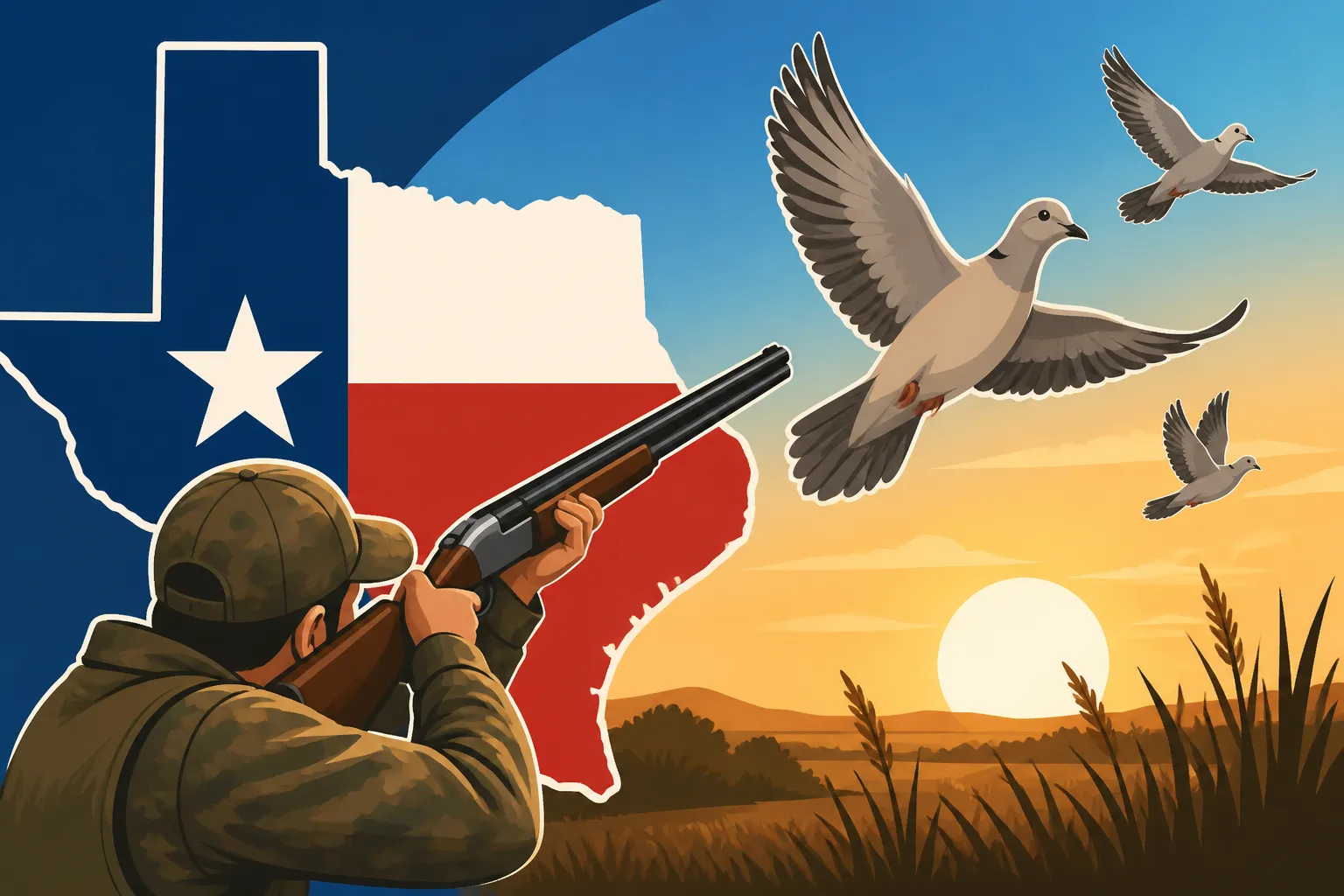
There's nothing quite like the anticipation of the Texas dove season opener. That crisp early September air, the whir of wings overhead, and the camaraderie of friends and family in a freshly cut milo field – it’s a tradition that runs deep for so many of us. But let's be honest, trying to keep track of those ever-so-slightly shifting season dates, especially when you're planning ahead for 2026, can feel like chasing a ghost. One zone opens, another has special days, and then there are the different species! It’s a lot to juggle, and nobody wants to miss out because they misread a calendar. This guide is here to cut through the confusion and give you a comprehensive look at what to expect for the 2026 Texas dove season, from projected dates to essential regulations, so you can plan your hunts with confidence.
Understanding Texas Dove Hunting Zones
Texas is a massive state, and when it comes to migratory bird hunting, it's divided into distinct zones to account for varying migration patterns and dove populations. This means the season dates aren't uniform across the entire state, which can be a bit of a headache if you're not familiar with the boundaries. Knowing your zone is the absolute first step to understanding when you can legally hunt dove.
North Zone Specifics
The North Zone is typically the earliest opener for regular dove season in Texas, usually kicking off on September 1st. This zone covers a vast stretch of North Texas, essentially everything north of a line that generally runs from the Rio Grande near Del Rio, northeast to just north of San Antonio, then east towards the Louisiana border. Hunters in this region primarily target Mourning Dove, which are abundant in agricultural areas and along tree lines. The early start gives hunters a fantastic opportunity to chase birds before they've been pressured too heavily, often in fields of wheat, sunflowers, or freshly cut silage. If you're wondering how to maximize your chances, checking out a guide on Dove Hunting Tactics: Field Setup & Shooting can give you a real edge, especially during this early rush.
Central Zone Specifics
Just south of the North Zone lies the Central Zone, which usually opens a bit later, often around the second week of September. This zone covers a significant portion of the Texas Hill Country and extends east towards the Gulf Coast. While it also offers fantastic Mourning Dove hunting, you'll start to see more White-Winged Dove pushing further north into this region as well, especially later in the season. The terrain here can vary from rolling hills with scattered oaks and mesquite to more open farmlands. Understanding the slight delay in the opener is crucial if your lease or property falls within this zone, as jumping the gun can lead to unwelcome interactions with game wardens. This area is known for strong resident dove populations as well as migratory birds, offering sustained action.
South Zone Specifics
The South Zone is the last to open for the regular season, typically a week or two after the Central Zone, often towards mid-September. This zone encompasses the vast expanse of South Texas, extending down to the Rio Grande Valley. It’s arguably the most famous zone for dove hunting, particularly for its phenomenal White-Winged Dove populations. While Mourning Dove are certainly present, the sheer numbers of white-wings in areas like the Rio Grande Valley and along the coast are legendary. This zone is where the majority of Texas's whitewing action takes place, with birds flocking to grain fields and large roosts. Preparing for these hunts often means considering specific strategies detailed in articles like White-Winged vs Mourning Dove in Texas to adapt to the dominant species.
Special White-Winged Dove Days
Now, here's where things get interesting and a little complex. The South Zone also has a unique early season specifically for White-Winged Dove, known as the "Special White-Winged Dove Days." These special days typically occur on the first two full weekends of September, before the regular South Zone opener. These days are usually restricted to specific geographical boundaries within the South Zone, primarily focusing on the traditional white-winged nesting areas of the Rio Grande Valley. During these special days, the bag limit is usually more restrictive and consists only of white-winged dove and sometimes a few Mourning Dove. This is a bucket-list hunt for many, offering an incredible volume of birds. It's vital to check the exact boundaries and regulations each year, as they can be very specific, sometimes down to individual county lines or highways.
Projecting the 2026 Texas Dove Season Dates
Since the official 2026-2027 Texas hunting regulations, including dove season dates, won't be officially released by the Texas Parks and Wildlife Department (TPWD) until the spring or early summer of 2026, we have to rely on historical patterns and educated projections. The good news is that dove season dates in Texas tend to be fairly consistent year after year, with only minor shifts based on calendar alignment (e.g., ensuring opening day falls on a Saturday).
How Dates are Determined Annually
The TPWD works closely with the U.S. Fish and Wildlife Service (USFWS) to set migratory bird seasons. Federal guidelines, based on bird populations, breeding success, and harvest data from previous years, provide a framework. Within those federal frameworks, TPWD then sets the specific dates for Texas, taking into account local conditions, public input, and the desire to maximize hunting opportunities. This process ensures sustainable hunting while providing ample time afield for hunters. The dates are usually published in the annual Texas Outdoor Annual, which is the official regulatory guide for all hunting and fishing activities in the state. Don't be surprised if you see the dates announced publicly in May or June of 2026.
Anticipated 2026 Season Openers and Closers
Based on years of consistent scheduling, here are our best projections for the 2026 Texas Dove Season dates. Please remember, these are projections and not official dates. Always consult the official 2026-2027 Texas Outdoor Annual once it's released.
| Zone | Projected Opening Date (2026) | Projected Closing Date (First Segment) | Projected Second Segment |
|---|---|---|---|
| North Zone | September 1 (Tuesday) | Mid-November | Mid-December – Early January |
| Central Zone | September 5 (Saturday) | Late October / Early November | Mid-December – Early January |
| South Zone | September 19 (Saturday) | Mid-November | Mid-December – Early January |
| Special White-Winged Dove Days (South Zone) | September 5-6 (Sat-Sun) & September 12-13 (Sat-Sun) | (These are specific short-term hunts) |
Historically, the North Zone has always opened on September 1st, regardless of the day of the week, with the exception of rare, odd calendar years. The Central and South Zones usually open on a Saturday to maximize weekend hunting. The Special White-Winged Dove Days are almost always the first two full weekends of September, strictly within the designated South Zone boundaries. Most zones have a split season, with an earlier segment and then a later segment, usually picking back up in mid-December and running into early January. This gives hunters a chance to pursue late-season birds, which can be a completely different challenge and experience from the early opener. For a broader view of what else you can hunt, check out the Texas Hunting Seasons: Complete Calendar by Species.
Early Teal Season Overlap and Consideration
One critical aspect for dove hunters to be aware of, especially those who also enjoy waterfowl, is the potential overlap with the September Teal Season Dates in Texas. This short, exciting season for Blue-winged, Green-winged, and Cinnamon Teal often runs concurrently with the early dove season, typically for the last half of September. If you're hunting near water bodies or marshy areas, you might find yourself with opportunities for both doves and teal. However, it's absolutely crucial to distinguish between the birds and ensure you're compliant with all regulations for both species, including having the correct endorsements. The rules for shotgun plugs, steel shot requirements, and bag limits are different for waterfowl.
Essential Regulations Beyond Dates for 2026
Knowing when to hunt is just one piece of the puzzle. Texas hunting regulations are comprehensive, and understanding them is non-negotiable for a safe, legal, and enjoyable experience. Even if you're a seasoned dove hunter, it's always a good idea to refresh your memory on the rules, as minor changes can occur from year to year.
Bag Limits and Possession Limits
The daily bag limit for doves in Texas is typically 15 birds, with a possession limit of twice the daily bag (30 birds). However, there's a crucial caveat: during the regular season, this 15-bird bag limit is usually for Mourning, White-winged, and White-tipped (or White-fronted) Doves in the aggregate. This means you can't shoot 15 Mourning Doves and then 15 White-winged Doves for a total of 30. It's 15 total of any combination of those species.
There are specific exceptions, though. For instance, the daily bag limit usually includes no more than two White-tipped Doves. During the Special White-Winged Dove Days in the South Zone, the daily bag limit is typically 15 doves, but it's often restricted to no more than two Mourning Doves and two White-tipped Doves, with the rest being White-winged Doves. Always, always verify these specific limits in the official regulations for 2026, especially for the special white-winged days, as they are designed to protect Mourning Doves during their earlier nesting period.
Licensing and Endorsement Requirements
Before you even step foot in a field, you need to ensure your paperwork is in order. Every hunter, regardless of age, needs a valid Texas hunting license. For dove and other migratory birds, you'll need a specific endorsement.
First, you'll need a general hunting license. For Texas residents, the Super Combo License is often the best value, covering all your bases for hunting and fishing. Non-residents will need a Non-resident General Hunting License or a Non-resident 5-day Special Hunting License, which can be useful for shorter trips. You can find detailed information on these licenses, their costs, and how to purchase them in our comprehensive guide on Texas Hunting License: Cost, Types & How to Buy (2026).
Second, for migratory birds like doves, you'll need a Migratory Game Bird Endorsement, often referred to as a "HIP Certification." This certification is federally mandated and helps wildlife agencies gather data on migratory bird hunters. It's a quick and free process that you can complete when purchasing your license. Without this endorsement, your migratory bird hunt is illegal. It's a small but absolutely critical step that many new hunters sometimes overlook. Our guide on Texas Migratory Bird Endorsement & HIP Certification goes into more detail about this requirement.
Finally, hunter education is required for most hunters born on or after September 2, 1971. There are exceptions for those hunting on their own land, or if accompanied by an adult who has completed the course, but it's best to get it done.
Important Gear and Field Setup Considerations
While not strictly regulatory, having the right gear and knowing how to set up effectively can make or break your dove hunt. Early season dove hunting in Texas often means dealing with intense heat, so lightweight, breathable camouflage is a must. You'll sweat, plain and simple, and staying comfortable makes a huge difference. Think about camo patterns that blend with dry fields and brush, like those discussed in Best Early-Season Camo for Texas Heat.
Secondly, a good shotgun is key. Many hunters opt for 12 or 20 gauge shotguns, typically semi-automatics or over/unders, for the fast-paced action of dove hunting. Load selection is also crucial; lighter loads like 7 1/2 or 8 shot are common for doves, but you might want to experiment with different brands and shot sizes to see what patterns best in your gun. Remember, migratory bird hunting requires a shotgun plug that limits your gun's capacity to no more than three shells (one in the chamber, two in the magazine).
Finally, don't underestimate the power of a good setup. Doves are creatures of habit, often flying specific routes between roosting, feeding, and watering areas. A comfortable stool, plenty of water, and perhaps some dove decoys can significantly improve your success. Learn more about effective strategies in articles like Dove Field Setup: Where to Stand and How to Use Decoys for Dove Hunting. Even a small bucket can make a great seat and carry your shells.
Preparing for a Successful 2026 Dove Season
Getting ready for dove season is more than just checking dates and buying a license; it's about preparing yourself, your gear, and your hunting spot for the best possible experience. Texas dove hunting can be incredibly rewarding, but it often requires some foresight and effort.
Scouting and Location Tips
The biggest secret to consistent dove hunting success is scouting. Doves are migratory, but they establish patterns in an area based on food, water, and roosting cover. Before the season opens, drive around areas known for dove activity, especially those with agricultural fields (sunflowers, milo, corn, wheat), livestock tanks, or power lines. Look for concentrations of birds, paying attention to their flight paths in the mornings and evenings. Where are they flying from? Where are they landing? These observations are gold.
If you have a hunting lease, spend time familiarizing yourself with every corner. Identify potential flyways, water sources, and roosting spots. For those who hunt public land or look for day hunts, identifying accessible areas that fit these criteria is critical. While some "walk-in" areas exist, many of the best dove hunting spots are on private land. Asking for permission from landowners is a time-honored tradition and often yields fantastic results. For a detailed breakdown of how to approach this, consider resources on How to Hunt Dove in Texas (Step by Step). Remember, the "X" factor in dove hunting is often being where the birds want to be.
Ammunition and Shotgun Selection
When it comes to ammunition, lighter loads are generally preferred for dove due to their smaller size and relatively delicate feathers. As mentioned, 7 1/2 or 8 shot sizes are standard. You'll want to choose a shell with enough velocity to reach out and touch those high-flying birds, but not so much recoil that it becomes uncomfortable after 50-100 shots (which isn't uncommon on a good dove day!). Consider buying a few different boxes to see which patterns best in your shotgun. A good pattern, even with lighter shot, will significantly improve your hit ratio.
For shotguns, personal preference plays a huge role. Semi-automatics are popular because they minimize recoil and allow for quick follow-up shots. Over/unders and side-by-sides are classic choices, offering two quick shots and a certain aesthetic appeal. Pump-action shotguns are reliable and economical but might be slower for rapid-fire action. Whatever your choice, ensure it's clean, well-maintained, and you've practiced swinging on moving targets. A few rounds of skeet or trap before the season can drastically improve your field performance.
Staying Safe and Legal in the Field
Safety is paramount. Always handle firearms responsibly, keeping the muzzle pointed in a safe direction and your finger off the trigger until you're ready to shoot. Know your hunting companions' positions and maintain safe shooting lanes, especially in crowded fields. Eye and ear protection are highly recommended. While doves don't pack the same punch as big game, their flight can still carry lead, and the constant muzzle blast can damage your hearing over time.
Beyond firearm safety, respect the land you're on, whether it's your own, a lease, or public access. Pick up all your spent shell casings, as they can be hazardous to livestock and wildlife. Pack out what you pack in. Be mindful of property lines and adhere strictly to all Texas Mourning Dove Hunting Regulations 2026 and Texas White-Winged Dove Hunting Regulations 2026. A quick call to your local game warden's office if you have a specific question about boundaries or rules is always better than learning the hard way. Staying hydrated in the Texas heat is also critical; bring more water than you think you'll need.
Disclaimer
Please remember that the 2026 Texas dove season dates provided in this guide are projections based on historical patterns and are not yet official. Official dates and regulations will be released by the Texas Parks and Wildlife Department (TPWD) closer to the 2026 season. Always consult the official 2026-2027 Texas Outdoor Annual or the TPWD website for the most accurate and up-to-date information before planning your hunt. Hunting regulations can change, and it is every hunter's responsibility to know and follow the current laws.