MLDP & Managed Lands in Texas Explained
It's tough, isn't it? You've got a passion for the land, a drive to improve your deer herd, and a desire to hunt smarter, not just harder. But sometimes, the standard Texas hunting regulations feel like they're holding you back from truly implementing effective wildlife management on your property. This comprehensive guide is here to unravel the often-misunderstood world of Managed Lands Deer Permits (MLDP) and other managed land programs in Texas, showing you how they can offer the flexibility and tools you need to take your land and your hunting to the next level.
Understanding Managed Lands Deer Permits (MLDP)
When you're deeply invested in your property and the wildlife it supports, you want the freedom to manage it effectively. The general hunting seasons and bag limits, while crucial for overall statewide management, often don't account for the unique conditions and specific goals of individual tracts of land. This is where the Managed Lands Deer Permit (MLDP) program steps in, offering a tailored approach to deer management that benefits both the landowner and the deer population.
What Exactly is MLDP and Why Does it Matter?
At its core, the MLDP program is a voluntary incentive program offered by the Texas Parks and Wildlife Department (TPWD) that gives landowners and their agents the authority to manage white-tailed deer and mule deer populations more intensively than general regulations allow. It’s a way for TPWD to partner with private landowners, recognizing that most of Texas’s wildlife habitat is privately owned. The "permit" aspect means that enrolled properties receive specific tags for bucks and antlerless deer, often with extended seasons and tailored harvest recommendations, instead of relying on county-specific general season tags.
For many hunters and landowners, the frustration of watching a promising young buck walk by during the general season, knowing you can't harvest enough does to balance the herd, is a real one. MLDP alleviates this by empowering you to make harvest decisions based on scientific data collected from your specific property, rather than broad regional guidelines. It matters because it shifts the focus from simple harvest to genuine wildlife management, promoting healthier deer, improved habitat, and often, enhanced hunting experiences. It's about getting more deeply involved in the ecological health of your land.
How MLDP Differs from General Deer Season Regulations
The distinctions between MLDP and general deer season regulations are pretty significant, and understanding them is key to appreciating the program's value. Under general regulations, all hunters in a given county abide by the same opening and closing dates, the same antler restrictions (like the Texas Antler Restrictions: 13-Inch Rule & Counties in many areas), and the same bag limits. You buy your standard Texas Hunting License: Cost, Types & How to Buy (2026), receive your tags, and hunt within those fixed parameters. This approach is simple and effective for broad, regional management.
However, MLDP throws a wrench (a good wrench!) into that simplicity. For starters, MLDP properties often receive extended hunting seasons, allowing landowners to harvest deer before and after the traditional county dates. This added flexibility is invaluable, particularly for targeting specific age classes of bucks or ensuring adequate doe harvest. Furthermore, MLDP properties are generally exempt from county antler restrictions, allowing landowners to decide which bucks to harvest based on their own management goals (e.g., age structure, genetics) rather than an arbitrary measurement. Instead of generic tags, participants receive specific MLDP tags that are valid only on their enrolled property. This tailored approach allows for precision management that can be incredibly rewarding, creating a stark contrast to the one-size-fits-all approach of general seasons.
The Two Tiers of MLDP: Harvest & Conservation
The MLDP program isn't a single, rigid structure; it's designed with two distinct tiers to accommodate varying levels of landowner commitment and management intensity. These tiers – the Harvest Option and the Conservation Option – each offer different benefits and require different levels of involvement, allowing landowners to choose the path that best suits their resources, goals, and land management philosophy.
Harvest Option: Flexibility for Active Management
The Harvest Option is often seen as the entry point for many landowners interested in formal deer management. It's designed for properties that are actively managing their deer population and habitat but might not have the resources or desire for the more intensive, long-term commitment of the Conservation Option. With the Harvest Option, participating properties receive extended seasons and specific MLDP tags. This allows for increased flexibility in hunting dates, often starting earlier and ending later than the general season.
The key here is active management. To qualify, landowners must submit detailed harvest data annually, often including jawbones, antler measurements, and weights for harvested deer. This data provides TPWD biologists with crucial insights into the health and dynamics of the deer herd on that specific property. For instance, if you're consistently seeing a low fawn crop, or your How to Pattern Bucks With Trail Cameras shows a high buck-to-doe ratio, the Harvest Option gives you the tools to adjust your harvest. It’s a practical solution for landowners who want to make data-driven decisions without committing to a full-blown, multi-year management plan overseen directly by a TPWD biologist. It allows for hands-on, year-to-year adjustments that can quickly impact herd health.
Conservation Option: Deeper Commitment, Greater Reward
For those landowners truly dedicated to maximizing their wildlife habitat and deer potential, the Conservation Option is the gold standard. This tier requires a much deeper commitment, including a comprehensive, written wildlife management plan developed in conjunction with a TPWD biologist. This plan isn't just about deer; it encompasses habitat management for all wildlife, addressing factors like food plots, water sources, cover, and predator control. The plan is typically multi-year and includes specific, measurable objectives.
The rewards, however, are substantial. Properties enrolled in the Conservation Option receive the longest possible extended seasons, often spanning well beyond the typical general season dates. They also receive the most generous tag allocations, allowing for precise control over the age and sex structure of the deer herd. TPWD biologists are heavily involved, providing expert guidance, conducting site visits, and helping analyze population data. This collaboration ensures that management efforts are scientifically sound and effective in the long run. The goal isn't just a healthy deer herd, but a thriving ecosystem. For a property aiming for truly trophy-class animals, or focused on restoring degraded habitat, the Conservation Option provides the framework and expert support to achieve those ambitious goals.
Eligibility and Application Process for MLDP
Diving into the MLDP program can seem a bit daunting at first, especially when you're trying to figure out if your land even qualifies or what hoops you'll need to jump through to get enrolled. Rest assured, while there's a process, it's designed to be manageable for dedicated landowners committed to wildlife. Understanding the requirements and the application steps will smooth your path toward a more flexible and effective hunting season.
Who Can Apply for MLDP? Landowner Requirements
The MLDP program is open to landowners or their designated agents who manage property for white-tailed deer or mule deer. The primary requirement is that the property must be at least 150 acres, though there are provisions for smaller properties to qualify if they are part of a larger contiguous management unit. For instance, if your 75-acre tract adjoins your neighbor's 100-acre tract, and both of you agree to manage together, you might qualify. This flexibility aims to encourage participation, recognizing that wildlife doesn't stop at property lines.
Beyond acreage, the most crucial requirement is a commitment to wildlife management. This isn't just about hunting; it's about actively improving and sustaining habitat. You need to be willing to collect and submit harvest data and, for the Conservation Option, develop and implement a detailed wildlife management plan. This means observing deer, understanding their movements, and being prepared to provide information like sex, age, weight, and antler measurements of harvested deer. It’s a partnership where your effort on the ground directly feeds into better management decisions for your specific land. This is also where understanding topics like Best Deer Feeder Setup for Texas or Food Plots in Texas: What Works in the Heat becomes especially relevant, as these are common components of management plans.
Step-by-Step Guide to the MLDP Application Process
The application process for MLDP, while structured, is fairly straightforward once you know the steps. It typically begins with contacting your local TPWD biologist or the MLDP coordinator for your region. They are your primary resource and will guide you through the specifics. For the Harvest Option, the process generally involves submitting an application, providing property details, and agreeing to collect and submit annual harvest data. TPWD then issues the specific MLDP tags for your property.
For the Conservation Option, the process is more involved. First, you'll need to work closely with a TPWD biologist to develop a comprehensive wildlife management plan. This plan outlines your property's current conditions, management objectives, and proposed activities (like habitat restoration, supplemental feeding, or population surveys). Once the plan is approved, you formally enroll your property. Each year, you'll be required to submit your harvest data and an annual report detailing the management activities performed on your land. Enrollment deadlines are crucial, typically falling in late summer or early fall before the deer season starts. Missing these can mean waiting another year. Remember, diligent record-keeping throughout the year, especially with tools like Best Cellular Trail Cameras for Texas (2027) to help with deer surveys, will make the annual reporting much smoother.
Benefits and Challenges of MLDP Participation
Deciding whether to enroll your property in the MLDP program involves weighing the advantages of tailored management against the responsibilities that come with it. For many, the benefits far outweigh the commitment, leading to healthier deer populations and more rewarding hunting experiences. However, it's equally important to go into the program with open eyes, understanding the time and effort involved.
Extended Seasons and Flexible Tagging
One of the most immediate and appealing benefits of MLDP for many hunters is the gift of time: extended hunting seasons. Imagine having the flexibility to hunt white-tailed deer outside the traditional November-January window, potentially starting in September and running through February. This extended period allows for more strategic hunting, whether you're trying to fill an antlerless quota, target specific bucks during the early season, or capitalize on late-season opportunities. This flexibility truly enhances your ability to implement strategies like Rut Hunting Tactics: Rattling & Grunting in Texas during their peak, rather than being confined by a rigid calendar.
Moreover, the tagging system under MLDP offers unparalleled flexibility. Instead of using generic county tags with their associated restrictions, you receive property-specific MLDP tags. These tags often allow you to bypass county antler restrictions, giving you the power to harvest bucks based on age class and management goals, rather than antler spread. For antlerless deer, you receive specific permits tailored to your property's population needs, ensuring you can remove enough does to maintain a balanced herd. This targeted approach means less guesswork and more control over the future of your deer herd, moving beyond the often restrictive nature of standard tags, as covered in Texas Hunting Tags & Harvest Reporting (My Texas Hunt Harvest).
Enhanced Deer Management and Habitat Improvement
Beyond the hunting perks, the true long-term value of MLDP lies in its focus on scientific, data-driven deer management and habitat improvement. The program encourages a holistic approach, where harvesting decisions are made based on population data (e.g., fawn recruitment, sex ratios, age structure) gathered directly from your property. This contrasts sharply with general season hunting, where you're often just reacting to what you see without a broader management context. By engaging with a TPWD biologist and collecting data, you gain a deeper understanding of your specific herd.
This deeper understanding naturally leads to better habitat decisions. When you know your deer herd's health and density, you can more effectively plan things like Protein Feeding Deer for Bigger Antlers or implement brush management strategies. The process of developing a wildlife management plan (especially for the Conservation Option) compels you to assess and improve your land for the benefit of all wildlife, not just deer. This might include planting native forages, developing water sources, or controlling invasive species. Over time, these efforts translate into a healthier, more robust ecosystem, capable of supporting not only more deer but also a higher quality of deer, which is the ultimate goal for any dedicated land manager.
The Commitment and Record-Keeping Burden
While the benefits of MLDP are significant, it’s crucial to acknowledge the commitment required. This isn't a "set it and forget it" program; it demands active participation and diligent record-keeping. For both the Harvest and Conservation options, you are responsible for collecting detailed harvest data from every deer taken on your property. This includes sex, age (often requiring jawbone submission), field dressed weight, and antler measurements. This can be time-consuming, especially if you have multiple hunters or a high harvest quota. Many landowners find this an initial hurdle, feeling overwhelmed by the paperwork and data analysis.
Furthermore, for the Conservation Option, you'll be implementing a full wildlife management plan, which involves various habitat improvement projects and annual reporting. This requires consistent effort throughout the year, not just during hunting season. Keeping track of prescribed burns, timber thinning, food plot plantings, and predator control efforts adds to the workload. It’s a genuine investment of time and resources. However, while it might feel like a burden at times, many participants find that the discipline of record-keeping, often aided by tools like onX Hunt or GoHunt for mapping and data logging, ultimately leads to a much more informed and successful management strategy.
Integrating Technology for MLDP Success
In today's world, technology plays a pivotal role in almost every aspect of our lives, and wildlife management is no exception. For landowners and hunters participating in the MLDP program, leveraging modern tools can significantly streamline the process, making data collection easier, management planning more precise, and ultimately, leading to better outcomes for their deer herds.
Using Mapping Apps for Wildlife Management Plans
Creating a comprehensive wildlife management plan, especially for the Conservation Option, can be a complex task. You need to map out every feature of your property: food plots, water sources, bedding areas, travel corridors, and even soil types. Traditional paper maps are cumbersome and difficult to update. This is where advanced mapping applications like onX Hunt and GoHunt become indispensable. These apps allow you to digitally delineate property boundaries, mark points of interest, and layer different data sets directly on your phone or tablet.
Imagine being able to walk your property and instantly mark where you've planted a new food plot, identified a critical water source, or observed significant buck sign. You can then use these digital maps to visually represent your management efforts in your MLDP plan, showing TPWD biologists precisely where activities are taking place. For example, you can map out your plans for controlled burns, plot potential new Best Deer Feeder Setup for Texas locations, or track areas of heavy browsing pressure. This visual and interactive approach makes your management plan far more dynamic and easier to understand, not to mention a breeze to update year after year as your habitat evolves.
Streamlining Data Collection with Digital Tools
The annual data submission requirement for MLDP, while vital for good management, can be a significant undertaking. Manually logging jawbones, weights, and antler measurements for every harvested deer, then compiling it all into a report, is time-consuming. Thankfully, digital tools are making this process much more efficient. Many hunting apps and dedicated wildlife management software now offer features for digital harvest logging. Instead of scribbling notes in a damp logbook, you can input data directly into your phone.
Modern cellular trail cameras like those discussed in Best Cellular Trail Cameras for Texas (2027) also play a huge role. They don't just send photos to your phone; many come with robust apps that allow you to categorize and analyze deer observations, track buck antler development, and estimate population dynamics. This visual data, combined with harvest records, creates a comprehensive picture of your herd's health. Some landowners even use specialized wildlife management software to integrate all this data, making it easier to generate the required reports for TPWD. This digital transformation reduces errors, saves countless hours, and ensures that the data you submit is accurate and readily accessible, forming a solid foundation for informed decisions about your Texas Deer Season 2026-2027: Dates by Zone planning.
Common Misconceptions and FAQs About MLDP
It's natural for a program as detailed as MLDP to gather its share of myths and misunderstandings. Many landowners hear whispers or form assumptions that might deter them from exploring this valuable management tool. Let's bust some of those common misconceptions and provide clarity on what MLDP truly is and isn't.
MLDP is Only for High-Fence Operations
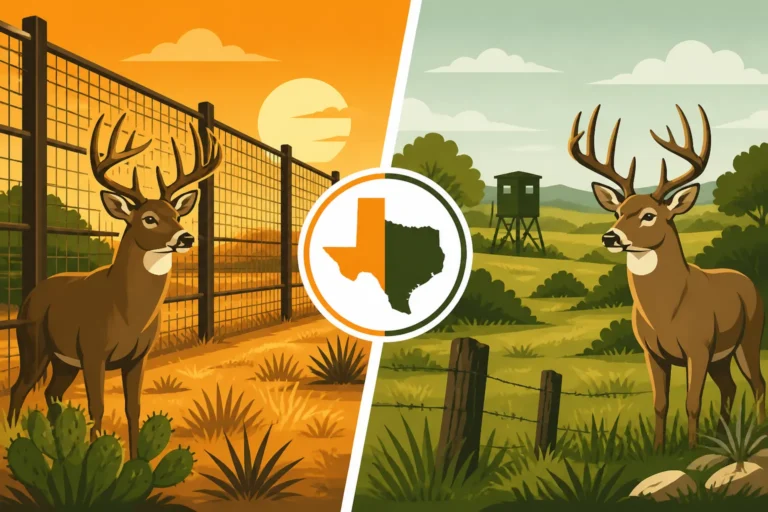
One of the most persistent myths surrounding MLDP is that it's exclusively for high-fenced properties, typically associated with exotic game or commercial hunting operations. This couldn't be further from the truth. While some high-fence ranches do participate, the vast majority of MLDP properties are low-fenced, free-range operations. The program is designed to work with natural deer populations and habitats, providing management flexibility for landowners regardless of whether their property is enclosed by a high fence or not.
The core purpose of MLDP is to promote sound wildlife management practices and provide data to TPWD for broader conservation efforts across Texas. It's about managing a local deer herd based on scientific principles and specific habitat conditions, not about controlling every aspect of a confined population. If you have a low-fenced property and are committed to improving your land for deer, you absolutely qualify and are encouraged to participate. The program aims to empower all landowners to be better stewards of their wildlife, whether they're pursuing trophy whitetails on a massive South Texas ranch or managing a smaller tract in the Hill Country.
MLDP Guarantees Huge Trophy Bucks
Another common misconception is that simply enrolling in MLDP will automatically result in a property overflowing with massive trophy bucks. While MLDP can contribute to the production of larger-antlered deer, it is not a magic bullet or a guarantee. The program provides the tools and flexibility for effective management, which, when diligently applied, can lead to a healthier deer herd with a better age structure. A healthier herd, managed to an appropriate carrying capacity, and with bucks allowed to reach older age classes, will naturally produce larger antlers over time.
However, antler size is influenced by a complex interplay of age, nutrition, and genetics. MLDP gives you control over age and helps you manage nutrition through habitat improvement and supplemental feeding like Corn vs Protein Feeder for Texas Deer. It does not, however, alter the genetics of wild deer in a single season, nor does it override poor habitat or chronic drought. It's a long-term commitment to sustainable management. Think of MLDP as providing the best possible conditions for your deer to reach their full potential, rather than instantly transforming every buck into a Boone & Crockett contender. Success under MLDP requires patience, consistent effort, and a realistic understanding of wildlife biology.
The Future of Managed Lands in Texas
The landscape of wildlife management is always evolving, driven by new research, changing environmental conditions, and the collective efforts of landowners and state agencies. The MLDP program is a dynamic tool within this larger context, constantly adapting to better serve both the state's wildlife resources and the dedicated individuals who manage them.
Evolving Management Strategies and Wildlife Goals
TPWD is continuously evaluating and refining the MLDP program to ensure it aligns with the latest scientific understanding of deer biology and habitat management. This means the program isn't static; it evolves based on new data and changing conservation needs. For example, as researchers gain deeper insights into deer diseases like CWD (Chronic Wasting Disease), MLDP guidelines might be adjusted to support disease monitoring or prevention efforts. Similarly, as climate patterns shift, management recommendations for habitat improvements, such as Food Plots in Texas: What Works in the Heat or water conservation, may be updated.
The overall wildlife goals for Texas are becoming increasingly sophisticated, moving beyond simply managing for harvest to focusing on ecosystem health and biodiversity. MLDP participants are at the forefront of this shift, as their management plans often encompass broader habitat improvements that benefit a wide array of species, not just deer. The emphasis is on creating resilient, healthy ecosystems that can withstand environmental pressures and continue to provide robust wildlife populations for generations to come. This forward-thinking approach ensures that MLDP remains a relevant and powerful tool for Texas landowners.
The Role of MLDP in Broader Texas Wildlife Conservation
Individual MLDP properties, while managed at a local level, collectively play a critical role in the broader context of Texas wildlife conservation. With the vast majority of Texas land in private hands, programs like MLDP are essential for achieving statewide conservation objectives. Each landowner participating in MLDP is contributing valuable data to TPWD, which helps biologists understand regional deer population trends, health metrics, and habitat conditions across the state. This aggregated data is invaluable for making informed decisions about statewide hunting regulations and conservation initiatives.
Moreover, the habitat improvements implemented on MLDP properties create interconnected networks of healthy land, which are crucial for wildlife movement, genetic diversity, and climate change resilience. A ranch improving its brush cover, planting native forages, or restoring wetlands isn't just benefiting its own deer; it's providing vital resources that spill over and support wildlife across neighboring properties and even larger ecological regions. In essence, MLDP fosters a collaborative effort between private landowners and the state, demonstrating how individual stewardship, guided by scientific principles, can lead to significant, positive impacts on Texas's cherished natural heritage. It's about ensuring a vibrant future for White-Tailed Deer Hunting in Texas: Complete Guide and all other game animals.
Disclaimer
Please note that hunting regulations, license requirements, and program guidelines can change. Always consult the official Texas Parks and Wildlife Department (TPWD) Outdoor Annual and their website for the most current and accurate information before planning any hunting activities or applying for programs like MLDP. This guide is for informational purposes only and should not be considered legal advice.