Black Gap WMA Hunting & Draw Info
Finding those truly wild, off-the-beaten-path hunting experiences in Texas can feel like searching for a needle in a haystack, especially when you're dreaming of mule deer or even Aoudad in a rugged, remote landscape that feels a world away from the crowded deer leases. If you've ever felt the itch for a challenging hunt that tests your grit and rewards you with breathtaking scenery and unique game, then you've likely heard whispers of the Black Gap Wildlife Management Area. This guide is dedicated to pulling back the curtain on what Black Gap offers, how to get a shot at hunting there through the public draw, and what you need to know to be prepared.
Understanding Black Gap WMA's Unique Appeal
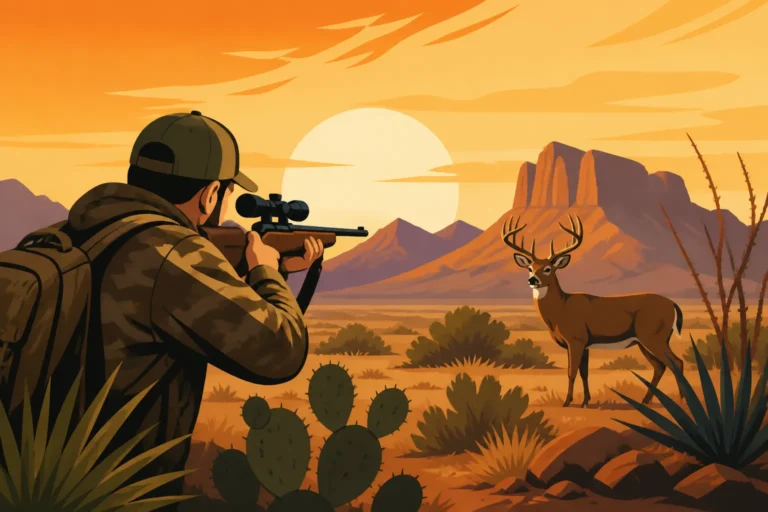
Black Gap Wildlife Management Area (WMA) isn't your typical Texas hunting spot. Tucked away in the vast, unforgiving, yet incredibly beautiful Trans-Pecos region, it offers a truly wild, uncommercialized hunting experience that stands apart. We're talking about expansive desert mountain landscapes, challenging terrain, and the opportunity to pursue species like mule deer and aoudad in their natural, rugged habitat. It's a place that demands respect and preparation, but the rewards are immeasurable.
Location and Terrain Challenges
Black Gap WMA spans over 100,000 acres in Brewster County, making it one of the largest WMAs in Texas. It sits adjacent to Big Bend National Park and the Rio Grande, creating a dramatic backdrop of towering mountains, deep canyons, and vast, open desert flats. The terrain is an imposing mix of the Chisos Mountains' foothills, numerous arroyos, steep draws, and rocky outcroppings. Vehicle access is often limited to rough, unpaved roads, and you absolutely need a high-clearance, four-wheel-drive vehicle to navigate much of it. Many areas are only accessible by foot, often requiring strenuous hiking over uneven, rocky ground. The vegetation primarily consists of desert flora like prickly pear cactus, lechuguilla, and ocotillo, which can be tough on boots and bare skin. This isn't a place for casual strolls; physical fitness is paramount for anyone planning to hunt here. Understanding the remote nature of this area means also being prepared for potential vehicle breakdowns or getting stuck, as cell service is spotty at best.
Primary Game Species at Black Gap
While Black Gap is perhaps most famous for its desert mule deer, it offers a diverse range of hunting opportunities for those lucky enough to draw a tag. The mule deer here are known for being exceptionally wild and elusive, often requiring significant effort and keen glassing skills to locate. These aren't the corn-fed bucks of East Texas; they're hardened survivors of the Chihuahuan Desert. Besides mule deer, hunters can also pursue javelina, a smaller, pig-like creature native to the Southwest, which provides a unique hunting challenge. For those seeking an exotic experience, the WMA also offers opportunities for aoudad sheep, though these hunts are typically highly sought after and require specialized permits. Occasionally, permits for desert bighorn sheep are offered through a special drawing, representing one of the most exclusive hunts in Texas. Predator hunting for coyotes is also an option, often done in conjunction with other hunts. It's truly a testament to the wild nature of the Trans-Pecos that such a variety of challenging game animals thrive here. If you're specifically interested in mule deer, you might find our guide on Mule Deer Hunting in Texas: Panhandle & Trans-Pecos very helpful.
The Black Gap WMA Public Hunt Draw System
Accessing Black Gap WMA for hunting isn't as simple as showing up with a hunting license. Due to its unique ecosystem and the desire to manage game populations sustainably, hunting opportunities are primarily allocated through the Texas Parks and Wildlife Department's (TPWD) Public Hunt Drawing System. This system ensures fair access and controlled pressure on the wildlife. Many hunters find this process daunting, especially understanding the different categories and application windows, but it's a rite of passage for public land hunters in Texas.
How to Apply and Key Dates
Applying for a drawn hunt at Black Gap WMA means navigating the TPWD's online application portal. The application period typically opens in mid-summer, usually around August, and various hunt categories have staggered deadlines throughout the fall. You'll need a valid Texas hunting license to apply, and non-residents are eligible, though fees may differ. The most common hunts at Black Gap are for mule deer, aoudad, and javelina. Each hunt has a specific category (e.g., "Aoudad Sheep Drawn Hunt," "Mule Deer – Black Gap WMA"). You can apply for multiple categories, but you'll pay a non-refundable application fee for each one.
It's absolutely critical to stay on top of these deadlines, which are published annually in the Texas Parks and Wildlife Outdoor Annual. Missing a deadline means missing your chance for the entire season. I always recommend setting multiple reminders! For a more general overview of this process, check out our guide on Texas Drawn Hunts & Public Hunt Draw 2027. Don't forget, a current Texas Hunting License: Cost, Types & How to Buy (2026) is your first step.
Understanding Your Chances and Hunt Types
The drawn hunts at Black Gap, especially for mule deer and aoudad, are highly competitive. Thousands of hunters apply for a handful of permits, meaning the odds can be quite low. However, don't let that discourage you; someone has to draw, and with persistence, your number could come up. TPWD sometimes publishes draw odds from previous years, which can give you a rough idea, but remember these fluctuate. Websites like GoHunt and onX Hunt sometimes offer tools or forums where hunters discuss draw odds and strategies, which can be useful supplemental research, but always verify details with official TPWD sources.
There are various hunt types available. Some are general drawn hunts, open to all eligible applicants, while others are specific, like "Youth Only" hunts, designed to introduce younger hunters to these challenging environments. For mule deer, these hunts are typically rifle hunts, lasting several days. Aoudad hunts might be more extended due to the difficulty of locating these agile sheep in their mountainous habitat.
Here’s a simplified look at typical hunt categories and their competitiveness:
| Hunt Type | Target Species | Typical Duration | Competitiveness (Odds) | Notes |
|---|---|---|---|---|
| General Drawn Hunt | Mule Deer | 4-5 Days | Very High | Most sought-after, rifle hunt, physically demanding. |
| General Drawn Hunt | Aoudad Sheep | 5-7 Days | Very High | Challenging mountain hunt, often requiring specialized gear. |
| General Drawn Hunt | Javelina | 3-4 Days | Moderate | More accessible, good entry-level hunt for the WMA. |
| Youth Only Drawn Hunt | Mule Deer / Javelina | 3-4 Days | Moderate | Excellent opportunity for young hunters, often with mentor supervision. |
| Special Permit Hunt | Desert Bighorn Sheep | 7-10 Days | Extremely Low | Rarest of all, true once-in-a-lifetime opportunity. |
Keep in mind that these are general guidelines, and specific details, including Texas Mule Deer Season Dates 2026, can vary each year, so always check the official TPWD publications.
Preparing for a Black Gap WMA Hunt
Drawing a tag for Black Gap WMA is just the beginning; the real work starts with preparation. This is not a hunt where you can just show up and expect success without significant planning and forethought. The remote, rugged nature of the Trans-Pecos means you need to be self-sufficient, well-equipped, and physically ready for a demanding experience.
Essential Gear and Physical Readiness
When packing for Black Gap, think wilderness survival meets serious hunting. Water is your absolute most critical resource – plan to carry more than you think you'll need, and have extra stashed at your camp or vehicle. We're talking multiple gallons per person, per day. For navigation, traditional paper maps and a compass are non-negotiable backups, but modern GPS devices and hunting apps like onX Hunt are invaluable for marking waypoints, tracking your movements, and identifying property boundaries. These apps can also help you scout the terrain virtually beforehand.
Clothing should be durable, lightweight, and offer protection from sun, thorns, and insects. Long sleeves and pants are a must, even in the heat. Footwear is paramount: invest in high-quality, broken-in hiking boots with excellent ankle support. Given the prevalence of rattlesnakes, especially during warmer months, Best Snake Boots for Texas Hunting are a wise investment. Don't skimp on a first-aid kit, and consider a satellite communication device like a Garmin inReach or a Zoleo, as cell service is unreliable. A good spotting scope and binoculars are absolutely essential for glassing the vast, open country, as covered in our guide to Best Hunting Optics for Texas: Scopes, Binos & Rangefinders.
Physically, you need to be in shape. Training for hiking with a weighted pack over uneven terrain is highly recommended. Many successful Black Gap hunters spend weeks or months before their trip getting their bodies ready for the strenuous climbs and long miles. This isn't a sit-in-a-blind hunt; it's a spot-and-stalk adventure that will push your limits.
Scouting and Strategy
Effective scouting for a Black Gap hunt usually starts long before you ever set foot on the WMA. Utilizing satellite imagery on apps like onX Hunt or Google Earth can help you identify potential water sources (often dry arroyos or guzzlers), prominent ridges, deep canyons, and likely travel corridors for game. Look for areas with a mix of cover and open country, which mule deer often favor. You can also research historical hunt data, if available, to understand where successful harvests have occurred in the past, though specific locations are rarely disclosed.
Once on the ground, your strategy will likely revolve around spot-and-stalk hunting. This means finding a high vantage point at dawn and dusk, setting up your optics, and patiently glassing the distant hillsides and valleys for any sign of movement. Mule deer tend to be crepuscular, meaning most active during twilight hours, so focusing your efforts then is key. Learning How to Scout for Deer Before Season in Texas can give you an edge, even if it's virtual scouting. For Aoudad, the strategy is similar, but they often prefer the steepest, most remote canyon systems, making for an even more physically demanding Spot-and-Stalk Aoudad in West Texas pursuit. Patience, persistence, and keen observation are your best allies in this challenging landscape.
Maximizing Your Black Gap WMA Experience
A successful Black Gap hunt isn't just about bagging an animal; it's about embracing the unique challenge and immersing yourself in one of Texas's wildest landscapes. To truly maximize your experience, you need to be prepared for every eventuality, from the remote environment to proper game care.
Adapting to the Remote Environment
Hunting in Black Gap WMA is a true backcountry experience. You won't find amenities, cell service is minimal, and help can be hours away. This means embracing self-sufficiency is non-negotiable. Always inform someone of your exact hunting plans, including your expected return time and travel routes. Carry extra fuel, a spare tire, and basic vehicle repair tools. A jump starter pack can be a lifesaver. Navigation tools are crucial, as discussed, but knowing how to use them without power or signal is just as important.
Respecting the land is also paramount. Black Gap is a sensitive desert ecosystem. Practice strict Leave No Trace principles: pack out everything you pack in, minimize your impact on vegetation, and properly dispose of human waste. Campfires are often prohibited or heavily restricted due to fire danger, so plan for alternative cooking methods. The isolation can be both awe-inspiring and daunting, so mental preparedness for solitude and unexpected challenges is part of the experience.
Post-Harvest Considerations
If you're fortunate enough to harvest an animal at Black Gap, the work is far from over. The Trans-Pecos region can experience significant temperature swings, often hot during the day, even into the fall. Quickly field dressing and cooling your game is essential to preserve the meat. Our guide on How to Field Dress a Deer in Hot Weather provides invaluable tips, and you might also want to consult Field Dressing & Processing Game in Texas Heat. You'll need a plan for quartering the animal and packing it out, as vehicle access might not be possible directly to the kill site. Sturdy game bags, a good knife, and a well-thought-out packing system are crucial. Some hunters bring a game cart, but the terrain often makes this impractical, meaning you'll likely be hauling quarters on your back. Having a large cooler filled with ice at your vehicle is vital for the journey home, especially if you have a long drive ahead. Remember, Black Gap is a long way from the nearest processing plant.
Texas Hunting Seasons: Complete Calendar by Species
Beyond Black Gap, it's always good to be aware of the broader hunting opportunities in Texas. Understanding Texas Hunting Seasons: Complete Calendar by Species can help you plan your entire year, from dove to duck to exotic game. While Black Gap offers a specific challenge, Texas has a diverse hunting landscape that caters to every interest. For instance, even for mule deer, there are other regions, and species like Texas Pronghorn Season & Permits also offer unique drawn hunt experiences worth exploring.
Disclaimer
Hunting is an inherently dangerous activity. This guide provides general information and recommendations but should not replace official regulations, professional safety training, or personal judgment. Always prioritize safety, adhere to all Texas Parks and Wildlife Department regulations, and be prepared for potential emergencies in the field. Conditions in the Trans-Pecos can change rapidly, and personal responsibility is crucial for a safe and successful hunt.