Nilgai Hunting in Texas: Cost & Where
Trying to figure out where to start with a Nilgai hunt in Texas can feel like navigating the dense South Texas brush blindfolded. Many hunters are drawn to these magnificent, elusive "blue bulls" but quickly get overwhelmed by questions about locations, hunt costs, and the unique challenges involved. This guide is designed to demystify Nilgai hunting in Texas, covering everything from understanding these incredible animals to breaking down expenses and tactics so you can plan your ultimate adventure.
Understanding Nilgai: The Blue Bull of Texas
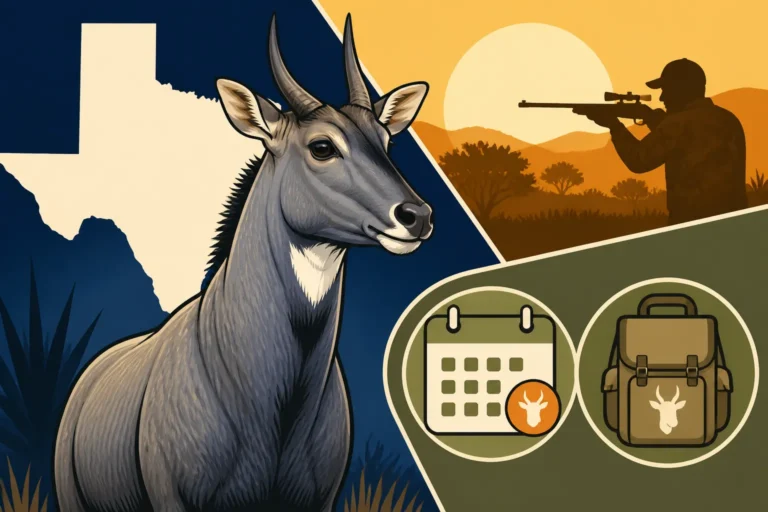
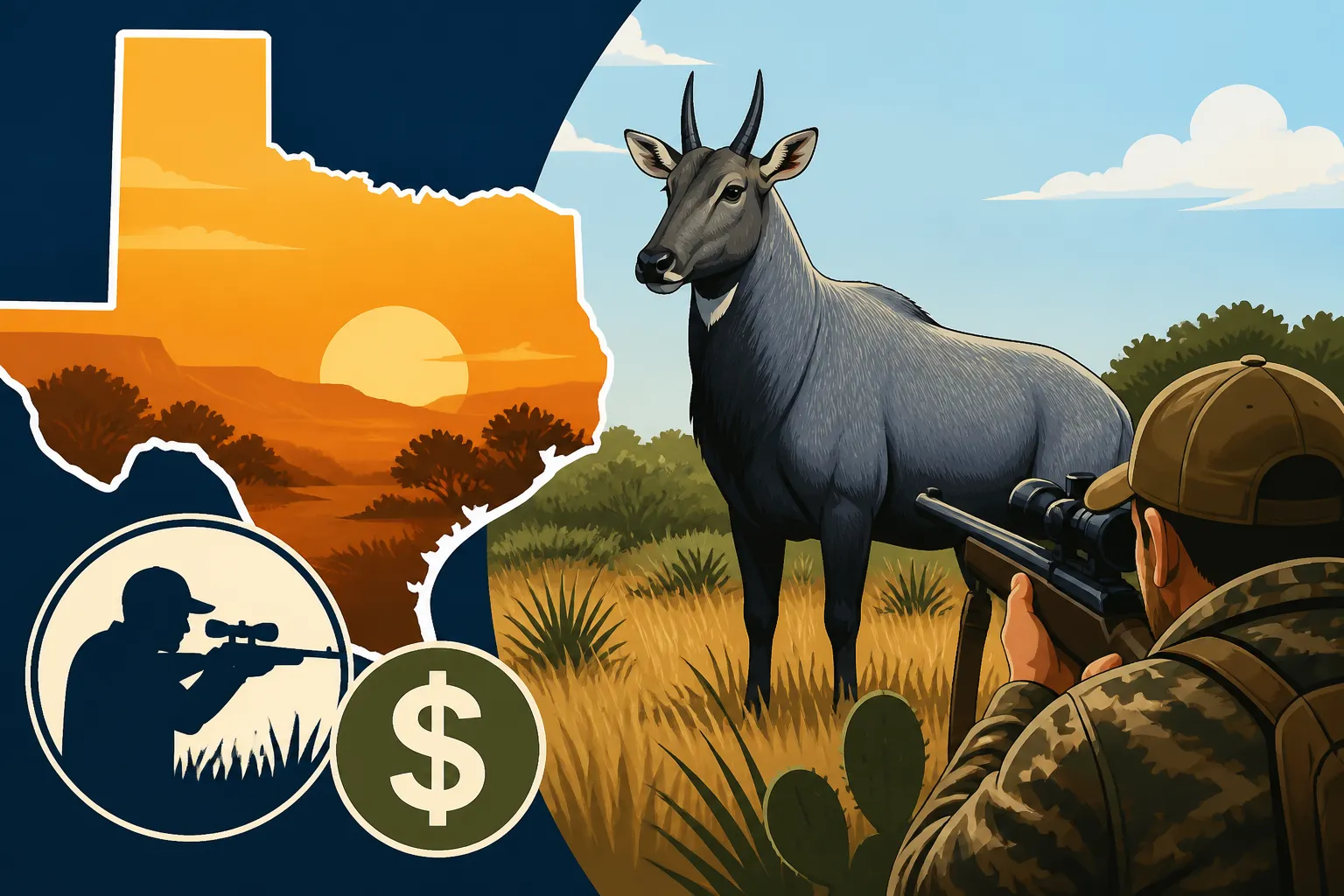
Nilgai antelope, often called "blue bulls" due to the mature males' bluish-gray coats, are truly a unique and formidable species to hunt in Texas. Native to India and Nepal, they were introduced to Texas in the 1930s and have since established a thriving free-ranging population, primarily in the South Texas brush country. Their impressive size, wary nature, and delicious venison make them a highly sought-after exotic species for hunters looking for a distinct challenge.
What Makes Nilgai Unique in Texas?
Nilgai are the largest antelope species in Asia and can weigh anywhere from 300 to over 600 pounds, with some mature bulls pushing close to 700 pounds. Imagine the sheer power and presence of an animal that size! Unlike many other exotics in Texas, a significant portion of the Nilgai population roams freely on massive ranches along the Gulf Coast, particularly in Kenedy County. This free-ranging aspect adds an incredible layer of challenge and authenticity to the hunt, as you're not dealing with high-fenced operations where animals might be less wild. They are incredibly tough, known for their ability to soak up a lot of lead if not hit precisely, making shot placement absolutely critical. Their senses are sharp, and they are notoriously skittish, often bolting at the first sign of danger, disappearing into the thick cover with surprising speed for such large animals.
Why Hunt Nilgai? Meat, Trophy, and Challenge
So, why do hunters brave the formidable South Texas brush and the substantial cost to pursue Nilgai? Well, it boils down to a few key factors that make them a prime target. First off, the meat is absolutely phenomenal. Many consider nilgai venison to be some of the finest wild game meat available, often described as lean, tender, and with a mild flavor that rivals prime beef. It's not gamey in the slightest, making it a favorite for those who appreciate high-quality protein from their hunts. Second, a mature Nilgai bull with its short, sharp horns and massive body is an impressive trophy. While their horns aren't as elaborate as a deer's antlers, their sheer size and unique appearance make them a proud addition to any trophy room. Lastly, and perhaps most importantly for many seasoned hunters, is the challenge. Nilgai are incredibly intelligent and wary. Hunting them in their native brush country environment requires serious skill in stalking, patience, and marksmanship. It's a true test of a hunter's abilities, far more demanding than many other exotic hunts, and the satisfaction of harvesting one after a hard-earned stalk is immense. If you're looking for an unforgettable hunting experience that truly pushes your limits, Nilgai fits the bill perfectly.
Where to Find Nilgai in Texas
When it comes to hunting Nilgai in Texas, there's one region that stands head and shoulders above the rest: South Texas. This is where these majestic creatures have truly made their home, thriving in the dense brush and coastal environments. Knowing where to look is the first crucial step in planning your hunt.
The King Ranch and South Texas Strongholds
The heart of Nilgai country is undoubtedly the vast expanse of South Texas, particularly the coastal plains south of Corpus Christi, encompassing counties like Kenedy, Kleberg, Willacy, and Cameron. These areas offer the ideal habitat for Nilgai: dense thorny brush, mesquite thickets, and open grasslands, all within close proximity to the Gulf Coast. The King Ranch, a historic and colossal cattle ranch spanning hundreds of thousands of acres in Kenedy County, is often cited as having the largest free-ranging Nilgai population in North America. This isn't just a fun fact; it means that if you're serious about hunting Nilgai, focusing your search on outfitters and ranches in this specific geographical sweet spot will give you the best odds of success. Many of these ranches are massive, privately owned tracts of land, often exceeding 10,000 acres, where the Nilgai roam freely, mimicking their natural habitat. This means a true "fair chase" hunt, which is a huge draw for many.
Public vs. Private Land Opportunities
For most hunters, the reality of Nilgai hunting boils down to private land opportunities. While Texas boasts some fantastic public hunting areas, finding a Nilgai on public land is incredibly rare, if not impossible, due to their limited distribution. The vast majority, if not all, of the huntable Nilgai population, resides on large private ranches in South Texas. This is a critical distinction that impacts both accessibility and cost.
On private land, you'll be working with an outfitter or guide service. These operations have dedicated access to prime Nilgai habitat and years of experience tracking and pursuing these animals. They handle scouting, permits (Nilgai typically don't have a season or bag limit on private land, but you still need a valid Texas hunting license), and often provide accommodations, meals, and field dressing services. This streamlines the hunting process, but it also means a higher financial investment. The advantage, of course, is a significantly higher chance of success and a more tailored hunting experience. While you might dream of a do-it-yourself public land hunt, for Nilgai, focusing on reputable private land outfitters in South Texas is the practical and effective path. You can explore options for other species through resources like the Annual Public Hunting Permit, but for Nilgai, private land is truly the way to go.
The Real Cost of a Nilgai Hunt
Let's talk brass tacks: Nilgai hunting isn't typically a budget-friendly endeavor. The cost is a major factor for many prospective hunters, and it's essential to understand what influences the price and what you can expect your hard-earned money to cover. The experience itself is usually worth every penny, but it's important to go in with open eyes.
Breaking Down Hunt Package Inclusions
Most Nilgai hunts are offered as all-inclusive or semi-inclusive packages by dedicated outfitters in South Texas. When you see a price tag, it usually includes much more than just the privilege of pulling a trigger. A typical Nilgai hunt package might include:
- Trophy Fee: This is the core cost for the Nilgai animal itself.
- Guide Services: A professional guide with extensive knowledge of the area and Nilgai behavior is indispensable for success.
- Accommodations: Often, this means comfortable lodging at the ranch, ranging from rustic cabins to more luxurious ranch houses.
- Meals: Delicious, hearty meals are usually provided, often featuring classic Texas ranch cuisine.
- Transportation: Getting around those massive South Texas ranches requires robust vehicles, and this is typically covered.
- Field Dressing: Once you harvest your Nilgai, the outfitters will usually handle the initial field dressing and caping. Many will also have facilities for processing or can direct you to local processors. Learning How to Field Dress a Deer in Hot Weather can give you an idea of the challenges, but with Nilgai, it's a much larger animal and often handled by the pros.
- Additional Game Opportunities: Some packages might offer the chance to add on other species, like feral hogs, often at a discounted rate.
However, remember to always clarify what's included. Things like airfare to Texas, travel to the ranch, taxidermy, meat processing, gratuities for guides and staff, and your hunting license are almost universally not included and will add to your total expenditure.
Factors Influencing Price
The cost of a Nilgai hunt can vary quite a bit, generally ranging from $3,500 to $6,000+. Several key factors contribute to this fluctuation:
- Outfitter Reputation and Success Rate: Highly reputable outfitters with a proven track record of successful Nilgai hunts and exceptional service will command higher prices. You're paying for their expertise, prime access, and the likelihood of a quality experience.
- Ranch Size and Location: Hunts on vast, free-ranging ranches, especially in core Nilgai areas like Kenedy County, tend to be more expensive due to the quality of the habitat and the genuine "fair chase" experience. The sheer acreage needed for Nilgai to roam freely is a premium.
- Hunt Duration: Most Nilgai hunts are 2-day or 3-day affairs. Longer hunts with more time in the field, more meals, and more guiding will naturally cost more.
- Trophy Quality: While most Nilgai hunts focus on mature bulls, some outfitters might offer different pricing for cow Nilgai or younger bulls, which are typically less expensive.
- Time of Year: While Nilgai don't have a traditional hunting season like whitetail, certain times of the year might be more popular or offer different hunting conditions, potentially affecting pricing. The cooler months are often preferred for comfort and meat care.
- Additional Services: Any add-ons, like extra nights of lodging, additional guided activities, or more extensive processing services, will increase the overall cost.
Here's a simplified breakdown to give you an idea:
| Feature | Budget-Friendly (~$3,500 – $4,500) | Mid-Range (~$4,500 – $5,500) | Premium (~$5,500+) |
|---|---|---|---|
| Hunt Duration | 2 days, 1 night | 2-3 days, 2-3 nights | 3+ days, 3+ nights |
| Accommodations | Basic, comfortable ranch house | Well-appointed ranch house | Luxurious lodge, private rooms |
| Meals | Good home-cooked meals | Excellent, varied meals | Gourmet dining, open bar |
| Guide Ratio | 1:2 or 1:3 | 1:1 or 1:2 | Exclusive 1:1 |
| Included Extras | Field dressing, basic caping | Field dressing, caping, some drinks | Full service, potentially some processing |
| Typical Location | South Texas, slightly outside core | Core South Texas brush country | Premier Kenedy County ranches |
| Success Rate (General Bull) | High | Very High | Extremely High |
Remember, these are estimates. Always get a detailed quote from your chosen outfitter and don't be afraid to ask questions about everything included and any potential hidden costs. A Nilgai hunt is a significant investment, and you want to ensure you're getting the experience you expect.
Nilgai Hunting Methods and Tactics
Hunting Nilgai is a distinct experience, especially if you're used to deer hunting in Texas. Their habitat, resilience, and sensory prowess demand a different approach. You can't just set up a feeder and expect them to come waltzing in like a whitetail, although strategically placed water sources or food plots can play a role in patterning them.
Spot-and-Stalk in the Brush Country
The quintessential Nilgai hunt in South Texas is a true spot-and-stalk adventure. This isn't a sit-in-a-blind-all-day type of hunt; it's active, demanding, and incredibly rewarding. You'll spend a significant amount of time in a high-rack vehicle, slowly cruising senderos (cut lanes) or elevated roads, scanning the dense brush and grasslands with good binoculars like the Best Binoculars for South Texas Brush for any sign of these elusive animals. This is where patience truly becomes a virtue.
Once a Nilgai is spotted, the real work begins. Your guide will assess the wind, terrain, and cover to plan an approach. This often involves leaving the vehicle and executing a lengthy, stealthy stalk on foot through the thick, thorny South Texas brush. You'll be navigating through mesquite, prickly pear, and various other sharp plants, so tough snake boots are not just recommended, they're practically mandatory. The goal is to get within comfortable shooting range, typically 100-250 yards, while remaining undetected by the Nilgai's keen eyesight and excellent sense of smell. They have a remarkable ability to vanish into the smallest patches of cover, so closing the distance quickly and quietly is crucial. This method is physically demanding and mentally challenging, making the eventual shot and harvest incredibly satisfying.
Choosing the Right Caliber and Gear
Given the Nilgai's impressive size and incredible toughness, choosing the right rifle and caliber is paramount. This isn't the time to bring your smaller deer rifle. They are known to absorb shots that would drop a whitetail in its tracks, and a wounded Nilgai can be incredibly difficult to track and recover in the dense brush.
For Nilgai, you want a rifle with significant knockdown power, capable of delivering at least 2,500 foot-pounds of energy at 100 yards. Common and highly recommended calibers include:
- .300 Winchester Magnum: A classic choice, offering flat trajectory and excellent energy.
- .338 Winchester Magnum: Even more power, ensuring deep penetration on a large animal.
- .375 H&H Magnum: Often considered the minimum for African dangerous game, it's certainly sufficient for Nilgai.
- 9.3×62 Mauser: A European favorite with a long track record of success on large game.
- .30-06 Springfield with heavy, premium bullets: While perhaps on the lower end, with proper bullet selection (like 180-200 grain Nosler Partitions, Barnes TTSX, or similar), it can be effective.
Bullet construction is just as important as caliber. Forget your standard cup-and-core deer bullets. You need premium, controlled-expansion bullets that retain their weight and penetrate deeply, breaking bone if necessary. Think bonded core bullets or monolithic solids. Accuracy is always key, but with Nilgai, shot placement becomes absolutely critical to ensure a humane and quick kill. Aim for the shoulder to break them down and anchor them, or for the traditional lung shot if you're confident in your rifle and bullet's ability to punch through that thick hide and muscle.
As for other gear, besides the aforementioned snake boots, consider durable hunting clothing in subdued colors that can withstand thorns. A good pair of binoculars is essential for spotting, and a quality rangefinder is invaluable for confirming distances in the often-flat but deceiving South Texas landscape. For hunters considering Bowhunting in Texas: Archery Season Guide for Nilgai, it's an even greater challenge requiring extremely heavy bows and specialized broadheads, and usually best left to experienced bowhunters with a very high level of proficiency.
Planning Your Nilgai Adventure
Embarking on a Nilgai hunt is an exciting prospect, but like any serious hunting trip, it requires careful planning to ensure a smooth and successful experience. From understanding the legalities to knowing what to expect in the field, here's what you need to consider.
Licensing and Regulations
One of the unique aspects of hunting Nilgai and other exotics in Texas is the regulatory framework. For the most part, exotic species like Nilgai on private land do not have closed seasons or bag limits. This means you can hunt them year-round, which offers flexibility in scheduling your trip outside of traditional deer seasons. However, you still need a valid Texas hunting license.
Here's what you'll typically need:
- Resident or Non-Resident Hunting License: Make sure you purchase the appropriate license for the current year. You can find detailed information on the Texas Hunting License: Cost, Types & How to Buy (2026) page.
- No Special Tags or Permits: Unlike native game animals, Nilgai do not require specific tags or permits to harvest once you have your general hunting license. This simplifies the process considerably.
While the regulations are relatively straightforward for private land, it's always a good practice to double-check the latest Texas Hunting Seasons: Complete Calendar by Species in the official Texas Parks and Wildlife Department (TPWD) Outdoor Annual or consult directly with your chosen outfitter. They will be up-to-date on any minor changes or specific rules pertaining to their operation or local area. This "no season" aspect is fantastic because it allows hunters to target Nilgai during cooler months, which is much more comfortable for both the hunter and for handling the meat after the harvest.
What to Expect on a Nilgai Hunt
A Nilgai hunt is more than just a hunt; it's an immersive experience in the rugged beauty of South Texas. Expect early mornings and late nights. You'll likely be up before dawn, grabbing a quick breakfast, and then heading out to the brush in a hunting vehicle equipped with a high rack for elevated spotting.
- The Chase: As mentioned, a lot of time will be spent glassing and cruising senderos. This can sometimes feel slow, but it's where the critical work of finding a quality animal happens. Once spotted, the stalk can be intense, challenging your physical endurance and mental fortitude as you navigate the thorny terrain. This is where having a good relationship with your guide is paramount, as they'll be reading the animal and the landscape.
- The Shot: When the opportunity arises, it's often a quick decision, so be ready. The Nilgai are tough, and shot placement is everything. Your guide will help you confirm the target and advise on the best shot angle.
- Recovery and Field Care: After a successful shot, the recovery of a large Nilgai can be a significant undertaking. Outfitters usually have specialized equipment to retrieve these heavy animals. Immediate and proper field care is crucial, especially if hunting in warmer weather. While your guide will handle most of the heavy lifting, knowing How to Cool a Deer Fast in Texas Heat principles will help you understand the importance of quick action for preserving your high-quality venison.
- The Camp Experience: Beyond the hunt itself, expect genuine Texas hospitality. Evenings are often spent sharing stories around the dinner table, enjoying good food, and relaxing after a demanding day in the field. It’s a chance to truly connect with the guides and fellow hunters, making memories that last a lifetime.
A Nilgai hunt in Texas offers a unique blend of adventure, challenge, and the reward of exceptional wild game. It requires preparation, respect for the animal, and an understanding of the environment. With the right planning and a reliable outfitter, you'll be well on your way to earning your own "blue bull" trophy and a freezer full of some of the best wild game meat Texas has to offer.
Disclaimer
Please note that hunting regulations, license costs, and hunt pricing can change. Always verify the most current information with the Texas Parks and Wildlife Department (TPWD) and your chosen hunting outfitter before planning your trip. This guide provides general information and recommendations based on common practices and current understanding.