Fallow Deer Hunting in Texas: Cost & Where
It can feel like a real treasure hunt trying to pinpoint specific information about hunting less common species in Texas, especially when it comes to exotics like Fallow Deer. You hear whispers of these beautiful animals roaming ranches, but nailing down where to go and what it'll actually cost can be incredibly frustrating. This guide is here to cut through the confusion, offering a clear, comprehensive look at where you can find Fallow Deer in Texas and what kind of investment you’ll need to make for a successful hunt.
Understanding Fallow Deer in Texas
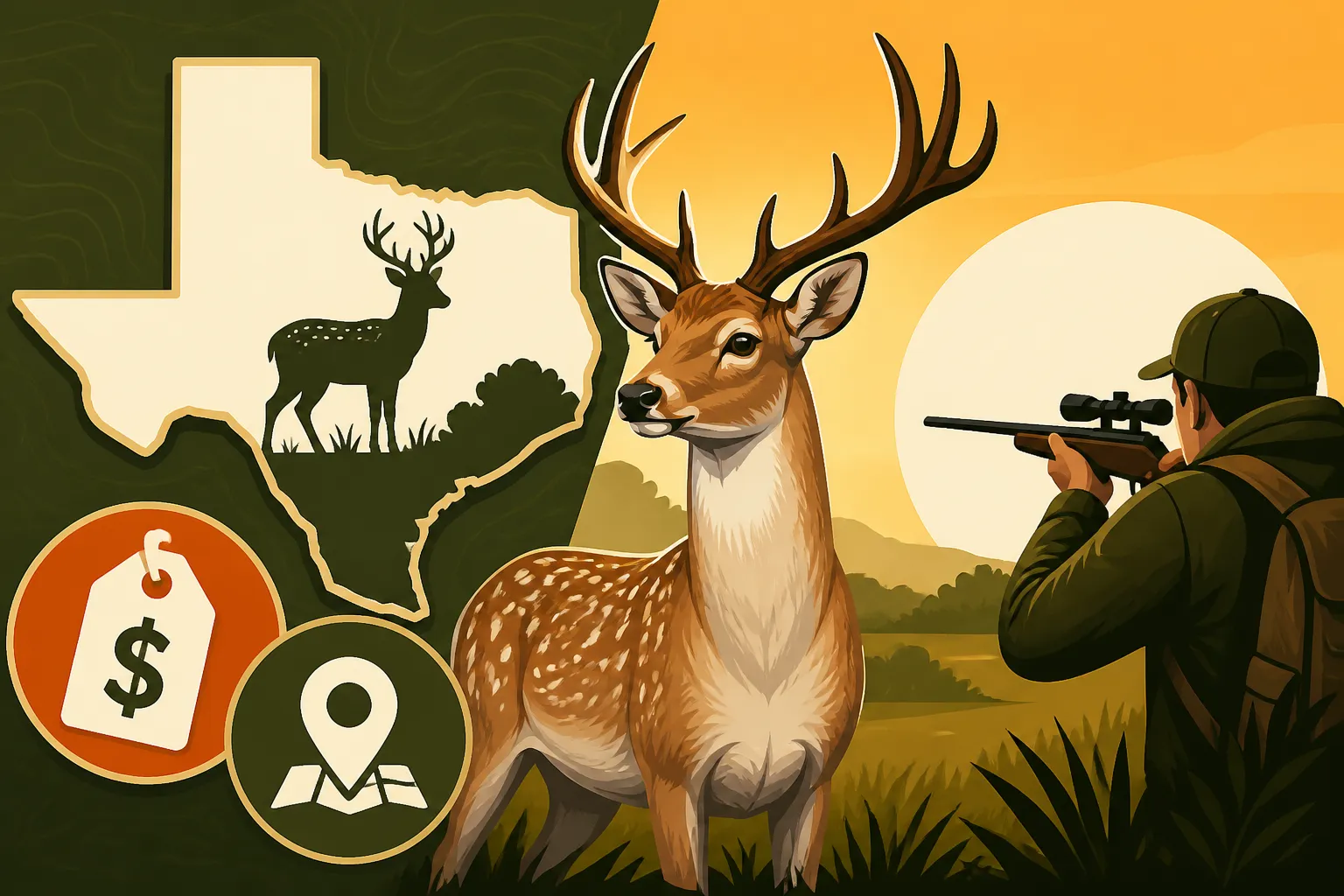
Fallow deer, with their distinctive palmate antlers and varied coat patterns, are a truly captivating species. Unlike our native whitetail or mule deer, they're not indigenous to Texas, but they've found a thriving home on many private ranches across the state. They’re a significant draw for hunters seeking a unique challenge and a beautiful trophy.
Fallow Deer Characteristics and Appeal
One of the most striking things about Fallow Deer is their incredible diversity in coat color. You'll find them in a range of hues, from the common spotted menil phase (tan with white spots) to dark brown melanistic (chocolate brown to almost black) and even pure white leucistic individuals. Their antlers, particularly those of mature bucks, are broad and flattened, almost like paddles, giving them a majestic appearance that stands out from other deer species. This visual appeal, combined with their challenging nature, makes them highly sought after by hunters looking to add something truly special to their collection. They tend to be a bit more alert and flighty than some other exotics, which adds to the hunting excitement.
Fallow Deer as Exotics in Texas
In Texas, Fallow Deer are classified as exotic livestock. This designation has a few key implications for hunters. First, there's no set "season" for Fallow Deer. You can hunt them year-round, which offers incredible flexibility in planning your trip, allowing you to avoid the intense pressure of general deer season or schedule around cooler weather. Second, because they are considered livestock, you don't need a specific Fallow Deer tag. You do still need a valid Texas hunting license to hunt exotics, but the strict tag requirements and bag limits that apply to native game animals like white-tailed deer don't apply to Fallow. This often makes the hunting experience feel a bit more relaxed, focusing purely on the chase and the animal. It’s a completely different ballgame than, say, trying to figure out the complex rules for Texas Deer Season 2026-2027: Dates by Zone.
Where to Hunt Fallow Deer in Texas
Given their status as exotics, Fallow Deer hunting in Texas is almost exclusively confined to private lands, primarily high-fence ranches. These operations have invested heavily in establishing and managing healthy, huntable populations of Fallow Deer, ensuring a quality experience for their clients.
Private Ranches and High-Fence Operations
Texas is absolutely dotted with private ranches that specialize in exotic game hunting, and Fallow Deer are a staple for many of them. These ranches range from sprawling, thousands-of-acres properties to more compact, intensively managed operations. The vast majority of these hunts will occur behind a high fence. Now, before anyone starts with the "canned hunt" accusations, understand that many of these high-fenced properties are so massive and rugged that hunting them is every bit as challenging as hunting free-range animals. The game is still wild, still wary, and still requires skill and patience to pursue.
The prime areas for finding these operations are often in the Texas Hill Country, particularly the Edwards Plateau region. Counties like Kerr, Real, Mason, and Gillespie are well-known for their concentration of exotic game ranches. This region's diverse terrain, from rolling hills and cedar thickets to live oak mottes, provides excellent habitat for Fallow Deer, allowing them to thrive and reproduce. You'll also find reputable operations in South Texas and other parts of the state, but the Hill Country is certainly a hotspot if you're looking for a wide array of options. If you're specifically looking at the Hill Country, you might find more general information in our guide on Hill Country Hunting in Texas.
Finding Reputable Outfitters
The key to a successful Fallow Deer hunt on a private ranch is selecting the right outfitter. It can feel overwhelming with so many options out there, but taking your time to research will pay off. Look for outfitters with a strong track record, positive client testimonials (check their social media, hunting forums, and dedicated review sites), and clear communication about what's included in their packages.
When you're sifting through choices, ask direct questions:
- What is the average size of the Fallow Deer taken on their ranch?
- What is their success rate?
- What hunting methods do they primarily use (e.g., spot-and-stalk, blind hunting over feeders)?
- Are guides included? What's the guide-to-hunter ratio?
- What about lodging, meals, and field dressing services?
- What happens if you don't harvest an animal?
A good outfitter will be transparent and happy to answer all your questions, providing references if requested. Brands like YO Ranch Headquarters, famous for its long history with exotics, or the Ox Ranch in the Texas Hill Country, offer high-end experiences, but there are many smaller, equally dedicated operations that provide fantastic value. It's truly worth the effort to connect with an outfitter who aligns with your expectations for the hunt.
Limited Public Land Opportunities
Let's be realistic: finding Fallow Deer on public land in Texas is essentially a non-starter. Because they are not native game animals and are managed as private livestock, they are not typically found on Wildlife Management Areas (WMAs) or other public hunting grounds designated for native species. If your heart is set on a public land hunt, you'll be looking at different species, perhaps pursuing White-Tailed Deer Hunting in Texas: Complete Guide or even Feral Hog Hunting in Texas: Year-Round Guide, which has far more public land opportunities. For Fallow Deer, your best, and really only, bet is a private ranch or outfitter.
Fallow Deer Hunting Costs in Texas
The cost of a Fallow Deer hunt in Texas can vary significantly, depending on several factors, including the size of the animal, the services included, the duration of the hunt, and the reputation of the outfitter. It's a significant investment, but one that many hunters find incredibly rewarding.
Breaking Down the Price Tag
When you see a price for a Fallow Deer hunt, it's usually composed of a few key elements:
- Trophy Fee: This is often the largest component and is directly tied to the specific animal you harvest. For Fallow Deer, this fee will almost always increase with the size and quality of the buck's antlers. Some ranches might have a flat fee, while others use a "score sheet" or a visual assessment by the guide to determine the final price.
- Daily Rate: Many hunts include a daily rate that covers your lodging, meals, and guide services, regardless of whether you harvest an animal that day. This rate typically ranges from $250 to $500+ per hunter per day.
- Guide Services: While often bundled into the daily rate, some outfitters might offer different guide tiers (e.g., 1-on-1 vs. 2-on-1 hunter-to-guide ratio) or charge separately.
- Additional Services: These can include caping and quartering the animal for transport, use of a walk-in cooler, transportation around the ranch, and even basic processing services. Taxidermy and further meat processing are almost always extra and usually handled by a third party recommended by the outfitter.
- Tips: Don't forget to budget for tips for your guide and any camp staff. A good rule of thumb is 10-20% of the hunt's total cost for the guide, depending on your satisfaction.
Price Ranges for Trophy vs. Management Hunts
To give you a clearer picture, here's a general breakdown of what you might expect to pay:
| Fallow Deer Category | Typical Price Range (Trophy Fee Only) | Description |
|---|---|---|
| Management Doe/Spiker | $750 – $1,500 | Often part of a management plan to control herd numbers. Great for meat hunters or those on a tighter budget looking for the experience without the large trophy cost. |
| Smaller/Younger Buck | $1,500 – $2,500 | Bucks that might not have fully developed antlers or are still young. Still offers a fun hunt and good meat. |
| Mid-Range Trophy Buck | $2,500 – $4,000 | A solid, mature buck with respectable antlers. This is where most hunters land for a quality trophy that won't break the bank. |
| High-End Trophy Buck | $4,000 – $7,000+ | Large, mature bucks with impressive, symmetrical, and wide palmate antlers. These are the show-stoppers. Prices can go even higher for truly exceptional, record-book class animals. |
Remember, these figures are for the trophy fee only. You'll need to add daily rates, potential lodging, and other services on top of this. A typical 2-3 day hunt targeting a mid-range trophy buck, including daily rates, could easily run from $3,500 to $6,000 or more. While it's a chunk of change, many find the unique experience and beautiful trophy well worth the investment.
What to Expect from Your Investment
When you book a Fallow Deer hunt on a reputable Texas ranch, you're usually paying for a well-managed experience that minimizes variables and maximizes your chances of success. This often includes:
- Expert Guides: Experienced guides who know the terrain, the animals' habits, and how to position you for a shot. They'll also assist with tracking and field dressing.
- Access to Quality Animals: Ranches invest in genetics, nutrition (including Protein Feeding Deer for Bigger Antlers and quality supplemental feed), and habitat management to ensure robust Fallow Deer populations with impressive antler growth.
- Comfortable Accommodations: Many outfitters provide comfortable lodging, from rustic cabins to full-service lodges, and often include delicious home-cooked meals.
- Reliable Equipment: Often, outfitters will have blinds, stands, and transportation (like UTVs) that are well-maintained and positioned in high-traffic areas. This can include anything from a comfortable Box Blind vs Tripod vs Ground Blind in Texas setup to strategically placed ground blinds.
- Post-Harvest Services: Initial field dressing, caping for taxidermy, and quartering for meat transport are usually part of the package.
Ultimately, your investment buys you a meticulously planned adventure aimed at providing a memorable and successful hunt for a magnificent animal.
Planning Your Texas Fallow Deer Hunt
Once you've decided to pursue a Fallow Deer, there are still a few crucial steps to consider to ensure your hunt goes smoothly and successfully.
Best Time of Year
While Fallow Deer can be hunted year-round in Texas, some periods are generally more favorable than others:
- Rut (Late September to November): This is often considered the most exciting time to hunt Fallow Deer. Bucks are more active, vocal (their distinctive "groaning" calls are unmistakable), and less cautious as they pursue does. This increased activity can make them more visible and offer thrilling hunting opportunities.
- Cooler Months (October to March): Beyond the rut, the cooler temperatures are simply more comfortable for hunting in Texas. Hauling game, especially something substantial like a Fallow buck, is much more pleasant when it's not scorching hot. This also helps with meat preservation, a critical factor when dealing with a species that provides such excellent venison. If you're considering hunting in warmer weather, a guide on How to Cool a Deer Fast in Texas Heat would be highly relevant for post-harvest care.
- Spring/Summer (April to August): While possible, these months bring intense Texas heat, which can make hunting less enjoyable and impact meat quality if not handled swiftly and correctly. The antlers are also typically hardened off by this time, but the overall experience might be physically more demanding.
Ultimately, scheduling your hunt depends on your personal preferences and the outfitter's availability. Many hunters book well in advance for the prime rut period.
Essential Gear and Preparation
Preparing for a Fallow Deer hunt isn't drastically different from preparing for other big game, but a few specific considerations can enhance your experience:
- Rifle/Archery Setup: Fallow Deer are medium-sized animals, typically weighing between 150-250 pounds for bucks. A flat-shooting rifle in a caliber like .270, .30-06, 6.5 Creedmoor, or .308 Winchester is more than adequate. For bowhunters, a standard compound bow set at 60-70 pounds with good broadheads will do the job. Shot placement for these animals is similar to that for whitetail deer, so be sure you're confident in your accuracy. If you’re leaning towards archery, our guide on Bowhunting in Texas: Archery Season Guide could be a good primer.
- Optics: Good binoculars and a rangefinder are indispensable for spotting Fallow Deer in open areas or thick brush and accurately judging distance, especially on larger ranches. Investing in quality optics, as discussed in Best Hunting Optics for Texas: Scopes, Binos & Rangefinders, will make a huge difference.
- Clothing: Dress in layers appropriate for the season. Even in cooler Texas months, temperatures can fluctuate wildly between morning and midday. Durable, quiet camouflage is always a good idea. Consider snake boots or gaiters, especially if hunting in brushy areas during warmer months, as Texas is home to several venomous snake species.
- Physical Fitness: While many ranch hunts involve driving and hunting from blinds, being in reasonable physical shape will make a spot-and-stalk hunt more enjoyable and easier to recover your animal.
- Cooler Space: Plan to bring ample cooler space with ice to transport your meat home. Even if the outfitter handles initial processing, you’ll need to keep your venison cool, especially during longer drives. A good quality cooler is mentioned in our guide on Best Coolers for Texas Hunting (Yeti & Alternatives).
Booking Your Hunt
Once you've done your research and chosen an outfitter, booking your hunt typically involves:
- Contacting the Outfitter: Reach out via phone or email to discuss availability, pricing, and specific hunt details.
- Deposit: Be prepared to put down a non-refundable deposit to secure your dates. This is standard practice in the hunting industry.
- Contract/Agreement: Review any hunt contracts carefully. These outline what's included, payment schedules, cancellation policies, and liability waivers.
- License Confirmation: Ensure you have a valid Texas hunting license before your hunt. While you don't need a specific Fallow Deer tag, the general license is still required for hunting on private land, even for exotics. Details on obtaining this can be found in Texas Hunting License: Cost, Types & How to Buy (2026).
- Pre-Hunt Communication: Maintain open communication with your outfitter leading up to your hunt. Confirm arrival times, discuss any specific preferences you have, and get answers to any last-minute questions.
By meticulously planning and choosing a reputable outfitter, you'll set yourself up for an incredible Fallow Deer hunting adventure in the great state of Texas!
Disclaimer
Please remember that hunting regulations and practices can change. Always consult the most current Texas Parks and Wildlife Department (TPWD) Outdoor Annual or website for the latest rules and regulations before planning any hunt. This guide is for informational purposes only and does not replace official sources.