Texas Sandhill Crane Season & Free Permit
Hunting sandhill cranes in Texas can feel like trying to crack a secret code. You hear whispers of the "Ribeye of the Sky" and fantastic hunting opportunities, but then the regulations, zones, and especially that mysterious "free permit" start to feel overwhelming. This comprehensive guide is designed to demystify the entire process, walking you through everything you need to know about the Texas sandhill crane season, understanding the zones, securing your essential free permit, and maximizing your success in the field.
Understanding Texas Sandhill Cranes and Their Allure
Before we dive into the nitty-gritty of regulations and permits, let's take a moment to appreciate the magnificent bird that brings us all here: the sandhill crane. These aren't your typical duck or dove hunt. Sandhill cranes are truly a unique experience, offering a blend of challenging hunting and an incredibly rewarding table fare that has earned them their famous nickname.
The "Ribeye of the Sky" Reputation
You've probably heard it before, and let me tell you, the rumors are true: sandhill crane meat is exceptional. It's often described as tasting more like a tender cut of beef than poultry, with a rich, dark flavor that holds up wonderfully to grilling, smoking, or pan-searing. This isn't your grandma's dry turkey; it's a culinary treat that makes the effort of scouting, setting up, and enduring chilly mornings absolutely worthwhile. Many hunters consider it the finest wild game bird meat available, even surpassing some upland game. The size of these birds also means a good amount of meat from a single successful hunt, making them an excellent quarry for filling the freezer with gourmet wild fare.
Sandhill Crane Species Found in Texas
While there are several subspecies of sandhill cranes, Texas primarily sees two main populations during hunting season: the Lesser Sandhill Crane and the Greater Sandhill Crane. The majority of the migratory population that passes through and winters in Texas are the Lesser Sandhills. These birds breed in the Arctic and subarctic regions and undertake long migrations to their wintering grounds, which include vast stretches of Texas's agricultural landscapes.
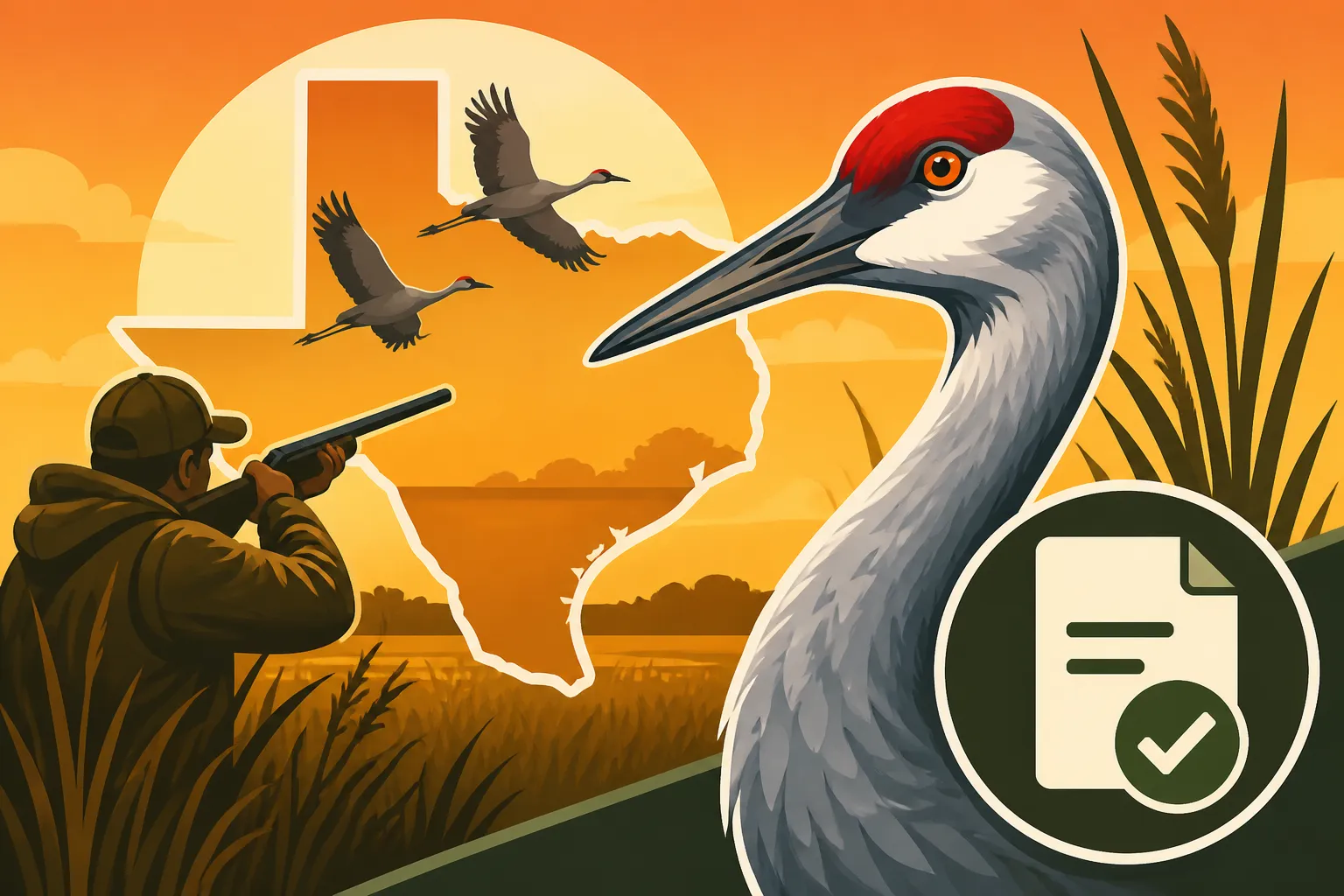
Greater Sandhill Cranes, while less common in huntable numbers compared to their smaller cousins, also pass through, especially in the eastern parts of the state. Knowing the difference isn't crucial for hunting regulations, as all sandhill cranes fall under the same rules, but it's interesting to note the diversity. Their striking appearance, with long legs, a long neck, and a distinctive red patch on their forehead, makes them unmistakable in the field. Their bugling call is an iconic sound of the Texas winter skies, often heard long before you see the V-formations high above.
Texas Sandhill Crane Hunting Zones and Season Dates
Texas is a massive state, and migratory bird seasons are often divided into zones to account for varying migration patterns and population distributions. Sandhill cranes are no exception. Understanding these zones and their specific dates is absolutely critical for staying legal and having a successful hunt.
Demystifying the Crane Hunting Zones
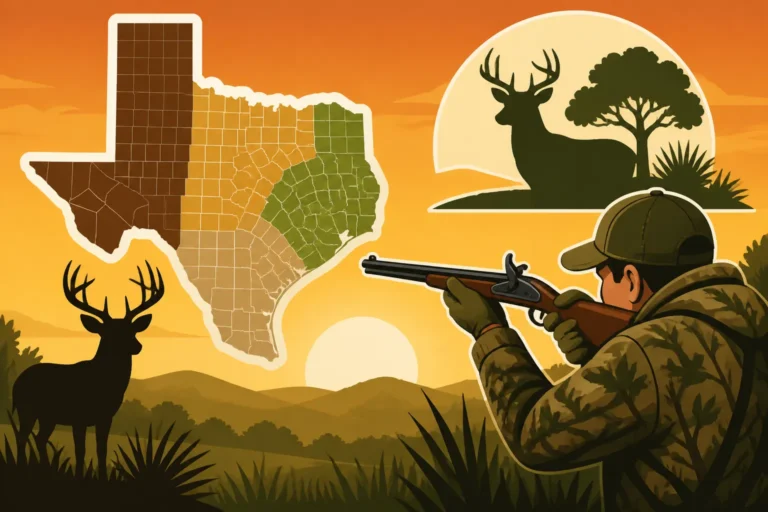
The Lone Star State is divided into three distinct zones for sandhill crane hunting: Zone A, Zone B, and Zone C. These zones are defined by specific county lines, so it's paramount that you consult the current Texas Parks and Wildlife Department (TPWD) Outdoor Annual to pinpoint exactly which zone your hunting location falls within.
- Zone A: This zone generally covers the western and central portions of the Texas Panhandle and extends south into West Texas. It's often the first zone to open, catering to the early arrival of birds.
- Zone B: This zone typically encompasses a broad swath of Central Texas, extending from the Panhandle's eastern edge down through the Rolling Plains and into some agricultural areas.
- Zone C: This zone is usually the easternmost and southernmost, covering the Post Oak Savannah, parts of the Edwards Plateau, and often includes many of the traditional wintering grounds where birds concentrate later in the season.
The reason for these zones is simple: migratory bird management. Different areas see different densities of birds at different times. By staggering seasons, TPWD, in conjunction with federal guidelines, aims to manage harvest levels sustainably across the state. Always double-check the current maps and county listings in the official regulations, as these can occasionally shift slightly from year to year.
Current Season Dates and Bag Limits
While I can provide a general idea, specific dates are proposed and finalized annually. For the most accurate and up-to-date information, always refer to the most recent TPWD Outdoor Annual. However, typically, sandhill crane seasons run as follows, with Zone A usually starting in late October or early November, followed by Zone B, and then Zone C kicking off in mid-November or early December. Seasons can run well into January or even early February, offering ample opportunity for hunters.
Here's a generalized look at how the seasons might fall, based on typical patterns (remember to verify specific dates for 2025-2026 or later in the official TPWD Outdoor Annual):
| Zone | Typical Season Start | Typical Season End | Daily Bag Limit | Possession Limit |
|---|---|---|---|---|
| Zone A | Late October / Early Nov | Mid-February | 3 cranes | 9 cranes |
| Zone B | Mid-November | Mid-February | 3 cranes | 9 cranes |
| Zone C | Early December | Mid-February | 2 cranes | 6 cranes |
Note: The daily bag limit refers to the maximum number of birds you can legally harvest in a single day. The possession limit refers to the maximum number of birds you can have in your possession at any time, including those at home in cold storage. These limits are crucial for conservation and ethical hunting practices. Please confirm exact dates and limits in the most current official Texas hunting regulations.
It's absolutely vital to be aware of which zone you are hunting in and to adhere strictly to its specific dates and limits. Hunting outside of season or exceeding bag limits carries serious penalties. Many hunters plan their trips around these staggered openings, chasing the birds as they move through the state.
The Essential Free Sandhill Crane Permit
This is where many aspiring crane hunters stumble. Unlike ducks or geese, sandhill cranes have a separate, often misunderstood, permit requirement. Skipping this step can turn a successful hunt into a legal nightmare, so pay close attention!
Why a Separate Permit Is Required
Sandhill cranes are federally managed migratory birds, but they are not considered waterfowl. Therefore, while you need a Texas hunting license and a migratory game bird endorsement to hunt them, the federal duck stamp does not cover sandhill cranes. To bridge this gap and allow for federal monitoring and management of crane populations, the U.S. Fish and Wildlife Service (USFWS) requires states to issue a specific permit for sandhill crane hunting.
This permit, which is administered by TPWD here in Texas, is essentially a free registration that helps wildlife agencies track hunter participation and harvest data. The data collected from these permits is critical for setting future season lengths, bag limits, and ensuring the long-term health of the sandhill crane population across their migration routes. Think of it as your federal ID card specifically for crane hunting; without it, you're not properly identified in the federal system, even if you have all your state licenses.
How to Obtain Your Free Permit
Getting your free sandhill crane permit is thankfully a straightforward process, but it's one you absolutely cannot forget. The keyword here is free, so there's no monetary excuse to skip it!
- Online via TPWD's Website: This is by far the easiest and most common method. When you purchase your Texas Hunting License: Cost, Types & How to Buy (2026) or renew your Super Combo online through the TPWD website, you'll usually be prompted to add migratory bird endorsements and then given the option to register for the free sandhill crane permit. If you already have your license, you can log back into your account and add it.
- In-Person at a License Retailer: You can also request the permit when purchasing your license at any TPWD license retailer, such as Academy Sports + Outdoors, Walmart, or a local sporting goods store. Just be sure to specifically ask for the "free sandhill crane permit" in addition to your regular hunting license and migratory bird endorsement.
- Through the My Texas Hunt Harvest App: While primarily used for harvest reporting, the My Texas Hunt Harvest app can also facilitate some license and permit processes. It's always a good idea to check if the option to add the permit is available there.
Once you register, the permit information will be electronically linked to your hunting license. While you might not receive a physical card specifically for the crane permit, your hunting license printout or digital license (accessible via the Outdoor Annual app) will indicate that you possess the necessary endorsements and permits. Always ensure it's reflected on your official documentation. Remember, you must have this permit before you go hunting. Don't wait until opening morning to try and get it; plan ahead!
Key Regulations and Requirements for Crane Hunters
Beyond the zones and the free permit, there are several other critical regulations and requirements that every Texas crane hunter needs to understand and follow. Ignorance of the law is never an excuse, especially when dealing with federally protected migratory birds.
Licensing and Endorsements
To legally hunt sandhill cranes in Texas, you'll need a few things in your pocket, figuratively and literally:
- Texas Hunting License: This is your baseline requirement for any hunting in Texas. Whether it's a general resident license or a non-resident one, you need a valid hunting license. The Texas Super Combo License: What It Is is a popular choice for many, covering a wide range of hunting and fishing activities.
- Texas Migratory Game Bird Endorsement: This endorsement is required for hunting any migratory game birds in Texas, which includes sandhill cranes, ducks, geese, doves, and rails. It's an additional purchase on top of your base hunting license.
- HIP Certification: HIP stands for Harvest Information Program. It's a federal requirement for anyone hunting migratory game birds. When you get your migratory game bird endorsement, you'll be asked a few simple questions about your previous year's hunting activity for certain species. This information is confidential and helps wildlife agencies gather crucial data on harvest rates and hunter participation. You simply cannot hunt migratory birds without being HIP certified.
- Federal Duck Stamp (Optional for Cranes): This is where it can get confusing. You DO NOT need a federal duck stamp specifically for hunting sandhill cranes. The federal duck stamp is only required for hunting ducks, geese, and swans. However, if you plan on hunting ducks or geese on the same trip as your cranes, then yes, you will need one. If you're solely targeting cranes, it's not necessary.
Always carry your valid hunting license, migratory game bird endorsement, and confirmation of your free sandhill crane permit (usually displayed on your license) with you in the field. Digital copies on your phone via the Outdoor Annual app are typically acceptable, but a physical copy is always a good backup.
Legal Methods of Take and Shooting Hours
Like all game animals, there are specific rules governing how you can harvest sandhill cranes:
- Shotguns: The most common and legal method is a shotgun, no larger than 10-gauge. It must be plugged to limit its capacity to no more than three shells (one in the chamber, two in the magazine). This is a federal rule for all migratory game birds.
- Ammunition: Only non-toxic shot (e.g., steel, bismuth, tungsten-alloy) is permitted for hunting all migratory game birds, including sandhill cranes. Lead shot is strictly prohibited. This regulation is in place to protect wetlands and prevent lead poisoning in birds and other wildlife that might ingest spent shot.
- Shooting Hours: Sandhill cranes can only be hunted from one-half hour before sunrise until sunset. Hunting outside these hours is illegal and strictly enforced. Always confirm legal shooting times for your specific location using a reliable source like a hunting app or an official sunrise/sunset table.
- No Live Decoys or Electronic Calls for Cranes: While electronic calls are legal for feral hogs, they are not legal for migratory game birds, including sandhill cranes. Similarly, live decoys are prohibited.
- Baiting: It is illegal to hunt sandhill cranes over baited areas. Understanding what constitutes a "baited area" can be complex, but generally, it means hunting over any area where grain or other feed has been placed to attract birds. This typically excludes normal agricultural practices where grain is scattered as a result of legitimate farming operations, but deliberate baiting is a no-go. When in doubt, err on the side of caution.
Understanding and adhering to these rules is not just about avoiding a ticket; it's about responsible and ethical hunting that respects both the game and the regulations designed for its conservation.
Tagging and Processing Requirements
Unlike deer or turkey, sandhill cranes do not typically require a physical tag to be attached to the bird immediately after harvest in Texas. However, there are still important post-harvest considerations:
- Proof of Sex/Species: You must leave one feathered wing attached to the bird until it reaches your permanent residence or a processing facility. This allows game wardens to identify the species and, if necessary, determine the sex, ensuring compliance with bag limits and species-specific regulations (though sex isn't a factor for crane limits). Once at your permanent residence or processor, the wing can be removed.
- Harvest Reporting: While not always mandatory for every individual crane harvested, your participation in the HIP survey helps TPWD gather crucial information. For some specific drawn hunts or special regulations, direct harvest reporting might be required via the My Texas Hunt Harvest app or website. Always check the specific rules for your permit type or hunting area.
Proper Field Dressing & Processing Game in Texas Heat is especially important for cranes. Given their large size and the often mild winter temperatures in Texas, getting the birds cooled down quickly will preserve the quality of that prized "ribeye." Many hunters breast out cranes, leaving the wings attached to the breast plate for transport.
Effective Sandhill Crane Hunting Tactics
Now that we've covered the legalities, let's talk about the fun part: hunting them! Sandhill crane hunting is a unique experience that combines elements of waterfowl hunting with a touch of upland game strategy. They are smart birds, and successfully luring them into range takes patience, good scouting, and the right setup.
Scouting for Feeding and Roosting Areas
Just like with any successful hunting endeavor, scouting is paramount for sandhill cranes. These birds are creatures of habit, and they follow predictable patterns between their roosting sites and feeding grounds.
- Feeding Fields: Sandhill cranes are primarily grazers and gleaners, favoring agricultural fields where grain, especially corn, milo, or rice, has been harvested or is still standing. They'll also feed on alfalfa and other green shoots. Drive rural roads, especially in counties known for crane hunting, looking for large flocks of birds in fields. Pay attention to the types of crops and any standing water nearby, as cranes also need water.
- Roosting Sites: Cranes typically roost in shallow water bodies – large ponds, lakes, or even flooded fields – where they feel safe from predators. While you generally don't hunt them at the roost, knowing where they spend the night helps you predict their flight paths in the morning and evening. They often fly out to feed shortly after sunrise and return to roost just before sunset.
- Observe Flight Paths: Once you've identified feeding and roosting areas, spend time observing their flight patterns. Cranes often use the same flight corridors day after day. This information is invaluable for choosing your setup location, as you want to be directly under or along these primary flight lines. Look for power lines, treelines, or other geographical features they might use as navigation points.
Decoy Spreads and Calling
Crane hunting relies heavily on decoys and calling, similar to duck and goose hunting, but with its own nuances.
- Decoys: Sandhill crane decoys are large, realistic, and can be quite an investment, but they are essential. A typical spread might consist of a dozen or more full-body decoys, though some hunters get by with a smaller spread combined with silhouettes. Placement is key:
- The "J" or "U" Shape: Set your decoys in a loose "J" or "U" shape, leaving a landing zone in the middle, about 20-30 yards from your blind. This gives the birds a natural space to approach.
- Facing the Wind: Cranes, like most birds, land and take off into the wind. Position your decoys so they are generally facing into the prevailing wind direction, and ensure your landing zone is also oriented this way. This makes for more predictable approaches.
- Spaced Out: Don't crowd your decoys. Cranes are big birds and prefer space. A good rule of thumb is 5-10 feet between decoys.
- For more specific advice on decoy placement, you might find tips in guides like Sandhill Crane Decoy Setup in Texas or even general waterfowl articles like Duck Hunting in Texas: Decoys & Blinds.
- Calling: A good sandhill crane call is almost as important as your decoys. There are specific calls designed to mimic their bugling, rattling, and clucking sounds. Learning to use one effectively can make a huge difference.
- Bugle Call: This is the most recognizable crane call, used to grab attention from distant birds.
- Rattle/Cluck: As birds get closer, softer, more realistic clucks and rattles can seal the deal, signaling contentment.
- Timing: Call sparingly at first to get their attention, then use softer calls as they commit. Don't overcall, which can make them wary. Watch their reactions carefully.
Blind Setup and Concealment
Sandhill cranes have excellent eyesight, possibly even better than geese. Concealment is absolutely paramount.
- Natural Blinds: Using existing cover like brush lines, fencerows, or tall stubble fields is often the most effective. Digging pits (with landowner permission, of course) can offer the best concealment.
- Portable Blinds: Commercial ground blinds or layout blinds work well if they are well-camouflaged and brushed in. Think beyond just camouflage patterns; use local vegetation to break up the outline of your blind. A blind that looks like a natural part of the field will be much more effective than one that sticks out. For advice on different blind types, consider reading about Box Blind vs Tripod vs Ground Blind in Texas.
- Face and Hand Cover: Even if your blind is perfect, a flash of human skin or movement will spook cranes. Wear face masks or paint, and gloves. Minimize movement within the blind.
- Wind Direction: Try to set up with the wind at your back or quartering. This forces the cranes to approach into the wind, presenting closer, more predictable shots as they commit to your decoy spread.
- Patience and Stealth: Once birds are working the decoys, remain absolutely still and silent until the shooting light is called. Cranes are notorious for circling multiple times, scrutinizing the spread, before fully committing. Rushing the shot will often result in a miss or a wounded bird flying away.
Harvest Reporting and Conservation Efforts
Hunting isn't just about the thrill of the chase and the bounty for the table; it's also about responsibility and conservation. Your actions as a hunter contribute directly to the management and future of game populations, including sandhill cranes.
The Importance of HIP Certification
We touched on the Harvest Information Program (HIP) earlier when discussing licensing, but it's worth reiterating its significance. When you get your Texas Migratory Bird Endorsement, you'll complete a brief HIP survey. This isn't just bureaucratic red tape; it's a vital tool for wildlife managers.
The data collected through HIP helps the U.S. Fish and Wildlife Service, along with state agencies like TPWD, estimate the number of migratory bird hunters and their success rates. This information is critical for:
- Population Assessments: Understanding how many birds are harvested each year helps scientists determine population trends.
- Setting Seasons and Bag Limits: Without accurate harvest data, it would be difficult to set sustainable hunting seasons and daily bag limits that ensure healthy populations for future generations.
- Identifying Conservation Needs: If harvest numbers are too high or populations are declining, this data can trigger closer examination and potentially lead to new conservation strategies or adjusted regulations.
Your honest participation in the HIP survey is a small but powerful contribution to the conservation of sandhill cranes and all migratory game birds. For more on how the state tracks hunting activity, check out Texas Hunting Tags & Harvest Reporting (My Texas Hunt Harvest).
TPWD's Role in Crane Management
The Texas Parks and Wildlife Department plays a crucial role in managing sandhill crane populations within the state. They work closely with federal agencies to:
- Monitor Populations: TPWD conducts aerial surveys and other monitoring programs to track sandhill crane numbers and distribution across Texas.
- Enforce Regulations: Game wardens are on patrol to ensure hunters comply with all state and federal regulations, from license requirements and bag limits to non-toxic shot rules and shooting hours. This enforcement is vital for preventing poaching and ensuring fair chase.
- Habitat Protection: While cranes are migratory, their wintering habitats in Texas are incredibly important. TPWD works to conserve these agricultural lands and wetlands, ensuring there are adequate resources for the birds during their stay.
- Public Education: TPWD provides extensive resources, like the Outdoor Annual, to educate hunters about regulations, safe hunting practices, and the importance of conservation.
By following the rules and participating in programs like HIP, you're directly supporting these efforts and helping to ensure that sandhill crane hunting remains a vibrant tradition in Texas for years to come. The future of this incredible "ribeye of the sky" relies on every hunter doing their part responsibly.
Disclaimer
Please remember that hunting regulations, seasons, and licensing requirements can change. Always consult the official Texas Parks and Wildlife Department Outdoor Annual for the most current and accurate information before planning any hunting trip. This guide is for informational purposes only and should not be considered a substitute for official legal advice or regulations.