Where to Hunt Javelina in Texas
Trying to track down javelina in Texas can feel like a wild goose chase if you don't know where these elusive "mini-pigs" prefer to hang out. Many hunters get frustrated, spending countless hours in the wrong habitat, only to find no sign of these unique creatures. This guide is here to cut through the guesswork, showing you exactly where in the vast Lone Star State you're most likely to encounter these collared peccaries, ensuring your next javelina hunt is both productive and exciting.
Understanding the Javelina's Texas Home: Habitat and Range
Before you even think about packing your gear, it's crucial to understand what makes a place appealing to a javelina. These aren't like whitetail that can adapt to a wide range of environments. Javelina have very specific preferences, and knowing them is your first step to finding where to hunt them in Texas.
Preferred Terrain and Vegetation
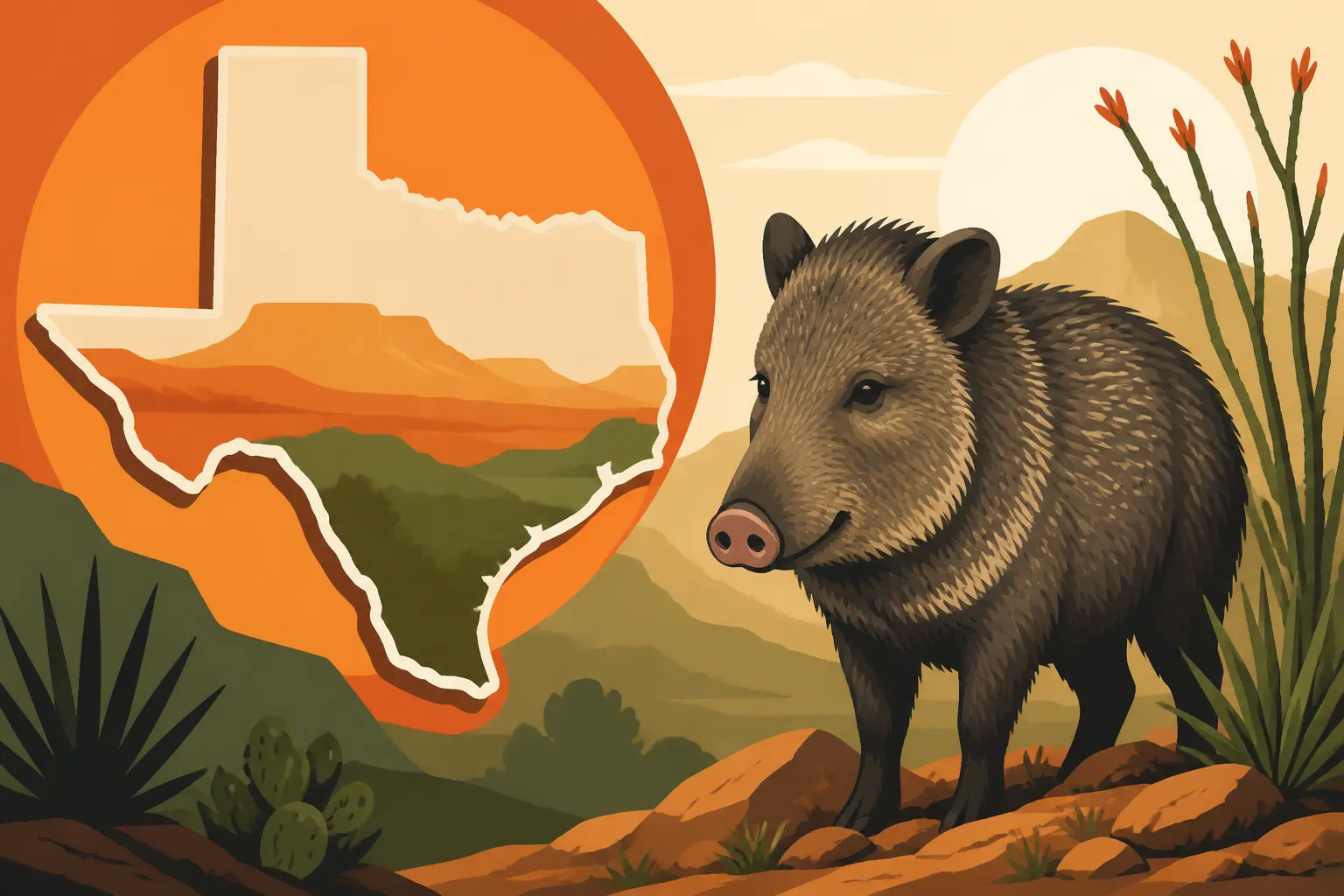
Javelina, or collared peccaries as they're technically known, are creatures of the arid and semi-arid brush country. They thrive in environments rich with dense, thorny brush that provides both cover from predators and relief from the intense Texas sun. Think thickets of mesquite, prickly pear cactus, catclaw acacia, and a variety of other low-lying, scrubby vegetation. This dense cover is not just for hiding; it's also where they find a significant portion of their diet. Prickly pear cactus, in particular, is a major food source, providing both sustenance and moisture. You'll often find them rooting around the bases of these cacti, or even munching on the pads themselves, spines and all. They also eat roots, tubers, fruits, and insects.
The terrain itself isn't usually mountainous, but rather rolling hills or flatlands that offer plenty of drainage and patches of dense cover interspersed with more open areas for foraging. Areas with rocky outcrops or dry creek beds can also be prime real estate, as these features offer natural pathways and additional bedding areas. When you're scouting, look for disturbed earth, tracks, and droppings, especially around water sources and heavy prickly pear patches. These signs will tell you if javelina are actively using the area.
Water Sources and Their Importance
While javelina are incredibly adapted to dry conditions, getting enough water is still essential for their survival, especially during the long, hot Texas summers. They can derive a significant amount of moisture from their diet, particularly from succulents like prickly pear. However, they will readily visit permanent water sources when available. This means that areas with tanks, ponds, springs, or even man-made guzzlers become critical hubs of activity, particularly during drought conditions or prolonged dry spells.
During a hunt, focusing your efforts around these water sources, especially during the hotter parts of the day or early morning/late evening, can significantly increase your chances of an encounter. Javelina typically travel in small herds, sometimes referred to as "squadrons," ranging from a few individuals to more than 20. If one member of the group finds a water source, the rest are sure to follow. Remember, understanding their daily routine revolves around food, water, and cover. If you can locate all three in close proximity, you're likely on the right track. Many hunters use mapping applications like GoHunt to pinpoint potential water sources and dense cover areas before they even step foot in the field, making their scouting much more efficient.
Prime Public Hunting Grounds for Javelina
Finding public land for javelina hunting in Texas can be a rewarding challenge. While not as widespread as private land opportunities, the state does offer some excellent areas, particularly in its western and southern regions. These public lands are often managed for a variety of game, and javelina are frequently part of the equation.
Texas Parks and Wildlife Department Wildlife Management Areas
The Texas Parks and Wildlife Department (TPWD) manages several Wildlife Management Areas (WMAs) across the state that offer drawn hunts or general hunting opportunities for javelina. These areas are specifically managed to enhance wildlife populations and provide recreational opportunities for hunters. The trick here is often participating in the public hunt draw system, which can be competitive but well worth the effort for access to prime hunting.
Some of the most consistent WMAs for javelina include those in the Trans-Pecos and South Texas regions. For instance, the Chaparral WMA in South Texas is renowned for its dense brush and strong javelina populations. This WMA provides an excellent example of classic South Texas habitat, perfect for these peccaries. Another excellent option, particularly for those looking further west, is the Black Gap WMA, located in the rugged and remote Trans-Pecos region. While often associated with mule deer, it also supports a healthy population of javelina. These hunts often require an Annual Public Hunting Permit and specific drawn hunt permits, so it's essential to check the TPWD Outdoor Annual for dates and application procedures. The draw system can be found under the Texas Drawn Hunts & Public Hunt Draw 2026. Keep in mind that securing a spot on a drawn hunt often requires planning months in advance.
Other Public Land Opportunities
Beyond the dedicated WMAs, other forms of public land might offer javelina hunting, though they tend to be less common or have more restrictive access. National Grasslands, certain state parks with special hunting seasons, or even some National Forests might occasionally have javelina. For example, some parts of the Sam Houston National Forest might provide opportunities, though javelina populations here would be much sparser than in their preferred desert and brush habitats further south and west.
It's critical to remember that regulations on these diverse public lands can vary significantly. Always double-check the specific rules for the exact location you plan to hunt. Information on how to hunt public land in Texas without a draw, including details on the APH permit, is readily available and a must-read for anyone considering this route. Utilize resources like the TPWD website and reputable hunting apps, where you can often overlay public land boundaries, helping you pinpoint exactly where you can hunt. GoHunt, for example, is a valuable tool many hunters use to navigate property lines and identify public hunting sections.
Navigating Private Land and Leases for Javelina Success
The vast majority of Texas is private land, and for many species, including javelina, private property offers the most abundant hunting opportunities. While public land exists, the sheer volume of habitat on private ranches makes them a prime target for javelina hunters.
Finding Javelina Hunting Leases
Securing a hunting lease is a common way to gain access to private land in Texas. While many leases focus on deer or exotics, javelina are often an added bonus, especially in the appropriate regions. Javelina are generally considered a "bonus animal" on many South Texas deer leases, allowing hunters to fill their javelina tags alongside their whitetail. You might find day leases specifically for javelina, or they could be included in a package for other game. The cost and availability of these leases can vary widely depending on the region, the ranch amenities, and the length of the lease.
When searching for a lease, focus on areas known for javelina populations, such as the brush country of South Texas or the Trans-Pecos. Websites dedicated to hunting leases, local ranch classifieds, and even word-of-mouth are great ways to find available spots. Be sure to clarify with the landowner or outfitter what the javelina population is like, if there's a specific javelina season & bag limit in that county, and what methods are allowed. Some outfits, particularly in South Texas, specifically cater to exotic hunting in Texas: Axis, Aoudad, Blackbuck & More, and may offer javelina as an add-on. Don't be shy about asking if javelina are present and included in the hunting package.
Day Hunts and Outfitted Trips
For hunters who don't want the commitment or expense of a full season lease, day hunts or fully outfitted trips are an excellent option for javelina. Many outfitters in prime javelina country specialize in these short, guided excursions. This is particularly appealing if you're traveling a long distance or have limited time. An outfitter will typically have access to private land with established javelina populations and will handle all the logistics, from guiding you to prime spots to assisting with field dressing.
These types of hunts are very popular in areas like the Edwards Plateau Hunting: Highest Deer Density, though the Hill Country javelina populations can be a bit spottier than further south or west. Outfitters who focus on the South Texas Trophy Whitetail: Brush Country Bucks will often include javelina in their packages because the habitats overlap so perfectly. When booking an outfitted trip, ensure you understand what's included in the price, such as meals, lodging, guide services, and game retrieval. It's also a good idea to check references and read reviews to ensure you're choosing a reputable operation. Tools like GoHunt can sometimes help you find reputable outfitters or compare day hunt options in specific regions.
Regional Hotspots: Where Javelina Thrive Across Texas
Texas is a massive state, and while javelina are found in various parts, some regions consistently stand out as prime hunting destinations due to their ideal habitat and robust populations.
South Texas Brush Country
Without a doubt, the South Texas brush country is the undisputed king for javelina hunting. This region, encompassing counties like Webb, La Salle, Dimmit, Maverick, and McMullen, is a vast expanse of dense, thorny brush, making it perfect for javelina. The unique ecosystem here provides everything a javelina needs: endless cover, an abundance of prickly pear cactus, and scattered water sources.
The populations here are generally healthy, and hunters often have a higher success rate. If you're looking for the quintessential Texas javelina experience, this is where you want to be. Hunters pursuing deer in this region will frequently encounter javelina while still hunting through the brush or sitting over a feeder. Many outfitters in this region cater to hunters seeking "How to Hunt Javelina in Texas (Step by Step)" experiences, offering guided hunts on extensive private ranches. The sheer amount of undeveloped ranch land provides ample habitat for javelina to roam and thrive, making it an excellent choice for either a dedicated javelina hunt or as an exciting addition to a deer or hog hunting trip.
Trans-Pecos Region
Moving west, the rugged and vast Trans-Pecos region of West Texas also holds significant javelina populations. This area, known for its dramatic mountains, sparse desert vegetation, and wide-open spaces, might seem contradictory to the dense brush ideal for javelina. However, within the canyons, draws, and along the lower slopes of the mountains, you'll find the necessary scrub and desert plants that javelina depend on.
Counties like Brewster, Presidio, Jeff Davis, and Pecos are known for their javelina. Hunting here often involves more glassing and spot-and-stalk tactics due to the more open terrain interspersed with dense pockets of cover. Public land options like the Black Gap WMA are found in this region, offering incredible opportunities for those willing to venture into its remote corners. The javelina in the Trans-Pecos might be a bit more spread out than in South Texas, requiring more legwork and keen observation, but the reward of hunting in such a unique and wild landscape is unmatched. If you're considering Javelina Hunting Tactics for Texas, this region presents different challenges and experiences compared to the brush country.
Edwards Plateau
The Edwards Plateau, often referred to as the Texas Hill Country, also supports javelina populations, though they tend to be less dense and more localized than in South Texas or the Trans-Pecos. Here, javelina are typically found in the western and southern edges of the plateau, where the terrain transitions from oak-juniper woodlands to more arid brush country. Counties like Val Verde, Edwards, and Real can hold good numbers, particularly in areas with extensive canyons, cedar breaks, and rocky, brushy draws.
While the Edwards Plateau is perhaps more famous for its white-tailed deer and exotic species, javelina are a welcome sight for many hunters. Access here is almost exclusively on private land, through leases or day hunts. If you're hunting in the Hill Country for other game, keep an eye out for javelina, especially in areas with dense cover and water sources. Remember, understanding their habitat preferences is key, and while the Hill Country isn't their primary stronghold, localized populations can provide excellent hunting.
Here's a quick look at the prime regions:
| Region | Primary Habitat Characteristics | Javelina Population Density | Public Land Access | Hunting Style Notes |
|---|---|---|---|---|
| South Texas Brush | Dense mesquite, prickly pear, acacia thickets, rolling terrain | High | Limited WMAs | Still hunting, sitting over feeders, dense cover |
| Trans-Pecos Desert | Arid desert scrub, canyons, rocky draws, sparse mountains | Medium-High | Black Gap WMA | Spot-and-stalk, glassing, rugged terrain |
| Edwards Plateau | Cedar breaks, oak-juniper, rocky canyons (western/southern edge) | Medium-Low | Very Limited WMAs | Private leases, incidental encounters, specific scouting |
Ultimately, finding where to hunt javelina in Texas comes down to understanding their habitat needs and leveraging resources to find suitable land. Whether you opt for a public drawn hunt, a private lease, or an outfitted trip, focusing your efforts on the brush country of South Texas, the rugged Trans-Pecos, or the western fringes of the Edwards Plateau will significantly improve your chances of a successful and memorable javelina hunt.
Disclaimer
Hunting involves inherent risks, and it is the responsibility of each individual to ensure they are familiar with and adhere to all applicable hunting regulations, safety protocols, and ethical considerations. Always consult the most current Texas Parks and Wildlife Department Outdoor Annual for up-to-date seasons, bag limits, and licensing requirements. This guide provides general information and should not be considered a substitute for official regulations or professional advice.