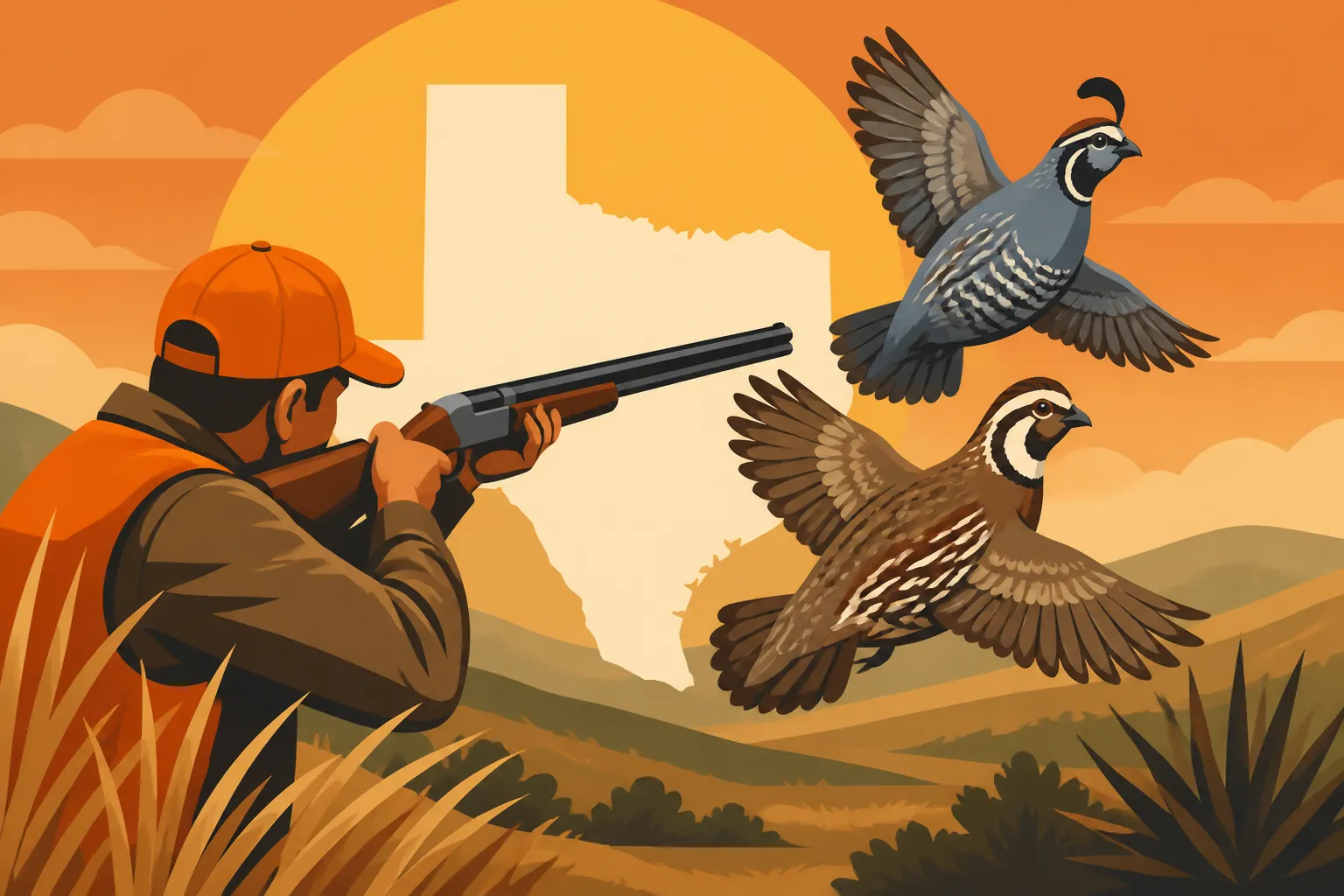
Quail Hunting in Texas: Bobwhite & Blue
There’s nothing quite like the thrill of a covey of quail exploding into the air right at your feet, making your heart leap into your throat and your shotgun instinctively shoulder. For many, that sound is the very essence of Texas hunting. But let's be honest, chasing these elusive little birds across the vast Texas landscape can be incredibly rewarding, yet also incredibly frustrating if you don't know where to start or what to expect. This guide is dedicated to helping you unravel the mysteries of quail hunting in Texas, covering everything you need to know about pursuing both the iconic Bobwhite and the hardy Blue (Scaled) Quail.
The Enduring Allure of Texas Quail Hunting
For generations, the sound of a Bobwhite whistle cutting through the crisp morning air or the frantic wing beats of a flushing covey of Blue quail has signaled the start of a cherished hunting tradition. It's more than just a hunt; it's an experience deeply woven into the fabric of Texas outdoor life. But why does quail hunting hold such a special place in the hearts of so many, even as its challenges grow?
Why Quail Hunting Remains a Texas Tradition
There's a raw, authentic appeal to quail hunting that harkens back to simpler times. It's a highly interactive sport, often demanding sharp instincts, quick reflexes, and an intimate understanding of the land. Unlike deer hunting, which might involve hours of quiet patience in a blind, quail hunting is dynamic, active, and physically demanding. You're walking, scanning, listening, and constantly engaging with your surroundings. The camaraderie with hunting partners, the tireless work of a well-trained bird dog, and the sheer unpredictability of finding a covey all contribute to its unique charm. It’s a pursuit that celebrates the chase as much as the harvest, connecting us to the land and the wild in a profound way.
Understanding the Challenges Modern Hunters Face
While the spirit of the hunt endures, the landscape for quail hunting has changed dramatically over the last few decades. Many long-time hunters will tell you tales of abundant coveys that are simply not the norm today. Habitat loss and fragmentation due to agricultural practices, urban sprawl, and changes in land management have significantly impacted quail populations. Drought cycles, which are increasingly common in Texas, also play a huge role, directly affecting food and cover availability. As a result, finding consistent quail hunting opportunities can be a real challenge, often requiring extensive scouting, access to well-managed private land, or participation in specialized guided hunts. It can be disheartening to put in the effort and come up empty-handed, but understanding these broader environmental factors helps set realistic expectations and emphasizes the importance of conservation.
Diving Deep into Texas Quail Species
Texas is home to several species of quail, but when most folks talk about quail hunting, they're referring to two main players: the Bobwhite and the Blue (or Scaled) Quail. Each has its own distinct personality, preferred habitat, and hunting challenges. Knowing the difference is key to a successful outing.
The Iconic Bobwhite Quail: Kings of the Brush
The Northern Bobwhite is, without a doubt, the most famous quail species in Texas, largely due to its widespread distribution and that unmistakable "bob-W HITE!" whistle that announces its presence. These birds are often associated with the classic picture of quail hunting – dogs on point, a sudden flush, and fast-flying targets. Bobwhites prefer open grasslands with scattered brush, dense thickets, and agricultural edges, particularly areas with native grasses and forbs that provide both cover and food. They form coveys that can range from a handful to twenty or more birds, sticking together for protection.
Bobwhites are generally found across the eastern two-thirds of Texas, from the Pineywoods to the Post Oak Savannah and down into the South Texas brush country. Their populations have seen significant declines in many areas over the past few decades, making finding robust coveys a greater challenge than in years past. However, on well-managed ranches and public lands focused on habitat restoration, you can still find pockets where these charismatic birds thrive. Their diet consists primarily of seeds, insects, and tender green vegetation, and they are incredibly reliant on suitable cover for roosting, nesting, and escape from predators.
The Resilient Blue (Scaled) Quail: Desert Dwellers
Often called "cotton tops" for their distinctive white-tipped crests, Blue Quail are the tough, resilient cousins of the Bobwhite, perfectly adapted to the arid and semi-arid regions of West and South Texas. Unlike the explosive, tightly bunched flush of a Bobwhite covey, Blue Quail are renowned (or perhaps infamous) for their tendency to run rather than fly when approached. This can lead to frustrating chases across open terrain, making them a unique challenge for both hunters and their dogs. When they do decide to take flight, it's often a more dispersed, individual flush than a tight covey rise.
Blue Quail thrive in vast, open landscapes characterized by sparse grass, mesquite, desert shrubs, and rocky outcrops. They are less dependent on dense cover than Bobwhites and are more tolerant of harsher, drier conditions. You'll find them primarily in the Panhandle, Rolling Plains, Trans-Pecos, and parts of the South Texas Plains. Their diet is similar to Bobwhites, consisting of seeds, insects, and plants, but they are particularly good at finding moisture from succulents and insects when surface water is scarce. Hunting Blue Quail often means covering a lot of ground, sometimes driving roads to spot coveys before attempting to walk them up.
Other Less Common Quail Species in Texas
While Bobwhite and Blue Quail are the stars of the show, Texas is also home to a couple of other, much rarer, quail species. The Gambel's Quail, with its distinctive comma-shaped topknot, is primarily found in the extreme western Trans-Pecos region, usually close to water sources in rugged desert terrain. Its range in Texas is extremely limited, making it a highly specialized target for dedicated collectors. Then there's the Montezuma Quail, also known as the Mearns' Quail or Harlequin Quail, a strikingly beautiful bird found in very specific, high-elevation pine-oak woodlands of the Trans-Pecos mountains, particularly in areas like the Davis Mountains.
Hunting Montezuma Quail is a completely different experience. These birds prefer to sit tight, often requiring a dog to literally bump into them before they flush, making for an extremely exciting, if less frequent, rise. Their populations are small and scattered, and opportunities to hunt them are incredibly scarce, often limited to specific private ranches or carefully managed public hunts through the Texas Parks and Wildlife Department's drawn hunt system. Most quail hunters in Texas will focus exclusively on Bobwhites and Blue Quail, given the rarity and difficulty in accessing legal hunting for the other species.
Understanding Quail Habits and Habitats
To be a successful quail hunter, you need to think like a quail. Understanding their daily routines, preferred hangouts, and what makes them tick is far more effective than just blindly walking around. These little birds have very specific needs that dictate where they’ll be, and learning to read the landscape for those signs is a skill that comes with time and observation.
Preferred Cover and Food Sources
Quail are masters of camouflage and survival, and their lives revolve around finding adequate cover and consistent food. Bobwhites, especially, need a patchwork quilt of different cover types. They need tall, dense grasses for nesting and roosting at night, providing overhead protection from aerial predators and warmth. During the day, they'll move to areas with thicker, low-growing brush like mesquite, prickly pear, or shinnery oak, which offer lateral cover from ground predators and a place to loaf and dust bath. Edges where these cover types meet cultivated fields or food plots are often prime locations, as they offer both security and easy access to food. Their diet primarily consists of seeds from native grasses, weeds like ragweed, croton, and sunflower, as well as waste grain from agricultural fields. Insects are also a crucial food source, especially for growing chicks.
Blue Quail, on the other hand, are more at home in the sparser, rockier landscapes of West Texas. Their cover might include cholla cactus, yucca plants, lechuguilla, and low-growing desert shrubs. They often utilize rocky draws, arroyos, and hillsides for protection. While they still seek cover, it's generally not as dense as a Bobwhite's ideal habitat. Their food sources are similar – various seeds, insects, and green shoots – but they are experts at foraging in more open, arid conditions. Knowing what plants and terrain features offer both food and escape is crucial for targeting either species. For example, a landowner in the Rolling Plains might plant a mix of native forbs and grain sorghum to create ideal Bobwhite habitat, while a rancher in the Trans-Pecos might focus on managing brush diversity for Blue Quail.
Daily and Seasonal Movement Patterns
Quail, like most wild creatures, have a predictable daily rhythm driven by their needs for food, water, and shelter. In the early morning, shortly after sunrise, coveys will typically move out from their roosting cover to feed. This is often an excellent time to find them, as they’re actively foraging and leaving scent trails that dogs can pick up. As the morning progresses and temperatures rise, especially in Texas’s notorious heat, they’ll move to denser cover to loaf and escape the midday sun. This "loafing" period is when they are most likely to be holding tight, making it a good time for dog work.
In the late afternoon, they'll emerge again for another feeding period before heading to their roosting sites just before sunset. These roosting sites are often in dense, tall grasses or heavy brush that provide maximum security. Seasonally, their movements are also influenced by weather and food availability. After a good rain, especially in dry regions, coveys might be more dispersed as food and insects become more abundant. During harsh winters, they’ll hunker down and be more concentrated in areas with reliable food and thick thermal cover. Understanding these patterns helps you predict where and when to find birds, maximizing your hunting efforts.
The Importance of Water and Roosting Sites
Water is an absolutely critical, though sometimes overlooked, factor for quail survival, especially in the arid regions of Texas. While quail can obtain some moisture from their diet of insects and green vegetation, they still need access to free water sources, particularly during dry spells or periods of high heat. You'll often find quail coveys utilizing areas near small stock tanks, natural springs, or even man-made water guzzlers. In dry country, these water sources can act as magnets, concentrating birds in predictable areas. Even in more humid regions, a readily available water source contributes to healthier birds and better chick survival.
Roosting sites are equally vital. Quail don't use nests for sleeping; instead, coveys gather in a tight circle, tails inward, facing outwards, in dense, low-growing vegetation. This formation allows them to conserve body heat during cold nights and provides a 360-degree lookout for predators. Identifying ideal roosting cover, which is often tall, undisturbed native grass or a thicket of low brush, can help you narrow down your search area. If you find good roosting cover with nearby feeding and loafing areas, you've likely stumbled upon a quail's preferred home range. Hunters often find that the best success comes from identifying these "micro-habitats" where all of a quail's essential needs are met within a small, accessible area.
Locating the Best Quail Hunting Hotbeds in Texas
Texas is a massive state, and quail populations aren't evenly distributed. Knowing where to focus your efforts for Bobwhites versus Blue Quail can save you a lot of time and boot leather. While consistent quail hunting can be challenging, there are still regions that offer better prospects than others.
Top Regions for Bobwhite Quail
For Bobwhite Quail, the South Texas brush country often comes to mind first. Counties like Webb, La Salle, Dimmit, and Duval have historically been, and in some well-managed areas still are, strongholds for these birds. The dense, thorny brush provides incredible cover, and with proper land management (which often includes prescribed burns and brush control), these areas can be incredibly productive. However, accessing these prime private lands often means significant lease fees or guided hunt expenses. The Rolling Plains region, covering much of north-central and west-central Texas, is another historically significant Bobwhite area. Counties like Knox, Haskell, and Foard, with their mix of native grass pastures, croplands, and shinnery oak mottes, can still produce good numbers of birds, especially after a couple of years of good rainfall. The Coastal Prairies also hold Bobwhites, though often in more scattered pockets.
Many hunters dream of a South Texas hunt, where the habitat allows for excellent dog work and typically larger coveys. The challenges here include the thick, unforgiving nature of the terrain, which can be tough on both hunters and dogs, and the often high cost of access. In the Rolling Plains, the more open nature of the country can make finding birds a bit easier, but they can run a long way once pressured. No matter the region, scouting for habitat that has been undisturbed and shows signs of recent rainfall is key.
Prime Territories for Blue Quail
If you're chasing Blue Quail, you need to head further west. The Panhandle and Trans-Pecos regions are your best bets. In the Panhandle, particularly along the breaks and rougher country, Blue Quail can be found in good numbers. Counties like Childress, Cottle, and Hall, with their wide-open spaces, scattered mesquite, and rocky arroyos, provide ideal habitat. The challenge here is the sheer vastness of the landscape and the quail's tendency to run, often making a pursuit a test of endurance. In the Trans-Pecos, areas around the Davis Mountains and the rugged Chihuahuan Desert landscape also host Blue Quail. The habitat here is even more sparse and rocky, requiring a different approach to hunting.
Often, Blue Quail hunting involves a lot of driving backroads, spotting coveys from a vehicle (which is legal as long as you're not shooting from the vehicle or public road), then getting out and trying to walk them up. This "road hunting" technique can be effective, but it requires patience and a good eye. Remember, these birds love to run, so once you spot a covey, move quickly to get ahead of them or cut off their escape route. The excitement of a Blue Quail hunt often lies in the expansive views and the satisfaction of outwitting a notoriously difficult game bird.
Public vs. Private Land Opportunities
Access to quality quail hunting in Texas is predominantly on private land. This is largely due to the fact that over 95% of Texas is privately owned. Many of the best quail numbers are found on ranches where habitat management is a priority, often requiring an expensive annual lease or booking a guided day hunt. These private land opportunities often offer more consistent bird numbers and better infrastructure. Hunting leases in Texas can be quite competitive, particularly for properties with good quail populations.
However, don't despair if private land isn't an option. The Annual Public Hunting Permit (APH), offered by the Texas Parks and Wildlife Department (TPWD), provides access to a network of public hunting lands across the state, including numerous Wildlife Management Areas (WMAs). While public land quail hunting can be more challenging due to increased pressure and less intensive habitat management, it offers an affordable alternative. WMAs like the Gene Howe WMA in the Panhandle or the Chaparral WMA in South Texas can provide opportunities for both Bobwhite and Blue Quail, respectively. You'll need to do your homework, scout these areas thoroughly, and be prepared to put in extra legwork, but the rewards of finding birds on public land are incredibly satisfying. Remember, checking specific WMA regulations and drawn hunt opportunities is always a good idea, as some areas may require special permits or have limited access. You can find more details on accessing these lands in our guide on Public Hunting in Texas: WMAs & Annual Public Hunting Permit.
Essential Gear for a Successful Texas Quail Hunt
Getting ready for a quail hunt in Texas means more than just grabbing your shotgun. The right gear can make all the difference in comfort, safety, and success, especially when you're covering miles of varied terrain under the Texas sun. From the firearm in your hands to the boots on your feet, every piece plays a crucial role.
Shotguns and Ammunition Choices
For quail, a fast-handling, lightweight shotgun is usually preferred. The most common gauges are 12, 20, and 28. A 20-gauge is a fantastic all-around choice, offering a good balance of shot payload and lighter recoil compared to a 12-gauge, making it easier to carry all day. A 28-gauge is also a superb choice, particularly for experienced shooters or those looking for a lighter gun, and it's notoriously effective on quail. The key is a shotgun that mounts quickly and naturally, as quail flushes are often sudden and fleeting. Over-and-under or side-by-side break-action shotguns are popular for their balance and tradition, but semi-automatics and pump-actions work just as well if they fit you.
When it comes to ammunition, small shot sizes are the rule. #7.5 or #8 shot is standard for quail. You want a dense pattern of small pellets to effectively bring down these relatively small, fast-moving birds without destroying too much meat. For choke, an Improved Cylinder or Modified choke is typically ideal, offering a good spread for close-flushing birds without blowing the pattern too wide for those that fly a bit further. Full chokes are generally too tight for quail. Always carry enough shells for the day, but remember that carrying too much weight can quickly become a burden in the field.
The Indispensable Role of Hunting Dogs
Let's be clear: while it's possible to "kick up" quail without a dog, a well-trained bird dog is not just an asset, it's virtually essential for a truly enjoyable and effective quail hunt. Dogs perform several critical functions: they locate birds by scent, point to their precise location, and, perhaps most importantly, retrieve downed birds. Without a dog, many quail shot over dense cover would simply be lost, leading to unethical waste. Pointers like German Shorthaired Pointers, English Pointers, Brittanys, and setters are classic choices, bred for their incredible noses and natural instinct to find and point birds. Flushers like English Springer Spaniels can also be effective, especially for Blue Quail that prefer to run.
Training a good quail dog takes immense dedication, time, and patience, but the bond formed and the satisfaction of watching a dog work is one of the greatest joys of upland hunting. A good dog allows you to cover more ground efficiently, find birds you'd otherwise miss, and confidently retrieve your harvest. They become a hunting partner in the truest sense of the word. Ensure your dog is well-conditioned for the Texas heat and brush, adequately hydrated, and protected from snakes and thorns with appropriate gear like protective vests or boots.
Apparel, Footwear, and Navigation Tools
Texas weather can be famously unpredictable, but you can generally expect heat, sun, and abrasive brush. Your apparel needs to protect you from all of it. Briar-resistant pants or chaps are non-negotiable for navigating the thorny mesquite and prickly pear that dominate much of Texas quail habitat. Light-colored, breathable shirts are best for staying cool, and always wear a blaze orange vest or hat for safety.
Snake boots or snake gaiters are another absolute must. Texas is home to several venomous snake species, and encountering one in dense cover is a real possibility. Investing in quality snake protection can literally save your life. For footwear, choose comfortable, broken-in hunting boots that provide good ankle support and can handle uneven terrain. Waterproofing isn't always critical in arid quail country, but comfort and durability are paramount for miles of walking. For navigation, a GPS device or a reliable hunting app like onX Hunt or HuntStand is highly recommended. These tools help you track your movements, mark covey locations, and ensure you stay within your hunting boundaries. A good compass and map are also smart backups, and always carry enough water for yourself and your dog – a hydration pack is often an excellent choice. Our guide on Best Snake Boots for Texas Hunting offers more in-depth advice.
Mastering Quail Hunting Tactics in the Field
Quail hunting isn't just about walking around and hoping for the best; it's a strategic game of cat and mouse, or rather, hunter and quail. Mastering the tactics means understanding how to read the landscape, work with your dog, and react swiftly when the birds flush.
Scouting and Locating Coveys
Before you even step out of the truck, a little pre-hunt scouting can drastically improve your chances. This involves identifying areas with suitable habitat – that critical mix of cover, food, and water. Look for "edge" habitats where different cover types meet, like where a dense brush line borders an open field, or where a native grass pasture meets a cultivated crop. These transition zones are often high-traffic areas for quail. If you have access, check recent aerial photos or use a mapping app to pinpoint promising areas. Look for old roads, fence lines, and drainages, as quail often use these as travel corridors.
Once in the field, look for signs of quail activity. Quail dust in dusty areas, tracks in soft dirt near water sources, and especially droppings can indicate recent presence. Listen for the distinctive "bob-white" call or the "chi-ca-go" call of Blue Quail – these are clear indicators that birds are in the vicinity. Pay attention to the weather; quail might be in different types of cover on a windy day compared to a calm one, or after a rain versus during a drought. A keen eye and ear, combined with a good understanding of habitat, are your best scouting tools.
Flushing and Shooting Techniques
When your dog goes on point, the real excitement begins. Approach the dog and the suspected covey location slowly and deliberately, ready to shoot. The goal is to walk past the point, effectively putting pressure on the birds from both sides (if you have multiple hunters) and forcing them to flush. For Bobwhites, the flush is typically explosive and simultaneous, so be prepared for birds to fly in all directions. Pick a single bird, swing through it, and pull the trigger. Resist the urge to "flock shoot"; instead, focus on one bird at a time. Quick, instinctive shooting is key.
Blue Quail, as mentioned, are notorious for running. When a dog points, you might need to move quickly and strategically to get ahead of the birds or push them towards more open ground where they might be inclined to flush. Sometimes, a covey will run a long distance before finally taking flight, often in a more dispersed manner. Be ready for individual birds to fly at different times rather than a single large flush. Once flushed, the shooting technique is similar – pick a bird, swing, and shoot. Be aware of your shooting lane, your partners, and the location of your dog. Always aim for a clean kill, leading the bird appropriately for its speed and distance.
Working with Dogs and Ethical Hunting Practices
A truly successful quail hunt is a harmonious dance between hunter and dog. Trust your dog's nose and instincts. When your dog goes on point, give it time to solidify, and then approach with purpose. Learn to read your dog’s body language – a subtle tail twitch or a shift in focus can tell you where the birds are hiding. After the shot, command your dog to retrieve. A well-trained retriever ensures that every downed bird is found, minimizing waste and maximizing your bag. Always acknowledge your dog's good work; positive reinforcement builds a stronger bond and better performance.
Ethical hunting practices are paramount. This means taking responsible shots within your effective range, ensuring a clean kill, and diligently retrieving every bird. Respect bag limits and season dates, which you can find detailed in the Texas Hunting Seasons: Complete Calendar by Species. Always be mindful of land boundaries, especially on private land, and clean up any spent shells. The goal is to enjoy the sport while respecting the wildlife and the land, ensuring that future generations can also experience the thrill of a Texas quail hunt.
Texas Quail Hunting Regulations and Seasons
Before you even think about loading your shotgun, understanding Texas's hunting regulations is critical. The Texas Parks and Wildlife Department (TPWD) sets the rules, and it's your responsibility as a hunter to know and follow them. This isn't just about legality; it's about ethical hunting and supporting conservation.
Understanding Licenses and Endorsements
To hunt quail in Texas, you'll need a valid Texas hunting license. For residents, the most popular choice is the Super Combo License, which includes all the necessary stamps and endorsements for hunting small game, migratory birds, and deer. If you're a non-resident, the Non-Resident Special Hunting License or the Non-Resident 5-Day Special Hunting License are typically what you'll need.
Beyond the general hunting license, there's no specific "quail endorsement" required. However, because quail are considered migratory game birds, you must have a Migratory Game Bird Endorsement (which is included in the Super Combo) and be HIP (Harvest Information Program) certified. HIP certification is free and simply involves answering a few questions about your previous year's hunting activity for migratory birds, helping TPWD gather data. Make sure all your licenses and endorsements are up-to-date before you head afield. You can purchase them online through the TPWD website, at most sporting goods stores, or at county clerk offices. Our guide on Texas Hunting License: Cost, Types & How to Buy (2026) offers more details.
Bag Limits, Possession Limits, and Season Dates
Texas divides its quail season into two main zones for Bobwhite and Scaled (Blue) Quail: the North Zone and the South Zone. The season dates for these zones typically run from late October or early November through late February, giving hunters a good long window. While the specific dates can shift slightly each year, you can always find the most current information in the Texas Outdoor Annual, available online or at license vendors.
The daily bag limit for Bobwhite and Scaled Quail is generally generous, allowing hunters to take 15 birds per day in the aggregate. This means you can harvest a mix of Bobwhites and Blue Quail, up to 15 total. The possession limit, which is the maximum number of birds you can have on your person or in your vehicle, is typically three times the daily bag limit (45 birds). It's crucial to correctly identify the species you're shooting, especially if you encounter a covey of the less common Gambel's or Montezuma Quail, which may have different or no open season. Always double-check the current Outdoor Annual for any county-specific regulations or changes, as these can occasionally occur.
| Quail Species | Typical Season Dates (Approx.) | Daily Bag Limit | Possession Limit | Primary Habitat |
|---|---|---|---|---|
| Bobwhite | Late Oct/Early Nov – Late Feb | 15 (Aggregate) | 45 (Aggregate) | Grasslands, brush country |
| Blue (Scaled) | Late Oct/Early Nov – Late Feb | 15 (Aggregate) | 45 (Aggregate) | Arid grasslands, desert scrub |
| Gambel's | Extremely limited / Closed | Varies / 0 | Varies / 0 | Extreme Trans-Pecos, near water |
| Montezuma | Extremely limited / Closed | Varies / 0 | Varies / 0 | High-elevation pine-oak woodlands |
Note: Always consult the current Texas Outdoor Annual for precise and up-to-date regulations.
Special Regulations and CWD Considerations
While quail aren't typically subject to the same Chronic Wasting Disease (CWD) regulations as deer, it's still good practice to be aware of any special rules that might apply to your hunting area. CWD Zones in Texas primarily impact carcass movement for deer and other cervids, but it's important to stay informed about any changes. For quail, the main special regulations generally revolve around public hunting lands, such as WMAs, which might have specific check-in/check-out procedures, bag limits, or hunting days. Some areas may also be part of a drawn hunt system for specific species or seasons.
Furthermore, always be aware of private land rules. If you're hunting on a lease or a day hunt, clarify any landowner-specific rules regarding vehicle use, access, or harvest reporting. Respecting these rules is crucial for maintaining good relationships with landowners and ensuring future hunting opportunities. Keeping yourself informed about all regulations, both state-wide and local, demonstrates responsible hunting and helps preserve our hunting heritage.
Conservation and the Future of Texas Quail
Quail populations, particularly Bobwhites, have faced significant challenges across Texas. Understanding these issues and supporting conservation efforts is vital for ensuring that the tradition of quail hunting continues for generations to come. It’s not just about the hunt; it’s about being a steward of the land and its wildlife.
Causes of Quail Decline and Habitat Loss
The primary driver of quail decline, especially for Bobwhites, is habitat loss and degradation. For decades, changes in agricultural practices have transformed diverse landscapes into monocultures, removing the patchwork of native grasses, brush, and fallow fields that quail depend on. Fences, roads, and urban development further fragment remaining habitats, isolating coveys and making them more vulnerable. Intense grazing by livestock can also reduce the native grass cover that quail need for nesting and protection.
Climate change and severe drought cycles also play a significant role. Quail rely heavily on adequate rainfall for seed production, insect abundance, and lush cover. Prolonged droughts lead to food scarcity, poor nesting success, and increased predation as birds are forced into less protective cover in search of sustenance. Predation pressure from coyotes, bobcats, raccoons, and raptors is a natural part of the ecosystem, but when combined with diminished habitat, it can have a more pronounced impact on vulnerable quail populations. The complexity of these factors makes solutions challenging, but not impossible. Our article on Texas Quail Decline: Why & Where to Still Hunt delves deeper into this issue.
Ongoing Conservation Efforts and Hunter Contributions
Despite the challenges, many dedicated individuals and organizations are working tirelessly to conserve Texas quail. Groups like the Quail Coalition and the Rolling Plains Quail Research Ranch are at the forefront, funding research, educating landowners, and implementing habitat restoration projects. These efforts often focus on restoring native grasslands, managing brush through targeted removal or prescribed burning, and creating food plots that benefit quail. Programs like TPWD's Private Lands Habitat Program also offer technical guidance to landowners interested in improving habitat.
Hunters play a crucial role in these conservation efforts. The funds generated from hunting license sales directly support TPWD's wildlife management programs, including those benefiting quail. Additionally, many hunters are actively involved in volunteer habitat projects, donate to conservation organizations, or implement best management practices on their own leases or properties. By being responsible and informed, hunters are not just participants in a sport but vital partners in ensuring the health of Texas's quail populations.
Sustaining the Tradition for Future Generations
Ensuring that quail hunting remains a viable tradition in Texas requires a long-term vision. This means continued investment in scientific research to understand quail ecology better, advocating for sound land-use policies that prioritize wildlife habitat, and promoting responsible land management among private landowners. It also means actively mentoring new hunters, instilling in them an appreciation for conservation, and teaching them the skills and ethics necessary for sustainable hunting.
Education is paramount. When landowners understand the economic and ecological benefits of managing for quail, they are more likely to adopt practices that benefit wildlife. By supporting organizations that focus on habitat, being proactive in learning and applying conservation principles, and sharing our passion responsibly, we can all contribute to a future where the iconic flush of a Texas quail covey continues to inspire generations of hunters and conservationists.
Staying Safe and Responsible in the Texas Brush
Hunting in Texas, particularly for quail, means navigating unique environmental challenges. Your safety, and the safety of those around you, should always be your top priority. Being prepared for the conditions and understanding responsible practices makes for a much more enjoyable hunt.
Firearm Safety and Hunter Etiquette
Basic firearm safety rules are non-negotiable:
- Always treat every firearm as if it were loaded.
- Always point the muzzle in a safe direction.
- Always be sure of your target and what is beyond it.
- Keep your finger off the trigger until you are ready to shoot.
In a quail hunting scenario, where birds can flush unexpectedly and quickly, maintaining muzzle control is paramount, especially when hunting with partners and dogs. Communicate clearly with your hunting party about shooting lanes and who is taking which bird. When approaching a point, ensure everyone is in a safe position before the flush. Wear blaze orange to be visible to others. Beyond safety, good hunter etiquette includes respecting landowners, leaving gates as you found them, and being mindful of noise and property. This also extends to how you interact with your hunting dog, providing it with proper care and attention throughout the day.
Navigating Texas's Unique Environmental Hazards
Texas is a beautiful but wild state, and quail hunting often takes you into remote and rugged areas. As mentioned earlier, snakes are a significant concern, especially rattlesnakes and copperheads. Always wear snake-proof boots or gaiters, and be vigilant about where you step or place your hands. Heat exhaustion and dehydration are also serious threats, particularly during early season hunts. Carry plenty of water (for yourself and your dog!), take breaks, and recognize the symptoms of heat-related illness.
The dense thorny brush can tear clothes and skin, so briar-resistant clothing is essential. Be aware of prickly pear cactus and other sharp plants that can injure you or your dog. Always carry a basic first-aid kit that includes items for snakebite (though professional medical attention is always required for a bite), cuts, and scrapes. Inform someone of your hunting plans, including your location and expected return time. A fully charged cell phone (though service can be spotty in remote areas) and a GPS device are critical. Be prepared for emergencies, as help can be a long way off.
Field Care and Transporting Your Harvest
Once you've successfully harvested your quail, proper field care is important to ensure the meat is of the highest quality. Quail are small, so they cool down relatively quickly, but in warm Texas weather, it's still best to get them cool as soon as possible. Many hunters simply place them in a game vest or pouch to carry until the end of the hunt, but if the temperatures are high, a cooler with ice in the vehicle is a good idea. Some even carry a small, collapsible cooler with ice in their pack.
When you're done hunting, field dress your birds promptly. This usually means breasting them out, removing the breast meat from the bone, which is the most common way to prepare them. You can also pluck and gut the entire bird if you prefer. Store the cleaned meat in a cooler on ice for transport home. Remember to keep a wing attached to the breast meat of any migratory game birds (including quail) until you reach your permanent residence or a meat processing facility, as this allows game wardens to identify the species and confirm legality if needed. Our guide on Field Dressing & Processing Game in Texas Heat offers excellent tips for handling game in our warm climate.
Disclaimer
Please note that hunting regulations, season dates, and license requirements are subject to change. Always consult the most current Texas Parks and Wildlife Department Outdoor Annual or website before planning any hunting trip to ensure you have the most up-to-date and accurate information. This guide is for informational purposes only and should not replace official regulatory documents.