Javelina Season & Bag Limit in Texas
It can be incredibly confusing trying to figure out the exact rules for hunting different species in Texas, and javelina are no exception. Many hunters scratch their heads trying to pinpoint specific seasons, bag limits, and county-specific regulations, often mistaking them for hogs or deer. This comprehensive guide is here to clear up all that uncertainty, giving you a crystal-clear understanding of javelina season and bag limits in the Lone Star State so you can plan your next hunt with confidence.
Understanding Javelina in Texas
Javelina, also known as collared peccaries, are a unique and often misunderstood game animal in Texas. They're not pigs, despite their appearance, and they offer a fast-paced, exciting hunting experience for those willing to venture into their South Texas domain.
What Exactly is a Javelina?
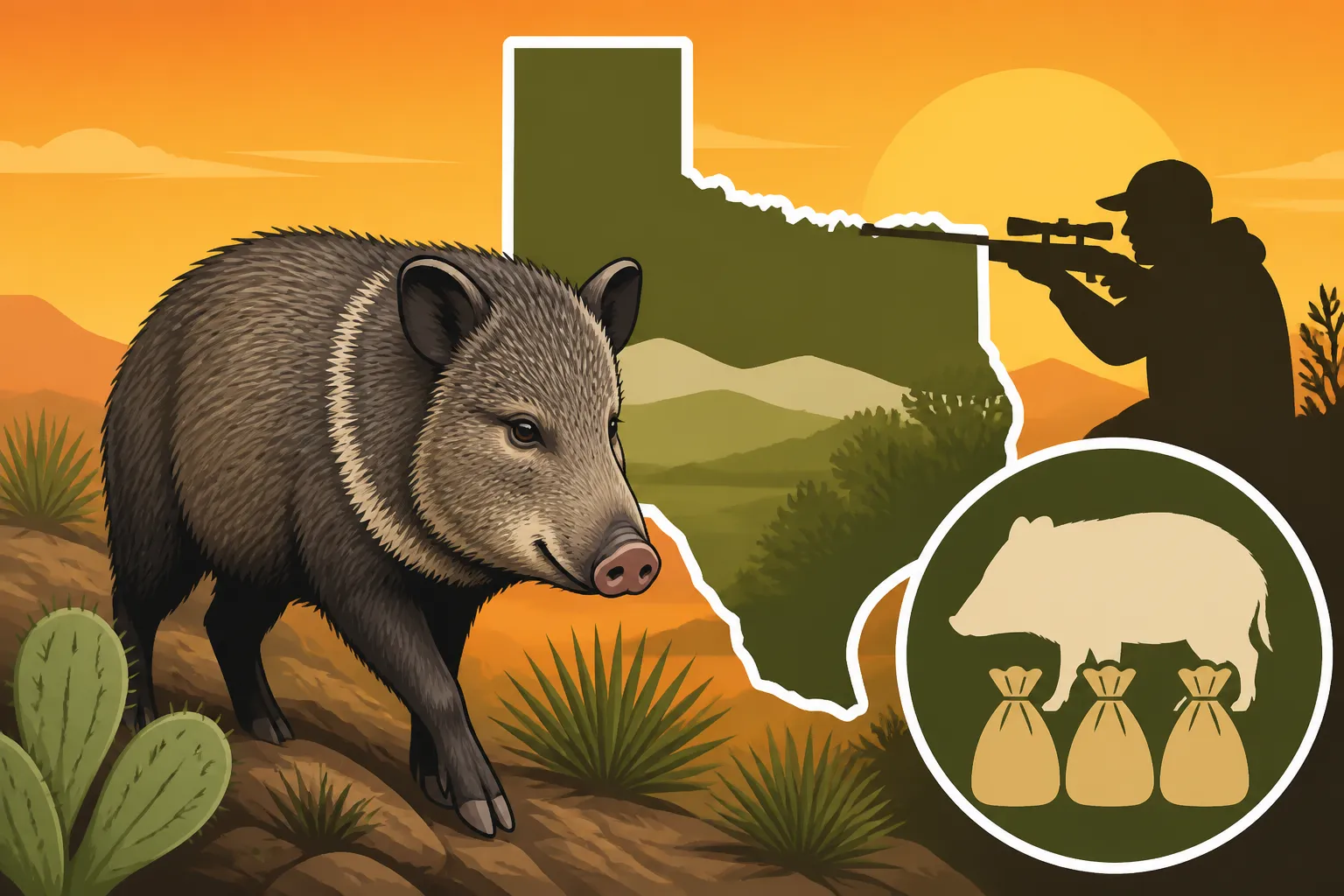
First things first, let's dispel a common myth: javelina are not feral hogs. They belong to their own biological family (Tayassuidae), separate from the Old World pigs (Suidae) that feral hogs descend from. Think of them more like distant cousins, maybe. Javelina are smaller, typically weighing between 30-60 pounds, with a coarse, salt-and-pepper coat, a distinct white collar around their neck, and a very short, almost invisible tail. They have unique scent glands on their back, which is why you'll often smell them before you see them, especially when they're startled. They live in herds, often called "squadrons," and are incredibly social animals. Their diet primarily consists of roots, tubers, cacti, insects, and fruits, which means you'll usually find them in areas with plenty of prickly pear. Understanding these differences is key, especially when you consider bag limits and hunting methods, as they are treated as distinct species by Texas Parks and Wildlife Department (TPWD). If you're curious about the biological distinctions, it's definitely worth looking into a guide on Javelina vs Feral Hog: What's the Difference?
Why Javelina Hunting is Popular in Texas
Javelina hunting has a unique appeal that draws many hunters to the vast brush country of South Texas. For one, they are challenging to hunt due to their keen sense of smell, excellent hearing, and tendency to move quickly through dense cover. The thrill of spotting a squadron of javelina rooting through the brush and trying to get into position before they scent you is an experience unlike any other. They offer a fantastic opportunity for spot-and-stalk hunting, especially if you're looking to hone your skills for other game. Plus, they can be hunted year-round in many areas, providing an off-season challenge when deer and turkey seasons are closed. Many hunters enjoy the meat, which, when properly cared for and cooked, can be quite delicious, especially from younger animals. It's a truly authentic Texas experience, often pursued in the same rugged landscapes where you might find a big whitetail buck.
Navigating Javelina Season Dates in Texas
Unlike many other game animals in Texas, javelina don't have a singular, statewide, fixed hunting season that closes for months on end. This flexibility is part of their appeal, but it also means understanding the nuances of where and when you can hunt them.
General Open Seasons for Javelina
For the majority of Texas, javelina can be hunted year-round on private land, provided you have the appropriate hunting license. This "open season" approach is due to their classification and management status by TPWD. However, this isn't a blanket rule for all areas. There are specific counties and public lands that have their own defined seasons. Typically, the general open season extends from September 1 to August 31 of the following year. This long season offers incredible flexibility for hunters, allowing you to chase them when other seasons might be closed. Always double-check the current Texas Outdoor Annual or consult the GoHunt app for any last-minute changes or county-specific additions before heading out.
Special Regulations for Specific Counties and Public Lands
While many areas boast a year-round private land season, several counties, particularly in the western and central parts of the state, do have more restrictive seasons. For instance, counties like Archer, Baylor, Clay, Foard, Hardeman, Jack, Knox, Montague, Wichita, and Wilbarger often have a specific javelina season, usually from October 1 to the last day of February. It’s critical to remember that these county-specific regulations override the general year-round season.
Furthermore, if you plan on hunting javelina on public hunting lands, such as Wildlife Management Areas (WMAs) or through the Texas Drawn Hunts system, you will encounter specific, often much shorter, seasons. These dates are set individually for each WMA or public hunt unit and are strictly enforced. To get the most accurate information for public lands, you'll need to consult the WMA's specific regulations or the Drawn Hunts brochure. This is where resources like the GoHunt app or the TPWD website become invaluable, allowing you to check the specific dates for, say, Chaparral WMA, or other public hunting opportunities. For those interested in pursuing game on public land, our guide on Public Hunting in Texas: WMAs & Annual Public Hunting Permit can offer further insights.
How Javelina Seasons Differ from Deer Seasons
The most significant difference between javelina seasons and deer seasons is their duration and geographic application. White-tailed deer and mule deer have distinct, often short, archery, general, and muzzleloader seasons that vary significantly by ecological zone (North, Central, South Texas for whitetail, and specific regions for mule deer). For example, the general season for white-tailed deer typically runs from early November to early January in most zones.
Javelina, on the other hand, enjoy a much longer, often year-round, season across their primary range, particularly in South Texas. This makes them an excellent target for hunters looking for an adventure outside the traditional deer season. The regulations for deer also include complex antler restrictions and bag limits that are county-specific and often involve buck tags and antlerless permits, which you don't typically see with javelina. While you'll definitely encounter javelina while Deer Hunting in Texas: Feeders, Blinds & Tactics, their seasons are managed quite differently, emphasizing their status as a non-native, less regulated species compared to deer.
Texas Javelina Bag Limits and Regulations
Just like seasons, understanding javelina bag limits and associated regulations is crucial to ensure a legal and ethical hunt. While generally more liberal than deer or turkey limits, there are still rules to follow.
Statewide Bag Limits and Possession Limits
For most of Texas, the statewide bag limit for javelina is two (2) javelina per hunting license year. This means that within a license year (which runs from September 1 to August 31), you can legally harvest two javelina. There isn't typically a daily bag limit for javelina, just the overall season limit. The possession limit is generally the same as the annual bag limit, meaning you can't possess more than two javelina at any given time, whether whole, quartered, or processed, unless you have proper documentation for additional animals legally harvested by others. Always make sure to immediately tag your javelina once harvested, even though they don't have species-specific tags like deer or turkey. Simply use a general "wildlife resource document" or a similar form provided with your hunting license, marking it for javelina.
However, as with seasons, certain public lands or special drawn hunts might have more restrictive bag limits. For instance, a WMA hunt might specify a limit of one javelina per hunter for that particular hunt. It's always best practice to review the specific hunt details from TPWD.
Resident vs. Non-Resident License Requirements
To hunt javelina in Texas, both residents and non-residents must possess a valid Texas hunting license. For Texas residents, a Resident Hunting License (often the Super Combo License, which includes all necessary endorsements) is usually sufficient. Non-residents will need to purchase a Non-Resident Special Hunting License, which is specifically designed for hunting javelina and all legal game birds (except turkeys). While more expensive than a resident license, it grants non-residents the ability to pursue javelina.
Beyond the basic license, there are typically no additional endorsements required specifically for javelina, unlike migratory game birds which require a Migratory Game Bird Endorsement and HIP certification. However, it's always a good idea to check the Texas Outdoor Annual for the current year to ensure you have all the necessary permits and licenses. You can find detailed information about costs and types in our guide: Texas Hunting License: Cost, Types & How to Buy (2026).
Important Considerations for Harvest Reporting
While deer and turkey harvests often require specific tags and online reporting through the My Texas Hunt Harvest system, javelina typically do not fall under the same mandatory reporting rules. You don't affix a specific javelina tag to the animal, nor do you generally report it via the online system.
However, good record-keeping is always advised. If you're on a private ranch and operating under a Managed Lands Deer Permit (MLDP) program, your lease administrator might require you to record javelina harvests as part of their overall wildlife management data, even if it's not a state requirement. On public lands, specific drawn hunts may have their own harvest check-in procedures. The most important thing is to ensure you have your valid hunting license and that you are adhering to the statewide bag limit of two javelina per license year. For general harvest reporting information, consult our article on Texas Hunting Tags & Harvest Reporting (My Texas Hunt Harvest).
Essential Tips for a Successful Javelina Hunt
Hunting javelina can be an absolute blast, but they're not always easy to find or harvest. A bit of preparation and understanding of their habits will go a long way.
Scouting and Locating Javelina Hotspots
Javelina are creatures of habit, often sticking to their home ranges, which can be anywhere from a few hundred to a thousand acres. They prefer dense brush country, thick mesquite thickets, prickly pear patches, and areas with good cover near a water source. To locate them, start by looking for their signs:
- Tracks: Javelina tracks are distinctive, showing two prominent toes, similar to deer but smaller and more rounded.
- Rooting: They are notorious for rooting around in the dirt, much like hogs, searching for roots, tubers, and insects. Look for disturbed soil, especially under prickly pear cacti.
- Scat: Their droppings are pellet-shaped, similar to deer but typically smaller and often clumped together.
- Scent: As mentioned, they have a strong musky odor. If you catch a whiff of something a bit skunky or pungent, you're likely in javelina territory.
- Food Sources: Areas abundant with prickly pear, mesquite beans, and other desert vegetation are prime spots. They particularly love the juicy pads and fruits of prickly pear.
Using scouting cameras, especially cellular trail cameras, can be highly effective. Place them near known water sources, active rooting areas, or trails leading into dense cover. Brands like Tactacam or Moultrie offer excellent cellular options that can help you pattern their movements. Since javelina are social, if you find signs of one, a whole squadron is likely nearby. Many hunters find success in the vast, rugged landscapes described in our guide to South Texas Deer Hunting: Brush Country Guide, as this environment is also ideal javelina habitat.
Recommended Hunting Methods and Gear
Javelina hunting typically involves a combination of patience and quick action. Here are some effective methods:
- Spot-and-Stalk: This is perhaps the most exhilarating way to hunt javelina. Early mornings and late afternoons are prime times when squadrons are most active, feeding in more open areas or along senderos (ranch roads). Use good binoculars (like a pair from Zeiss or Vortex, available through retailers that carry GoHunt recommendations) to scan for movement. Once spotted, use the terrain and cover to close the distance. Remember their keen sense of smell; always approach from downwind.
- Ambush: Setting up a ground blind or a tripod blind near a known water source, prickly pear patch, or a frequently used trail can be very productive. Javelina are creatures of routine, so patterning their movements through scouting can make an ambush hunt highly successful.
- Calling: Javelina respond surprisingly well to distress calls, especially calls that mimic a javelina or a small animal in distress. This can be very effective in pulling them out of thick cover or stopping a moving squadron for a shot.
- Firearms: Most standard deer calibers are suitable for javelina. A .223, .243, 6.5 Creedmoor, or even a .30-30 are more than adequate. For archery hunters, any setup suitable for deer will work for javelina.
- Shot Placement: Their vitals are relatively small and sit a bit forward compared to a deer. Aim for a shot directly behind the shoulder, slightly lower than you might for a deer, to hit the heart and lungs effectively. Proper shot placement for hogs can also translate well for javelina, so check out Best Shot Placement for Hogs for more information.
Field Care and Processing Your Javelina
Proper field care is paramount for good table fare, especially in the warm Texas climate. Javelina have a strong musky odor, and if not handled correctly, this can permeate the meat.
- Cooling Quickly: As soon as you harvest a javelina, get it field-dressed immediately. This involves gutting the animal to allow the body cavity to cool down.
- Skinning: Many hunters recommend skinning a javelina as quickly as possible, paying close attention to avoiding contact between the hide (especially the prominent scent gland on the back) and the meat. Some even remove the scent gland area entirely during skinning.
- Cleanliness: Keep the meat clean, avoiding dirt and debris. Rinse the cavity with water if available and pat dry.
- Transport: Transport the skinned and quartered animal in a quality cooler with plenty of ice. A Yeti Tundra or similar robust cooler (as recommended by GoHunt for serious outdoorsmen) is ideal for maintaining low temperatures, especially if you're out in the field for a few days.
- Processing: Once home or at a processor, trim away any silver skin, fat, and discolored meat. Many hunters grind javelina meat for sausage or chili, but backstraps and hams can be excellent table fare when slow-cooked or marinated. For more detailed instructions on keeping your game fresh, our article on Field Dressing & Processing Game in Texas Heat is a vital resource.
Hunting javelina is an incredibly rewarding experience that allows you to explore unique Texas landscapes and challenge your hunting skills. With the right knowledge about seasons, limits, and tactics, you'll be well on your way to a successful hunt.
Texas Javelina Season and Bag Limit Summary
To help you keep track of the most common regulations, here's a quick summary. Always consult the official Texas Outdoor Annual for the most current and specific details for your hunting area.
| Category | General Statewide Rule (Private Land) | Specific County Rules (Examples) | Public Hunting Lands (WMAs/Drawn Hunts) |
|---|---|---|---|
| Season Dates | September 1 – August 31 (Year-Round) | October 1 – Last day of February (e.g., Archer, Baylor, Clay, Foard counties) | Varies by specific WMA/hunt unit |
| Bag Limit | 2 Javelina per license year | 2 Javelina per license year (unless otherwise specified) | Varies by specific WMA/hunt unit |
| Daily Bag Limit | No daily limit (only annual) | No daily limit (only annual) | Varies by specific WMA/hunt unit |
| Possession Limit | 2 Javelina | 2 Javelina | Varies by specific WMA/hunt unit |
| License Required | Resident Hunting or Non-Resident Special | Resident Hunting or Non-Resident Special | Resident Hunting or Non-Resident Special |
| Endorsements | None specifically for Javelina | None specifically for Javelina | None specifically for Javelina |
| Harvest Reporting | Not generally required by TPWD | Not generally required by TPWD | May be required by specific WMA/hunt |
Disclaimer
Please remember that hunting regulations can change. While every effort has been made to provide accurate and up-to-date information, this guide is for informational purposes only. Always consult the current Texas Outdoor Annual published by the Texas Parks and Wildlife Department or visit their official website before any hunting trip to ensure full compliance with all state and local regulations.