The Texas Rut: When Do Bucks Rut by Region?
Hunting in Texas is a passion, but there's arguably no period that generates more excitement, anticipation, and yes, sometimes utter confusion, than the whitetail rut. It's that magical time when deer behavior shifts dramatically, bucks throw caution to the wind, and the woods hum with a different kind of energy. But trying to pin down exactly when the Texas rut happens can feel like chasing a phantom, especially with a state as vast and diverse as ours. This comprehensive guide is here to demystify the timing of the rut across Texas, breaking it down by region so you can be in the right place at the right time.
Understanding the Whitetail Rut's Core Mechanism
Before we dive into regional specifics, let's get a handle on what the rut actually is. It's more than just a few weeks of frantic activity; it's a complex biological process driven by hormones, light cycles, and the primal urge to reproduce. Missing this critical window can mean the difference between seeing plenty of action and wondering where all the big bucks went.
The Biological Imperative
At its heart, the rut is about perpetuation of the species. Whitetail deer, like many animals, have a specific breeding cycle designed to ensure fawns are born at the most optimal time for survival – usually spring, when forage is abundant and temperatures are mild. This means the breeding itself needs to happen several months prior. For Texas whitetails, this generally falls between late September and early January, varying significantly depending on where you are in the state.
Hormonal changes in both bucks and does trigger the process. As the days shorten, increasing melatonin levels in a doe's brain stimulate her reproductive cycle, bringing her into estrus. Bucks, on the other hand, experience a surge in testosterone, leading to increased aggression, scraping, rubbing, and a relentless search for receptive does. This biological clock is surprisingly consistent year after year within specific localized populations, which is why understanding your local area's historical rut timing is crucial for success.
Phases of the Rut
It's a common mistake to think of the rut as a single event. In reality, it unfolds in distinct phases, each offering unique hunting opportunities and challenges. If you're only focused on the "peak," you might miss out on excellent action during the build-up or cool-down.
The earliest phase is the pre-rut. This is when bucks are starting to feel the hormonal shift. They’re rubbing antlers on trees, making scrapes, and generally becoming more active and visible. They’re getting ready, pushing each other around, and establishing dominance hierarchies. You'll see increased cruising as they start scent-checking doe bedding areas. This phase can be fantastic for hunting, as bucks are still somewhat predictable in their movements before the full chaos begins. Next comes the seeking phase, where bucks are actively searching for the first receptive does. This is often described as the "first wave" of the rut. Bucks will cover a lot of ground, sometimes moving in daylight more freely than any other time of year. Then, we hit the chase phase, which is exactly what it sounds like – bucks are running does, does are running from bucks, and the woods are alive with activity. It's often during this phase that you'll see bucks acting completely out of character. Finally, the breeding or peak rut is when does are actually standing to be bred. Bucks might "lock down" with a hot doe for 24-48 hours, making them temporarily harder to find, but other bucks are still actively seeking. After this, the post-rut sets in, where the primary breeding is winding down, but some late estrus does might still be around, and bucks are exhausted, often focusing on recovery and feeding.
Identifying Rut Activity in the Field
Knowing the general timing is one thing, but confirming the rut is happening right in front of you requires keen observation. You'll literally see the evidence of deer behavior shifting. Look for fresh rubs, where bucks have torn bark from trees, polishing their antlers and leaving scent. These aren't just for show; they're signposts indicating a buck's presence and dominance. Similarly, active scrapes – patches of bare earth where a buck has pawed away leaves, urinated, and left scent from glands on his head – are communication hubs. Bucks and does will visit these, leaving their own scent calling cards.
Beyond physical signs, observe deer movement. Are bucks traveling alone or following does? Are does acting skittish or stopping to look back when they move through an area, indicating a buck might be trailing them? Grunting, rattling, and snort-wheezes are vocalizations you might hear during the rut, indicating bucks are communicating and asserting dominance. An increase in these sounds, especially grunting, is a strong indicator that the chase is on. When you see bucks actively chasing does, bumping them, and ignoring your presence, you know you're square in the middle of the most exciting time of the year.
Factors Influencing Rut Timing
While the core biological drive is consistent, local environmental and demographic factors can cause variations in the specific timing and intensity of the rut, sometimes even from one ranch to the next within the same general region. It’s what makes predicting it perfectly such a fun, infuriating challenge.
Moon Phase and Weather Folklore
Ask ten different hunters about the moon's impact on the rut, and you'll likely get ten different answers. For years, theories have circulated about how the full moon, new moon, or specific lunar cycles might ignite the peak breeding activity. While some studies suggest a correlation between moon phases and deer movement patterns (e.g., more nocturnal activity during a bright full moon), the scientific consensus is that the moon doesn't directly trigger the timing of the rut itself. The primary driver remains photoperiod – the amount of daylight.
Similarly, weather can influence when deer move, but not when they breed. A sudden cold front can certainly make bucks get on their feet more during daylight hours, making it feel like the rut just kicked into high gear. This is because deer, especially bucks during the taxing rut period, are more comfortable moving and expending energy when temperatures are cooler. Conversely, extremely hot weather might suppress daylight movement, pushing activity more towards dawn and dusk, or even into the night. So, while weather and moon phases are crucial for planning your hunting days, they aren't dictating the biological breeding window itself.
Herd Health and Nutrition
The overall health and nutritional status of a deer herd play a surprisingly significant role in the rut's intensity and even its perceived timing. In areas with abundant, high-quality forage, does tend to reach a healthy body condition earlier and can come into estrus more synchronously. This means more does are receptive at roughly the same time, leading to a more compressed, intense rut. Bucks in well-nourished herds are also healthier, more aggressive, and better able to participate fully in the strenuous demands of the rut.
Conversely, in areas with poor habitat or overpopulation, does might be stressed, delaying their estrus cycle or making it less pronounced. This can result in a prolonged, "trickle" rut where does come into estrus over a longer period, making it harder for hunters to pinpoint peak activity. Bucks in these areas might also be less robust, leading to less dramatic rutting behavior. This is often seen in areas without proper deer management, or without supplemental feeding strategies like protein feeders, which can significantly improve herd health. Effective management practices, such as maintaining balanced deer densities and implementing programs like the MLDP & Managed Lands in Texas Explained can lead to healthier deer and a more predictable rut.
Doe-to-Buck Ratios and Age Structure
Perhaps one of the most impactful factors on rut dynamics is the doe-to-buck ratio and the overall age structure of the buck herd. When there's a highly skewed ratio, meaning many more does than bucks, the rut can become spread out and less intense. A single buck might have too many does to cover, leading to does coming into estrus and being bred over a longer window. This often results in fewer intense chases and less visible daylight buck activity, as bucks don't have to work as hard to find a receptive doe.
On the flip side, a balanced doe-to-buck ratio (closer to 2:1 or 3:1) and a healthy number of mature bucks in the herd typically lead to a more concentrated and dramatic rut. With more competition, bucks are forced to be more active, chasing and fighting to secure breeding rights. This increased competition translates directly into more visible rutting behavior during legal hunting hours. Programs focused on quality deer management (QDM) often aim to achieve these balanced ratios, knowing it creates a healthier herd and a more exciting rut for hunters. Learning Texas Antler Restrictions: 13-Inch Rule & Counties can give you an idea of how management efforts are applied in different regions.
Regional Rut Timelines in Texas
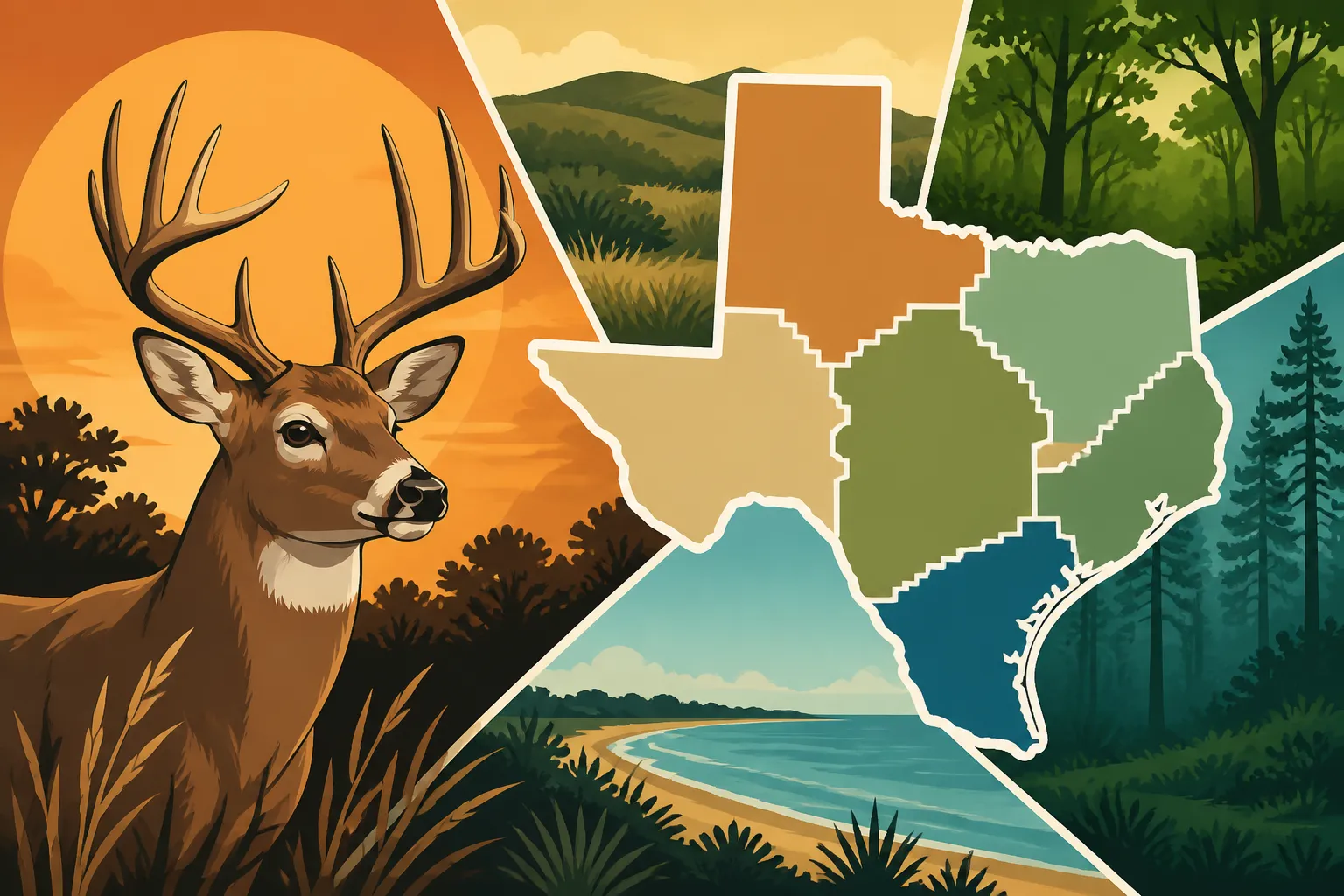
Texas is a massive state, spanning diverse ecoregions from arid deserts to dense pine forests. It stands to reason that the rut doesn't happen uniformly across this vast landscape. In fact, rut timing can vary by weeks, or even months, depending on your location. Understanding these regional differences is absolutely key to planning your hunts effectively.
North Texas and the Panhandle
In the northern reaches of Texas, including the Panhandle and parts of the Cross Timbers and Prairies, the rut generally kicks off earlier than in many other parts of the state. Hunters in this region can typically expect the peak breeding activity to occur from mid-November through early December. This timing often aligns nicely with the general deer season, providing ample opportunity for hunters.
The whitetail populations here are influenced by colder weather patterns and habitat that includes agricultural fields alongside brush and timber. You'll find bucks starting to make scrapes and rubs in late October and early November, building up to that intense chasing and breeding period. If you're hunting around Amarillo, Wichita Falls, or down towards Dallas-Fort Worth, plan your most aggressive hunting efforts for the latter half of November. Remember, a significant cold snap here can really get deer moving, so keep an eye on those weather fronts during this window.
Central Texas and the Hill Country
The iconic Texas Hill Country, known for its rocky terrain, oak mottes, and high deer densities, experiences its rut slightly later than the northern counties. Here, the peak breeding typically occurs from late November into early December, sometimes even stretching into the second week of December.
This timing is crucial for hunters targeting the beautiful bucks of the Edwards Plateau. The pre-rut signs, like increased scraping and rubbing, will become very evident in mid-November. The Hill Country rut is often described as intense, especially in well-managed areas with good buck-to-doe ratios. Bucks will be covering a lot of ground, often seen cruising the draws and cedar breaks in search of does. If you're planning a trip to areas like Kerrville, Fredericksburg, or Mason, ensure your peak hunting pressure aligns with this late November/early December window for the best chance at a mature buck. For more detailed insights, check out our guide on Hill Country Deer Hunting in Texas.
South Texas Brush Country
Ah, South Texas! The legendary brush country is famous for producing massive, mature whitetails, but its rut timing is notoriously later than other regions. In the deep South Texas brush, from areas around Laredo to the King Ranch country, the peak rut often doesn't hit until mid-December, extending through early January. It's a later show, but when it happens, it's often explosive.
The combination of dense cover, typically warmer temperatures, and often later-maturing bucks and does in this unique habitat contributes to this delayed breeding period. Pre-rut activity might pick up in late November, but the full-blown chasing and breeding won't commence until December. This means your best bets for seeing intense buck movement and activity are often during the Christmas and New Year's holidays. Hunters targeting South Texas Trophy Whitetail: Brush Country Bucks know that patience is key, and waiting for those cooler December days when the rut really gets going can pay off big time. You'll see bucks acting completely foolish, sometimes in broad daylight, as they relentlessly pursue does through the mesquite and prickly pear.
East Texas Pineywoods
Shifting gears to the dense forests of East Texas, the rut here aligns more closely with the central and northern parts of the state. Hunters in the Pineywoods can generally expect the peak rut to be in mid-November to early December. This is when bucks are most active, chasing does through the thick timber and bottomland hardwoods.
The habitat in East Texas, with its abundant water, diverse understory, and mixed pine and hardwood forests, supports healthy deer populations. The rut here is often characterized by bucks using clearings, timber edges, and creek bottoms as travel corridors. Scouting for fresh rubs and scrapes along these routes is particularly effective. If you're hunting near cities like Nacogdoches, Crockett, or Texarkana, plan your prime hunting days for the second half of November and the first week or two of December to capitalize on this intense breeding activity.
Trans-Pecos and West Texas
The vast, rugged landscapes of the Trans-Pecos and parts of West Texas, particularly areas that hold whitetail deer (mule deer rut at a different time), also have a distinct rut period. While whitetail populations are less dense here compared to the Hill Country or South Texas, the rut is still an important time. The peak breeding activity for whitetails in this region typically falls in mid-December.
This timing is influenced by the arid environment and unique genetics of the desert whitetail found here. Hunters might find the rut to be a bit more spread out or less overtly intense than in other areas, given the lower deer densities and extensive terrain. However, during this mid-December window, bucks will certainly be on the move, covering significant distances. This is a region where focusing on water sources, food plots (if available), and natural travel corridors through the mountains and draws becomes even more critical during the rut.
Gulf Coast Region
Finally, let's consider the unique environment of the Texas Gulf Coast, from areas south of Houston down to Corpus Christi and past the King Ranch. This region, characterized by coastal prairies, marshes, and river bottoms, often experiences a later and sometimes more prolonged rut for its whitetail populations. The peak breeding here can range from late December into mid-January, sometimes even extending into February for some localized pockets.
The warm climate and specific habitat conditions on the coast contribute to this delayed rut. Deer in these areas often have different nutritional factors and may experience less dramatic seasonal changes that typically trigger breeding in other regions. While this can make pinpointing the "peak" challenging, it also means hunters can have good rut activity well into the new year. Look for buck activity around thicker cover near water, and don't count out those late-season hunts if you're in this unique coastal zone.
Here's a quick summary of general rut timings across the regions:
| Texas Region | General Peak Rut Timing | Key Characteristics |
|---|---|---|
| North Texas & Panhandle | Mid-November – Early Dec. | Earlier, aligned with colder fronts, agricultural influence. |
| Central Texas (Hill Country) | Late Nov. – Early Dec. | Intense, high deer density, classic buck behavior. |
| South Texas (Brush Country) | Mid-Dec. – Early Jan. | Later, explosive, warmer climate, dense cover. |
| East Texas (Pineywoods) | Mid-November – Early Dec. | Consistent, timber & creek bottom movement. |
| Trans-Pecos (Whitetail) | Mid-December | Later, lower density, rugged terrain. |
| Gulf Coast | Late Dec. – Mid-January | Latest, prolonged, unique coastal factors. |
Hunting Strategies During the Rut
Knowing when the rut happens in your area is only half the battle. The other half is understanding how to adapt your hunting strategies to capitalize on this frantic period. The rut demands a different approach than early season or late season hunting.
Scouting for Rut Sign
Even if you know the general rut dates for your region, local conditions can vary. This is where diligent scouting, even during the season, comes into play. Before the rut truly kicks off, spend time in the woods looking for fresh rubs and scrapes. Are they along major travel corridors or deep in thick cover? Pay attention to the size and freshness of rubs – bigger rubs typically indicate a larger buck. Active scrapes will have freshly pawed earth and often a distinct odor. These signs act as a "hot map" for buck activity.
Utilizing trail cameras is an absolute game-changer for monitoring rut development. Setting up cameras on scrapes, rub lines, and food sources can show you exactly when bucks start increasing their daytime movement and interacting with does. You can see which bucks are present, their behavioral patterns, and even estimate the local buck-to-doe ratio based on camera activity. This kind of intel helps you understand How to Pattern Bucks With Trail Cameras and confirm the rut is indeed in full swing in your specific hunting area, not just generally. Remember, the fresher the sign, the closer you are to current activity.
Calling and Decoying Tactics
During the rut, bucks are looking for love (or a fight), and that makes them much more susceptible to calling and decoying than at any other time of year. Don't be shy about using vocalizations or visual lures. Grunt calls can be incredibly effective when a buck is cruising or chasing. A short, sharp grunt can often stop a buck in his tracks or even draw him in, curious about another buck or a hot doe. Combine grunts with doe bleats to imitate a receptive doe or a breeding sequence.
Rattling antlers, simulating a fight between two bucks, can also be dynamite. The sound of two bucks sparring can pique the interest of dominant bucks looking to assert their status or younger bucks curious to see what's happening. The key to successful rattling is knowing When to Rattle for Bucks in South Texas or your specific region, and using the right sequence. Sometimes a short, aggressive sequence is all it takes; other times, a longer, drawn-out battle is more effective. Decoys, whether a buck, a doe, or both, can also draw in curious or aggressive bucks, giving you a shot you might not otherwise get. Place them downwind and quartering away from your stand, ensuring the approaching buck focuses on the decoy, not you.
Stand Placement and Patience
The rut transforms deer movement patterns, so your usual stand locations might not be the most productive. During the pre-rut, bucks might still be somewhat predictable, hitting food sources or staging areas. But once the chase phase begins, bucks will be covering a lot more ground, often disregarding typical feeding patterns in favor of finding does. This means setting up stands in areas that offer good visibility over wide travel corridors, funnels, and pinch points becomes critical.
Consider bedding areas or points where bucks might intercept does moving between food and cover. Creeks, fence lines, and changes in topography can all act as natural funnels that concentrate deer movement. Given the unpredictable nature of rutting bucks, often a full day sit is your best bet. Bucks can appear at any time, especially when they're relentlessly pursuing a doe. Be patient, stay vigilant, and be prepared for action at any moment. Your success hinges on being present when that trophy buck finally throws caution to the wind, as detailed in our guide on the Best Time of Day to Hunt Whitetail in Texas.
Common Misconceptions About the Rut
The rut is shrouded in folklore, old wives' tales, and outright myths. Many of these misconceptions can lead hunters astray, costing them valuable time and opportunities. Let's debunk a few of the most prevalent ones.
The "One Size Fits All" Myth
Perhaps the biggest myth surrounding the Texas rut is that it happens at the same time everywhere in the state, or that there's one magical week when all bucks are breeding. As we've thoroughly explored, Texas is just too immense and diverse for such uniformity. The idea that a universal "peak rut" applies to the entire state is simply untrue.
This misconception can lead to immense frustration. A hunter from North Texas might take their late-November rut experience and apply it to a South Texas hunt, only to be disappointed when activity is slow. Or vice-versa, a hunter expecting a December rut in the Panhandle might miss the peak entirely. Each ecoregion, and even localized populations within those regions, has its own unique rut timing, driven by local environmental and genetic factors. The key is to research and understand the specific area you're hunting, rather than relying on broad generalizations. This is why knowing your Texas Deer Zones: North vs South Explained is so crucial.
Ignoring Pre-Rut and Post-Rut Activity
Many hunters focus solely on what they perceive as the "peak" of the rut, often leading them to miss out on incredible hunting. The pre-rut and post-rut phases can be just as, if not more, productive for harvesting a mature buck, albeit with different strategies. During the pre-rut, bucks are still somewhat on a pattern, but they're fired up and beginning to move more. They are creating rubs and scrapes, establishing dominance, and actively looking for the first does to come into estrus. This is a time when they can be very responsive to calling and decoys, and more visible during daylight hours before they become totally locked down with does.
Similarly, the post-rut, while exhausting for the deer, isn't devoid of opportunity. Some does will have been missed during the primary breeding window and will come into estrus again later. Bucks, although tired and depleted, will still be receptive to these late-breeding does. Furthermore, bucks will shift their focus heavily to feeding to recover energy, making food sources excellent places to target them. Ignoring these peripheral phases means you're potentially leaving a lot of time and opportunity on the table.
The Impact of Weather Extremes
While we touched on weather influencing movement, a common misconception is that a warm spell can completely shut down the rut, or that extreme cold somehow accelerates it. The biological trigger for the rut, primarily photoperiod (daylight length), is largely unaffected by short-term weather fluctuations. What weather does influence is when deer move and how visible that movement is to hunters.
An unseasonably warm spell during the peak rut might indeed lead to less visible daylight movement, pushing deer activity into the cooler hours of dawn, dusk, or even night. Bucks are still breeding, but they're doing it more discreetly to conserve energy. Conversely, a sudden, sharp cold front can invigorate deer, making them more comfortable and prompting them to move and feed more during the day. This creates the perception that the rut has just "turned on," when in reality, the breeding was already underway; the weather just made the deer more visible. Understanding this distinction is key to not getting discouraged by a warm day or overconfident on a cold one, but rather adjusting your hunting times and tactics.
Beyond the Peak Rut: Maximizing Your Season
The Texas hunting season often extends beyond the core rut window, offering different challenges and rewarding distinct strategies. Thinking solely about the "peak" can overshadow valuable opportunities both before and after the main event.
Pre-Rut: The Build-Up
The pre-rut is an exciting time, a period of rising anticipation before the full chaos descends. Typically, this phase in Texas runs from late October through mid-November, depending on the region. Bucks are beginning to rub trees, creating territorial markers and polishing their antlers. Scrapes appear, indicating bucks are laying down scent and actively communicating. Their testosterone levels are climbing, making them more aggressive and less tolerant of other bucks. This is when you often see bucks starting to separate from their bachelor groups.
For hunters, the pre-rut offers a fantastic window because bucks are still somewhat on predictable patterns, often hitting food sources, but they're also much more willing to move during daylight hours than during the early season. They are actively seeking does, but the does aren't quite ready, leading to a lot of cruising behavior. This is an ideal time for ambushing bucks near food plots, along transition lines between bedding and feeding, or near freshly established scrape lines. Using scent lures can be particularly effective during this phase, as bucks are highly curious and looking for signs of does. Don't underestimate the pre-rut; many experienced hunters swear it's their favorite time to target a mature buck because they're still catchable before they become completely unpredictable chasing does.
Post-Rut: Recovery and Late Season
Once the peak breeding activity winds down in late December or early January (again, depending on the region), deer enter the post-rut. This phase is characterized by exhaustion, particularly for bucks. They've spent weeks expending massive amounts of energy chasing does, fighting, and often neglecting food. As a result, they've lost significant body weight and are in desperate need of replenishment. Does, too, need to recover, especially those that were bred and are now carrying fawns.
For hunters, the post-rut means a shift in strategy back towards food sources. Bucks will become highly focused on replenishing their reserves, making natural food sources (like acorns, if available) and supplemental feeders incredibly attractive. This is a great time to focus on areas with high-quality forage or reliable feeders. While the intense chasing is over, some late-estrus does might still be present, offering a slim chance for a "second rut" as a few bucks might still be cruising. However, generally, the focus is on finding exhausted bucks trying to pack on calories. Patience and vigilance near food become paramount. This late-season hunting can be incredibly rewarding, catching bucks in a more relaxed, feeding-oriented pattern after the madness of the rut has passed. You might also find good opportunities for Late-Season Deer in Texas during this period.
Disclaimer
Hunting regulations, seasons, and bag limits can change annually. While we strive to provide the most up-to-date and accurate information, it is the hunter's responsibility to verify all current rules and regulations with the Texas Parks and Wildlife Department (TPWD) before heading afield. Always consult the official TPWD Outdoor Annual for the latest information.